
Contents
- 🏥 Introduction to Frederick Banting
- 📚 Early Life and Education
- 🎓 The Discovery of Insulin
- 💡 The Role of [[charles_best|Charles Best]] in Insulin Discovery
- 📊 The Impact of Insulin on Diabetes Treatment
- 🏆 Awards and Recognition
- 🌎 Global Influence and Legacy
- 💔 Challenges and Controversies
- 📝 Later Life and Career
- 👥 Collaborations and Relationships
- 🔬 Continued Research and Innovations
- 👏 Conclusion and Lasting Impact
- Frequently Asked Questions
- Related Topics
Overview
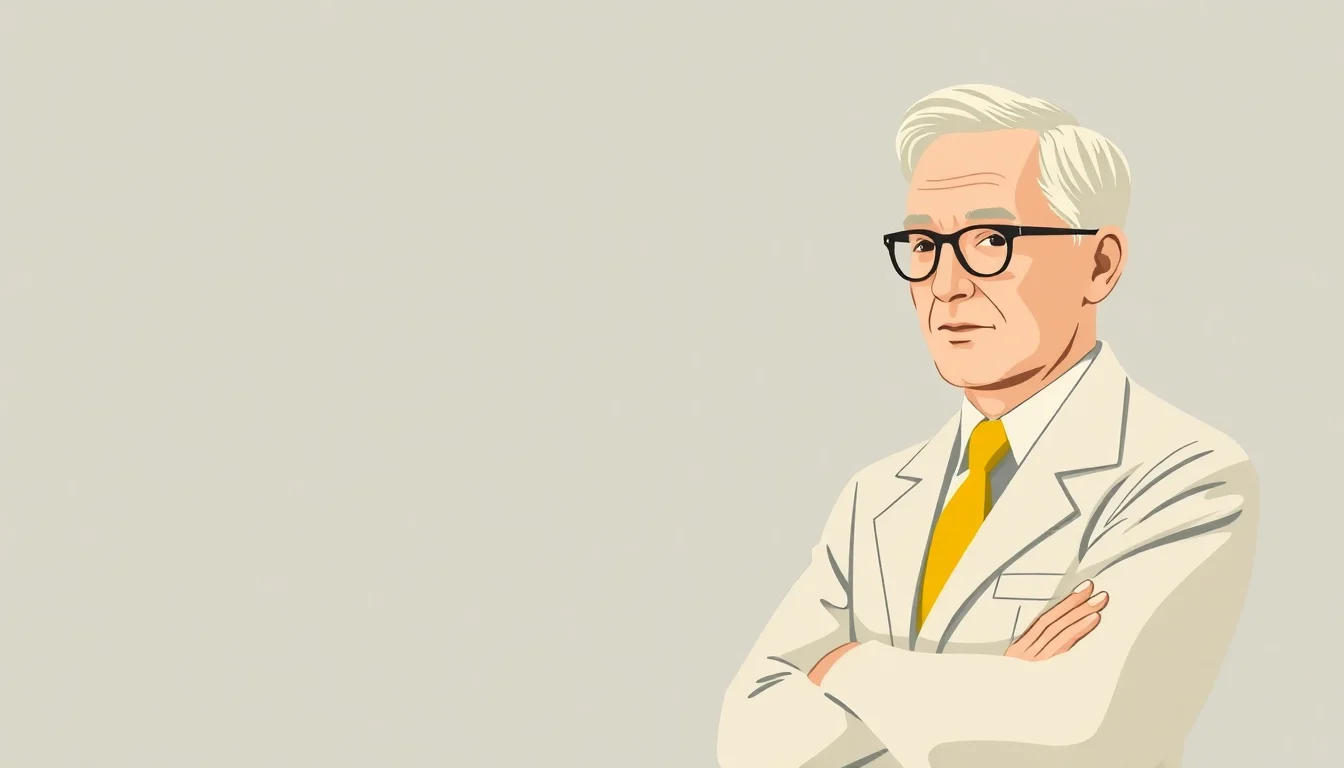
Frederick Banting, a Canadian physician and researcher, is widely recognized for his groundbreaking discovery of insulin in 1921. Alongside Charles Best, Banting isolated the hormone from pancreatic extracts, revolutionizing the treatment of diabetes. With a Vibe score of 82, Banting's work has had a lasting impact on the medical community, saving countless lives and earning him the Nobel Prize in Physiology or Medicine in 1923. However, controversy surrounds the question of whether Banting's colleague, John Macleod, was unfairly awarded the Nobel Prize alongside him. As a futurist, it's intriguing to consider how Banting's discovery paved the way for modern diabetes research and treatment. With over 463 million people worldwide living with diabetes, Banting's legacy continues to inspire new generations of medical researchers and practitioners, with his influence extending far beyond the scientific community, into the realm of popular culture and historical significance.
🏥 Introduction to Frederick Banting
Frederick Banting was a Canadian medical scientist, physician, and Nobel Prize winner, best known for his pioneering work in the discovery of insulin. Born on November 14, 1891, in Alliston, Ontario, Canada, Banting's interest in medicine and science was evident from an early age. He studied medicine at the University of Toronto, where he developed a strong foundation in physiology and biochemistry. Banting's work on insulin was a significant breakthrough in the treatment of diabetes, a disease that was previously considered incurable. His discovery, made in collaboration with Charles Best, revolutionized the field of endocrinology and saved countless lives. For more information on diabetes, visit Diabetes Management.
📚 Early Life and Education
Banting's early life and education played a crucial role in shaping his future as a scientist. He grew up in a family of modest means and was the youngest of five children. Banting's interest in science and medicine was encouraged by his parents, who recognized his potential and supported his educational pursuits. He attended the University of Toronto, where he earned his medical degree in 1916. During his time at university, Banting was exposed to various fields of study, including anatomy, pharmacology, and pathology. He also developed a strong interest in research and experimentation, which would later become the hallmark of his career. For more information on medical education, visit Medical School.
🎓 The Discovery of Insulin
The discovery of insulin is one of the most significant medical breakthroughs of the 20th century. Banting and Best's work on insulin began in 1921, when they were working at the University of Toronto. They were tasked with investigating the role of the pancreas in digestion and the regulation of blood sugar levels. Through a series of experiments, they were able to isolate and purify insulin, which they then tested on diabetic patients. The results were nothing short of miraculous, with patients experiencing significant improvements in their condition. The discovery of insulin was a major breakthrough in the treatment of diabetes and paved the way for further research into the disease. For more information on the pancreas, visit Pancreatic Cancer.
💡 The Role of [[charles_best|Charles Best]] in Insulin Discovery
Charles Best played a crucial role in the discovery of insulin, working closely with Banting to develop and test the hormone. Best was a young researcher at the time, and his collaboration with Banting was instrumental in the success of their experiments. Together, they worked tirelessly to refine their techniques and perfect their methods, often working long hours in the laboratory. The partnership between Banting and Best was a key factor in the discovery of insulin, and their collaboration is still studied by scientists today as an example of effective teamwork and communication. For more information on Charles Best, visit Charles Best.
📊 The Impact of Insulin on Diabetes Treatment
The impact of insulin on diabetes treatment was immediate and profound. Prior to its discovery, diabetes was a death sentence, with patients often dying within a few years of diagnosis. Insulin changed everything, allowing patients to manage their condition and live relatively normal lives. The discovery of insulin also paved the way for further research into diabetes, leading to a greater understanding of the disease and the development of new treatments. Today, insulin is still the primary treatment for type 1 diabetes, and it is also used to manage type 2 diabetes in some cases. For more information on diabetes treatment, visit Diabetes Treatment.
🏆 Awards and Recognition
Banting's work on insulin earned him numerous awards and recognition, including the Nobel Prize in Physiology or Medicine in 1923. He was also awarded the Order of Canada and was inducted into the Canadian Medical Hall of Fame. Banting's contributions to medicine were recognized around the world, and he became an international celebrity, known for his groundbreaking work on insulin. Despite his fame, Banting remained humble and dedicated to his work, continuing to research and innovate until his death in 1941. For more information on the Nobel Prize, visit Nobel Prize.
🌎 Global Influence and Legacy
Banting's legacy extends far beyond his discovery of insulin. He was a pioneer in the field of endocrinology, and his work paved the way for further research into hormones and their role in the body. Banting's discovery of insulin also had a significant impact on the field of medicine, leading to a greater understanding of the importance of hormones in maintaining health. Today, Banting is remembered as a hero and a pioneer, and his work continues to inspire scientists and researchers around the world. For more information on endocrinology, visit Endocrinology.
💔 Challenges and Controversies
Despite his many achievements, Banting faced numerous challenges and controversies throughout his career. He was often at odds with his colleagues and faced criticism for his methods and techniques. Banting was also known to be fiercely competitive and was involved in several high-profile disputes with other scientists. Despite these challenges, Banting remained committed to his work and continued to innovate and push the boundaries of medical science. For more information on medical controversies, visit Medical Controversies.
📝 Later Life and Career
In his later life, Banting continued to work on various research projects, including the development of new treatments for diabetes. He also became increasingly involved in politics, serving as a member of the Canadian Parliament and advocating for greater funding for medical research. Banting's later years were marked by personal tragedy, including the loss of his wife and his struggles with depression. Despite these challenges, Banting remained a prominent figure in the scientific community, and his legacy continues to inspire scientists and researchers today. For more information on medical research, visit Medical Research.
👥 Collaborations and Relationships
Banting's collaborations and relationships with other scientists were instrumental in his success. He worked closely with Charles Best and other researchers to develop and test insulin, and he also collaborated with scientists from around the world to advance our understanding of diabetes and other diseases. Banting's relationships with his colleagues were often intense and passionate, and he was known to be fiercely loyal to those he worked with. For more information on scientific collaborations, visit Scientific Collaborations.
🔬 Continued Research and Innovations
Banting's work on insulin was just the beginning of his contributions to medical science. He continued to research and innovate throughout his career, making significant contributions to our understanding of hormones and their role in the body. Banting's legacy extends far beyond his discovery of insulin, and he is remembered as a pioneer and a hero in the field of medicine. Today, scientists continue to build on Banting's work, developing new treatments and therapies for a range of diseases and conditions. For more information on medical innovations, visit Medical Innovations.
👏 Conclusion and Lasting Impact
In conclusion, Frederick Banting was a true pioneer in the field of medicine, and his discovery of insulin will always be remembered as one of the most significant medical breakthroughs of the 20th century. Banting's legacy continues to inspire scientists and researchers today, and his work remains a testament to the power of innovation and collaboration in advancing our understanding of the human body. As we look to the future, it is clear that Banting's work will continue to have a profound impact on the field of medicine, and his discovery of insulin will remain an important milestone in the history of medical science. For more information on medical history, visit Medical History.
Key Facts
- Year
- 1921
- Origin
- Toronto, Canada
- Category
- Biography, Medicine
- Type
- Person
Frequently Asked Questions
What was Frederick Banting's most significant contribution to medicine?
Frederick Banting's most significant contribution to medicine was the discovery of insulin, which revolutionized the treatment of diabetes. Prior to its discovery, diabetes was a death sentence, and insulin changed everything, allowing patients to manage their condition and live relatively normal lives. Banting's work on insulin was a major breakthrough in the field of endocrinology and paved the way for further research into the disease. For more information on diabetes, visit Diabetes.
Who did Frederick Banting work with to develop insulin?
Frederick Banting worked with Charles Best to develop and test insulin. Best was a young researcher at the time, and his collaboration with Banting was instrumental in the success of their experiments. Together, they worked tirelessly to refine their techniques and perfect their methods, often working long hours in the laboratory. For more information on Charles Best, visit Charles Best.
What awards did Frederick Banting receive for his work on insulin?
Frederick Banting received numerous awards for his work on insulin, including the Nobel Prize in Physiology or Medicine in 1923. He was also awarded the Order of Canada and was inducted into the Canadian Medical Hall of Fame. Banting's contributions to medicine were recognized around the world, and he became an international celebrity, known for his groundbreaking work on insulin. For more information on the Nobel Prize, visit Nobel Prize.
What was Frederick Banting's legacy in the field of medicine?
Frederick Banting's legacy in the field of medicine is immense. He was a pioneer in the field of endocrinology, and his work paved the way for further research into hormones and their role in the body. Banting's discovery of insulin also had a significant impact on the field of medicine, leading to a greater understanding of the importance of hormones in maintaining health. Today, Banting is remembered as a hero and a pioneer, and his work continues to inspire scientists and researchers around the world. For more information on endocrinology, visit Endocrinology.
What challenges did Frederick Banting face in his career?
Frederick Banting faced numerous challenges in his career, including criticism for his methods and techniques. He was often at odds with his colleagues and was involved in several high-profile disputes with other scientists. Despite these challenges, Banting remained committed to his work and continued to innovate and push the boundaries of medical science. For more information on medical controversies, visit Medical Controversies.