
Contents
- 🎵 Origins & History
- ⚙️ How It's Made
- 📊 Key Facts & Numbers
- 👥 Key People & Organizations
- 🌍 Cultural Impact & Influence
- ⚡ Current State & Latest Developments
- 🤔 Controversies & Debates
- 🔮 Future Outlook & Predictions
- 💡 Practical Applications
- 📚 Related Topics & Deeper Reading
- Frequently Asked Questions
- References
- Related Topics
Overview
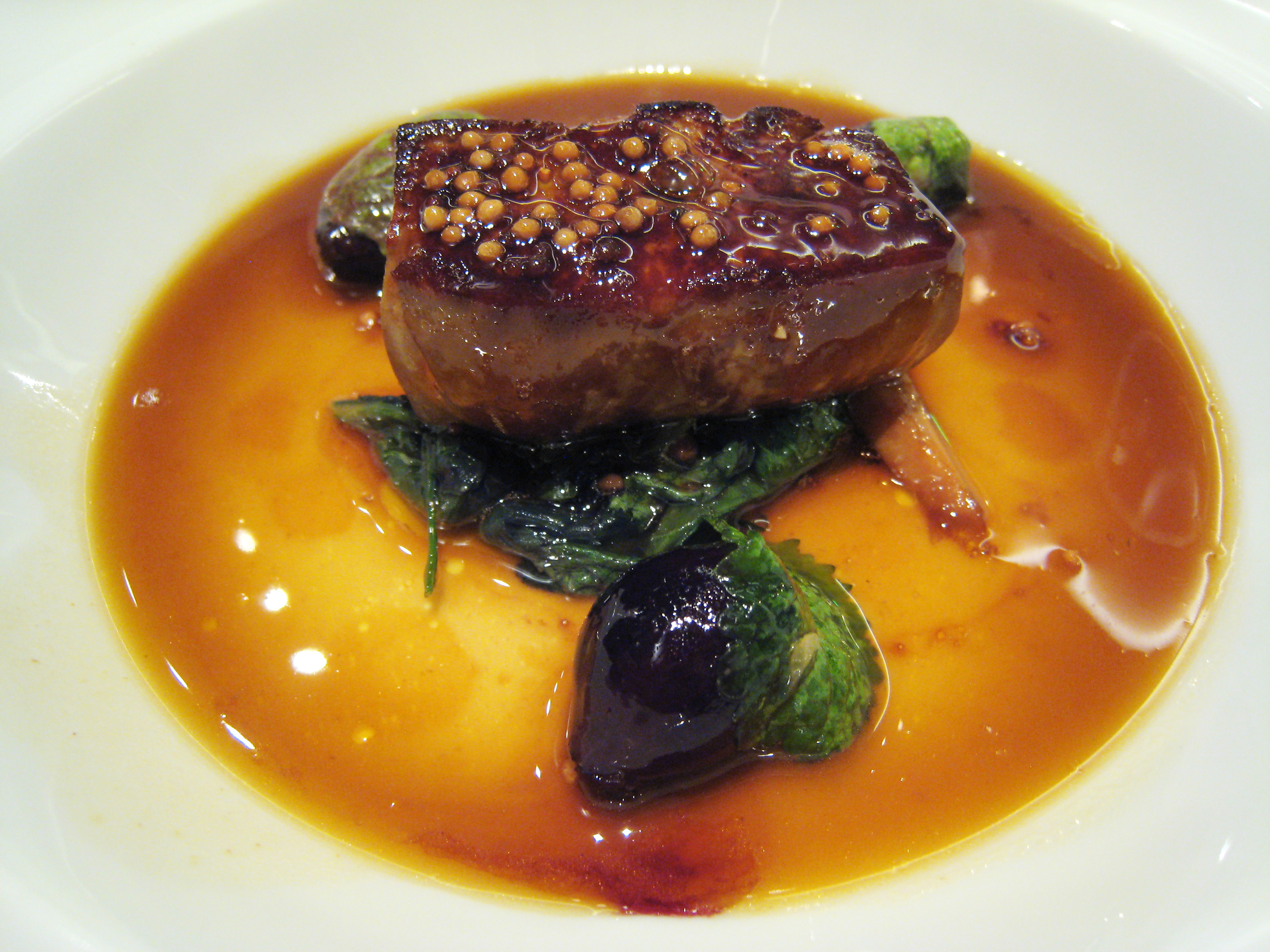
Foie gras, a specialty food product made from the liver of ducks or geese, is a delicacy in French cuisine known for its rich, buttery, and delicate flavor. With a history dating back to ancient Egypt around 2500 BC, the technique of gavage, or force-feeding, has been refined over centuries, particularly in France, which remains the largest producer and consumer of foie gras. However, the production of foie gras has been marred by controversy due to animal welfare concerns, leading to bans in several countries and debates about its ethical implications. As a result, foie gras has become a symbol of luxury and excess, with many French chefs and food critics defending its cultural significance, while others, such as animal welfare organizations, advocate for its prohibition. The market for foie gras is diverse, with producers and consumers spanning the globe, from European Union countries to the United States and China. Despite the controversy, foie gras remains a prized ingredient in haute cuisine, with many restaurants and gourmet food stores offering it as a premium product.
🎵 Origins & History
Foie gras has a rich history that dates back to ancient Egypt around 2500 BC, where the technique of gavage, or force-feeding, was first used to fatten ducks and geese for consumption. The practice was later adopted by the Romans and eventually spread throughout Europe, with France becoming the epicenter of foie gras production. Today, France is home to many renowned foie gras producers, such as Duck Foie Gras and Labeyrie, who continue to refine the traditional methods of gavage and liver preparation.
⚙️ How It's Made
The production of foie gras involves a process called gavage, where ducks or geese are force-fed a diet of corn and fat to enlarge their livers. This process can take several weeks and requires careful monitoring to ensure the birds' health and well-being. The resulting liver is then harvested and prepared for consumption, often being sold whole or processed into various products such as Mousse or Pâté. Many French restaurants, such as Le Bernardin and Per Se, offer foie gras as a luxurious ingredient in their dishes.
📊 Key Facts & Numbers
Foie gras is a significant contributor to the French economy, with the country producing over 75% of the world's total foie gras. The industry is worth millions of euros and provides employment for thousands of people. However, the production of foie gras has also been criticized for its environmental impact, with many environmental organizations, such as the World Wildlife Fund, highlighting the need for more sustainable practices. In response, some producers, like Foie Gras Farm, have started to adopt more eco-friendly methods, such as using renewable energy and reducing waste.
👥 Key People & Organizations
Many notable chefs, such as Thomas Keller and Joel Robuchon, have been vocal supporters of foie gras, citing its unique flavor and cultural significance. However, others, such as animal welfare activists, have spoken out against the practice of gavage, arguing that it is inhumane and causes unnecessary suffering to the animals. This debate has led to the formation of various animal welfare organizations, such as the Humane Society, which advocate for the ban of foie gras production.
🌍 Cultural Impact & Influence
Foie gras has had a significant impact on French culture and cuisine, with many French food critics and gourmets considering it a delicacy. The dish has been featured in numerous cookbooks and food magazines, and is often served at special occasions such as New Year's Eve and Valentine's Day. However, the cultural significance of foie gras extends beyond France, with many other countries, such as Japan and China, also appreciating its unique flavor and texture.
⚡ Current State & Latest Developments
In recent years, the production and consumption of foie gras have been affected by various factors, including changes in consumer preferences and advances in food technology. Many food companies, such as Nestle and Unilever, have started to offer alternative products, such as plant-based foie gras, which are designed to mimic the taste and texture of traditional foie gras. Additionally, some restaurants, such as Vegan Restaurant, have started to offer foie gras alternatives, such as Mushroom Foie Gras.
🤔 Controversies & Debates
The controversy surrounding foie gras has led to heated debates and protests, with many animal welfare organizations and environmental organizations calling for a ban on its production. However, others, such as French farmers and foie gras producers, argue that the practice of gavage is a traditional and culturally significant part of French heritage. The debate has also sparked a wider discussion about the ethics of food production and the treatment of animals in the food industry.
🔮 Future Outlook & Predictions
Looking to the future, it is likely that the production and consumption of foie gras will continue to evolve, with many foie gras producers and restaurants exploring new and innovative ways to prepare and serve the dish. Additionally, the development of alternative products, such as lab-grown foie gras, may offer a more sustainable and humane alternative to traditional foie gras. As the demand for foie gras continues to grow, it is likely that the industry will face increasing pressure to adopt more sustainable and ethical practices, such as those promoted by Sustainable Food Systems.
💡 Practical Applications
Foie gras is a versatile ingredient that can be used in a variety of dishes, from appetizers to main courses. Many chefs and home cooks appreciate its rich, buttery flavor and smooth texture, which can be paired with a range of ingredients, such as truffles and caviar. However, the preparation of foie gras can be challenging, requiring careful handling and cooking to achieve the desired texture and flavor. As a result, many cooking schools and culinary institutes offer courses and workshops on the preparation of foie gras, such as Le Cordon Bleu.
Key Facts
- Year
- 2500 BC
- Origin
- Ancient Egypt
- Category
- nutrition
- Type
- food-product
Frequently Asked Questions
What is foie gras?
Foie gras is a delicacy made from the liver of ducks or geese, known for its rich, buttery, and delicate flavor. It is produced through the practice of gavage, where the birds are force-fed a diet of corn and fat to enlarge their livers. The resulting liver is then harvested and prepared for consumption, often being sold whole or processed into various products such as mousse or pâté.
Is foie gras ethical?
The ethics of foie gras are debated, with many arguing that the practice of gavage is inhumane and causes unnecessary suffering to the animals. However, others argue that the practice is a traditional and culturally significant part of French heritage. The debate has sparked a wider discussion about the ethics of food production and the treatment of animals in the food industry.
How is foie gras produced?
Foie gras is produced through the practice of gavage, where ducks or geese are force-fed a diet of corn and fat to enlarge their livers. The process can take several weeks and requires careful monitoring to ensure the birds' health and well-being. The resulting liver is then harvested and prepared for consumption, often being sold whole or processed into various products such as mousse or pâté.
What are the health benefits of foie gras?
Foie gras is high in fat and calories, but it is also a rich source of protein, vitamins, and minerals. It is often served as a luxury item and is prized for its unique flavor and texture. However, the health benefits of foie gras are debated, with some arguing that it is a nutritious and healthy food option, while others argue that it is high in saturated fat and cholesterol.
Can I make foie gras at home?
Yes, it is possible to make foie gras at home, but it requires careful handling and cooking to achieve the desired texture and flavor. Many cooking schools and culinary institutes offer courses and workshops on the preparation of foie gras, and there are also many recipes available online. However, the production of foie gras is heavily regulated in some countries, and it may be necessary to obtain special permits or licenses to produce it commercially.
What is the cultural significance of foie gras?
Foie gras has a significant cultural impact, particularly in France, where it is considered a delicacy and a symbol of luxury. It is often served at special occasions, such as New Year's Eve and Valentine's Day, and is prized for its unique flavor and texture. The cultural significance of foie gras extends beyond France, with many other countries also appreciating its unique flavor and texture.
How does foie gras affect the environment?
The production of foie gras can have a significant impact on the environment, particularly in terms of the amount of feed required to produce the liver. Many environmental organizations have highlighted the need for more sustainable practices in the production of foie gras, such as using renewable energy and reducing waste. Some producers, such as Foie Gras Farm, have started to adopt more eco-friendly methods, such as using renewable energy and reducing waste.