
Contents
- 🍴 Introduction to Culinary Institutes
- 📚 History of Culinary Education
- 🎓 Types of Culinary Institutes
- 🍳 Curriculum and Specializations
- 👨🍳 Faculty and Mentorship
- 🏫 Campus Life and Facilities
- 📊 Career Opportunities and Placement
- 🌎 Global Culinary Trends and Influences
- 🤝 Industry Partnerships and Collaborations
- 📈 Future of Culinary Education
- 👩🍳 Women in Culinary Arts
- 🌟 Culinary Competitions and Awards
- Frequently Asked Questions
- Related Topics
Overview
Culinary institutes have been the backbone of the food industry, providing aspiring chefs with the skills and knowledge to succeed. From the prestigious Le Cordon Bleu, founded in 1895, to the innovative Culinary Institute of America, established in 1946, these institutions have shaped the culinary landscape. However, the rise of online cooking platforms and celebrity chef culture has sparked debates about the relevance and cost of formal culinary education. With a vibe score of 8, the culinary institute scene is abuzz with creativity and controversy. As the food industry continues to evolve, culinary institutes must adapt to changing consumer demands and technological advancements. The future of culinary education will be shaped by institutions like the International Culinary Center, which offers programs in culinary arts, pastry arts, and hospitality management. With over 100,000 students graduating from culinary programs each year, the impact of these institutes will be felt for years to come.
🍴 Introduction to Culinary Institutes
Culinary institutes have become a staple in the culinary world, providing aspiring chefs with the skills and knowledge needed to succeed in this competitive industry. Culinary arts programs at these institutes offer a unique blend of theoretical and practical training, allowing students to develop their passion for cooking into a precise craft. With the rise of food trends and food culture, the demand for skilled chefs has never been higher. Culinary schools around the world are responding to this demand by offering a wide range of programs and specializations. From baking and pastry arts to culinary management, there's a program to suit every interest and career goal.
📚 History of Culinary Education
The history of culinary education dates back to the early 19th century, when the first cooking schools were established in Europe. These schools were designed to provide training for young chefs and cooks, and were often associated with hotel and restaurant management programs. Over time, culinary education has evolved to include a wide range of specializations and programs, from culinary arts to food science. Today, culinary institutes around the world offer students the opportunity to learn from experienced chefs and instructors, and to develop their skills in state-of-the-art facilities. Culinary education has come a long way, and continues to play a vital role in shaping the culinary industry.
🎓 Types of Culinary Institutes
There are several types of culinary institutes, each with its own unique focus and approach. Vocational schools offer practical training in specific areas, such as culinary arts or baking and pastry arts. Community colleges often offer associate's degree programs in culinary arts or hospitality management. Culinary academies provide intensive training in specific areas, such as culinary techniques or food and wine pairing. University programs offer bachelor's and master's degree programs in culinary arts, food science, and related fields. Online culinary schools provide flexible training options for students who cannot attend traditional programs. Culinary training programs are also available for working professionals looking to upgrade their skills.
🍳 Curriculum and Specializations
The curriculum at culinary institutes is designed to provide students with a comprehensive education in the culinary arts. Culinary techniques are a key part of the curriculum, and students learn a wide range of skills, from knife skills to cooking methods. Menu planning and food cost control are also important areas of study, as students learn to plan and execute menus for a variety of settings. Food safety and sanitation are critical components of the curriculum, as students learn to maintain a clean and safe kitchen environment. Nutrition and dietetics are also important areas of study, as students learn to prepare healthy and balanced meals. Culinary specializations such as baking and pastry arts, culinary management, and food styling are also available.
👨🍳 Faculty and Mentorship
The faculty at culinary institutes are experienced chefs and instructors who are passionate about teaching and mentoring. Chef instructors have worked in a variety of settings, from fine dining restaurants to catering companies. Culinary arts professors have advanced degrees in culinary arts or related fields, and are experts in their areas of specialization. Mentorship programs are also available, providing students with the opportunity to work one-on-one with experienced chefs and instructors. Internship opportunities are also available, allowing students to gain practical experience in the industry. Career counseling is also provided, helping students to navigate the job market and achieve their career goals.
🏫 Campus Life and Facilities
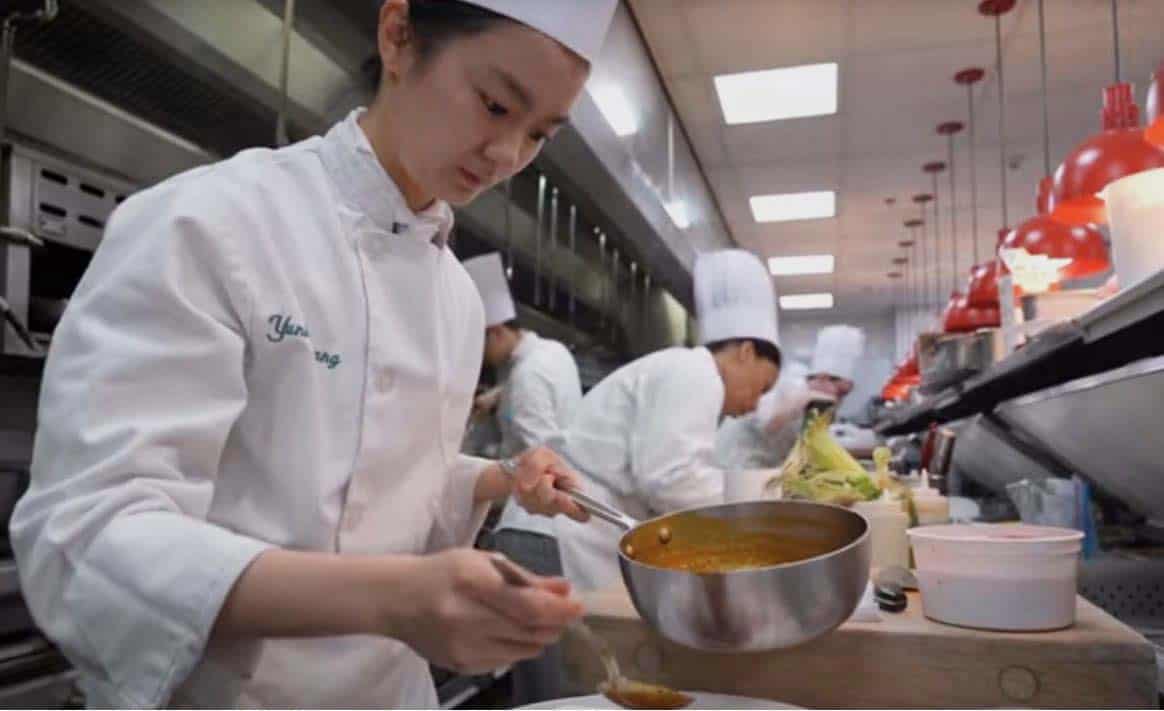
Campus life at culinary institutes is designed to provide students with a supportive and stimulating environment. State-of-the-art facilities include commercial kitchens, baking labs, and dining rooms. Student organizations such as culinary clubs and food and wine clubs provide opportunities for students to network and build relationships with their peers. Campus events such as cooking competitions and food festivals are also popular, and provide students with the opportunity to showcase their skills and creativity. Housing options are also available, providing students with a convenient and comfortable place to live while they pursue their education.
📊 Career Opportunities and Placement
Career opportunities for graduates of culinary institutes are diverse and exciting. Restaurant and foodservice management is a popular career path, as graduates can work in a variety of settings, from fine dining restaurants to catering companies. Culinary arts careers such as executive chef and sous chef are also available, as graduates can work in kitchens around the world. Food and beverage management is another popular career path, as graduates can work in hotels, resorts, and other hospitality settings. Food technology and food science are also exciting career paths, as graduates can work in research and development, quality control, and other areas.
🌎 Global Culinary Trends and Influences
Global culinary trends and influences are shaping the culinary industry in exciting ways. International cuisine is becoming increasingly popular, as chefs and restaurants incorporate flavors and ingredients from around the world into their menus. Sustainable food systems are also a growing trend, as chefs and restaurants focus on reducing their environmental impact and promoting local and seasonal ingredients. Food technology is also advancing rapidly, as new ingredients and cooking methods are developed. Culinary tourism is another growing trend, as foodies and travelers seek out new and exciting culinary experiences around the world. Food and wine pairing is also an important area of study, as chefs and sommeliers work together to create perfect pairings.
🤝 Industry Partnerships and Collaborations
Industry partnerships and collaborations are essential for culinary institutes, as they provide students with opportunities for internships, job placement, and networking. Restaurant partnerships are popular, as students can work in real-world kitchens and gain practical experience. Food companies also partner with culinary institutes, providing students with opportunities for internships and job placement. Culinary associations such as the American Culinary Federation also provide support and resources for culinary students and professionals. Food festivals and culinary competitions are also popular, as they provide opportunities for students to showcase their skills and creativity.
📈 Future of Culinary Education
The future of culinary education is exciting and rapidly evolving. Online learning is becoming increasingly popular, as students can access courses and programs from around the world. Sustainable food systems and food technology are also growing areas of focus, as chefs and restaurants seek to reduce their environmental impact and promote local and seasonal ingredients. Culinary innovation is also a key area of focus, as chefs and restaurants seek to create new and exciting dishes and menus. Food and wine pairing is also an important area of study, as chefs and sommeliers work together to create perfect pairings. Culinary tourism is another growing trend, as foodies and travelers seek out new and exciting culinary experiences around the world.
👩🍳 Women in Culinary Arts
Women in culinary arts are making a significant impact on the industry, as they bring new perspectives and ideas to the table. Female chefs such as Alice Waters and Giada De Laurentiis are role models and inspirations for young women entering the industry. Women in culinary leadership positions are also on the rise, as women take on executive chef, sous chef, and other leadership roles. Culinary scholarships are available for women, providing them with financial support and opportunities for advancement. Mentorship programs are also available, providing women with the opportunity to work with experienced chefs and instructors.
🌟 Culinary Competitions and Awards
Culinary competitions and awards are a great way for chefs and restaurants to showcase their skills and creativity. Culinary competitions such as Iron Chef and Top Chef are popular, as chefs compete against each other to create the best dishes. Food awards such as the James Beard Awards and the Michelin stars are also prestigious, as they recognize excellence in the culinary industry. Culinary festivals such as food festivals and wine festivals are also popular, as they provide opportunities for chefs and restaurants to showcase their skills and creativity.
Key Facts
- Year
- 1895
- Origin
- Paris, France
- Category
- Education, Food, Culture
- Type
- Educational Institution
Frequently Asked Questions
What is the difference between a culinary institute and a cooking school?
A culinary institute is a post-secondary educational institution that offers programs in culinary arts, while a cooking school is a vocational school that offers training in specific cooking techniques. Culinary institutes provide a comprehensive education in the culinary arts, including culinary techniques, menu planning, and food safety. Cooking schools focus on teaching specific cooking skills, such as baking and pastry arts or culinary techniques.
What are the benefits of attending a culinary institute?
Attending a culinary institute can provide students with a comprehensive education in the culinary arts, as well as hands-on training and experience in a professional kitchen. Culinary institutes also provide students with the opportunity to network with other chefs and industry professionals, and to gain access to job placement and career advancement opportunities. Culinary education can also provide students with a competitive edge in the job market, as employers often prefer to hire graduates of culinary programs.
What are the different types of culinary programs available?
There are several types of culinary programs available, including associate degree programs, bachelor degree programs, and certificate programs. Culinary arts programs focus on teaching students the fundamental skills and techniques of cooking, while culinary management programs focus on teaching students the business and management skills needed to succeed in the industry. Online culinary programs are also available, providing students with the flexibility to complete their education from anywhere.
What are the job prospects for graduates of culinary institutes?
Graduates of culinary institutes have a wide range of job prospects, including executive chef, sous chef, and restaurant manager. Culinary arts careers are also available, such as food stylist and food writer. Food technology and food science careers are also available, such as food safety specialist and quality control specialist.
How do I choose the right culinary institute for me?
Choosing the right culinary institute depends on several factors, including your career goals, budget, and personal preferences. Culinary institutes offer a wide range of programs and specializations, so it's essential to research and compare different schools to find the one that best fits your needs. Accreditation is also an important factor to consider, as it ensures that the school meets certain standards of quality and excellence. Reputation is also important, as it can impact your job prospects and career advancement opportunities.