
Contents
- 🍳 Origins & History
- 📚 How Cookbooks Work
- 📊 Key Facts & Numbers
- 👥 Key Authors & Publishers
- 🌍 Cultural Impact & Influence
- ⚡ Current State & Latest Developments
- 🤔 Controversies & Debates
- 🔮 Future Outlook & Predictions
- 💡 Practical Applications
- 📚 Related Topics & Deeper Reading
- Frequently Asked Questions
- References
- Related Topics
Overview
Cookbooks are comprehensive culinary references that contain a wide range of recipes, cooking techniques, and cultural insights, serving as essential guides for both novice and experienced cooks. With a history dating back to ancient civilizations, cookbooks have evolved to cater to diverse tastes, dietary needs, and cooking methods, from traditional cuisine to modern molecular gastronomy. According to the American Culinary Federation, cookbooks have become an integral part of the culinary industry, with many professional chefs, such as Thomas Keller and Alice Waters, authoring their own cookbooks. The rise of digital platforms, like Amazon and Epicurious, has further expanded the reach and accessibility of cookbooks, with over 100,000 titles available on Amazon alone. As of 2022, the global cookbook market was valued at $1.4 billion, with an expected growth rate of 10% per annum. With the increasing popularity of cooking shows, like MasterChef, and social media platforms, like Instagram, cookbooks continue to play a vital role in shaping culinary culture and inspiring new generations of cooks.
🍳 Origins & History
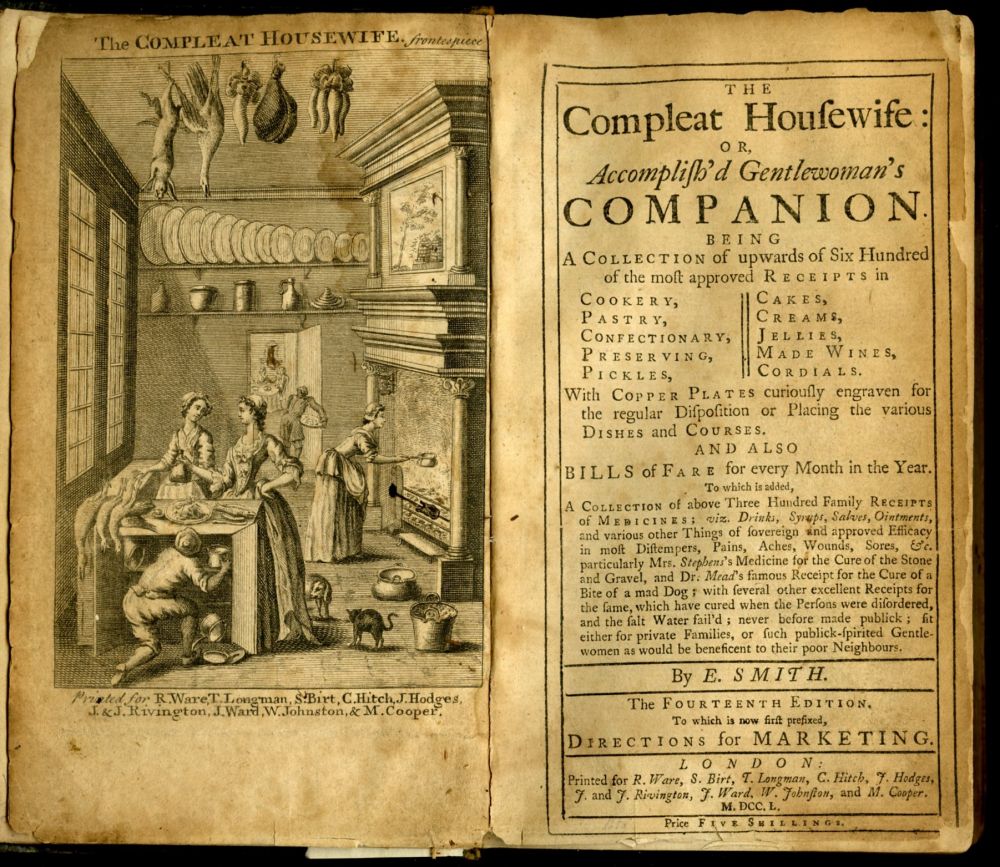
The concept of cookbooks dates back to ancient civilizations, with evidence of recipe collections found in Ancient Egypt and Ancient Greece. The first known cookbook, 'De Re Coquinaria', was written by the Roman gourmet Apicius in the late 4th or early 5th century AD. Over the centuries, cookbooks have evolved to reflect changing culinary practices, cultural exchange, and technological advancements. For instance, the introduction of the printing press in the 15th century made cookbooks more widely available, with Marco Polo's travels influencing the development of European cuisine. Today, cookbooks are available in various formats, including digital editions, and often feature stunning photography, step-by-step instructions, and personal anecdotes from renowned chefs, such as Jamie Oliver and Gordon Ramsay.
📚 How Cookbooks Work
Cookbooks typically contain a wide range of recipes, each with its own set of ingredients, instructions, and cooking techniques. Recipes may be organized by course, ingredient, cooking method, or cultural origin, making it easy for readers to find inspiration and plan meals. Many cookbooks also include additional features, such as nutritional information, meal planning tips, and kitchen essentials, as seen in The Joy of Cooking by Irma Rombauer. The rise of digital cookbooks has further enhanced the cooking experience, with features like searchable recipes, meal planning tools, and social sharing capabilities, as offered by Yummly and Allrecipes.
📊 Key Facts & Numbers
The cookbook industry is a significant market, with thousands of titles published every year. According to Publishers Weekly, cookbook sales have been steadily increasing, with a growth rate of 10% per annum. The most popular cookbook genres include baking, vegetarian and vegan, and international cuisine, with authors like Ina Garten and Mark Bittman dominating the bestseller lists. Cookbooks have also become a staple in many professional kitchens, with chefs like Thomas Keller and Daniel Boulud relying on them for inspiration and guidance. As of 2022, the global cookbook market was valued at $1.4 billion, with an expected growth rate of 10% per annum.
🌍 Cultural Impact & Influence
Cookbooks have had a profound impact on culinary culture, inspiring new generations of cooks and shaping the way we think about food. They have also played a significant role in preserving cultural heritage and promoting cross-cultural understanding, with cookbooks like The Essence of Emergency Food by Fannie Farmer and The African American Cookbook by Toni Tipton-Martin showcasing the diversity of global cuisine. Cookbooks have also become a staple in many restaurants, with chefs using them as a source of inspiration and guidance. The rise of social media platforms, like Instagram and Pinterest, has further amplified the influence of cookbooks, with many authors and publishers leveraging these platforms to promote their work and connect with readers.
⚡ Current State & Latest Developments
The current state of the cookbook industry is characterized by a shift towards digital formats, increased diversity, and a focus on sustainability. Many authors and publishers are now embracing digital platforms, like Kindle Direct Publishing and Apple Books, to reach a wider audience and provide more interactive cooking experiences. The rise of social media has also led to the emergence of new cookbook authors and influencers, like David Chang and Christina Tosi, who are using these platforms to build their brands and connect with readers. As of 2022, the global cookbook market was valued at $1.4 billion, with an expected growth rate of 10% per annum.
🤔 Controversies & Debates
Despite their popularity, cookbooks are not without controversy. Some critics argue that cookbooks perpetuate unrealistic culinary standards, promote unhealthy eating habits, and reinforce cultural stereotypes. Others argue that cookbooks are often too focused on visual presentation, neglecting the importance of flavor and technique. The debate surrounding cookbooks has also been influenced by the rise of social media, with some authors and publishers accused of prioritizing aesthetics over substance. However, many authors and publishers are now working to address these concerns, with a focus on creating more diverse, inclusive, and sustainable cookbooks that reflect the complexities of modern cuisine.
🔮 Future Outlook & Predictions
As the cookbook industry continues to evolve, it is likely that we will see even more innovative and interactive formats emerge. The rise of voice-activated cooking assistants, like Amazon Alexa and Google Assistant, is already changing the way we interact with cookbooks, with many authors and publishers developing voice-activated recipes and cooking guides. The growth of online cooking communities, like Cookpad and Allrecipes, is also providing new opportunities for authors and publishers to connect with readers and share their work. As of 2022, the global cookbook market was valued at $1.4 billion, with an expected growth rate of 10% per annum.
💡 Practical Applications
Cookbooks have a wide range of practical applications, from meal planning and grocery shopping to cooking techniques and kitchen essentials. They provide readers with the skills and confidence to experiment with new ingredients, cooking methods, and recipes, and offer a wealth of information on food safety, nutrition, and sustainability. Many cookbooks also include features like meal planning tools, grocery lists, and kitchen organization tips, making them an essential resource for home cooks and professional chefs alike. Authors like Mark Bittman and Ina Garten have become synonymous with practical, approachable cooking, and their cookbooks reflect their commitment to helping readers develop their culinary skills.
Key Facts
- Year
- 2022
- Origin
- Global
- Category
- nutrition
- Type
- concept
Frequently Asked Questions
What is a cookbook?
A cookbook is a culinary reference work that contains a collection of recipes and instructions for food preparation. Cookbooks serve as comprehensive guides that may include cooking techniques, ingredient information, nutritional data, and cultural context related to culinary practices.
What are the different types of cookbooks?
Cookbooks can be general-purpose, covering a wide range of recipes and methods, or specialized, focusing on specific cuisines, dietary restrictions, cooking methods, specific ingredients, or a target audience. They may also explore historical periods or cultural movements.
How have cookbooks evolved over time?
Cookbooks have evolved to reflect changing culinary practices, cultural exchange, and technological advancements. They have become more diverse, inclusive, and sustainable, with a focus on digital formats, social media, and interactive cooking experiences.
What is the current state of the cookbook industry?
The current state of the cookbook industry is characterized by a shift towards digital formats, increased diversity, and a focus on sustainability. Many authors and publishers are now embracing digital platforms to reach a wider audience and provide more interactive cooking experiences.
What are some of the controversies surrounding cookbooks?
Some critics argue that cookbooks perpetuate unrealistic culinary standards, promote unhealthy eating habits, and reinforce cultural stereotypes. Others argue that cookbooks are often too focused on visual presentation, neglecting the importance of flavor and technique.
How do cookbooks impact culinary culture?
Cookbooks have a profound impact on culinary culture, inspiring new generations of cooks and shaping the way we think about food. They have also played a significant role in preserving cultural heritage and promoting cross-cultural understanding.
What are some of the practical applications of cookbooks?
Cookbooks have a wide range of practical applications, from meal planning and grocery shopping to cooking techniques and kitchen essentials. They provide readers with the skills and confidence to experiment with new ingredients, cooking methods, and recipes.