
Contents
- 🎓 Origins & History
- 🍳 How It Works
- 📊 Key Facts & Numbers
- 👥 Key People & Organizations
- 🌍 Cultural Impact & Influence
- ⚡ Current State & Latest Developments
- 🤔 Controversies & Debates
- 🔮 Future Outlook & Predictions
- 💡 Practical Applications
- 📚 Related Topics & Deeper Reading
- Frequently Asked Questions
- References
- Related Topics
Overview
Cooking schools are institutions that educate students in the art and science of cooking and food preparation, offering a range of programs from amateur enthusiast courses to professional chef training. With a rich history dating back to the 19th century, cooking schools have evolved to cater to diverse needs, from culinary tourism to vocational qualifications. According to the Council on Education, there are over 600 cooking schools in the United States alone, with many more worldwide. The International Association of Culinary Professionals estimates that the global cooking school industry generates over $1 billion in revenue annually. As the culinary industry continues to grow, cooking schools play a vital role in shaping the next generation of chefs, restaurateurs, and food enthusiasts. With the rise of Food Network and cooking channels, cooking schools have become increasingly popular, with many offering online courses and certifications, such as the Culinary Institute of America's online culinary certificate program.
🎓 Origins & History
The concept of cooking schools dates back to the 19th century, with the first formal cooking school, Le Cordon Bleu, established in Paris in 1895. Since then, cooking schools have proliferated worldwide, with many institutions offering a range of programs, from certificate courses to degree programs. The French Culinary Institute in New York City, for example, offers a comprehensive culinary program that includes internships at top restaurants, such as Per Se and Eleven Madison Park.
🍳 How It Works
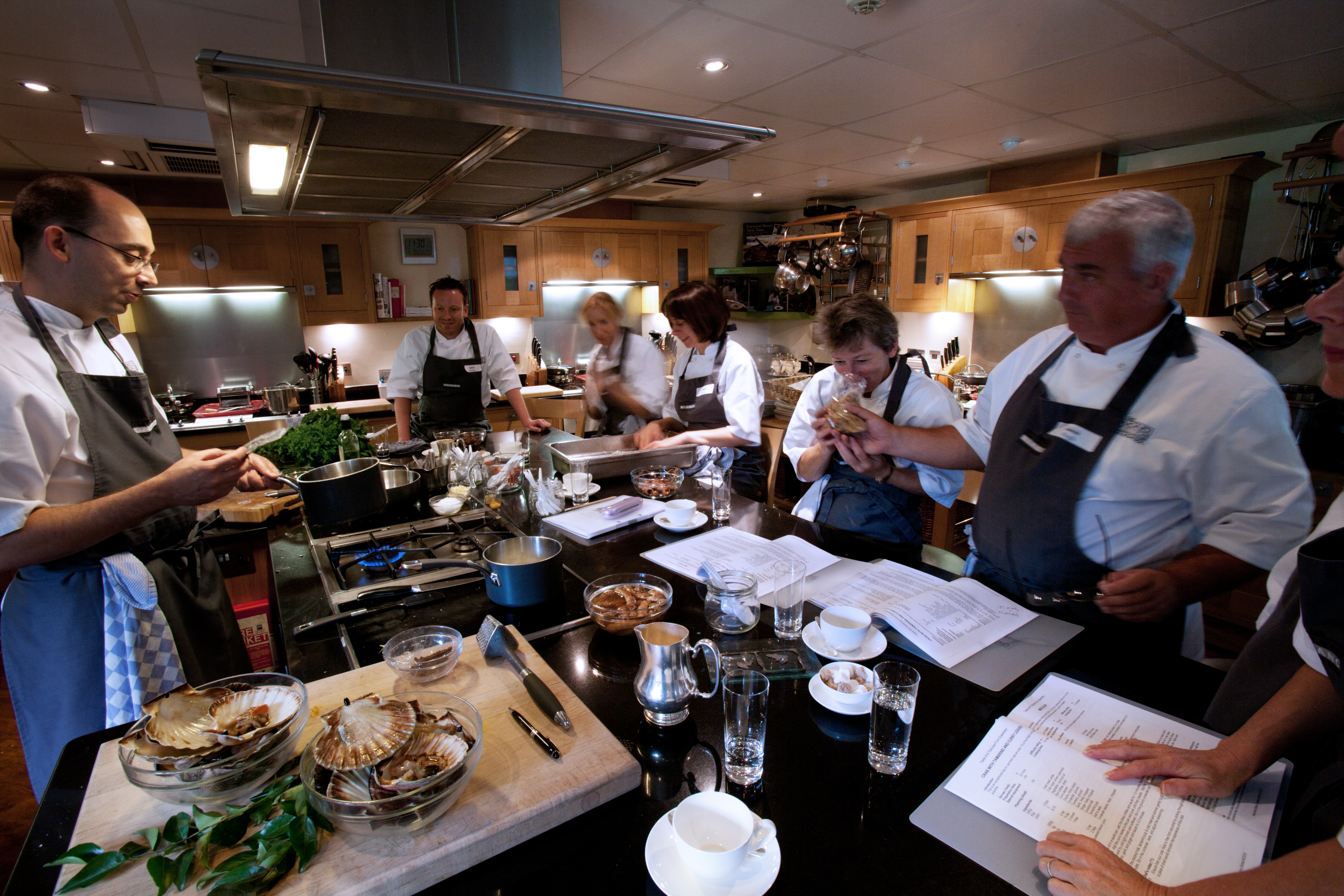
Cooking schools typically offer a combination of theoretical and practical training, with students learning about ingredients, cooking techniques, and kitchen management. Many schools have professional kitchens on site, where students can gain hands-on experience and work with experienced chefs, such as Thomas Keller and Alice Waters. Some programs also include internships or work experience in restaurants, hotels, or other food service establishments, such as The Ritz-Carlton and Marriott International.
📊 Key Facts & Numbers
According to the National Restaurant Association, the cooking school industry generates over $10 billion in revenue annually. There are over 600 cooking schools in the United States alone, with many more worldwide. The American Culinary Federation estimates that the demand for skilled chefs and cooks will increase by 10% over the next decade, with cooking schools playing a critical role in meeting this demand. The University of Culinary Arts in California, for example, offers a range of programs, including a culinary arts degree and a pastry arts certificate.
👥 Key People & Organizations
Key people in the cooking school industry include celebrity chefs, such as Jamie Oliver and Gordon Ramsay, who have founded their own cooking schools and culinary programs. Organizations, such as the International Association of Culinary Professionals and the American Culinary Federation, also play a significant role in promoting cooking schools and culinary education. The Culinary Institute of America is another prominent institution, with campuses in New York, California, and Texas.
🌍 Cultural Impact & Influence
Cooking schools have had a significant cultural impact, with many schools offering programs that combine cooking with travel and cultural immersion. The Culinary Institute of America, for example, offers a culinary tour of Italy, where students can learn about Italian cuisine and culture. Cooking schools have also contributed to the growth of the food tourism industry, with many schools offering cooking classes and workshops for tourists, such as Cooking Classes in Paris and Thai Cooking School.
⚡ Current State & Latest Developments
The current state of cooking schools is one of growth and innovation, with many schools incorporating new technologies, such as online learning platforms and virtual reality training, into their programs. The French Culinary Institute, for example, offers an online culinary program that includes virtual reality training and interactive cooking simulations. Many schools are also focusing on sustainability and social responsibility, with programs that emphasize local and organic ingredients, such as the University of Culinary Arts' sustainable cuisine program.
🤔 Controversies & Debates
Despite the many benefits of cooking schools, there are also controversies and debates surrounding the industry. Some critics argue that cooking schools are too expensive and do not provide adequate job placement services for graduates. Others argue that cooking schools prioritize technique over creativity and innovation, such as the molecular gastronomy movement. The American Culinary Federation has responded to these criticisms by implementing new standards for cooking schools, including requirements for job placement services and curriculum development.
🔮 Future Outlook & Predictions
The future of cooking schools looks bright, with many experts predicting continued growth and innovation in the industry. The National Restaurant Association estimates that the demand for skilled chefs and cooks will increase by 10% over the next decade, with cooking schools playing a critical role in meeting this demand. As the culinary industry continues to evolve, cooking schools will need to adapt and innovate to meet the changing needs of students and employers, such as the plant-based cuisine movement.
💡 Practical Applications
Cooking schools have many practical applications, from training professional chefs to teaching amateur enthusiasts how to cook healthy and delicious meals. Many schools also offer programs in food safety, nutrition, and hospitality management, such as the Hospitality Management Program at the University of Culinary Arts. Cooking schools can also provide a platform for culinary innovation and entrepreneurship, with many schools offering incubator programs and resources for food startups, such as the Food Startup Incubator at the Culinary Institute of America.
Key Facts
- Year
- 1895
- Origin
- Paris, France
- Category
- nutrition
- Type
- concept
Frequently Asked Questions
What is the history of cooking schools?
The concept of cooking schools dates back to the 19th century, with the first formal cooking school, Le Cordon Bleu, established in Paris in 1895. Since then, cooking schools have proliferated worldwide, with many institutions offering a range of programs, from certificate courses to degree programs. The French Culinary Institute in New York City, for example, offers a comprehensive culinary program that includes internships at top restaurants, such as Per Se and Eleven Madison Park.
What types of programs do cooking schools offer?
Cooking schools offer a range of programs, from amateur enthusiast courses to professional chef training. Many programs lead to an academic degree or a recognized vocational qualification, while others do not. Some programs include practical experience in the kitchen of a restaurant attached to the school or a period of work experience in a privately owned restaurant, such as The Ritz-Carlton and Marriott International.
What is the cultural impact of cooking schools?
Cooking schools have had a significant cultural impact, with many schools offering programs that combine cooking with travel and cultural immersion. The Culinary Institute of America, for example, offers a culinary tour of Italy, where students can learn about Italian cuisine and culture. Cooking schools have also contributed to the growth of the food tourism industry, with many schools offering cooking classes and workshops for tourists, such as Cooking Classes in Paris and Thai Cooking School.
What are the benefits of attending a cooking school?
The benefits of attending a cooking school include gaining practical experience in the kitchen, learning about ingredients and cooking techniques, and developing skills in kitchen management and food safety. Many cooking schools also offer job placement services and career counseling, such as the American Culinary Federation's job placement program. Additionally, cooking schools can provide a platform for culinary innovation and entrepreneurship, with many schools offering incubator programs and resources for food startups, such as the Food Startup Incubator at the Culinary Institute of America.
What are the controversies surrounding cooking schools?
Despite the many benefits of cooking schools, there are also controversies and debates surrounding the industry. Some critics argue that cooking schools are too expensive and do not provide adequate job placement services for graduates. Others argue that cooking schools prioritize technique over creativity and innovation, such as the molecular gastronomy movement. The American Culinary Federation has responded to these criticisms by implementing new standards for cooking schools, including requirements for job placement services and curriculum development.
What is the future of cooking schools?
The future of cooking schools looks bright, with many experts predicting continued growth and innovation in the industry. The National Restaurant Association estimates that the demand for skilled chefs and cooks will increase by 10% over the next decade, with cooking schools playing a critical role in meeting this demand. As the culinary industry continues to evolve, cooking schools will need to adapt and innovate to meet the changing needs of students and employers, such as the plant-based cuisine movement.
How do cooking schools contribute to culinary innovation?
Cooking schools contribute to culinary innovation by providing a platform for experimentation and creativity. Many schools offer programs in culinary innovation and entrepreneurship, such as the Culinary Innovation Program at the University of Culinary Arts. Cooking schools also provide access to state-of-the-art facilities and equipment, such as the Culinary Institute of America's culinary innovation center.
What are the key skills required for a career in cooking?
The key skills required for a career in cooking include culinary knowledge, cooking techniques, kitchen management, and food safety. Many cooking schools also emphasize the importance of creativity, innovation, and entrepreneurship, such as the Food Entrepreneurship Program at the University of Culinary Arts.
How do cooking schools promote sustainability and social responsibility?
Many cooking schools promote sustainability and social responsibility by emphasizing the use of local and organic ingredients, reducing food waste, and promoting environmentally friendly practices, such as the Sustainable Cuisine Program at the University of Culinary Arts. Cooking schools also provide training in food safety and nutrition, and many offer programs in hospitality management and restaurant management, such as the Hospitality Management Program at the University of Culinary Arts.
What are the latest trends in cooking schools?
The latest trends in cooking schools include a focus on sustainability, social responsibility, and culinary innovation. Many schools are also incorporating new technologies, such as online learning platforms and virtual reality training, into their programs, such as the Virtual Reality Cooking Program at the Culinary Institute of America.
How do cooking schools support local communities?
Many cooking schools support local communities by providing training and job placement services for local residents, such as the Local Culinary Training Program at the University of Culinary Arts. Cooking schools also contribute to the local economy by sourcing ingredients from local farmers and suppliers, such as the Local Farmers Market.
What are the benefits of online cooking classes?
The benefits of online cooking classes include flexibility, convenience, and accessibility. Many online cooking classes also offer interactive features, such as live chats and video conferencing, which allow students to interact with instructors and peers, such as the Online Culinary Program at the Culinary Institute of America.
How do cooking schools measure student success?
Cooking schools measure student success through a variety of metrics, including graduation rates, job placement rates, and student satisfaction surveys, such as the Student Satisfaction Survey at the University of Culinary Arts. Many schools also track alumni success and provide ongoing support and resources to graduates, such as the Alumni Network at the Culinary Institute of America.
What are the most popular cooking schools in the world?
The most popular cooking schools in the world include Le Cordon Bleu, the Culinary Institute of America, and the French Culinary Institute, such as the French Culinary Institute in New York City. These schools are known for their high-quality programs, experienced instructors, and strong industry connections, such as the Culinary Institute of America's culinary innovation center.