
Contents
- 🏋️♀️ Introduction to Exercise Physics
- 📊 The Biomechanics of Movement
- 🔍 The Physiology of Exercise
- 🏃♂️ The Science of Running
- 🚴♀️ The Physics of Cycling
- 🏊♂️ The Biomechanics of Swimming
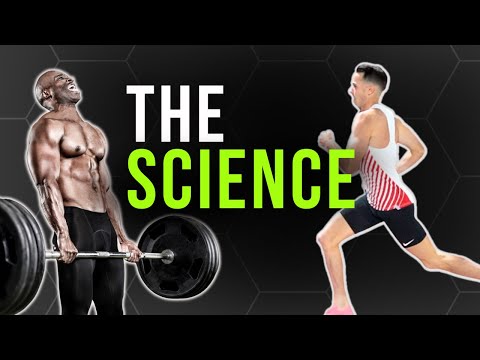
- 🤸♀️ The Science of Strength Training
- 🧘♂️ The Physics of Flexibility and Stretching
- 📈 The Science of Exercise Progression
- 👥 The Role of Technology in Exercise Physics
- 📊 The Economics of Exercise and Fitness
- Frequently Asked Questions
- Related Topics
Overview
Exercise physics is a multidisciplinary field that applies the principles of physics, biomechanics, and physiology to understand human movement and optimize physical performance. By analyzing the forces, motions, and energies involved in various exercises, researchers and athletes can identify the most effective techniques and training methods. For example, studies have shown that the optimal angle of attack for a sprinter is between 20-30 degrees, resulting in a 10-15% increase in speed. Additionally, the concept of ground reaction force (GRF) is crucial in understanding the mechanics of jumping and landing, with a single misstep resulting in a 300-400% increase in GRF. The work of physicists like Isaac Newton and scientists like Archibald Hill has laid the foundation for modern exercise physics, with ongoing research exploring the applications of machine learning, computer simulations, and wearable technology to further enhance our understanding of human movement. As the field continues to evolve, we can expect to see significant advancements in injury prevention, rehabilitation, and performance optimization. With the global fitness industry projected to reach $1.1 trillion by 2027, the importance of exercise physics will only continue to grow, with potential breakthroughs in fields like exoskeleton development and personalized medicine.
🏋️♀️ Introduction to Exercise Physics
The physics of exercise is a complex and multifaceted field that seeks to understand the underlying mechanisms of human movement and physical activity. By applying the principles of Physics and Biomechanics to the study of exercise, researchers and practitioners can gain a deeper understanding of how to optimize physical performance and reduce the risk of injury. For example, the concept of Mechanical Advantage is crucial in understanding how to maximize power output during exercises like weightlifting. Additionally, the study of Exercise Physiology is essential in understanding how the body responds to physical activity, including the role of Cardiovascular System and Muscular System.
📊 The Biomechanics of Movement
The biomechanics of movement is a critical aspect of exercise physics, as it seeks to understand the underlying mechanical principles that govern human movement. By analyzing the Kinematics and Kinetics of movement, researchers can identify the key factors that influence physical performance, such as Force Production and Power Output. For instance, the study of Gait Analysis is essential in understanding how to optimize running technique and reduce the risk of injury. Furthermore, the concept of Momentum is crucial in understanding how to generate speed and power during activities like cycling. The work of Isaac Newton on the laws of motion is also fundamental to understanding the biomechanics of movement.
🔍 The Physiology of Exercise
The physiology of exercise is another critical aspect of exercise physics, as it seeks to understand how the body responds to physical activity. By studying the Physiological Responses to exercise, such as changes in Heart Rate and Blood Pressure, researchers can gain a deeper understanding of how to optimize physical performance and reduce the risk of injury. For example, the concept of Aerobic Capacity is essential in understanding how to improve cardiovascular fitness. Additionally, the study of Muscle Physiology is crucial in understanding how to optimize strength and power output during exercises like weightlifting. The work of Archibald Hill on the physiology of muscle contraction is also fundamental to understanding the physiology of exercise.
🏃♂️ The Science of Running
The science of running is a complex and multifaceted field that seeks to understand the underlying mechanisms of human locomotion. By applying the principles of Biomechanics and Physics to the study of running, researchers can gain a deeper understanding of how to optimize physical performance and reduce the risk of injury. For example, the concept of Ground Reaction Force is crucial in understanding how to generate speed and power during running. Additionally, the study of Running Technique is essential in understanding how to optimize running efficiency and reduce the risk of injury. The work of Peter Weyand on the biomechanics of running is also fundamental to understanding the science of running.
🚴♀️ The Physics of Cycling
The physics of cycling is a critical aspect of exercise physics, as it seeks to understand the underlying mechanical principles that govern cycling performance. By analyzing the Kinematics and Kinetics of cycling, researchers can identify the key factors that influence physical performance, such as Power Output and Efficiency. For instance, the study of Aerodynamics is essential in understanding how to optimize cycling performance and reduce air resistance. Furthermore, the concept of Mechanical Advantage is crucial in understanding how to maximize power output during cycling. The work of Greg LeMond on the physics of cycling is also fundamental to understanding the physics of cycling.
🏊♂️ The Biomechanics of Swimming
The biomechanics of swimming is a complex and multifaceted field that seeks to understand the underlying mechanisms of human movement in water. By applying the principles of Biomechanics and Physics to the study of swimming, researchers can gain a deeper understanding of how to optimize physical performance and reduce the risk of injury. For example, the concept of Drag is crucial in understanding how to generate speed and power during swimming. Additionally, the study of Swimming Technique is essential in understanding how to optimize swimming efficiency and reduce the risk of injury. The work of James Counsilman on the biomechanics of swimming is also fundamental to understanding the biomechanics of swimming.
🤸♀️ The Science of Strength Training
The science of strength training is a critical aspect of exercise physics, as it seeks to understand the underlying mechanical principles that govern strength development. By analyzing the Kinematics and Kinetics of strength training, researchers can identify the key factors that influence physical performance, such as Force Production and Power Output. For instance, the study of Muscle Physiology is essential in understanding how to optimize strength and power output during exercises like weightlifting. Furthermore, the concept of Progressive Overload is crucial in understanding how to generate continuous gains in strength and power. The work of Arthur Saxon on the science of strength training is also fundamental to understanding the science of strength training.
🧘♂️ The Physics of Flexibility and Stretching
The physics of flexibility and stretching is a complex and multifaceted field that seeks to understand the underlying mechanisms of human movement and flexibility. By applying the principles of Biomechanics and Physics to the study of flexibility and stretching, researchers can gain a deeper understanding of how to optimize physical performance and reduce the risk of injury. For example, the concept of Viscoelasticity is crucial in understanding how to generate flexibility and range of motion during stretching exercises. Additionally, the study of Flexibility Training is essential in understanding how to optimize flexibility and reduce the risk of injury. The work of Katherine Flegal on the physics of flexibility and stretching is also fundamental to understanding the physics of flexibility and stretching.
📈 The Science of Exercise Progression
The science of exercise progression is a critical aspect of exercise physics, as it seeks to understand the underlying mechanical principles that govern exercise progression. By analyzing the Kinematics and Kinetics of exercise progression, researchers can identify the key factors that influence physical performance, such as Periodization and Progressive Overload. For instance, the study of Training Principles is essential in understanding how to optimize exercise progression and reduce the risk of injury. Furthermore, the concept of Recovery is crucial in understanding how to generate continuous gains in physical performance. The work of Hans Selye on the science of exercise progression is also fundamental to understanding the science of exercise progression.
👥 The Role of Technology in Exercise Physics
The role of technology in exercise physics is a rapidly evolving field that seeks to understand the underlying mechanisms of human movement and physical activity. By applying the principles of Biomechanics and Physics to the study of exercise technology, researchers can gain a deeper understanding of how to optimize physical performance and reduce the risk of injury. For example, the concept of Wearable Technology is crucial in understanding how to monitor and track physical activity. Additionally, the study of Virtual Reality is essential in understanding how to optimize exercise experience and engagement. The work of John Underwood on the role of technology in exercise physics is also fundamental to understanding the role of technology in exercise physics.
📊 The Economics of Exercise and Fitness
The economics of exercise and fitness is a complex and multifaceted field that seeks to understand the underlying economic principles that govern the exercise industry. By analyzing the Economics of exercise and fitness, researchers can identify the key factors that influence physical activity, such as Cost and Access. For instance, the study of Health Economics is essential in understanding how to optimize exercise and fitness programs and reduce healthcare costs. Furthermore, the concept of Return on Investment is crucial in understanding how to generate economic benefits from exercise and fitness programs. The work of Robert Fogel on the economics of exercise and fitness is also fundamental to understanding the economics of exercise and fitness.
Key Facts
- Year
- 2023
- Origin
- Ancient Greece, with contributions from scientists like Galen and Aristotle
- Category
- Sports Science
- Type
- Scientific Concept
Frequently Asked Questions
What is the physics of exercise?
The physics of exercise is a complex and multifaceted field that seeks to understand the underlying mechanisms of human movement and physical activity. By applying the principles of Physics and Biomechanics to the study of exercise, researchers and practitioners can gain a deeper understanding of how to optimize physical performance and reduce the risk of injury. The physics of exercise involves the study of Kinematics, Kinetics, and Mechanics of human movement, as well as the Physiological Responses to exercise.
What is the importance of biomechanics in exercise physics?
Biomechanics is a critical aspect of exercise physics, as it seeks to understand the underlying mechanical principles that govern human movement. By analyzing the Kinematics and Kinetics of movement, researchers can identify the key factors that influence physical performance, such as Force Production and Power Output. The study of biomechanics is essential in understanding how to optimize physical performance and reduce the risk of injury.
What is the role of technology in exercise physics?
The role of technology in exercise physics is a rapidly evolving field that seeks to understand the underlying mechanisms of human movement and physical activity. By applying the principles of Biomechanics and Physics to the study of exercise technology, researchers can gain a deeper understanding of how to optimize physical performance and reduce the risk of injury. The use of Wearable Technology and Virtual Reality is becoming increasingly popular in the exercise industry, and is essential in understanding how to monitor and track physical activity.
What is the economics of exercise and fitness?
The economics of exercise and fitness is a complex and multifaceted field that seeks to understand the underlying economic principles that govern the exercise industry. By analyzing the Economics of exercise and fitness, researchers can identify the key factors that influence physical activity, such as Cost and Access. The study of Health Economics is essential in understanding how to optimize exercise and fitness programs and reduce healthcare costs.
What is the importance of exercise progression in exercise physics?
Exercise progression is a critical aspect of exercise physics, as it seeks to understand the underlying mechanical principles that govern exercise progression. By analyzing the Kinematics and Kinetics of exercise progression, researchers can identify the key factors that influence physical performance, such as Periodization and Progressive Overload. The study of exercise progression is essential in understanding how to optimize physical performance and reduce the risk of injury.
What is the role of physiology in exercise physics?
Physiology is a critical aspect of exercise physics, as it seeks to understand the underlying physiological principles that govern human movement and physical activity. By studying the Physiological Responses to exercise, such as changes in Heart Rate and Blood Pressure, researchers can gain a deeper understanding of how to optimize physical performance and reduce the risk of injury. The study of Exercise Physiology is essential in understanding how to optimize physical performance and reduce the risk of injury.
What is the importance of flexibility and stretching in exercise physics?
Flexibility and stretching are critical aspects of exercise physics, as they seek to understand the underlying mechanical principles that govern human movement and flexibility. By applying the principles of Biomechanics and Physics to the study of flexibility and stretching, researchers can gain a deeper understanding of how to optimize physical performance and reduce the risk of injury. The study of Flexibility Training is essential in understanding how to optimize flexibility and reduce the risk of injury.