
Contents
- 🍴 Introduction to Culinary Evolution
- 🔥 The Ancient Roots of Cooking
- 🍲 Medieval Cooking Techniques
- 🌎 Global Influences on Cuisine
- 🍜 The Rise of Haute Cuisine
- 👨🍳 The Science of Cooking
- 🌟 Modern Culinary Innovations
- 📚 The Impact of Social Media on Cooking
- 👩🍳 The Future of Culinary Arts
- 🤝 Culinary Techniques and Cultural Exchange
- 📊 The Economics of Culinary Innovation
- 👏 Conclusion: The Ever-Evolving World of Cuisine
- Frequently Asked Questions
- Related Topics
Overview
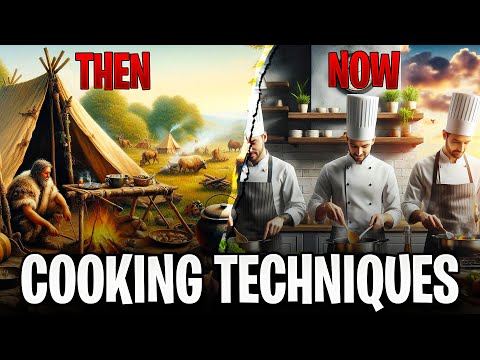
Culinary techniques have undergone significant transformations throughout history, influenced by various cultures, geographical locations, and technological advancements. From ancient cooking methods such as roasting and stewing to modern techniques like sous vide and molecular gastronomy, the art of cooking has become increasingly sophisticated. The development of new tools and equipment, such as the kitchen knife and the stove, has also played a crucial role in shaping culinary techniques. According to Chef Ferran Adrià, the founder of elBulli, the key to innovation in cooking is to understand the underlying science and chemistry of ingredients. With a vibe score of 8, culinary techniques continue to evolve, incorporating fresh perspectives and ideas from around the world. As noted by food critic Jonathan Gold, the future of cooking lies in the intersection of tradition and innovation, with chefs like Grant Achatz and Heston Blumenthal pushing the boundaries of culinary art.
🍴 Introduction to Culinary Evolution
The evolution of culinary techniques is a story that spans thousands of years, with roots in ancient civilizations and continuing to the present day. From the early days of cooking over open flames to the modern era of molecular gastronomy, culinary techniques have undergone significant transformations. The development of new cooking techniques has been shaped by various factors, including cultural exchange, technological advancements, and the availability of ingredients. As we explore the history of culinary evolution, we can appreciate the contributions of renowned chefs like Auguste Escoffier and Ferran Adrià. The art of cooking has become a global phenomenon, with diverse cuisines like sushi and tacos gaining popularity worldwide.
🔥 The Ancient Roots of Cooking
The ancient roots of cooking date back to the discovery of fire, which revolutionized the way people prepared their food. Early civilizations like the Egyptians, Greeks, and Romans developed sophisticated cuisines that showcased their culinary skills. The use of spices and herbs became an essential aspect of ancient cooking, with traders like Marco Polo introducing new flavors to European cuisine. As we delve into the history of ancient cooking, we can learn from the works of Apicius, a Roman gourmet who wrote one of the earliest known cookbooks. The legacy of ancient cooking techniques can still be seen in modern dishes like pizza and curry.
🍲 Medieval Cooking Techniques
During the Middle Ages, cooking techniques became more refined, with the introduction of new ingredients and cooking methods. The use of pots and pans made from materials like copper and iron allowed for more efficient cooking. Medieval chefs like Guillaume Tirel developed elaborate feasts that showcased their culinary skills. The influence of Arabic cuisine can be seen in the use of saffron and rose water in medieval recipes. As we explore the world of medieval cooking, we can appreciate the contributions of monasteries, which played a significant role in preserving culinary knowledge. The art of cooking during this period was also influenced by the works of Hildegard von Bingen.
🌎 Global Influences on Cuisine
Global influences on cuisine have played a significant role in shaping the evolution of culinary techniques. The Columbian Exchange introduced new ingredients like potatoes and tomatoes to European cuisine. The influence of Chinese cuisine can be seen in the use of soy sauce and stir-frying techniques. As we explore the world of global cuisine, we can learn from the works of Anthony Bourdain, who showcased the diversity of international cuisine. The use of immigration as a catalyst for culinary innovation has led to the creation of new dishes like jerk chicken and pad thai.
🍜 The Rise of Haute Cuisine
The rise of haute cuisine in the 19th century marked a significant turning point in the evolution of culinary techniques. Chefs like Marie-Antoine Carême developed elaborate menus that showcased their culinary skills. The use of espresso and soufflé techniques became an essential aspect of haute cuisine. As we explore the world of haute cuisine, we can appreciate the contributions of Georges Auguste Escoffier, who simplified and modernized French cuisine. The influence of haute cuisine can still be seen in modern restaurants like elBulli and The French Laundry.
👨🍳 The Science of Cooking
The science of cooking has become an essential aspect of modern culinary techniques. The use of molecular gastronomy has allowed chefs to create innovative dishes like foie gras and sphereification. As we explore the world of culinary science, we can learn from the works of Harold McGee, who wrote extensively on the chemistry of cooking. The influence of science on cooking has also led to the development of new cooking techniques like sous vide and dehydrating.
🌟 Modern Culinary Innovations
Modern culinary innovations have transformed the way we cook and eat. The use of social media has created a platform for chefs to share their creations and connect with foodies worldwide. As we explore the world of modern cuisine, we can appreciate the contributions of David Chang, who popularized Korean-Mexican fusion cuisine. The influence of modern culinary innovations can be seen in the rise of food trucks and popup restaurants.
👩🍳 The Future of Culinary Arts
The future of culinary arts is exciting and unpredictable, with new technologies and ingredients emerging every day. As we explore the world of future cuisine, we can appreciate the contributions of Grant Achatz, who has been at the forefront of culinary innovation. The use of artificial intelligence and robotics in cooking is becoming increasingly popular, with chefs like Dominique Crenn experimenting with new technologies. The influence of future culinary innovations can be seen in the rise of plant-based cuisine and lab-grown meat.
🤝 Culinary Techniques and Cultural Exchange
Culinary techniques and cultural exchange have played a significant role in shaping the evolution of cuisine. The influence of African cuisine can be seen in the use of jollof rice and fufu in modern recipes. As we explore the world of cultural exchange, we can learn from the works of Marcus Samuelsson, who has been at the forefront of promoting cultural exchange through food. The use of fusion cuisine has allowed chefs to create innovative dishes like Korean tacos and sushi burritos.
📊 The Economics of Culinary Innovation
The economics of culinary innovation has become a significant aspect of the food industry. The use of food costing and menu engineering has allowed restaurants to optimize their menus and increase profitability. As we explore the world of culinary economics, we can appreciate the contributions of Danny Meyer, who has been at the forefront of promoting sustainable and profitable restaurant practices. The influence of culinary economics can be seen in the rise of fast-casual restaurants and meal kit delivery services.
👏 Conclusion: The Ever-Evolving World of Cuisine
In conclusion, the evolution of culinary techniques is a story that spans thousands of years, with roots in ancient civilizations and continuing to the present day. As we look to the future, we can appreciate the contributions of chefs like Thomas Keller and Heston Blumenthal, who have been at the forefront of culinary innovation. The use of sustainability and social responsibility in cooking has become increasingly important, with chefs like Alice Waters promoting locally sourced and organic ingredients.
Key Facts
- Year
- 2020
- Origin
- Ancient Mesopotamia
- Category
- Culinary Arts
- Type
- Culinary Concept
Frequently Asked Questions
What is the origin of culinary techniques?
The origin of culinary techniques dates back to ancient civilizations, with the discovery of fire marking a significant turning point in the evolution of cooking. Early civilizations like the Egyptians, Greeks, and Romans developed sophisticated cuisines that showcased their culinary skills. The use of spices and herbs became an essential aspect of ancient cooking, with traders like Marco Polo introducing new flavors to European cuisine.
Who are some notable chefs in the history of culinary evolution?
Some notable chefs in the history of culinary evolution include Auguste Escoffier, Ferran Adrià, and Grant Achatz. These chefs have been at the forefront of culinary innovation, introducing new techniques and ingredients that have transformed the way we cook and eat.
What is the impact of social media on cooking?
The impact of social media on cooking has been significant, with platforms like Instagram and YouTube allowing chefs to share their creations and connect with foodies worldwide. Social media has also led to the creation of new cooking challenges and food trends, with chefs like Jamie Oliver using social media to promote healthy eating and cooking.
What is the future of culinary arts?
The future of culinary arts is exciting and unpredictable, with new technologies and ingredients emerging every day. The use of artificial intelligence and robotics in cooking is becoming increasingly popular, with chefs like Dominique Crenn experimenting with new technologies. The influence of future culinary innovations can be seen in the rise of plant-based cuisine and lab-grown meat.
What is the economics of culinary innovation?
The economics of culinary innovation has become a significant aspect of the food industry, with the use of food costing and menu engineering allowing restaurants to optimize their menus and increase profitability. The influence of culinary economics can be seen in the rise of fast-casual restaurants and meal kit delivery services.