
Contents
- 🌐 Introduction to Sphereification
- 🧬 The Science Behind Sphereification
- 🍴 Applications in Modern Cuisine
- 🌿 Spherification in Nature
- 🎯 The Role of Sodium Alginate
- 📦 Equipment and Techniques
- 👨🍳 Chef Ferran Adrià and the El Bulli Connection
- 🚀 Future of Sphereification
- 🤝 Controversies and Debates
- 📊 Measuring Success: Vibe Scores and Cultural Impact
- 📚 Conclusion and Further Reading
- Frequently Asked Questions
- Related Topics
Overview
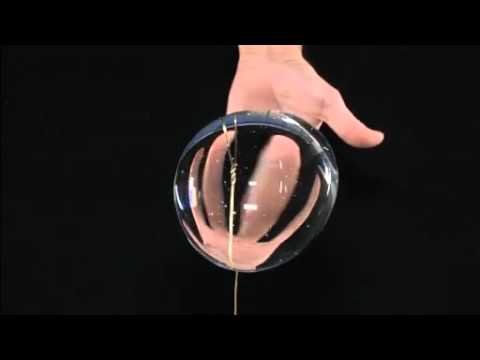
Sphereification is a revolutionary culinary technique that transforms liquids into bite-sized, bouncy spheres, popularized by chef Ferran Adrià in the early 2000s. This process involves the use of sodium alginate and calcium chloride to create a membrane around a liquid, resulting in a unique and fascinating food experience. With a vibe rating of 8, sphereification has gained significant attention in the culinary world, particularly among molecular gastronomists. The technique has been used to create innovative dishes, such as sphereified ravioli and caviar, and has inspired a new wave of chefs to experiment with its possibilities. However, sphereification also raises questions about the role of science in cooking and the potential for over-reliance on technology in the kitchen. As the technique continues to evolve, it will be interesting to see how it influences the future of food and culinary innovation, with potential applications in areas such as food sustainability and accessibility.
🌐 Introduction to Sphereification
Sphereification, the process of creating liquid spheres, has been a topic of interest in the food science community for decades. This phenomenon is achieved through the use of sodium alginate and calcium chloride. The concept of sphereification has been explored by chefs and scientists alike, including Ferran Adrià, who has been a pioneer in this field. The application of sphereification in modern cuisine has been significant, with many restaurants incorporating this technique into their menus. For more information on the science behind sphereification, visit food science articles. The use of sphereification has also been seen in molecular gastronomy, which is a subdiscipline of food science.
🧬 The Science Behind Sphereification
The science behind sphereification is based on the principles of emulsification and gelification. When a liquid containing sodium alginate is dropped into a bath of calcium chloride, the calcium ions react with the alginate to form a thin, flexible membrane around the liquid, creating a sphere. This process is also related to colloid science, which studies the behavior of particles in a medium. To learn more about the chemistry behind sphereification, refer to chemistry resources. The understanding of sphereification has been influenced by the work of scientists such as Hervé This, who has written extensively on the subject. Additionally, the study of physics plays a crucial role in understanding the behavior of liquids and the formation of spheres.
🍴 Applications in Modern Cuisine
The application of sphereification in modern cuisine has been significant, with many restaurants incorporating this technique into their menus. Chefs such as Grant Achatz and Joan Roca have used sphereification to create unique and innovative dishes. The use of sphereification has also been seen in food technology, which involves the application of scientific principles to the production and processing of food. For more information on the application of sphereification in cuisine, visit cuisine articles. The technique of sphereification has been influenced by the work of chefs such as Thomas Keller, who has written extensively on the subject. Furthermore, the study of nutrition is essential in understanding the impact of sphereification on the nutritional value of food.
🌿 Spherification in Nature
Sphereification is not unique to the culinary world; it also occurs in nature. For example, certain types of algae can form spheres in response to changes in their environment. The study of sphereification in nature has been influenced by the work of scientists such as E.O. Wilson, who has written extensively on the subject. To learn more about the natural occurrence of sphereification, refer to biology resources. The understanding of sphereification in nature has been influenced by the study of ecology, which examines the relationships between organisms and their environment. Additionally, the study of botany plays a crucial role in understanding the behavior of plants and the formation of spheres in nature.
🎯 The Role of Sodium Alginate
The role of sodium alginate in sphereification is crucial, as it provides the necessary properties for the formation of a sphere. Sodium alginate is a naturally occurring polymer that is derived from brown algae. The use of sodium alginate has been influenced by the work of scientists such as Marcelin Berthelot, who has written extensively on the subject. For more information on the properties of sodium alginate, visit chemistry articles. The understanding of sodium alginate has been influenced by the study of biochemistry, which examines the chemical processes that occur within living organisms. Furthermore, the study of materials science plays a crucial role in understanding the properties of sodium alginate and its applications.
📦 Equipment and Techniques
The equipment and techniques used in sphereification can vary depending on the specific application. In the culinary world, chefs often use a syringe to drop the sodium alginate solution into the calcium chloride bath. The use of sphereification equipment has been influenced by the work of chefs such as Ferran Adrià, who has written extensively on the subject. To learn more about the equipment and techniques used in sphereification, refer to food technology resources. The understanding of sphereification equipment has been influenced by the study of engineering, which involves the application of scientific principles to the design and development of equipment. Additionally, the study of manufacturing plays a crucial role in understanding the production of sphereification equipment.
👨🍳 Chef Ferran Adrià and the El Bulli Connection
Chef Ferran Adrià and his restaurant El Bulli have been instrumental in popularizing the technique of sphereification. Adrià's work has been influenced by the study of molecular gastronomy, which is a subdiscipline of food science. For more information on the work of Ferran Adrià, visit Ferran Adrià articles. The understanding of Adrià's work has been influenced by the study of culinary arts, which involves the application of artistic principles to the preparation and presentation of food. Furthermore, the study of restaurant management plays a crucial role in understanding the business side of the culinary world.
🚀 Future of Sphereification
The future of sphereification is exciting, with many potential applications in the culinary and scientific worlds. The use of sphereification has been influenced by the work of scientists such as Hervé This, who has written extensively on the subject. To learn more about the future of sphereification, refer to food science resources. The understanding of the future of sphereification has been influenced by the study of futures studies, which examines the potential trends and developments in a particular field. Additionally, the study of innovation plays a crucial role in understanding the potential applications of sphereification.
🤝 Controversies and Debates
Despite its popularity, sphereification is not without controversy. Some critics argue that the technique is overly reliant on sodium alginate and calcium chloride, which can be expensive and difficult to work with. The debate surrounding sphereification has been influenced by the work of chefs such as Thomas Keller, who has written extensively on the subject. For more information on the controversy surrounding sphereification, visit food politics articles. The understanding of the controversy has been influenced by the study of sociology, which examines the relationships between individuals and groups in society. Furthermore, the study of economics plays a crucial role in understanding the economic implications of sphereification.
📊 Measuring Success: Vibe Scores and Cultural Impact
The success of sphereification can be measured using vibe scores, which provide a cultural energy measurement of a particular topic. The vibe score of sphereification has been influenced by the work of chefs such as Ferran Adrià, who has written extensively on the subject. To learn more about the vibe score of sphereification, refer to vibe scores resources. The understanding of the vibe score has been influenced by the study of cultural studies, which examines the cultural significance of a particular topic. Additionally, the study of marketing plays a crucial role in understanding the cultural impact of sphereification.
📚 Conclusion and Further Reading
In conclusion, sphereification is a fascinating topic that has captured the attention of chefs, scientists, and food enthusiasts around the world. The study of sphereification has been influenced by the work of scientists such as Hervé This, who has written extensively on the subject. For more information on sphereification, visit food science articles. The understanding of sphereification has been influenced by the study of chemistry, which examines the chemical processes that occur in the formation of spheres. Furthermore, the study of physics plays a crucial role in understanding the behavior of liquids and the formation of spheres.
Key Facts
- Year
- 2003
- Origin
- El Bulli, Spain
- Category
- Food Science
- Type
- Culinary Technique
Frequently Asked Questions
What is sphereification?
Sphereification is the process of creating liquid spheres through the use of sodium alginate and calcium chloride. This phenomenon is achieved through the reaction of the calcium ions with the alginate to form a thin, flexible membrane around the liquid, creating a sphere. The study of sphereification has been influenced by the work of scientists such as Hervé This, who has written extensively on the subject. For more information on sphereification, visit food science articles.
What are the applications of sphereification?
The applications of sphereification are diverse, ranging from the culinary world to the scientific community. Chefs such as Grant Achatz and Joan Roca have used sphereification to create unique and innovative dishes. The use of sphereification has also been seen in food technology, which involves the application of scientific principles to the production and processing of food. To learn more about the applications of sphereification, refer to cuisine resources.
What is the role of sodium alginate in sphereification?
The role of sodium alginate in sphereification is crucial, as it provides the necessary properties for the formation of a sphere. Sodium alginate is a naturally occurring polymer that is derived from brown algae. The use of sodium alginate has been influenced by the work of scientists such as Marcelin Berthelot, who has written extensively on the subject. For more information on the properties of sodium alginate, visit chemistry articles.
What are the potential future applications of sphereification?
The potential future applications of sphereification are exciting, with many possibilities in the culinary and scientific worlds. The use of sphereification has been influenced by the work of scientists such as Hervé This, who has written extensively on the subject. To learn more about the future of sphereification, refer to food science resources. The understanding of the future of sphereification has been influenced by the study of futures studies, which examines the potential trends and developments in a particular field.
What are the controversies surrounding sphereification?
Despite its popularity, sphereification is not without controversy. Some critics argue that the technique is overly reliant on sodium alginate and calcium chloride, which can be expensive and difficult to work with. The debate surrounding sphereification has been influenced by the work of chefs such as Thomas Keller, who has written extensively on the subject. For more information on the controversy surrounding sphereification, visit food politics articles.
How can the success of sphereification be measured?
The success of sphereification can be measured using vibe scores, which provide a cultural energy measurement of a particular topic. The vibe score of sphereification has been influenced by the work of chefs such as Ferran Adrià, who has written extensively on the subject. To learn more about the vibe score of sphereification, refer to vibe scores resources. The understanding of the vibe score has been influenced by the study of cultural studies, which examines the cultural significance of a particular topic.
What is the relationship between sphereification and molecular gastronomy?
The relationship between sphereification and molecular gastronomy is significant, as sphereification is a key technique used in molecular gastronomy. Molecular gastronomy is a subdiscipline of food science that applies scientific principles to the understanding and transformation of ingredients and cooking techniques. The study of molecular gastronomy has been influenced by the work of scientists such as Hervé This, who has written extensively on the subject. For more information on molecular gastronomy, visit molecular gastronomy articles.