
Contents
- 🌟 Introduction to Conception
- 🧬 The Biology of Conception
- 👶 Fertilization and Embryogenesis
- 🤝 The Role of Sperm and Egg in Conception
- 🌈 Genetic Diversity and Conception
- 🚀 Assisted Reproductive Technology (ART)
- 🤔 Conception and Ethics
- 📊 Conception Statistics and Trends
- 👩👧👦 Conception and Family Planning
- 💡 Future of Conception and Reproductive Medicine
- Frequently Asked Questions
- Related Topics
Overview
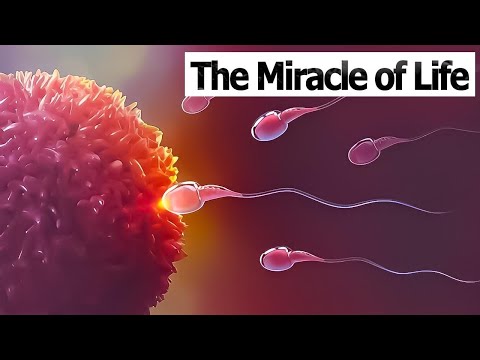
Conception, the process by which a sperm fertilizes an egg, is a intricate and highly regulated process that has fascinated humans for centuries. With a success rate of only 20-30% per month, conception is a complex interplay of hormonal, physiological, and environmental factors. According to Dr. Robert Winston, a leading expert in reproductive biology, the chances of conception are influenced by factors such as age, lifestyle, and overall health. The journey of a sperm, which travels over 150 million times its own length to reach the egg, is a remarkable feat of endurance and navigation. As of 2022, advances in reproductive technology, such as in vitro fertilization (IVF), have improved conception rates, but the process remains shrouded in mystery and controversy. With a vibe score of 8, conception is a topic that continues to captivate and intrigue, with ongoing debates surrounding reproductive rights, fertility, and the ethics of assisted reproductive technologies.
🌟 Introduction to Conception
Conception, in the context of Biology, refers to the fertilization of an Ovum by a Sperm. This process marks the beginning of a new life and is a complex and highly regulated process. The Human Reproduction process involves the fusion of a sperm and an egg, resulting in the formation of a Zygote. The zygote then undergoes several cell divisions, eventually forming a Blastocyst, which implants itself in the Uterus. Conception is a critical aspect of Reproductive Health and is influenced by various factors, including Hormones, Lifestyle, and Environmental Factors. For more information on the biology of conception, visit Conception Biology.
🧬 The Biology of Conception
The biology of conception is a fascinating and complex process. It involves the coordination of multiple Cell Types, Hormones, and Organs. The Female Reproductive System produces an Ovum every month, which is then released into the Fallopian Tube. The Male Reproductive System produces Sperm, which are then released into the Vagina during Intercourse. The Sperm then travel through the Cervix and into the Uterus, where they can fertilize the Ovum. This process is influenced by various factors, including Stress, Nutrition, and Exercise. For more information on the female reproductive system, visit Female Reproductive System.
👶 Fertilization and Embryogenesis
Fertilization and Embryogenesis are critical stages in the conception process. Fertilization occurs when a Sperm penetrates the outer layer of the Ovum and fuses with the Egg Cell. This process triggers a series of cellular divisions, resulting in the formation of a Blastocyst. The Blastocyst then implants itself in the Uterus, where it can develop into a Fetus. This process is influenced by various factors, including Hormones, Growth Factors, and Environmental Factors. For more information on embryogenesis, visit Embryogenesis. The role of Stem Cells in embryogenesis is also an important area of research.
🤝 The Role of Sperm and Egg in Conception
The role of Sperm and Egg in conception is critical. The Sperm provides the necessary Genetic Material for the development of a new life, while the Egg provides the necessary Nutrients and Hormones. The Sperm must be able to penetrate the outer layer of the Egg and fuse with the Egg Cell. This process is influenced by various factors, including Sperm Quality, Egg Quality, and Hormones. For more information on sperm and egg quality, visit Sperm and Egg Quality. The Reproductive Endocrinology of conception is also an important area of study.
🌈 Genetic Diversity and Conception
Genetic diversity and conception are closely linked. The Genetic Material provided by the Sperm and Egg determines the Genetic Traits of the resulting Offspring. The combination of Genetic Material from the Sperm and Egg results in a unique Genotype and Phenotype. This process is influenced by various factors, including Genetic Variation, Mutation, and Epigenetics. For more information on genetic diversity, visit Genetic Diversity. The Genomics of conception is also an important area of research.
🚀 Assisted Reproductive Technology (ART)
Assisted reproductive technology (ART) has revolutionized the field of conception. ART includes techniques such as In Vitro Fertilization (IVF), Intracytoplasmic Sperm Injection (ICSI), and Egg Donation. These techniques have made it possible for individuals and couples to conceive who may not have been able to otherwise. ART is influenced by various factors, including Age, Health Status, and Financial Resources. For more information on ART, visit Assisted Reproductive Technology. The Psychology of ART is also an important area of study.
🤔 Conception and Ethics
Conception and ethics are closely linked. The use of ART has raised various ethical concerns, including the potential for Genetic Engineering and the use of Surrogacy. The ethics of conception are influenced by various factors, including Cultural Norms, Religious Beliefs, and Legal Frameworks. For more information on the ethics of conception, visit Conception Ethics. The Bioethics of conception is also an important area of study.
📊 Conception Statistics and Trends
Conception statistics and trends are an important area of study. The rates of conception and Birth are influenced by various factors, including Age, Health Status, and Socioeconomic Status. The use of ART has also influenced conception statistics and trends. For more information on conception statistics and trends, visit Conception Statistics. The Demography of conception is also an important area of research.
👩👧👦 Conception and Family Planning
Conception and family planning are closely linked. The decision to conceive is often influenced by various factors, including Financial Resources, Emotional Readiness, and Relationship Status. The use of Contraception and Family Planning techniques can also influence conception. For more information on family planning, visit Family Planning. The Sociology of conception is also an important area of study.
💡 Future of Conception and Reproductive Medicine
The future of conception and reproductive medicine is an exciting and rapidly evolving field. The use of ART and other reproductive technologies is expected to continue to grow and improve. The development of new technologies, such as Gene Editing, is also expected to have a significant impact on the field of conception. For more information on the future of conception and reproductive medicine, visit Future of Conception. The Regenerative Medicine of conception is also an important area of research.
Key Facts
- Year
- 2022
- Origin
- Human Reproductive System
- Category
- Biology
- Type
- Biological Process
Frequently Asked Questions
What is conception?
Conception refers to the fertilization of an Ovum by a Sperm. This process marks the beginning of a new life and is a complex and highly regulated process. The Human Reproduction process involves the fusion of a sperm and an egg, resulting in the formation of a Zygote. For more information on conception, visit Conception.
How does conception occur?
Conception occurs when a Sperm penetrates the outer layer of the Ovum and fuses with the Egg Cell. This process triggers a series of cellular divisions, resulting in the formation of a Blastocyst. The Blastocyst then implants itself in the Uterus, where it can develop into a Fetus. For more information on the biology of conception, visit Conception Biology.
What factors influence conception?
Conception is influenced by various factors, including Hormones, Lifestyle, and Environmental Factors. The Female Reproductive System and Male Reproductive System must also be functioning properly. For more information on the factors that influence conception, visit Conception Factors.
What is assisted reproductive technology (ART)?
Assisted reproductive technology (ART) includes techniques such as In Vitro Fertilization (IVF), Intracytoplasmic Sperm Injection (ICSI), and Egg Donation. These techniques have made it possible for individuals and couples to conceive who may not have been able to otherwise. For more information on ART, visit Assisted Reproductive Technology.
What are the ethics of conception?
The ethics of conception are complex and multifaceted. The use of ART has raised various ethical concerns, including the potential for Genetic Engineering and the use of Surrogacy. The ethics of conception are influenced by various factors, including Cultural Norms, Religious Beliefs, and Legal Frameworks. For more information on the ethics of conception, visit Conception Ethics.
What is the future of conception and reproductive medicine?
The future of conception and reproductive medicine is an exciting and rapidly evolving field. The use of ART and other reproductive technologies is expected to continue to grow and improve. The development of new technologies, such as Gene Editing, is also expected to have a significant impact on the field of conception. For more information on the future of conception and reproductive medicine, visit Future of Conception.
How does conception relate to family planning?
Conception and family planning are closely linked. The decision to conceive is often influenced by various factors, including Financial Resources, Emotional Readiness, and Relationship Status. The use of Contraception and Family Planning techniques can also influence conception. For more information on family planning, visit Family Planning.