
Contents
- 🎵 Origins & History
- ⚙️ How It Works
- 📊 Key Facts & Numbers
- 👥 Key People & Organizations
- 🌍 Cultural Impact & Influence
- ⚡ Current State & Latest Developments
- 🤔 Controversies & Debates
- 🔮 Future Outlook & Predictions
- 💡 Practical Applications
- 📚 Related Topics & Deeper Reading
- Frequently Asked Questions
- References
- Related Topics
Overview
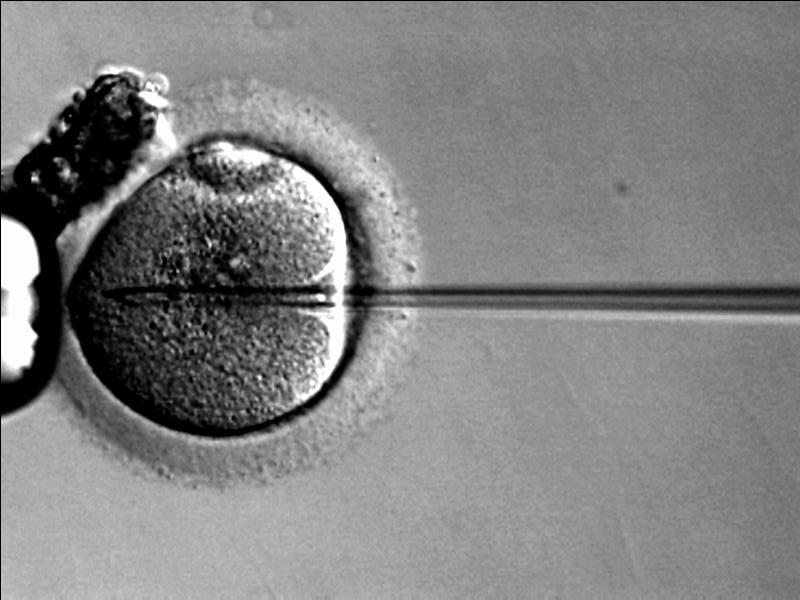
Intracytoplasmic sperm injection (ICSI) is a groundbreaking in vitro fertilization (IVF) procedure where a single sperm cell is directly injected into an egg's cytoplasm, skipping the acrosome reaction. Developed by Gianpiero Palermo and his team, ICSI has been a game-changer for individuals struggling with infertility, particularly those with low sperm count or poor sperm motility. Since the first successful human pregnancy in 1991, ICSI has become a widely accepted treatment option, with over 100,000 cycles performed annually in the United States alone, according to the Centers for Disease Control and Prevention (CDC). With a success rate of approximately 50-60% for women under 35, ICSI has given hope to countless individuals and couples seeking to build their families. As research continues to advance, ICSI remains a vital component of modern fertility treatments, offering new possibilities for those seeking to overcome reproductive challenges, including infertility and IVF
🎵 Origins & History
Intracytoplasmic sperm injection (ICSI) has a rich history, dating back to the early 1990s when Gianpiero Palermo and his team first developed the technique. The first human pregnancy generated by ICSI was achieved in 1991, marking a significant milestone in the field of fertility treatments. Since then, ICSI has become a widely accepted treatment option, with numerous fertility clinics and research institutions, such as the Mayo Clinic and Harvard Medical School, contributing to its development and refinement. Today, ICSI is performed by skilled embryologists, like Dr. Shoukhrat Mitalipov, who have dedicated their careers to advancing the field of reproductive medicine.
⚙️ How It Works
The ICSI procedure involves several key steps, including egg retrieval, sperm selection, and injection. A single sperm cell is carefully selected and injected directly into the cytoplasm of the egg, bypassing the natural fertilization process. This technique requires specialized equipment and expertise, as seen in the work of Dr. James Grifo, a renowned fertility specialist. The resulting embryo is then transferred to the uterus, where it can implant and develop into a healthy pregnancy. ICSI has been shown to be particularly effective for individuals with low sperm count or poor sperm motility, as demonstrated by studies published in the Fertility and Sterility journal.
📊 Key Facts & Numbers
ICSI has several key advantages over traditional IVF, including the ability to use a single sperm cell per egg, reducing the risk of multiple pregnancies. According to the Centers for Disease Control and Prevention (CDC), the success rate of ICSI is approximately 50-60% for women under 35, making it a viable option for many individuals and couples. Additionally, ICSI can be used in conjunction with other fertility treatments, such as egg donation and surrogacy, to increase the chances of a successful pregnancy. The American Society for Reproductive Medicine (ASRM) provides valuable resources and guidance for individuals considering ICSI.
👥 Key People & Organizations
Several key people and organizations have played a crucial role in the development and advancement of ICSI. Gianpiero Palermo and his team are credited with developing the technique, while Dr. James Grifo has made significant contributions to its refinement. The Mayo Clinic and Harvard Medical School are among the many research institutions that have contributed to the advancement of ICSI. Additionally, organizations like the RESOLVE and the National Infertility Association provide support and resources for individuals and couples struggling with infertility, including access to IVF and ICSI treatments.
🌍 Cultural Impact & Influence
ICSI has had a significant cultural impact, particularly in the realm of reproductive medicine. The technique has given hope to countless individuals and couples struggling with infertility, and has raised important questions about the ethics of fertility treatments. As seen in the work of Dr. Susan Berkowitz, a leading expert in reproductive ethics, ICSI has also sparked debates about the role of technology in reproductive medicine. The World Health Organization (WHO) and the National Institutes of Health (NIH) have also weighed in on the discussion, providing guidance and recommendations for the use of ICSI and other fertility treatments.
⚡ Current State & Latest Developments
The current state of ICSI is one of continued advancement and refinement. Researchers are exploring new techniques and technologies to improve the success rate of ICSI, such as the use of next-generation sequencing to select the healthiest embryos. Additionally, the development of new fertility treatments, such as mitochondrial replacement therapy, is offering new possibilities for individuals and couples struggling with infertility. The US Food and Drug Administration (FDA) and the European Medicines Agency (EMA) play a crucial role in regulating and overseeing the development of new fertility treatments, including ICSI.
🤔 Controversies & Debates
Despite its many advantages, ICSI is not without controversy. Some critics argue that the technique is too expensive and inaccessible to many individuals and couples, while others raise concerns about the ethics of fertility treatments. The American College of Obstetricians and Gynecologists (ACOG) and the American Society for Reproductive Medicine (ASRM) have addressed these concerns, providing guidance and recommendations for the use of ICSI and other fertility treatments. As the debate continues, it is essential to consider the perspectives of experts like Dr. George Atkinson, a leading voice in the field of reproductive ethics.
🔮 Future Outlook & Predictions
The future of ICSI is bright, with ongoing research and development aimed at improving the technique and increasing its accessibility. As the technology continues to evolve, it is likely that ICSI will become an even more viable option for individuals and couples struggling with infertility. The National Institutes of Health (NIH) and the World Health Organization (WHO) are among the many organizations investing in research and development to advance the field of reproductive medicine, including ICSI and other fertility treatments.
💡 Practical Applications
ICSI has numerous practical applications, particularly in the realm of reproductive medicine. The technique is used to treat a range of fertility issues, including low sperm count and poor sperm motility. Additionally, ICSI can be used in conjunction with other fertility treatments, such as egg donation and surrogacy, to increase the chances of a successful pregnancy. The American Society for Reproductive Medicine (ASRM) provides valuable resources and guidance for individuals considering ICSI, including access to IVF and other fertility treatments.
Key Facts
- Year
- 1991
- Origin
- Belgium
- Category
- chronic-conditions
- Type
- concept
Frequently Asked Questions
What is ICSI?
ICSI is a type of IVF that involves injecting a single sperm cell into an egg. This technique is used to treat fertility issues such as low sperm count and poor sperm motility. ICSI has a success rate of approximately 50-60% for women under 35, according to the Centers for Disease Control and Prevention (CDC).
How does ICSI work?
The ICSI procedure involves several key steps, including egg retrieval, sperm selection, and injection. A single sperm cell is carefully selected and injected directly into the cytoplasm of the egg, bypassing the natural fertilization process. The resulting embryo is then transferred to the uterus, where it can implant and develop into a healthy pregnancy. The Mayo Clinic and Harvard Medical School are among the many research institutions that have contributed to the advancement of ICSI.
What are the benefits of ICSI?
ICSI has several key advantages over traditional IVF, including the ability to use a single sperm cell per egg, reducing the risk of multiple pregnancies. Additionally, ICSI can be used in conjunction with other fertility treatments, such as egg donation and surrogacy, to increase the chances of a successful pregnancy. The American Society for Reproductive Medicine (ASRM) provides valuable resources and guidance for individuals considering ICSI.
What are the risks and side effects of ICSI?
As with any medical procedure, ICSI carries certain risks and side effects, including the risk of multiple pregnancies and the potential for birth defects. However, the risks associated with ICSI are generally considered to be low, and the technique is widely regarded as a safe and effective treatment option for individuals and couples struggling with infertility. The Centers for Disease Control and Prevention (CDC) and the US Food and Drug Administration (FDA) provide guidance and oversight to minimize the risks associated with ICSI.
How much does ICSI cost?
The cost of ICSI can vary depending on a range of factors, including the location and reputation of the fertility clinic, as well as the individual's insurance coverage. On average, the cost of a single ICSI cycle can range from $10,000 to $20,000, although some clinics may offer package deals or discounts for multiple cycles. The RESOLVE and the National Infertility Association provide resources and support for individuals and couples struggling with the cost of fertility treatments, including ICSI.
Is ICSI covered by insurance?
The coverage of ICSI by insurance varies depending on the individual's policy and the location of the fertility clinic. Some insurance plans may cover the full cost of ICSI, while others may only cover a portion of the costs. The Centers for Disease Control and Prevention (CDC) and the US Department of Health and Human Services provide guidance and resources for individuals navigating the complex world of fertility treatment insurance coverage.
What are the success rates of ICSI?
The success rates of ICSI vary depending on a range of factors, including the age and health of the individual, as well as the quality of the sperm and eggs used in the procedure. On average, the success rate of ICSI is approximately 50-60% for women under 35, although this can vary depending on the individual circumstances. The American Society for Reproductive Medicine (ASRM) provides valuable resources and guidance for individuals considering ICSI, including access to IVF and other fertility treatments.
Can ICSI be used for same-sex couples?
Yes, ICSI can be used for same-sex couples, although it may require the use of donor sperm or eggs. The Human Rights Campaign and the Family Equality organization provide resources and support for LGBTQ+ individuals and couples navigating the complex world of fertility treatments, including ICSI and other options.
What are the ethical considerations of ICSI?
ICSI raises several ethical considerations, including the potential for unequal access to fertility treatments and the risk of exploiting vulnerable individuals, such as egg donors. The American College of Obstetricians and Gynecologists (ACOG) and the World Health Organization (WHO) provide guidance and recommendations for the use of ICSI and other fertility treatments, including considerations for reproductive ethics and fertility preservation.
What is the future of ICSI?
The future of ICSI is bright, with ongoing research and development aimed at improving the technique and increasing its accessibility. As the technology continues to evolve, it is likely that ICSI will become an even more viable option for individuals and couples struggling with infertility, including those seeking IVF and other fertility treatments. The National Institutes of Health (NIH) and the World Health Organization (WHO) are among the many organizations investing in research and development to advance the field of reproductive medicine, including ICSI and other fertility treatments.