
Contents
- 🌟 Introduction to Computational Chemistry
- 🔍 Theoretical Foundations of Computational Chemistry
- 📊 Computational Methods in Chemistry
- 🧬 Molecular Modeling and Simulation
- 💻 Computational Chemistry Software and Tools
- 🎯 Applications of Computational Chemistry
- 🔬 Experimental Validation of Computational Results
- 🌈 Future Directions in Computational Chemistry
- 🤝 Interdisciplinary Connections in Computational Chemistry
- 📚 Computational Chemistry in Education and Research
- 📊 Computational Chemistry and Big Data
- 🔒 Computational Chemistry and Intellectual Property
- Frequently Asked Questions
- Related Topics
Overview
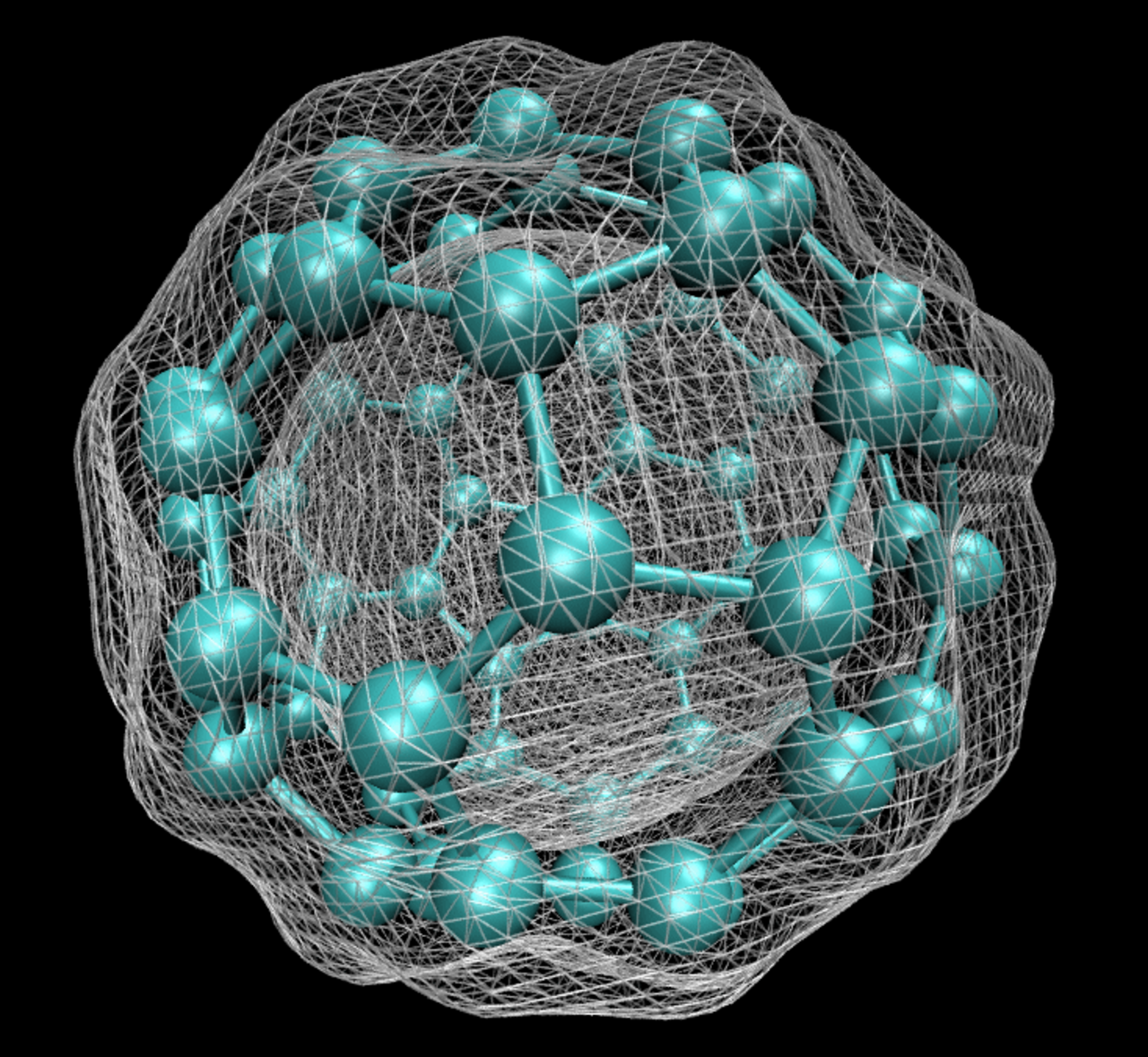
Computational chemistry is a rapidly evolving field that combines principles from physics, mathematics, and computer science to simulate and predict the behavior of molecules. With the advent of powerful computing resources and sophisticated algorithms, researchers can now model complex molecular interactions, design new materials, and optimize chemical reactions. The field has a rich history, dating back to the 1960s, with pioneers like Frank Stillinger and Clementi contributing to its development. Today, computational chemistry has a Vibe score of 80, reflecting its significant cultural energy and influence in the scientific community. However, controversy surrounds the accuracy and reliability of computational models, with some critics arguing that they oversimplify complex chemical phenomena. As the field continues to advance, it is likely to have a major impact on fields like drug discovery, materials science, and environmental modeling, with key players like IBM, Google, and the University of California, Berkeley, driving innovation. The future of computational chemistry holds much promise, with potential applications in fields like personalized medicine and sustainable energy.
🌟 Introduction to Computational Chemistry
Computational chemistry is a branch of chemistry that uses computer simulations to assist in solving chemical problems, as seen in the work of pioneers like Martin Karplus. It uses methods of theoretical chemistry incorporated into computer programs to calculate the structures and properties of molecules, groups of molecules, and solids. The importance of this subject stems from the fact that, with the exception of some relatively recent findings related to the hydrogen molecular ion, achieving an accurate quantum mechanical depiction of chemical systems analytically, or in a closed form, is not feasible. Computational chemistry has been instrumental in advancing our understanding of chemical reactions and molecular interactions. For instance, computational models have been used to study the protein-ligand binding process, which is crucial for understanding various biological processes.
🔍 Theoretical Foundations of Computational Chemistry
Theoretical foundations of computational chemistry are rooted in quantum mechanics and statistical mechanics. The complexity inherent in the many-body problem exacerbates the challenge of providing detailed descriptions of quantum mechanical systems. While computational results normally complement information obtained by chemical experiments, it can occasionally predict unobserved chemical phenomena, such as the water dimer structure. Computational chemistry has also been used to study the thermodynamics of chemical reactions, including the Gibbs free energy of reaction. Furthermore, computational models have been used to investigate the kinetics of chemical reactions, including the reaction rate and activation energy.
📊 Computational Methods in Chemistry
Computational methods in chemistry include ab initio methods, semi-empirical methods, and molecular mechanics methods. Ab initio methods are based on the Schrödinger equation and are used to calculate the electronic structure of molecules. Semi-empirical methods, on the other hand, are based on empirical formulas and are used to calculate the electronic structure of large molecules. Molecular mechanics methods are used to calculate the structure and properties of molecules using classical mechanics. These methods have been used to study a wide range of chemical systems, including biological molecules and materials science applications. For example, computational models have been used to study the protein folding process, which is crucial for understanding various biological processes.
🧬 Molecular Modeling and Simulation
Molecular modeling and simulation are essential tools in computational chemistry. Molecular modeling involves the use of computational methods to build and visualize molecular structures, while molecular simulation involves the use of computational methods to simulate the behavior of molecules over time. Molecular dynamics simulations, for example, can be used to study the conformational changes of molecules, including the protein-ligand binding process. Monte Carlo simulations, on the other hand, can be used to study the thermodynamics of chemical reactions, including the Gibbs free energy of reaction. These simulations have been used to study a wide range of chemical systems, including biological molecules and materials science applications.
💻 Computational Chemistry Software and Tools
Computational chemistry software and tools are essential for performing computational chemistry calculations. Popular software packages include Gaussian, GAMESS, and AMBER. These software packages provide a range of tools for performing computational chemistry calculations, including ab initio methods, semi-empirical methods, and molecular mechanics methods. Additionally, there are many online resources available for computational chemistry, including databases and websites. For example, the Protein Data Bank is a comprehensive database of protein structures that can be used for computational modeling and simulation.
🎯 Applications of Computational Chemistry
Applications of computational chemistry are diverse and include the development of new pharmaceuticals, materials science applications, and environmental chemistry applications. Computational chemistry can be used to predict the biological activity of molecules, including the protein-ligand binding process. Computational chemistry can also be used to predict the thermodynamics of chemical reactions, including the Gibbs free energy of reaction. Furthermore, computational models have been used to investigate the kinetics of chemical reactions, including the reaction rate and activation energy.
🔬 Experimental Validation of Computational Results
Experimental validation of computational results is essential for ensuring the accuracy of computational chemistry calculations. Experimental methods, such as NMR spectroscopy and X-ray crystallography, can be used to validate computational results. Additionally, computational chemistry can be used to predict the results of experimental measurements, such as the infrared spectroscopy of molecules. For example, computational models have been used to predict the vibrational spectroscopy of molecules, which can be used to identify the molecular structure of a molecule.
🌈 Future Directions in Computational Chemistry
Future directions in computational chemistry include the development of new methods and algorithms for performing computational chemistry calculations. Additionally, the increasing power of computers and the development of new software packages are expected to continue to advance the field of computational chemistry. For example, the development of quantum computing is expected to revolutionize the field of computational chemistry, enabling the simulation of complex chemical systems that are currently inaccessible. Furthermore, the development of machine learning algorithms is expected to improve the accuracy of computational chemistry calculations, enabling the prediction of complex chemical phenomena.
🤝 Interdisciplinary Connections in Computational Chemistry
Interdisciplinary connections in computational chemistry include connections to biology, physics, and materials science. Computational chemistry can be used to study the behavior of biological molecules, such as proteins and nucleic acids. Additionally, computational chemistry can be used to study the behavior of materials, such as semiconductors and nanomaterials. For example, computational models have been used to study the protein folding process, which is crucial for understanding various biological processes. Furthermore, computational models have been used to investigate the thermodynamics of chemical reactions, including the Gibbs free energy of reaction.
📚 Computational Chemistry in Education and Research
Computational chemistry in education and research is essential for advancing our understanding of chemical systems. Computational chemistry can be used to teach students about the behavior of molecules and the principles of quantum mechanics. Additionally, computational chemistry can be used to perform research in a variety of fields, including pharmaceuticals, materials science, and environmental chemistry. For example, computational models have been used to study the protein-ligand binding process, which is crucial for understanding various biological processes. Furthermore, computational models have been used to investigate the kinetics of chemical reactions, including the reaction rate and activation energy.
📊 Computational Chemistry and Big Data
Computational chemistry and big data are closely related, as computational chemistry calculations can generate large amounts of data. The analysis of this data can provide insights into the behavior of chemical systems, including the thermodynamics of chemical reactions and the kinetics of chemical reactions. Additionally, computational chemistry can be used to predict the results of experimental measurements, such as the infrared spectroscopy of molecules. For example, computational models have been used to predict the vibrational spectroscopy of molecules, which can be used to identify the molecular structure of a molecule.
🔒 Computational Chemistry and Intellectual Property
Computational chemistry and intellectual property are closely related, as computational chemistry calculations can be used to predict the behavior of molecules and the principles of quantum mechanics. This information can be used to develop new pharmaceuticals and materials science applications. Additionally, computational chemistry can be used to predict the results of experimental measurements, such as the infrared spectroscopy of molecules. For example, computational models have been used to predict the protein-ligand binding process, which is crucial for understanding various biological processes.
Key Facts
- Year
- 1960
- Origin
- United States
- Category
- Science
- Type
- Scientific Discipline
Frequently Asked Questions
What is computational chemistry?
Computational chemistry is a branch of chemistry that uses computer simulations to assist in solving chemical problems. It uses methods of theoretical chemistry incorporated into computer programs to calculate the structures and properties of molecules, groups of molecules, and solids. Computational chemistry has been instrumental in advancing our understanding of chemical reactions and molecular interactions.
What are the applications of computational chemistry?
Applications of computational chemistry are diverse and include the development of new pharmaceuticals, materials science applications, and environmental chemistry applications. Computational chemistry can be used to predict the biological activity of molecules, including the protein-ligand binding process. Additionally, computational chemistry can be used to predict the thermodynamics of chemical reactions, including the Gibbs free energy of reaction.
What is the difference between ab initio and semi-empirical methods?
Ab initio methods are based on the Schrödinger equation and are used to calculate the electronic structure of molecules. Semi-empirical methods, on the other hand, are based on empirical formulas and are used to calculate the electronic structure of large molecules. Ab initio methods are more accurate but are also more computationally intensive, while semi-empirical methods are less accurate but are also less computationally intensive.
What is molecular modeling and simulation?
Molecular modeling involves the use of computational methods to build and visualize molecular structures, while molecular simulation involves the use of computational methods to simulate the behavior of molecules over time. Molecular dynamics simulations, for example, can be used to study the conformational changes of molecules, including the protein-ligand binding process. Monte Carlo simulations, on the other hand, can be used to study the thermodynamics of chemical reactions, including the Gibbs free energy of reaction.
What is the future of computational chemistry?
The future of computational chemistry includes the development of new methods and algorithms for performing computational chemistry calculations. Additionally, the increasing power of computers and the development of new software packages are expected to continue to advance the field of computational chemistry. For example, the development of quantum computing is expected to revolutionize the field of computational chemistry, enabling the simulation of complex chemical systems that are currently inaccessible.
How does computational chemistry relate to other fields?
Computational chemistry is closely related to other fields, including biology, physics, and materials science. Computational chemistry can be used to study the behavior of biological molecules, such as proteins and nucleic acids. Additionally, computational chemistry can be used to study the behavior of materials, such as semiconductors and nanomaterials. For example, computational models have been used to study the protein-folding process, which is crucial for understanding various biological processes.
What is the role of computational chemistry in education and research?
Computational chemistry plays a crucial role in education and research, as it can be used to teach students about the behavior of molecules and the principles of quantum mechanics. Additionally, computational chemistry can be used to perform research in a variety of fields, including pharmaceuticals, materials science, and environmental chemistry. For example, computational models have been used to study the protein-ligand binding process, which is crucial for understanding various biological processes.