
Contents
- 🌿 Introduction to Amber
- 💎 History of Amber Appreciation
- 🏞️ Formation of Fossilized Tree Resin
- 👑 Amber in Classical Antiquity
- 💫 Amber as a Gemstone
- 🏥 Amber in Folk Medicine
- 🔬 Scientific Analysis of Amber
- 🌈 Cultural Significance of Amber
- 🌎 Amber Trade and Economy
- 🕰️ Amber in Modern Times
- Frequently Asked Questions
- Related Topics
Overview
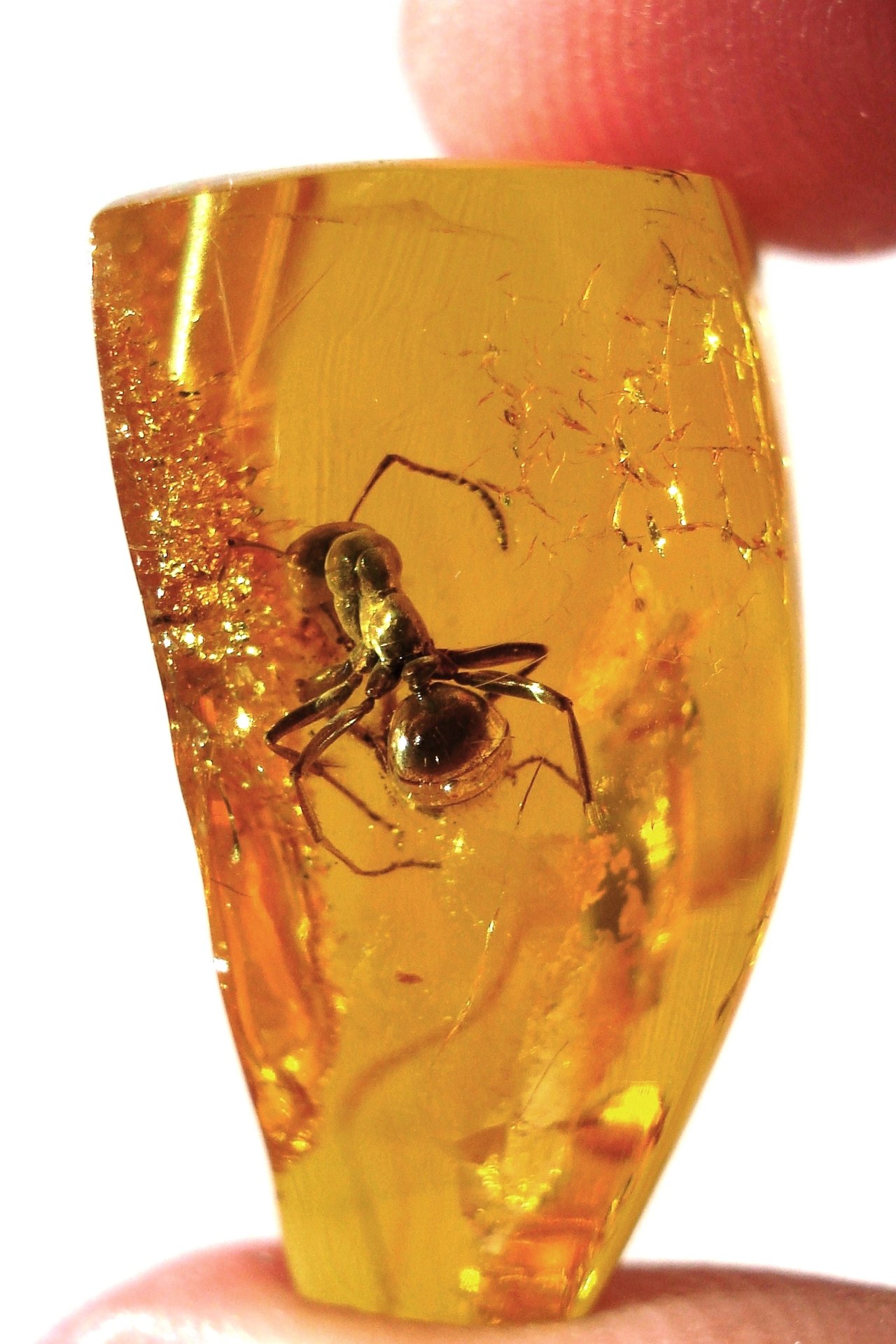
Amber, a fossilized tree resin, has been a subject of fascination for centuries. With a Vibe score of 80, it has captivated the imagination of scientists, historians, and the general public alike. From the discovery of 40-million-year-old insects to the preservation of ancient DNA, amber has proven to be a treasure trove of information about the past. However, its formation process and the conditions necessary for its creation are still debated among experts, with some arguing that it can only be formed in specific tropical environments. The influence of amber on various fields, including paleontology, biology, and geology, is undeniable, with key figures like George Poinar and Roberta Poinar contributing significantly to our understanding of this substance. As research continues to uncover the secrets of amber, we are left with more questions than answers, including the potential for amber to hold the key to understanding the evolution of life on Earth and the possibility of finding preserved DNA from extinct species.
🌿 Introduction to Amber
Amber, a fossilized tree resin, has been a prized material for its natural beauty and color since the Neolithic times. The earliest known use of amber dates back to around 10,000 BCE, where it was used in jewelry and as a decorative item. The unique properties of amber, such as its ability to preserve ancient organisms and its vibrant colors, have made it a fascinating subject of study for paleontologists and geologists. Amber is also used in jewelry making and as a healing agent in folk medicine. The cultural significance of amber is evident in its widespread use across various civilizations, including the ancient Egyptians and Greeks.
💎 History of Amber Appreciation
The history of amber appreciation dates back to classical antiquity, where it was highly valued for its beauty and rarity. The ancient Romans used amber in their jewelry and decorative items, and it was also used as a form of currency in some regions. The use of amber in jewelry making continued through the Middle Ages, where it was used to create intricate and elaborate designs. The value of amber was not only due to its beauty but also due to its perceived healing properties, which were believed to have been discovered by the ancient Greeks. The study of amber has also been influenced by the work of Charles Darwin, who recognized the importance of amber in understanding the evolution of species.
🏞️ Formation of Fossilized Tree Resin
The formation of fossilized tree resin, or amber, is a complex process that involves the preservation of ancient organisms and plant material. The process begins with the secretion of resin by trees, which is then buried and subjected to heat and pressure over millions of years. This process, known as diagenesis, transforms the resin into a hard, yellowish substance that can preserve ancient organisms and plant material. The study of amber has provided valuable insights into the evolution of species and the history of life on Earth, and has been influenced by the work of Charles Darwin and other prominent biologists. Amber is also used in paleontology to study the evolution of ancient organisms, and has been used to discover new species of insects and plants.
👑 Amber in Classical Antiquity
Amber was highly valued in classical antiquity, where it was used in jewelry making and as a decorative item. The ancient Romans and Greeks used amber to create intricate and elaborate designs, which were often adorned with precious stones and metals. The use of amber in classical antiquity was not only due to its beauty but also due to its perceived healing properties, which were believed to have been discovered by the ancient Greeks. The cultural significance of amber is evident in its widespread use across various civilizations, including the ancient Egyptians and Chinese. Amber is also used in folk medicine to treat a variety of ailments, and has been used to study the evolution of medicinal plants.
💫 Amber as a Gemstone
Amber is used as a gemstone due to its unique properties and natural beauty. The vibrant colors of amber, which range from yellow to red, make it a highly prized material for jewelry making. Amber is also used in decorative arts to create intricate and elaborate designs, which are often adorned with precious stones and metals. The use of amber as a gemstone has been influenced by the work of geologists and mineralogists, who have studied the properties and formation of amber. Amber is also used in paleontology to study the evolution of ancient organisms, and has been used to discover new species of insects and plants. The cultural significance of amber is evident in its widespread use across various civilizations, including the ancient Egyptians and Greeks.
🏥 Amber in Folk Medicine
Amber has been used in folk medicine for centuries, where it is believed to have healing properties. The use of amber in folk medicine dates back to classical antiquity, where it was used to treat a variety of ailments. The perceived healing properties of amber are due to its ability to preserve ancient organisms and plant material, which are believed to have medicinal properties. Amber is also used in aromatherapy to promote relaxation and reduce stress, and has been used to study the evolution of medicinal plants. The cultural significance of amber is evident in its widespread use across various civilizations, including the ancient Egyptians and Chinese. Amber is also used in jewelry making and as a decorative item, where it is prized for its natural beauty and unique properties.
🔬 Scientific Analysis of Amber
The scientific analysis of amber has provided valuable insights into the evolution of species and the history of life on Earth. The study of amber has been influenced by the work of Charles Darwin and other prominent biologists, who have recognized the importance of amber in understanding the evolution of species. Amber is used in paleontology to study the evolution of ancient organisms, and has been used to discover new species of insects and plants. The unique properties of amber, such as its ability to preserve ancient organisms and its vibrant colors, make it a highly prized material for scientific study. Amber is also used in geology to study the formation of fossilized tree resin, and has been used to understand the diagenesis process.
🌈 Cultural Significance of Amber
The cultural significance of amber is evident in its widespread use across various civilizations, including the ancient Egyptians and Greeks. Amber has been used in jewelry making and as a decorative item for centuries, where it is prized for its natural beauty and unique properties. The use of amber in folk medicine has also been influenced by its cultural significance, where it is believed to have healing properties. The cultural significance of amber is also evident in its use in decorative arts, where it is used to create intricate and elaborate designs. Amber is also used in paleontology to study the evolution of ancient organisms, and has been used to discover new species of insects and plants.
🌎 Amber Trade and Economy
The trade and economy of amber have been influenced by its cultural significance and unique properties. Amber is highly valued for its natural beauty and rarity, which has made it a highly prized material for jewelry making and decorative items. The trade of amber has been influenced by the work of geologists and mineralogists, who have studied the properties and formation of amber. Amber is also used in paleontology to study the evolution of ancient organisms, and has been used to discover new species of insects and plants. The cultural significance of amber is evident in its widespread use across various civilizations, including the ancient Egyptians and Greeks.
🕰️ Amber in Modern Times
In modern times, amber is still highly valued for its natural beauty and unique properties. The use of amber in jewelry making and decorative items continues to be influenced by its cultural significance, where it is prized for its natural beauty and rarity. The study of amber has also been influenced by the work of Charles Darwin and other prominent biologists, who have recognized the importance of amber in understanding the evolution of species. Amber is also used in paleontology to study the evolution of ancient organisms, and has been used to discover new species of insects and plants. The unique properties of amber, such as its ability to preserve ancient organisms and its vibrant colors, make it a highly prized material for scientific study.
Key Facts
- Year
- 40 million years ago
- Origin
- Tropical Environments
- Category
- Natural History
- Type
- Natural Substance
Frequently Asked Questions
What is amber?
Amber is a fossilized tree resin that has been appreciated for its color and natural beauty since the Neolithic times. It is used in jewelry and as a healing agent in folk medicine. The unique properties of amber, such as its ability to preserve ancient organisms and its vibrant colors, make it a highly prized material for scientific study and decorative items.
How is amber formed?
Amber is formed through the process of diagenesis, where tree resin is buried and subjected to heat and pressure over millions of years. This process transforms the resin into a hard, yellowish substance that can preserve ancient organisms and plant material. The study of amber has provided valuable insights into the evolution of species and the history of life on Earth.
What are the uses of amber?
Amber is used in jewelry making and as a decorative item, where it is prized for its natural beauty and unique properties. It is also used in folk medicine to treat a variety of ailments, and has been used to study the evolution of medicinal plants. The cultural significance of amber is evident in its widespread use across various civilizations, including the ancient Egyptians and Greeks.
What is the cultural significance of amber?
The cultural significance of amber is evident in its widespread use across various civilizations, including the ancient Egyptians and Greeks. Amber has been used in jewelry making and as a decorative item for centuries, where it is prized for its natural beauty and unique properties. The use of amber in folk medicine has also been influenced by its cultural significance, where it is believed to have healing properties.
How is amber used in science?
Amber is used in paleontology to study the evolution of ancient organisms, and has been used to discover new species of insects and plants. The unique properties of amber, such as its ability to preserve ancient organisms and its vibrant colors, make it a highly prized material for scientific study. The study of amber has provided valuable insights into the evolution of species and the history of life on Earth.
What is the economic value of amber?
The economic value of amber is influenced by its cultural significance and unique properties. Amber is highly valued for its natural beauty and rarity, which has made it a highly prized material for jewelry making and decorative items. The trade of amber has been influenced by the work of geologists and mineralogists, who have studied the properties and formation of amber.
How is amber used in modern times?
In modern times, amber is still highly valued for its natural beauty and unique properties. The use of amber in jewelry making and decorative items continues to be influenced by its cultural significance, where it is prized for its natural beauty and rarity. The study of amber has also been influenced by the work of Charles Darwin and other prominent biologists, who have recognized the importance of amber in understanding the evolution of species.