
Contents
- 🌟 Introduction to Chromatin
- 🧬 Structure and Composition of Chromatin
- 🔍 Chromatin Remodeling and Dynamics
- 📈 Chromatin and Gene Regulation
- 🔑 Histone Modifications and Chromatin Function
- 🌈 Chromatin and Epigenetics
- 👥 Chromatin and Nuclear Organization
- 🔬 Chromatin and Disease
- 📊 Chromatin and Biotechnology
- 🔮 Future Directions in Chromatin Research
- 📚 Conclusion and References
- Frequently Asked Questions
- Related Topics
Overview
Chromatin, a complex of DNA, histone proteins, and other non-histone proteins, is the material that makes up chromosomes. Its dynamic structure plays a crucial role in gene regulation, with chromatin remodeling complexes and histone modifications influencing gene expression. The discovery of chromatin's role in gene regulation has been a major area of research, with key findings by scientists such as Roger Kornberg and Michael Grunstein. Chromatin's structure and function are still not fully understood, with ongoing research into its role in diseases such as cancer and its potential as a therapeutic target. With a Vibe score of 8, chromatin is a highly active area of research, with over 10,000 papers published on the topic in the last year alone. As our understanding of chromatin continues to evolve, it is likely to remain a major focus of research in the field of molecular biology, with potential applications in fields such as gene therapy and regenerative medicine.
🌟 Introduction to Chromatin
Chromatin is a complex of DNA and protein responsible for condensing and packaging chromosomal DNA, playing a crucial role in Molecular Biology and Genetics. This complex is found in both bacterial and eukaryotic cells, but this article focuses on eukaryotic chromatin. The study of chromatin is essential for understanding Gene Expression and Cell Biology. Chromatin's dynamic nature allows it to respond to various cellular signals, making it a key area of research in Epigenetics and Genomics. The structure and composition of chromatin are critical for its function, and understanding these aspects is vital for advancing our knowledge of Chromatin Biology.
🧬 Structure and Composition of Chromatin
The structure and composition of chromatin are complex, involving a combination of DNA and proteins. The basic unit of chromatin is the Nucleosome, which consists of a segment of DNA wrapped around a core of Histone proteins. This structure allows for the condensation of DNA into a more compact form, enabling it to fit within the Nucleus of eukaryotic cells. The composition of chromatin also includes other proteins, such as Non-Histone Proteins, which play important roles in Chromatin Remodeling and Gene Regulation. Understanding the structure and composition of chromatin is essential for understanding its function and dynamics, which are critical in Developmental Biology and Cancer Biology.
🔍 Chromatin Remodeling and Dynamics
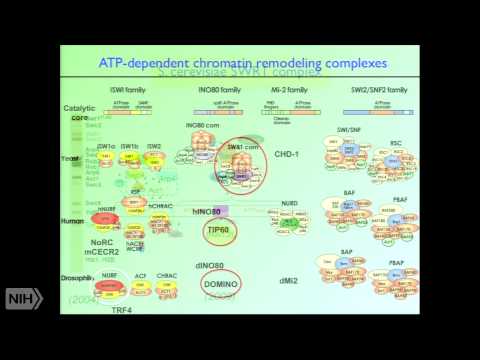
Chromatin remodeling and dynamics are essential for various cellular processes, including Gene Transcription and DNA Replication. Chromatin remodeling involves the reorganization of chromatin structure, allowing for the accessibility of specific genomic regions to transcription factors and other regulatory proteins. This process is critical for Cell Differentiation and Cell Protection. The dynamics of chromatin are also influenced by Epigenetic Modifications, such as DNA Methylation and Histone Modification, which play important roles in Gene Silencing and Gene Activation. Understanding chromatin remodeling and dynamics is vital for advancing our knowledge of Chromatin Biology and its role in various diseases, including Cancer and Neurodegenerative Disorders.
📈 Chromatin and Gene Regulation
Chromatin plays a critical role in gene regulation, acting as a platform for the assembly of transcriptional regulatory complexes. The structure and composition of chromatin influence the accessibility of genomic regions to transcription factors and other regulatory proteins, which is essential for Gene Expression. Chromatin also interacts with Non-Coding RNA molecules, which play important roles in Gene Regulation and Epigenetic Control. Understanding the relationship between chromatin and gene regulation is vital for advancing our knowledge of Molecular Biology and Genetics. The study of chromatin and gene regulation has significant implications for our understanding of Human Disease and the development of novel therapeutic strategies, including Gene Therapy and Epigenetic Therapy.
🔑 Histone Modifications and Chromatin Function
Histone modifications and chromatin function are intimately linked, with various histone modifications influencing chromatin structure and function. Histone Acetylation and Histone Methylation are two of the most well-studied histone modifications, which play important roles in Gene Activation and Gene Repression. Other histone modifications, such as Histone Phosphorylation and Histone Ubiquitination, also influence chromatin function and dynamics. Understanding the relationship between histone modifications and chromatin function is essential for advancing our knowledge of Chromatin Biology and its role in various diseases, including Cancer and Neurodegenerative Disorders.
🌈 Chromatin and Epigenetics
Chromatin and epigenetics are closely linked, with chromatin playing a critical role in the regulation of epigenetic marks. DNA Methylation and Histone Modification are two of the most well-studied epigenetic marks, which influence chromatin structure and function. Chromatin also interacts with Non-Coding RNA molecules, which play important roles in Epigenetic Control and Gene Regulation. Understanding the relationship between chromatin and epigenetics is vital for advancing our knowledge of Molecular Biology and Genetics. The study of chromatin and epigenetics has significant implications for our understanding of Human Disease and the development of novel therapeutic strategies, including Epigenetic Therapy.
👥 Chromatin and Nuclear Organization
Chromatin and nuclear organization are intimately linked, with chromatin playing a critical role in the organization of the Nucleus. The structure and composition of chromatin influence the formation of Chromatin Domains and Nuclear Bodies, which are essential for Gene Regulation and Epigenetic Control. Chromatin also interacts with the Nuclear Matrix, which provides a scaffold for the organization of chromatin and other nuclear components. Understanding the relationship between chromatin and nuclear organization is essential for advancing our knowledge of Chromatin Biology and its role in various diseases, including Cancer and Neurodegenerative Disorders.
🔬 Chromatin and Disease
Chromatin and disease are closely linked, with alterations in chromatin structure and function contributing to various diseases. Cancer is one of the most well-studied diseases associated with chromatin alterations, with changes in Histone Modification and DNA Methylation playing important roles in Tumor Development and Tumor Progression. Other diseases, such as Neurodegenerative Disorders and Inflammatory Diseases, are also associated with chromatin alterations. Understanding the relationship between chromatin and disease is vital for advancing our knowledge of Molecular Biology and Genetics. The study of chromatin and disease has significant implications for the development of novel therapeutic strategies, including Epigenetic Therapy and Gene Therapy.
📊 Chromatin and Biotechnology
Chromatin and biotechnology are closely linked, with chromatin playing a critical role in the development of novel biotechnological tools and therapies. Gene Editing technologies, such as CRISPR, rely on the manipulation of chromatin structure and function to achieve precise genome editing. Other biotechnological tools, such as Chromatin Immunoprecipitation and DNA Microarray, also rely on the analysis of chromatin structure and function. Understanding the relationship between chromatin and biotechnology is essential for advancing our knowledge of Molecular Biology and Genetics. The study of chromatin and biotechnology has significant implications for the development of novel therapeutic strategies and biotechnological tools.
🔮 Future Directions in Chromatin Research
The future of chromatin research is exciting and rapidly evolving, with new technologies and discoveries being made regularly. Single Cell Analysis and Chromatin Conformation Capture are two of the most promising new technologies being developed to study chromatin structure and function. Other areas of research, such as Epigenetic Therapy and Gene Therapy, are also being explored for their potential to treat various diseases. Understanding the future of chromatin research is vital for advancing our knowledge of Molecular Biology and Genetics. The study of chromatin has significant implications for our understanding of Human Disease and the development of novel therapeutic strategies.
📚 Conclusion and References
In conclusion, chromatin is a complex and dynamic structure that plays a critical role in various cellular processes, including Gene Expression and Cell Differentiation. The study of chromatin has significant implications for our understanding of Molecular Biology and Genetics, as well as the development of novel therapeutic strategies for various diseases. Further research is needed to fully understand the structure and function of chromatin, as well as its role in various diseases. The future of chromatin research is exciting and rapidly evolving, with new technologies and discoveries being made regularly.
Key Facts
- Year
- 1960
- Origin
- The term 'chromatin' was first coined by Walther Flemming in 1880, but it wasn't until the 1960s that the concept of chromatin as a dynamic, regulatory structure began to take shape.
- Category
- Molecular Biology
- Type
- Biological Concept
Frequently Asked Questions
What is chromatin?
Chromatin is a complex of DNA and protein responsible for condensing and packaging chromosomal DNA. It plays a crucial role in various cellular processes, including Gene Expression and Cell Differentiation. The study of chromatin is essential for understanding Molecular Biology and Genetics.
What is the structure of chromatin?
The structure of chromatin is complex, involving a combination of DNA and proteins. The basic unit of chromatin is the Nucleosome, which consists of a segment of DNA wrapped around a core of Histone proteins. This structure allows for the condensation of DNA into a more compact form, enabling it to fit within the Nucleus of eukaryotic cells.
What is the function of chromatin?
Chromatin plays a critical role in various cellular processes, including Gene Expression and Cell Differentiation. It acts as a platform for the assembly of transcriptional regulatory complexes and influences the accessibility of genomic regions to transcription factors and other regulatory proteins.
What is the relationship between chromatin and epigenetics?
Chromatin and epigenetics are closely linked, with chromatin playing a critical role in the regulation of epigenetic marks. DNA Methylation and Histone Modification are two of the most well-studied epigenetic marks, which influence chromatin structure and function.
What is the future of chromatin research?
The future of chromatin research is exciting and rapidly evolving, with new technologies and discoveries being made regularly. Single Cell Analysis and Chromatin Conformation Capture are two of the most promising new technologies being developed to study chromatin structure and function.
What are the implications of chromatin research for human disease?
The study of chromatin has significant implications for our understanding of Human Disease and the development of novel therapeutic strategies. Alterations in chromatin structure and function contribute to various diseases, including Cancer and Neurodegenerative Disorders.
What are the potential therapeutic applications of chromatin research?
The study of chromatin has significant implications for the development of novel therapeutic strategies, including Epigenetic Therapy and Gene Therapy. These therapies aim to manipulate chromatin structure and function to treat various diseases.