
Contents
- 🧬 Introduction to DNA Replication
- 🔬 The Process of DNA Replication
- 🧮 DNA Replication Machinery
- 🌟 Initiation of DNA Replication
- 🔄 Elongation and Synthesis
- 🛠️ Repair of Damaged DNA
- 👥 Regulation of DNA Replication
- 🔍 DNA Replication and Inheritance
- 📊 Errors and Mutations in DNA Replication
- 🔜 Future Directions in DNA Replication Research
- Frequently Asked Questions
- Related Topics
Overview
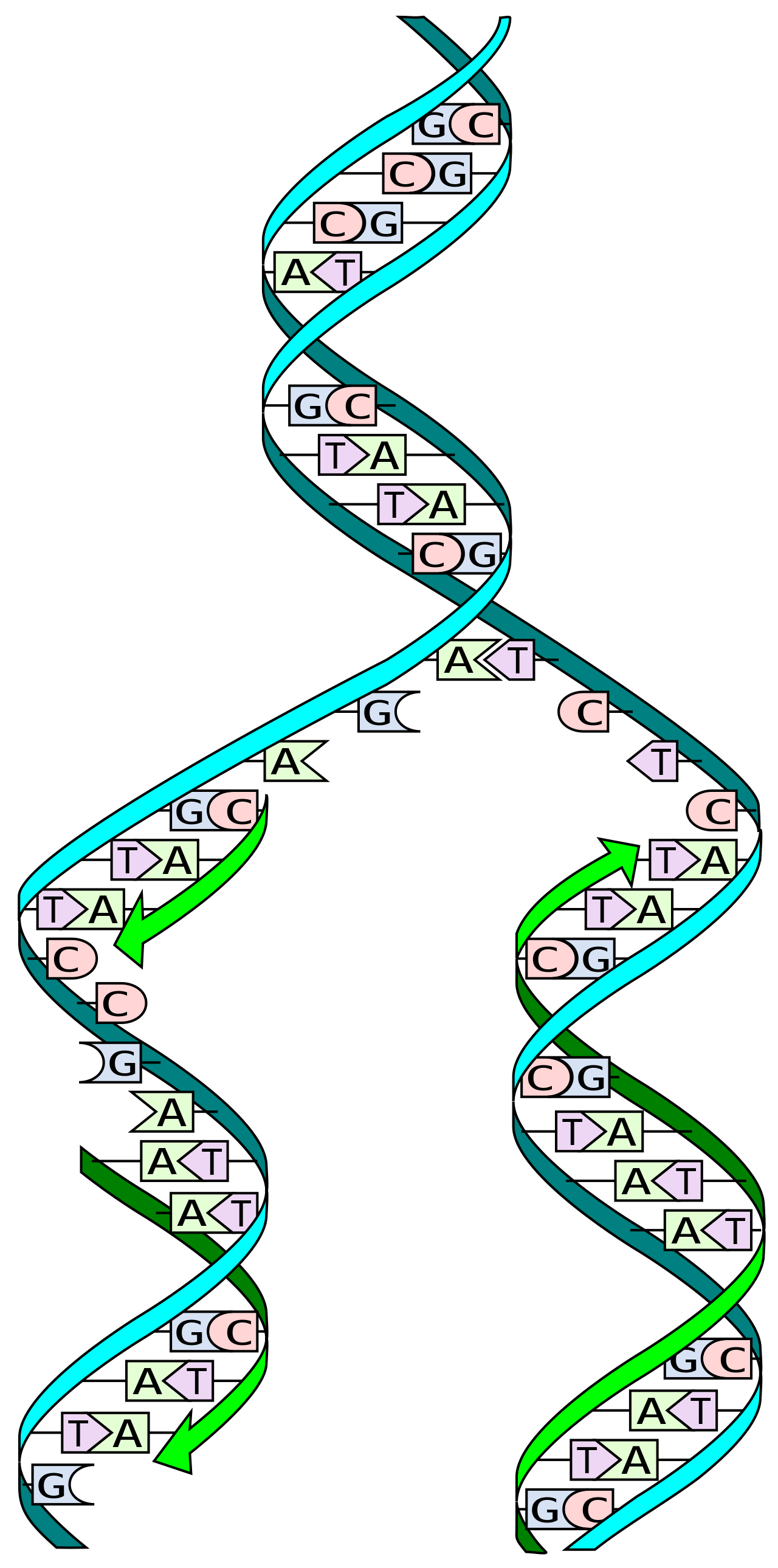
DNA replication is the fundamental process by which cells duplicate their genetic material, ensuring the continuation of life. This intricate mechanism, first described by James Watson and Francis Crick in 1953, involves the unwinding of the double helix and the synthesis of new complementary strands. The process is initiated by an enzyme called helicase, which unwinds the DNA molecule, and is followed by the binding of RNA primers to template strands. The actual synthesis of new DNA strands is carried out by DNA polymerase, an enzyme that adds nucleotides to the growing chain. With a fidelity rate of over 99.9%, DNA replication is a remarkably accurate process, but errors can occur, leading to genetic mutations. As our understanding of DNA replication continues to evolve, researchers are exploring new avenues for cancer treatment and genetic engineering, with potential breakthroughs on the horizon, such as the use of CRISPR technology to edit genes and the development of new cancer therapies that target DNA replication mechanisms.
🧬 Introduction to DNA Replication
DNA replication is the fundamental process by which a cell makes exact copies of its DNA before cell division. This process is essential to biological inheritance, cell division, and repair of damaged tissues. The discovery of the structure of DNA by James Watson and Francis Crick in 1953 revealed the double helix model, which laid the foundation for understanding DNA replication. The process of DNA replication ensures that each of the newly divided daughter cells receives its own copy of each DNA molecule. This is crucial for the survival and propagation of living organisms. For instance, eukaryotic cells have a more complex process of DNA replication compared to prokaryotic cells.
🔬 The Process of DNA Replication
The process of DNA replication involves several key steps, including initiation, elongation, and termination. During initiation, the double helix is unwound, and an rna primer is added to the template strand. This is followed by the elongation phase, where DNA polymerase synthesizes new DNA strands by adding nucleotides to the primer. The process of DNA replication is highly regulated and involves the coordination of multiple enzymes and proteins. For example, helicase unwinds the double helix, while topoisomerase relaxes the tension in the DNA molecule. The study of DNA replication has led to a greater understanding of genetic disorders and cancer.
🧮 DNA Replication Machinery
The DNA replication machinery consists of a complex set of enzymes and proteins that work together to replicate DNA. These include DNA polymerase, rna primer, and helicase. The choice of DNA polymerase is critical, as it determines the accuracy and efficiency of DNA replication. For instance, Taq polymerase is commonly used in PCR reactions due to its high processivity and thermostability. The development of new DNA sequencing technologies has also relied on advances in DNA replication research. Furthermore, the study of epigenetics has revealed the importance of chromatin structure in regulating DNA replication.
🌟 Initiation of DNA Replication
The initiation of DNA replication is a highly regulated process that involves the coordination of multiple proteins and enzymes. This process begins with the unwinding of the double helix and the addition of an rna primer to the template strand. The initiation phase is critical, as it sets the stage for the elongation phase and ensures that DNA replication occurs accurately and efficiently. The regulation of DNA replication is also crucial, as it prevents genetic mutations and maintains genome stability. For example, cell cycle regulation ensures that DNA replication occurs only once per cell cycle. The study of DNA replication has also led to a greater understanding of developmental biology and regenerative medicine.
🔄 Elongation and Synthesis
The elongation phase of DNA replication involves the synthesis of new DNA strands by DNA polymerase. This process occurs in a 5' to 3' direction and involves the addition of nucleotides to the primer. The elongation phase is highly processive, meaning that DNA polymerase can synthesize long stretches of DNA without dissociating from the template strand. The accuracy of DNA replication is also ensured by proofreading and editing mechanisms, which correct errors and remove mismatched nucleotides. For instance, mismatch repair pathways correct errors in DNA replication and recombination. The study of DNA replication has also led to the development of new cancer therapies and gene therapy approaches.
🛠️ Repair of Damaged DNA
The repair of damaged DNA is an essential process that maintains genome stability and prevents genetic mutations. This process involves the recognition and removal of damaged nucleotides and the synthesis of new DNA strands to replace the damaged regions. The repair of damaged DNA is critical, as it prevents the accumulation of genetic mutations and maintains the integrity of the genome. For example, DNA repair pathways such as base excision repair and nucleotide excision repair correct damage caused by oxidative stress and UV radiation. The study of DNA repair has also led to a greater understanding of aging and age-related diseases.
👥 Regulation of DNA Replication
The regulation of DNA replication is a complex process that involves the coordination of multiple proteins and enzymes. This process ensures that DNA replication occurs accurately and efficiently and prevents genetic mutations. The regulation of DNA replication is also critical for maintaining genome stability and preventing cancer. For instance, cell cycle regulation ensures that DNA replication occurs only once per cell cycle. The study of DNA replication has also led to a greater understanding of stem cell biology and regenerative medicine. Furthermore, the development of new cancer therapies has relied on advances in DNA replication research.
🔍 DNA Replication and Inheritance
DNA replication and inheritance are closely linked, as the process of DNA replication ensures that each of the newly divided daughter cells receives its own copy of each DNA molecule. This process is essential for the survival and propagation of living organisms. The study of DNA replication has also led to a greater understanding of genetic disorders and cancer. For example, genetic testing can identify genetic mutations that increase the risk of certain diseases. The development of new gene therapy approaches has also relied on advances in DNA replication research. Furthermore, the study of epigenetics has revealed the importance of chromatin structure in regulating DNA replication and inheritance.
📊 Errors and Mutations in DNA Replication
Errors and mutations in DNA replication can have significant consequences, including genetic disorders and cancer. The study of DNA replication has led to a greater understanding of the mechanisms that prevent errors and mutations. For instance, proofreading and editing mechanisms correct errors and remove mismatched nucleotides. The development of new cancer therapies has also relied on advances in DNA replication research. Furthermore, the study of DNA repair has led to a greater understanding of aging and age-related diseases. The regulation of DNA replication is also critical for maintaining genome stability and preventing genetic mutations.
🔜 Future Directions in DNA Replication Research
Future directions in DNA replication research include the development of new cancer therapies and gene therapy approaches. The study of DNA replication has also led to a greater understanding of stem cell biology and regenerative medicine. Furthermore, the development of new DNA sequencing technologies has relied on advances in DNA replication research. The study of epigenetics has also revealed the importance of chromatin structure in regulating DNA replication and inheritance. For example, chromatin remodeling complexes regulate gene expression and DNA replication.
Key Facts
- Year
- 1953
- Origin
- Watson and Crick's Nobel Prize-winning paper
- Category
- Molecular Biology
- Type
- Biological Process
Frequently Asked Questions
What is DNA replication?
DNA replication is the process by which a cell makes exact copies of its DNA. This process is essential to biological inheritance, cell division, and repair of damaged tissues. The discovery of the structure of DNA by James Watson and Francis Crick in 1953 revealed the double helix model, which laid the foundation for understanding DNA replication. For instance, eukaryotic cells have a more complex process of DNA replication compared to prokaryotic cells.
What are the key steps in DNA replication?
The key steps in DNA replication include initiation, elongation, and termination. During initiation, the double helix is unwound, and an RNA primer is added to the template strand. This is followed by the elongation phase, where DNA polymerase synthesizes new DNA strands by adding nucleotides to the primer. The process of DNA replication is highly regulated and involves the coordination of multiple enzymes and proteins. For example, helicase unwinds the double helix, while topoisomerase relaxes the tension in the DNA molecule.
What is the importance of DNA replication in living organisms?
DNA replication is essential for the survival and propagation of living organisms. The process of DNA replication ensures that each of the newly divided daughter cells receives its own copy of each DNA molecule. This is crucial for maintaining genome stability and preventing genetic mutations. The study of DNA replication has also led to a greater understanding of genetic disorders and cancer. For instance, genetic testing can identify genetic mutations that increase the risk of certain diseases.
What are the consequences of errors and mutations in DNA replication?
Errors and mutations in DNA replication can have significant consequences, including genetic disorders and cancer. The study of DNA replication has led to a greater understanding of the mechanisms that prevent errors and mutations. For instance, proofreading and editing mechanisms correct errors and remove mismatched nucleotides. The development of new cancer therapies has also relied on advances in DNA replication research. Furthermore, the study of DNA repair has led to a greater understanding of aging and age-related diseases.
What are the future directions in DNA replication research?
Future directions in DNA replication research include the development of new cancer therapies and gene therapy approaches. The study of DNA replication has also led to a greater understanding of stem cell biology and regenerative medicine. Furthermore, the development of new DNA sequencing technologies has relied on advances in DNA replication research. The study of epigenetics has also revealed the importance of chromatin structure in regulating DNA replication and inheritance. For example, chromatin remodeling complexes regulate gene expression and DNA replication.
How does DNA replication relate to genetic inheritance?
DNA replication and inheritance are closely linked, as the process of DNA replication ensures that each of the newly divided daughter cells receives its own copy of each DNA molecule. This process is essential for the survival and propagation of living organisms. The study of DNA replication has also led to a greater understanding of genetic disorders and cancer. For instance, genetic testing can identify genetic mutations that increase the risk of certain diseases. The development of new gene therapy approaches has also relied on advances in DNA replication research.
What is the role of DNA replication in cancer?
DNA replication plays a critical role in cancer, as errors and mutations in DNA replication can lead to the development of cancer. The study of DNA replication has led to a greater understanding of the mechanisms that prevent errors and mutations. For instance, proofreading and editing mechanisms correct errors and remove mismatched nucleotides. The development of new cancer therapies has also relied on advances in DNA replication research. Furthermore, the study of DNA repair has led to a greater understanding of aging and age-related diseases.