
Contents
- 🎵 Origins & History
- ⚙️ How It Works
- 📊 Key Facts & Numbers
- 👥 Key People & Organizations
- 🌍 Cultural Impact & Influence
- ⚡ Current State & Latest Developments
- 🤔 Controversies & Debates
- 🔮 Future Outlook & Predictions
- 💡 Practical Applications
- 📚 Related Topics & Deeper Reading
- Frequently Asked Questions
- References
- Related Topics
Overview
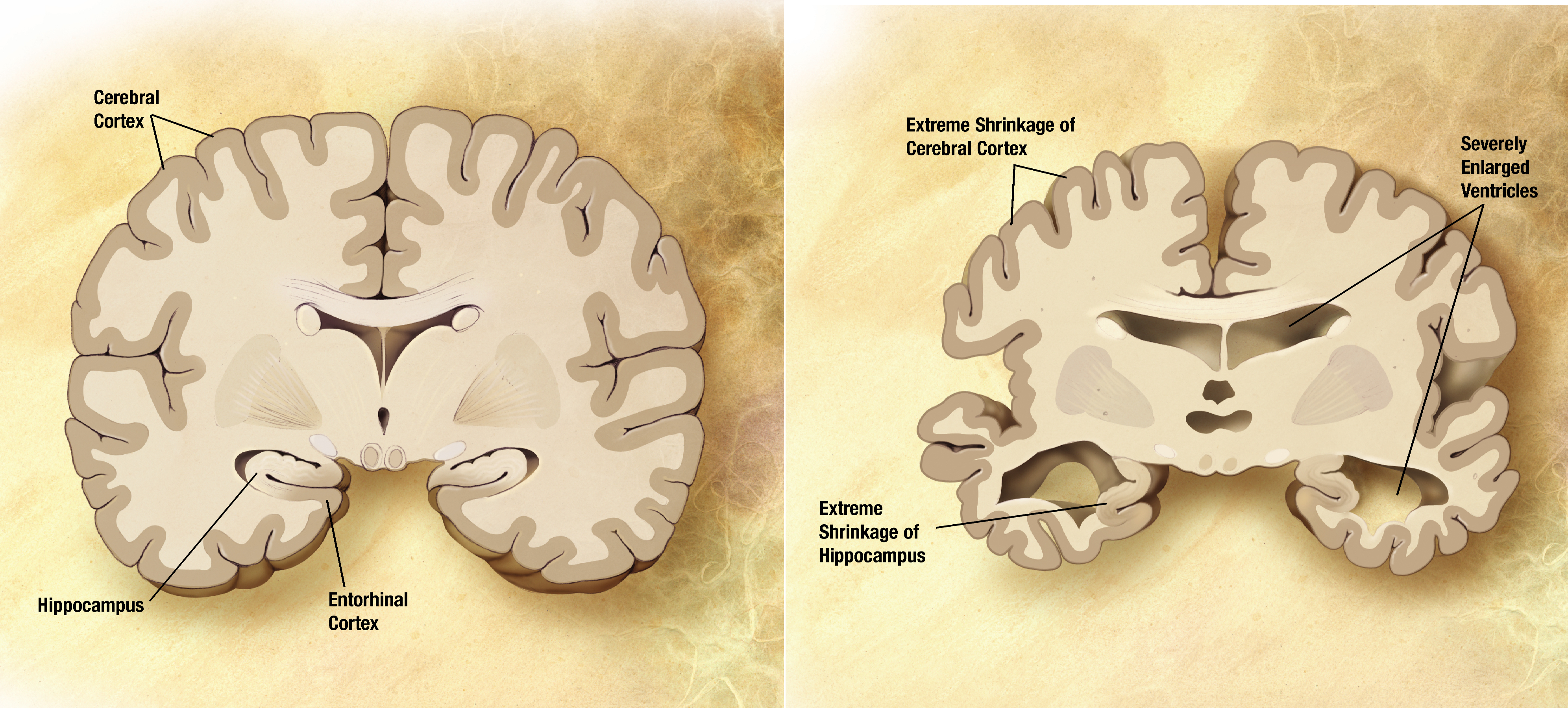
Neurodegenerative disorders, such as Alzheimer's disease, Parkinson's disease, and amyotrophic lateral sclerosis, are characterized by the progressive loss of neurons, leading to irreversible damage and ultimately, neuronal death. With no known cure, research focuses on understanding the underlying mechanisms, including oxidative stress and inflammation, to develop effective therapeutic strategies. The similarities between these diseases at the subcellular level, including atypical protein assemblies and induced cell death, offer hope for the discovery of common therapeutic targets. According to the World Health Organization (WHO), neurodegenerative diseases affect millions of people worldwide, with the number expected to triple by 2050. The National Institutes of Health (NIH) estimates that the economic burden of neurodegenerative diseases in the United States alone exceeds $1 trillion annually. As the global population ages, the need for effective treatments and prevention strategies becomes increasingly urgent. Recent studies published in the journal Nature and the New England Journal of Medicine have shed light on the potential role of genetic mutations and environmental factors in the development of neurodegenerative disorders, highlighting the complex interplay between genetic and environmental influences.
🎵 Origins & History
The study of neurodegenerative disorders has a rich history, dating back to the early 20th century when Alois Alzheimer first described the disease that would bear his name. Since then, significant progress has been made in understanding the underlying mechanisms of neurodegeneration, including the role of oxidative stress and inflammation. The discovery of tau protein and its involvement in Alzheimer's disease has led to a greater understanding of the molecular mechanisms underlying neurodegeneration. Researchers at the National Institutes of Health and the World Health Organization are working together to develop effective therapeutic strategies for the treatment of neurodegenerative disorders.
⚙️ How It Works
Neurodegenerative disorders are characterized by the progressive loss of neurons, leading to irreversible damage and ultimately, neuronal death. The underlying mechanisms of neurodegeneration are complex and multifaceted, involving the interplay of genetic mutations, environmental factors, and lifestyle choices. Research has shown that oxidative stress and inflammation are two major contributing factors to neurodegeneration. The development of effective therapeutic strategies will require a deeper understanding of these mechanisms and the identification of common therapeutic targets. Studies published in the journal Nature and the New England Journal of Medicine have highlighted the potential role of stem cell therapy and gene therapy in the treatment of neurodegenerative disorders.
📊 Key Facts & Numbers
The statistics surrounding neurodegenerative disorders are staggering. According to the World Health Organization, neurodegenerative diseases affect millions of people worldwide, with the number expected to triple by 2050. The economic burden of neurodegenerative diseases is significant, with the National Institutes of Health estimating that the annual cost in the United States alone exceeds $1 trillion. The development of effective therapeutic strategies will require significant investment in research and development. Researchers at the University of California and the Massachusetts Institute of Technology are working together to develop new treatments for neurodegenerative disorders, including Parkinson's disease and Huntington's disease.
👥 Key People & Organizations
Key people and organizations involved in the study and treatment of neurodegenerative disorders include Alois Alzheimer, James Parkinson, and the National Institutes of Health. The World Health Organization and the Alzheimer's Association are also major players in the field, providing funding and support for research and awareness campaigns. Researchers at the Stanford University and the Harvard University are working together to develop new treatments for neurodegenerative disorders, including amyotrophic lateral sclerosis and multiple sclerosis.
🌍 Cultural Impact & Influence
Neurodegenerative disorders have a significant cultural impact and influence, affecting not only the individuals diagnosed but also their families and caregivers. The development of effective therapeutic strategies will require a deeper understanding of the social and economic factors surrounding neurodegenerative diseases. The Alzheimer's Association and the Parkinson's Foundation are working to raise awareness and provide support for those affected by neurodegenerative disorders. The American Medical Association and the National Institute on Aging are also major players in the field, providing funding and support for research and awareness campaigns.
⚡ Current State & Latest Developments
The current state of research into neurodegenerative disorders is rapidly evolving, with new discoveries and advancements being made regularly. The development of effective therapeutic strategies will require continued investment in research and development. Researchers at the University of Oxford and the University of Cambridge are working together to develop new treatments for neurodegenerative disorders, including tauopathies and prion diseases. The National Institutes of Health and the World Health Organization are also major players in the field, providing funding and support for research and awareness campaigns.
🤔 Controversies & Debates
There are several controversies and debates surrounding neurodegenerative disorders, including the role of genetic mutations and environmental factors in the development of these diseases. The use of stem cell therapy and gene therapy is also a topic of debate, with some researchers arguing that these approaches hold great promise for the treatment of neurodegenerative disorders. Researchers at the University of California and the Massachusetts Institute of Technology are working together to develop new treatments for neurodegenerative disorders, including Parkinson's disease and Huntington's disease.
🔮 Future Outlook & Predictions
The future outlook for neurodegenerative disorders is complex and multifaceted, with significant challenges and opportunities ahead. The development of effective therapeutic strategies will require continued investment in research and development, as well as a deeper understanding of the underlying mechanisms of neurodegeneration. Researchers at the Stanford University and the Harvard University are working together to develop new treatments for neurodegenerative disorders, including amyotrophic lateral sclerosis and multiple sclerosis. The National Institutes of Health and the World Health Organization are also major players in the field, providing funding and support for research and awareness campaigns.
💡 Practical Applications
The practical applications of research into neurodegenerative disorders are significant, with the potential to improve the lives of millions of people worldwide. The development of effective therapeutic strategies will require a deeper understanding of the underlying mechanisms of neurodegeneration, as well as the identification of common therapeutic targets. Researchers at the University of Oxford and the University of Cambridge are working together to develop new treatments for neurodegenerative disorders, including tauopathies and prion diseases. The Alzheimer's Association and the Parkinson's Foundation are also major players in the field, providing funding and support for research and awareness campaigns.
Key Facts
- Year
- 2022
- Origin
- Global
- Category
- chronic-conditions
- Type
- concept
Frequently Asked Questions
What is the most common type of neurodegenerative disorder?
Alzheimer's disease is the most common type of neurodegenerative disorder, affecting millions of people worldwide. According to the World Health Organization, Alzheimer's disease is responsible for 60-70% of all dementia cases. Researchers at the National Institutes of Health are working to develop new treatments for Alzheimer's disease, including stem cell therapy and gene therapy.
What are the symptoms of neurodegenerative disorders?
The symptoms of neurodegenerative disorders can vary depending on the specific disease, but common symptoms include memory loss, cognitive decline, and motor dysfunction. According to the Alzheimer's Association, the early symptoms of Alzheimer's disease can include memory loss, confusion, and difficulty with communication. Researchers at the University of California are working to develop new diagnostic tools for neurodegenerative disorders, including biomarkers and imaging techniques.
Is there a cure for neurodegenerative disorders?
Currently, there is no cure for neurodegenerative disorders, but researchers are working to develop effective therapeutic strategies. According to the National Institutes of Health, several promising treatments are being developed, including stem cell therapy and gene therapy. The World Health Organization is also working to develop new treatments for neurodegenerative disorders, including tauopathies and prion diseases.
What is the economic burden of neurodegenerative disorders?
The economic burden of neurodegenerative disorders is significant, with the National Institutes of Health estimating that the annual cost in the United States alone exceeds $1 trillion. According to the Alzheimer's Association, the cost of caring for people with Alzheimer's disease is expected to exceed $2 trillion by 2050. Researchers at the University of Oxford are working to develop new treatments for neurodegenerative disorders, including amyotrophic lateral sclerosis and multiple sclerosis.
What is the current state of research into neurodegenerative disorders?
The current state of research into neurodegenerative disorders is rapidly evolving, with new discoveries and advancements being made regularly. According to the World Health Organization, researchers are working to develop new treatments for neurodegenerative disorders, including stem cell therapy and gene therapy. The National Institutes of Health is also working to develop new diagnostic tools for neurodegenerative disorders, including biomarkers and imaging techniques.
What are the most promising treatments for neurodegenerative disorders?
The most promising treatments for neurodegenerative disorders include stem cell therapy and gene therapy. According to the Alzheimer's Association, these approaches have shown significant promise in preclinical trials and are currently being tested in human clinical trials. Researchers at the University of California are working to develop new treatments for neurodegenerative disorders, including Parkinson's disease and Huntington's disease.
What is the role of genetic mutations in the development of neurodegenerative disorders?
Genetic mutations play a significant role in the development of neurodegenerative disorders, with many diseases being caused by specific genetic mutations. According to the National Institutes of Health, researchers are working to develop new treatments for neurodegenerative disorders, including gene therapy. The World Health Organization is also working to develop new diagnostic tools for neurodegenerative disorders, including genetic testing.