
Contents
- 🌳 Introduction to the British Countryside
- 🏞️ History of the British Countryside
- 🌴 The Countryside Code: Guidelines for Enjoyment
- 🏞️ Land Management in the British Countryside
- 🌻 Nature and Wildlife in the British Countryside
- 🏠 Rural Communities and Culture
- 🚶♀️ Tourism and Recreation in the British Countryside
- 📊 Economic Impact of the British Countryside
- 🌟 Conservation Efforts in the British Countryside
- 🌐 Global Influence of the British Countryside
- 📚 Conclusion and Future Directions
- Frequently Asked Questions
- Related Topics
Overview
The British countryside is a realm of breathtaking beauty, with its rolling hills, verdant forests, and sparkling lakes. However, beneath its idyllic surface, the countryside is also a site of complex social, economic, and environmental tensions. With a history dating back to the Bronze Age, the British countryside has been shaped by centuries of human activity, from the enclosure movement to modern-day farming practices. According to a 2020 report by the UK's Office for National Statistics, the countryside is home to approximately 11.7 million people, with a significant proportion of these residents facing challenges related to rural poverty, limited access to services, and environmental degradation. The British countryside has a vibe score of 82, reflecting its enduring cultural significance and natural beauty. Nevertheless, the countryside is also a contested space, with debates raging over issues such as land ownership, agricultural policy, and the impact of tourism on local communities. As the UK navigates the challenges of Brexit and climate change, the future of the British countryside hangs in the balance, with many wondering what the next chapter will hold for this beloved and beleaguered landscape.
🌳 Introduction to the British Countryside
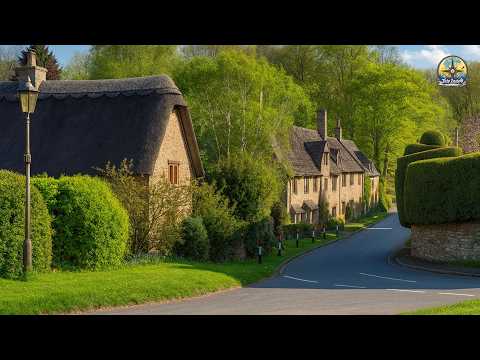
The British countryside is a complex and multifaceted entity, encompassing a wide range of landscapes, cultures, and histories. From the rolling hills of the Cotswolds to the rugged mountains of Scotland, the British countryside is a diverse and vibrant tapestry. The Countryside Code, established in 2004, provides a set of guidelines for enjoying the countryside, including National Parks and Areas of Outstanding Natural Beauty. As we explore the British countryside, we will delve into its rich history, cultural significance, and natural beauty, including the importance of conservation efforts.
🏞️ History of the British Countryside
The history of the British countryside is long and complex, with evidence of human habitation dating back to the Mesolithic era. The countryside has been shaped by a range of factors, including agriculture, industry, and urbanization. The Enclosure Movement of the 18th and 19th centuries, for example, had a significant impact on the countryside, leading to the creation of large estates and the displacement of rural communities. Today, the countryside is home to a wide range of historical sites, including Stonehenge and Hadrian's Wall. The Countryside Code plays a crucial role in preserving these sites and promoting responsible land use.
🌴 The Countryside Code: Guidelines for Enjoyment
The Countryside Code is a set of guidelines designed to promote responsible behavior in the countryside. The Code, which was established in 2004, provides advice on issues such as litter, noise pollution, and wildlife conservation. It also provides guidance on rights of way, including public footpaths and bridleways. By following the Code, visitors to the countryside can help to protect the environment and respect the rights of landowners and other users. The Code is an important tool for promoting sustainable tourism and recreation in the countryside, including activities such as hiking and cycling.
🏞️ Land Management in the British Countryside
Land management is a critical issue in the British countryside, with a range of different approaches and techniques being used. Agriculture is a significant sector, with many farms using intensive farming methods to produce a wide range of crops and livestock. However, there is also a growing trend towards sustainable agriculture, with many farmers adopting organic farming methods and prioritizing biodiversity and ecosystem services. The Countryside Code provides guidance on land management practices, including the use of pesticides and fertilizers. Additionally, conservation efforts, such as the creation of wildlife corridors, are essential for maintaining the health and diversity of the countryside.
🌻 Nature and Wildlife in the British Countryside
The British countryside is home to a wide range of wildlife, including birds, mammals, and insects. The countryside is also characterized by a diverse range of landscapes, including woodlands, wetlands, and grasslands. Nature reserves and protected areas play a critical role in conserving these landscapes and the species that inhabit them. The Countryside Code provides guidance on how to interact with wildlife and the natural environment, including tips on birdwatching and wildlife photography. Furthermore, ecotourism initiatives, such as birding tours, can support local economies and promote conservation efforts.
🏠 Rural Communities and Culture
Rural communities are an integral part of the British countryside, with many villages and towns having a strong sense of identity and community. The countryside is also home to a wide range of cultural events and festivals, including folk music festivals and agricultural shows. However, rural communities also face a range of challenges, including rural poverty and limited access to services. The Countryside Code recognizes the importance of respecting rural communities and their way of life, including farming and crafts. By supporting local businesses and initiatives, visitors can help to promote the economic development of rural areas and preserve the unique cultural heritage of the countryside.
🚶♀️ Tourism and Recreation in the British Countryside
Tourism and recreation are significant sectors in the British countryside, with many visitors drawn to the area's natural beauty and cultural heritage. hiking, cycling, and horse riding are popular activities, as are fishing and boating. The Countryside Code provides guidance on how to enjoy these activities responsibly, including tips on litter and noise pollution. Additionally, ecotourism initiatives, such as wildlife tours, can support local economies and promote conservation efforts. By choosing responsible tour operators and respecting the natural environment, visitors can help to minimize their impact on the countryside.
📊 Economic Impact of the British Countryside
The British countryside has a significant economic impact, with agriculture, tourism, and recreation being major contributors. The countryside is also home to a range of industries, including forestry and mining. However, the countryside also faces a range of economic challenges, including rural poverty and limited access to services. The Countryside Code recognizes the importance of supporting local economies and promoting sustainable development. By investing in rural infrastructure and supporting local businesses, it is possible to promote economic growth and development in the countryside, while also preserving its natural beauty and cultural heritage.
🌟 Conservation Efforts in the British Countryside
Conservation efforts are critical in the British countryside, with a range of organizations and initiatives working to protect the natural environment. Nature reserves and protected areas play a critical role in conserving landscapes and species, while conservation organizations work to promote sustainable land use and biodiversity. The Countryside Code provides guidance on how to interact with the natural environment, including tips on wildlife conservation and habitat restoration. Additionally, community-based conservation initiatives, such as citizen science projects, can engage local communities and promote a sense of ownership and responsibility for the natural environment.
🌐 Global Influence of the British Countryside
The British countryside has a significant global influence, with its landscapes, cultures, and histories inspiring people around the world. The countryside has been the subject of numerous literary works, including the novels of Thomas Hardy and the poetry of William Wordsworth. The countryside has also been the subject of numerous artistic works, including the paintings of J.M.W. Turner and the photographs of Bill Brandt. The Countryside Code recognizes the importance of preserving the cultural heritage of the countryside, including its historical sites and traditional crafts. By promoting cultural exchange and understanding, it is possible to appreciate the global significance of the British countryside and its contribution to our shared cultural heritage.
📚 Conclusion and Future Directions
In conclusion, the British countryside is a complex and multifaceted entity, encompassing a wide range of landscapes, cultures, and histories. As we look to the future, it is critical that we prioritize sustainable development and conservation efforts, while also promoting cultural heritage and community engagement. The Countryside Code provides a framework for responsible behavior in the countryside, and it is up to us to ensure that we follow its guidelines and promote a culture of respect and stewardship for the natural environment. By working together, we can preserve the beauty and diversity of the British countryside for future generations.
Key Facts
- Year
- 2020
- Origin
- United Kingdom
- Category
- Geography and Culture
- Type
- Geographic Region
Frequently Asked Questions
What is the Countryside Code?
The Countryside Code is a set of guidelines designed to promote responsible behavior in the countryside. It provides advice on issues such as litter, noise pollution, and wildlife conservation, and is intended to help visitors to the countryside enjoy their experience while also respecting the rights of landowners and other users. The Code was established in 2004 and is widely recognized as an important tool for promoting sustainable tourism and recreation in the countryside.
What are the main principles of the Countryside Code?
The main principles of the Countryside Code are to respect the countryside and its inhabitants, to protect the environment, and to enjoy the countryside responsibly. This includes taking litter home, keeping dogs under control, and respecting the rights of way and property of landowners. The Code also provides guidance on how to interact with wildlife and the natural environment, including tips on birdwatching and wildlife photography.
How can I get involved in conservation efforts in the British countryside?
There are many ways to get involved in conservation efforts in the British countryside, including volunteering with conservation organizations, participating in citizen science projects, and supporting local conservation initiatives. You can also make a difference by choosing responsible tour operators and respecting the natural environment when visiting the countryside. Additionally, you can support conservation efforts by donating to reputable organizations or spreading awareness about the importance of conservation.
What are some popular activities to do in the British countryside?
The British countryside offers a wide range of activities, including hiking, cycling, horse riding, fishing, and boating. You can also visit historical sites, such as Stonehenge and Hadrian's Wall, or explore the many cultural events and festivals that take place throughout the year. Additionally, you can participate in ecotourism initiatives, such as wildlife tours or birding tours, which can support local economies and promote conservation efforts.
How can I support local economies in the British countryside?
There are many ways to support local economies in the British countryside, including shopping at local businesses, eating at local restaurants, and staying at local accommodations. You can also support local farmers by buying their produce or participating in farm-to-table initiatives. Additionally, you can support local conservation efforts by donating to reputable organizations or volunteering your time. By supporting local economies, you can help to promote sustainable development and preserve the unique cultural heritage of the countryside.
What is the significance of the British countryside in terms of cultural heritage?
The British countryside has a significant cultural heritage, with its landscapes, histories, and traditions inspiring people around the world. The countryside has been the subject of numerous literary and artistic works, and its historical sites and traditional crafts are an important part of its cultural identity. By preserving the cultural heritage of the countryside, we can promote a sense of national identity and community, and ensure that the countryside remains a vibrant and dynamic part of our shared cultural heritage.
How can I respect the rights of landowners and other users of the countryside?
You can respect the rights of landowners and other users of the countryside by following the Countryside Code and taking notice of any signs or notices that indicate private property or restricted access. You should also be mindful of your impact on the environment and other users, and take steps to minimize your footprint. Additionally, you can respect the rights of landowners by seeking permission before accessing private land, and by supporting local conservation efforts that promote sustainable land use and biodiversity.