
Contents
- 🏙️ Introduction to Urbanization
- 📊 Urbanization Trends and Statistics
- 🏥 Impact on Public Health
- 🌎 Environmental Considerations
- 👥 Social and Economic Factors
- 📈 Challenges and Opportunities
- 🤝 Collaborative Solutions
- 🌐 Global Perspectives
- 📊 Future Outlook and Predictions
- Frequently Asked Questions
- References
- Related Topics
Overview
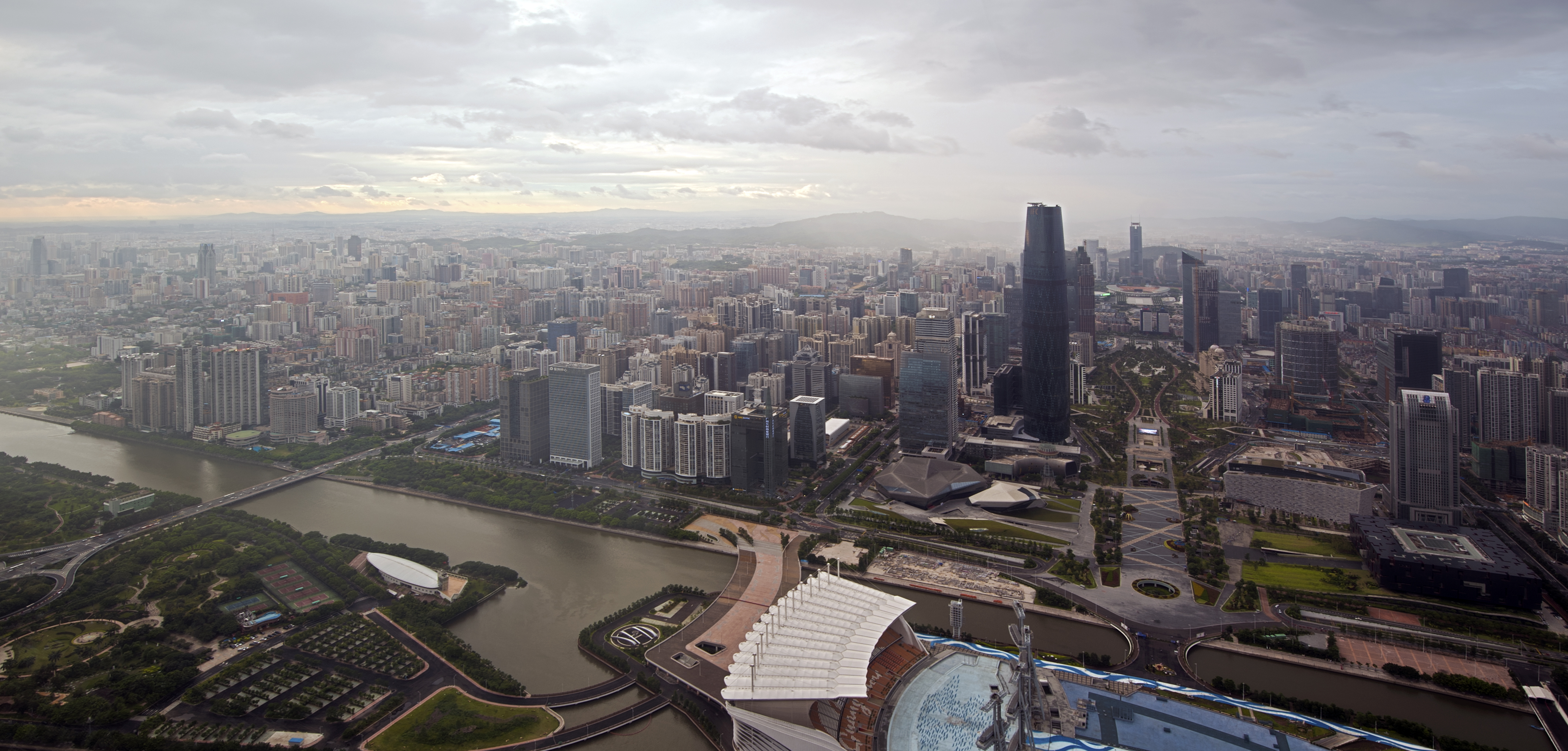
Urbanization, the long-term population shift from rural to urban areas, has significant implications for public health. As more people move to cities, the proportion of the population living in urban areas increases, leading to changes in lifestyle, behavior, and access to healthcare. This shift poses unique challenges for public health, including the spread of infectious diseases, increased air pollution, and limited access to green spaces and recreational areas. Understanding the effects of urbanization on public health is crucial for developing effective strategies to mitigate these challenges and promote healthy urban living. Low-income communities are often disproportionately affected by poor living conditions and limited access to healthcare.
🏙️ Introduction to Urbanization
Urbanization is a complex and multifaceted phenomenon that has been shaping the world for centuries. The process of urbanization is driven by a combination of factors, including economic opportunities, improved access to education and healthcare, and the desire for a better quality of life. As people move from rural to urban areas, they often experience significant changes in their lifestyle, behavior, and access to resources.
📊 Urbanization Trends and Statistics
The impact of urbanization on public health is a major concern. Urban areas are often characterized by high population densities, poor living conditions, and limited access to healthcare services. This can lead to the spread of infectious diseases, such as tuberculosis and influenza, as well as increased rates of obesity, diabetes, and other chronic diseases. Low-income communities are often disproportionately affected by poor living conditions and limited access to healthcare.
🏥 Impact on Public Health
Environmental considerations are also critical in urban areas. The high population densities and lack of green spaces in cities can lead to increased air pollution, heat islands, and other environmental problems.
🌎 Environmental Considerations
Social and economic factors also play a significant role in urbanization. The process of urbanization is often driven by economic opportunities, but it can also lead to social and economic disparities.
📈 Challenges and Opportunities
Collaborative solutions are essential for addressing the challenges posed by urbanization. Governments, NGOs, and private sector partners must work together to develop and implement effective strategies for promoting public health and wellbeing in urban areas.
🤝 Collaborative Solutions
Global perspectives are critical in understanding the impact of urbanization on public health. The process of urbanization is a global phenomenon, with different regions and countries experiencing unique challenges and opportunities.
🌐 Global Perspectives
The future outlook for urbanization is complex and multifaceted. While there are significant challenges posed by urbanization, there are also opportunities for promoting public health and wellbeing.
📊 Future Outlook and Predictions
Low-income communities are often disproportionately affected by poor living conditions and limited access to healthcare, reportedly due to various social and economic factors.
Key Facts
- Origin
- Global
- Category
- public-health
- Type
- concept
Frequently Asked Questions
What is urbanization and how does it affect public health?
Urbanization is the process of people moving from rural to urban areas, which can lead to changes in lifestyle, behavior, and access to healthcare. This can result in the spread of infectious diseases, increased air pollution, and limited access to green spaces and recreational areas. Low-income communities are often disproportionately affected by poor living conditions and limited access to healthcare.
What are the social and economic factors that drive urbanization?
The process of urbanization is often driven by economic opportunities, but it can also lead to social and economic disparities.
👥 Social and Economic Factors
Despite the challenges posed by urbanization, there are also opportunities for promoting public health and wellbeing. Cities can provide a unique platform for innovation and experimentation, allowing for the development of new technologies, policies, and programs that address the health needs of urban populations.