
Contents
- 🏞️ Introduction to the Cotswolds
- 🏠 Architecture and Stone
- 🌳 Geography and Landscape
- 🏞️ Countryside and Villages
- 🏃♀️ Outdoor Activities and Sports
- 📸 Tourism and Travel
- 🍴 Food and Drink
- 🏰 Stately Homes and Gardens
- 📚 History and Heritage
- 👥 Local Culture and Community
- 🚗 Transportation and Access
- Frequently Asked Questions
- Related Topics
Overview
The Cotswolds, spanning nearly 800 square miles across south-central England, is a region of outstanding natural beauty, with its distinctive limestone villages, such as Bourton-on-the-Water and Stow-on-the-Wold, attracting millions of visitors each year. The area's unique charm is characterized by its picturesque landscapes, historic market towns, and an array of cultural festivals. With a history dating back to the Iron Age, the Cotswolds have been a significant hub for the wool and textile industries, leaving behind a legacy of stunning architecture and a strong sense of community. Today, the region is a popular destination for outdoor activities, including hiking, cycling, and horse riding, with the Cotswold Way, a 102-mile trail, being a major draw. The Cotswolds have also been a source of inspiration for numerous artists and writers, including J.M. Barrie and William Morris, and continue to influence contemporary culture. As the region looks to the future, it must balance the needs of tourism with the preservation of its natural and cultural heritage, ensuring the Cotswolds remain a vibrant and thriving part of English identity.
🏞️ Introduction to the Cotswolds
The Cotswolds, located in the heart of England, is a region known for its picturesque countryside, rolling hills, and quaint villages. The area is characterized by its unique Jurassic limestone bedrock, which creates a distinct type of grassland habitat. This habitat is home to a diverse range of flora and fauna, and is often referred to as the Cotswold grasslands. The Cotswolds spans across several English counties, including Gloucestershire, Oxfordshire, and parts of Wiltshire, Somerset, Worcestershire, and Warwickshire. The region's highest point is Cleeve Hill, which stands at 1,083 ft (330 m) and offers breathtaking views of the surrounding countryside.
🏠 Architecture and Stone
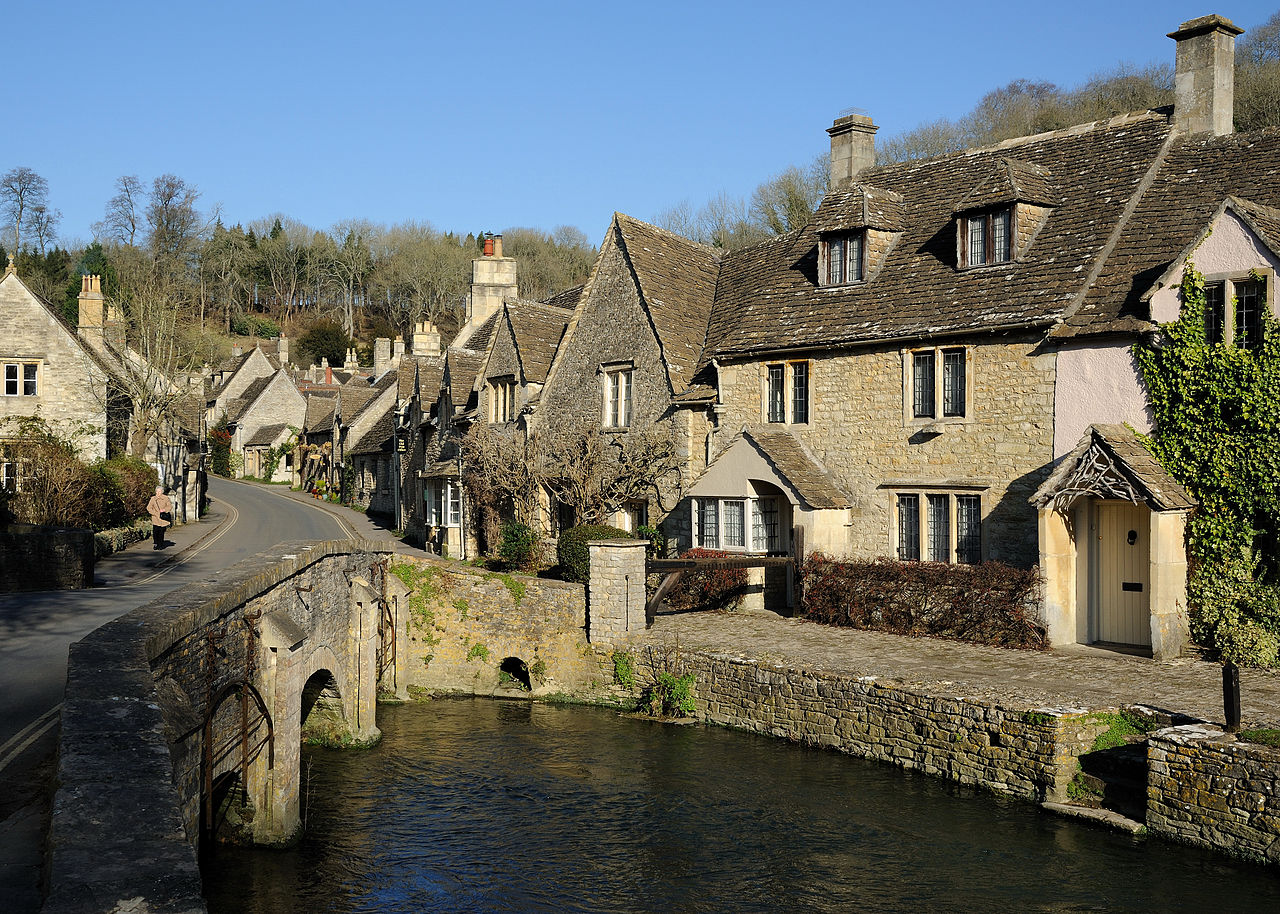
The Cotswolds is renowned for its stunning Cotswold stone architecture, which is characterized by its warm, golden color. This unique stone is quarried from the local Jurassic limestone and is used to build the region's distinctive stone-built villages, towns, and stately homes. The use of local materials and traditional building techniques has helped to preserve the area's unique character and charm. Visitors can explore the many Cotswold villages, each with its own unique history and architecture, such as Bourton-on-the-Water and Stow-on-the-Wold.
🌳 Geography and Landscape
The Cotswolds' geography is defined by its rolling hills, valleys, and escarpments. The region's landscape is dotted with woodlands, meadows, and River Thames valleys, creating a diverse and picturesque environment. The Severn Valley and the Vale of Evesham are two of the region's most notable geographical features, and offer stunning views and opportunities for outdoor activities. The Cotswolds is also home to several Areas of Outstanding Natural Beauty, which are protected for their unique natural beauty and biodiversity.
🏞️ Countryside and Villages
The Cotswolds is a haven for those who love the countryside and outdoor activities. The region offers a range of hiking trails, cycling routes, and horse riding opportunities, allowing visitors to explore the area's stunning landscape. The Cotswold Way is a popular National Trail that runs through the region, offering breathtaking views and a chance to experience the area's unique culture and history. Visitors can also explore the region's many villages and market towns, each with its own unique character and charm.
🏃♀️ Outdoor Activities and Sports
The Cotswolds is a popular destination for tourists and travelers, with its unique blend of natural beauty, history, and culture. Visitors can explore the region's many stately homes and gardens, such as Blenheim Palace and Hidcote Manor Garden. The region is also home to a range of museums and galleries, showcasing the area's rich history and cultural heritage. The Cotswold Wildlife Park is a must-visit attraction, with its unique collection of animals and interactive exhibits.
📸 Tourism and Travel
The Cotswolds is renowned for its delicious local cuisine, which showcases the region's fresh produce and traditional recipes. Visitors can sample the area's famous Cotswold cheese, Gloucestershire sausages, and local ales. The region is also home to a range of farmers' markets and food festivals, celebrating the area's rich food heritage. The Tetbury Wool Sack is a popular pub and restaurant, serving up delicious local dishes and drinks.
🍴 Food and Drink
The Cotswolds is home to some of England's most stunning stately homes and gardens, which showcase the region's unique architecture and horticultural heritage. Visitors can explore the grand Chastleton House, with its impressive Jacobean architecture and beautiful gardens. The Snowshill Manor is another must-visit attraction, with its unique collection of artefacts and curiosities. The Cotswold gardens are a haven for gardening enthusiasts, with their beautiful flower beds and topiary.
🏰 Stately Homes and Gardens
The Cotswolds has a rich and varied history, with evidence of human settlement dating back to the Iron Age. The region is home to a range of historical sites, including Roman villas and medieval castles. The Cotswold Archaeological Trust is a great resource for visitors, providing information and guidance on the area's historical heritage. The Gloucester Cathedral is a must-visit attraction, with its stunning Gothic architecture and beautiful stained glass windows.
📚 History and Heritage
The Cotswolds has a unique and vibrant local culture, with a strong sense of community and tradition. Visitors can experience the area's rich cultural heritage by attending one of the many local festivals, such as the Tetbury Wool Sack Festival. The region is also home to a range of local arts and crafts, including pottery, weaving, and woodworking. The Cotswold Arts and Crafts movement is a significant part of the area's cultural heritage, and visitors can explore the many galleries and studios showcasing local artists' work.
👥 Local Culture and Community
The Cotswolds is easily accessible by car, with several major roads and motorways passing through the region. Visitors can also use public transportation, including buses and trains, to get around the area. The Great Western Railway is a convenient way to travel to the Cotswolds, with regular services from London and other major cities. The Cotswold Airport is a small regional airport, offering flights to destinations across the UK and Europe.
Key Facts
- Year
- 1966
- Origin
- England, UK
- Category
- Travel and Geography
- Type
- Geographic Region
Frequently Asked Questions
What is the Cotswolds?
The Cotswolds is a region in South West, South Central England and West Midlands, characterized by its unique Jurassic limestone bedrock and picturesque countryside. The area is known for its rolling hills, valleys, and escarpments, and is home to a range of stone-built villages, stately homes, and gardens.
Where is the Cotswolds located?
The Cotswolds is located in the heart of England, spanning across several English counties, including Gloucestershire, Oxfordshire, and parts of Wiltshire, Somerset, Worcestershire, and Warwickshire.
What is the highest point in the Cotswolds?
The highest point in the Cotswolds is Cleeve Hill, which stands at 1,083 ft (330 m) and offers breathtaking views of the surrounding countryside.
What are the main attractions in the Cotswolds?
The Cotswolds is home to a range of attractions, including stately homes, gardens, museums, and galleries. Visitors can explore the region's unique Cotswold stone architecture, sample the local cuisine, and enjoy the area's beautiful countryside and outdoor activities.
How do I get to the Cotswolds?
What is the best time to visit the Cotswolds?
The best time to visit the Cotswolds depends on your preferences and interests. The region is beautiful throughout the year, with each season offering its own unique charm and attractions. Spring and summer are popular times to visit, with warm weather and long days, while autumn and winter offer a more peaceful and serene atmosphere.
What are the most popular activities in the Cotswolds?
The Cotswolds offers a range of activities, including hiking, cycling, horse riding, and fishing. Visitors can also explore the region's many stately homes, gardens, and museums, and sample the local cuisine and drinks.