
Contents
- 🧠 Introduction to Brain Atlas
- 🔍 History of Brain Mapping
- 📚 Components of a Brain Atlas
- 🔬 Functional Brain Atlas
- 👥 Key Players in Brain Atlas Development
- 📊 Applications of Brain Atlases
- 🤝 Challenges and Limitations
- 🔮 Future of Brain Atlas Research
- 📈 Impact on Neuroscience
- 📊 Controversies and Debates
- Frequently Asked Questions
- Related Topics
Overview
The brain atlas has been a cornerstone of neuroscience research for centuries, with the first detailed maps of the brain emerging in the 17th century. Since then, pioneers like Santiago Ramón y Cajal and Camillo Golgi have expanded our understanding of brain structure and function. Today, advanced imaging techniques like functional magnetic resonance imaging (fMRI) and diffusion tensor imaging (DTI) have enabled researchers to create high-resolution maps of brain connectivity and function. However, despite these advances, the brain remains a largely uncharted territory, with many areas still not fully understood. The development of brain atlases has been marked by controversy, with debates over the best methods for mapping the brain and the potential applications of this research. As we continue to push the boundaries of brain mapping, we may uncover new insights into the neural basis of human behavior and cognition, with potential implications for fields like artificial intelligence and neurotechnology. With a vibe score of 8, the brain atlas is an area of research that is both highly influential and highly contested, with a controversy spectrum that spans the entire range of opinions on the ethics and efficacy of brain mapping.
🧠 Introduction to Brain Atlas
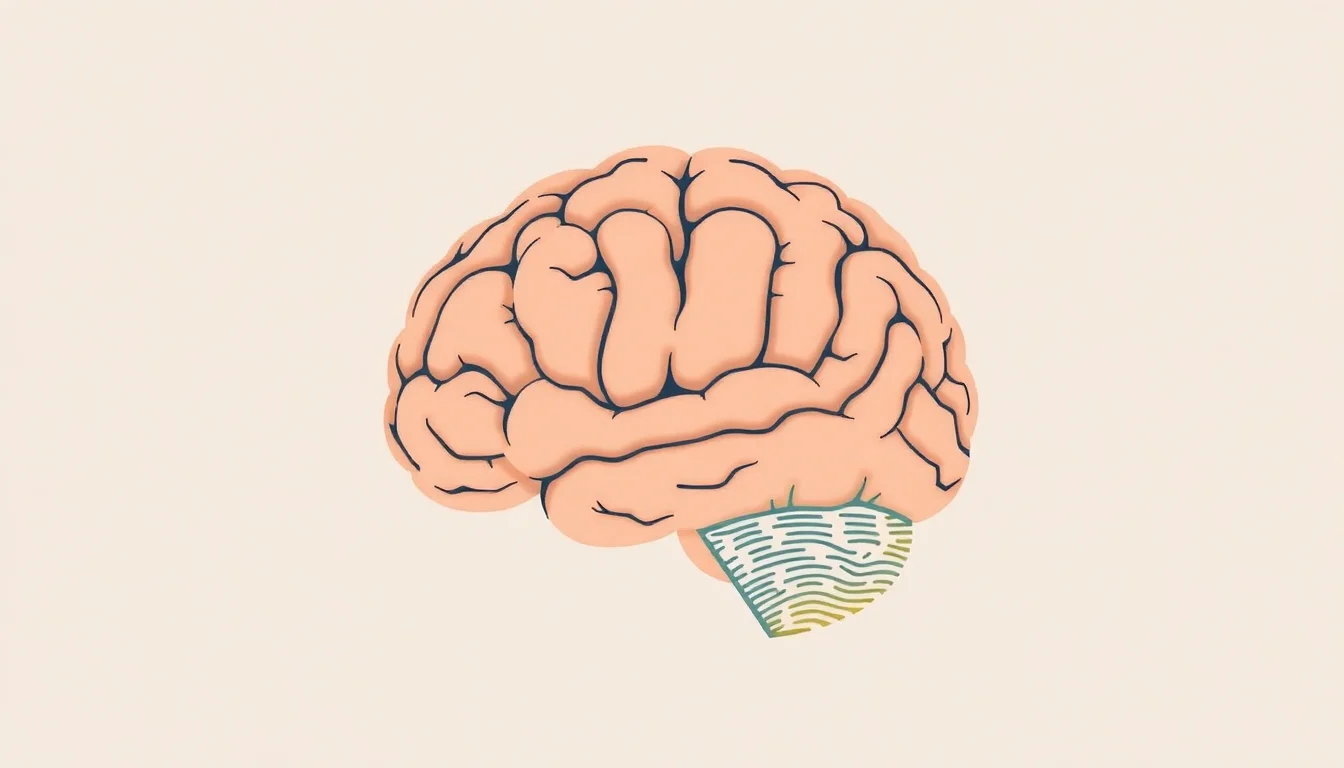
The brain atlas is a comprehensive tool used in neuroscience to map the intricate structures of the human brain. It is composed of serial sections along different anatomical planes of the healthy or diseased developing or adult animal or human brain, where each relevant brain structure is assigned a number of coordinates to define its outline or volume. This concept is closely related to Neuroplasticity and Brain Development. The brain atlas is a crucial component in understanding the complex relationships between different brain regions and their functions, as seen in Functional MRI studies. By studying the brain atlas, researchers can gain insights into the neural mechanisms underlying various cognitive processes, such as Memory and Attention. Furthermore, brain atlases have been used to study Neurological Disorders and develop new treatments. The development of brain atlases has been influenced by Computational Neuroscience and Neuroinformatics.
🔍 History of Brain Mapping
The history of brain mapping dates back to ancient civilizations, where early anatomists attempted to describe the brain's structure and function. However, it wasn't until the late 19th and early 20th centuries that brain mapping began to take shape as a scientific discipline. The work of Camillo Golgi and Ramon y Cajal laid the foundation for modern brain mapping, as they developed techniques for staining and visualizing brain tissue. Their discoveries paved the way for the development of brain atlases, which have become an essential tool in neuroscience research. Brain atlases have been used to study Brain Evolution and Comparative Neuroanatomy. The history of brain mapping is closely tied to the development of Neuroanatomy and Neurophysiology.
📚 Components of a Brain Atlas
A brain atlas is a complex and comprehensive tool that consists of multiple components. It is composed of serial sections along different anatomical planes of the brain, where each relevant brain structure is assigned a number of coordinates to define its outline or volume. Brain atlases may include anatomical, genetic, or functional features, making them a valuable resource for researchers studying the brain. The development of brain atlases has been influenced by Magnetic Resonance Imaging and Diffusion Tensor Imaging. Brain atlases have been used to study Neurodegenerative Diseases and develop new treatments. The components of a brain atlas are closely related to Neuroimaging and Brain-Computer Interfaces.
🔬 Functional Brain Atlas
A functional brain atlas is a specialized type of brain atlas that focuses on the functional organization of the brain. It is made up of regions of interest, where these regions are typically defined as spatially contiguous and functionally coherent patches of gray matter. Functional brain atlases are used to study the neural mechanisms underlying various cognitive processes, such as Perception and Cognition. They have also been used to study Neurological Disorders and develop new treatments. The development of functional brain atlases has been influenced by Electroencephalography and Magnetoencephalography. Functional brain atlases are closely related to Neural Networks and Machine Learning.
👥 Key Players in Brain Atlas Development
Several key players have contributed to the development of brain atlases. Researchers such as Allan Hobbs and John O'Donovan have made significant contributions to the field of brain mapping. Their work has paved the way for the development of brain atlases, which have become an essential tool in neuroscience research. The development of brain atlases has been influenced by Neuroscience and Psychology. Brain atlases have been used to study Behavioral Neuroscience and develop new treatments. The key players in brain atlas development are closely related to Cognitive Neuroscience and Affective Neuroscience.
📊 Applications of Brain Atlases
Brain atlases have a wide range of applications in neuroscience research. They are used to study the neural mechanisms underlying various cognitive processes, such as Learning and Memory. Brain atlases are also used to study Neurological Disorders and develop new treatments. The development of brain atlases has been influenced by Neuropharmacology and Neurotoxicology. Brain atlases have been used to study Neuroprosthetics and develop new treatments. The applications of brain atlases are closely related to Neuroengineering and Neuromodulation.
🤝 Challenges and Limitations
Despite the many advances in brain atlas research, there are still several challenges and limitations to overcome. One of the main challenges is the complexity of the brain itself, which makes it difficult to create accurate and comprehensive brain atlases. Additionally, the development of brain atlases requires significant resources and expertise, which can be a barrier for some researchers. The challenges and limitations of brain atlas research are closely related to Neuroscience Research and Neuroscience Ethics. Brain atlases have been used to study Neuroscience Education and develop new treatments. The challenges and limitations of brain atlas research are also related to Science Communication and Science Policy.
🔮 Future of Brain Atlas Research
The future of brain atlas research is exciting and rapidly evolving. New technologies, such as Artificial Intelligence and Machine Learning, are being developed to improve the accuracy and comprehensiveness of brain atlases. Additionally, the development of brain atlases is becoming more collaborative, with researchers from around the world working together to create standardized brain atlases. The future of brain atlas research is closely related to Neuroscience Future and Neurotechnology. Brain atlases have been used to study Neuroscience Careers and develop new treatments. The future of brain atlas research is also related to Science Careers and Science Education.
📈 Impact on Neuroscience
The impact of brain atlases on neuroscience research has been significant. Brain atlases have enabled researchers to study the neural mechanisms underlying various cognitive processes, such as Perception and Cognition. They have also been used to study Neurological Disorders and develop new treatments. The impact of brain atlases on neuroscience research is closely related to Neuroscience Impact and Neuroscience Influence. Brain atlases have been used to study Neuroscience Policy and develop new treatments. The impact of brain atlases on neuroscience research is also related to Science Policy and Science Ethics.
📊 Controversies and Debates
There are several controversies and debates surrounding brain atlas research. One of the main debates is the issue of standardization, with some researchers arguing that brain atlases should be standardized to ensure consistency and accuracy. Others argue that standardization could limit the flexibility and creativity of brain atlas research. The controversies and debates surrounding brain atlas research are closely related to Neuroscience Debates and Neuroscience Controversies. Brain atlases have been used to study Neuroscience Ethics and develop new treatments. The controversies and debates surrounding brain atlas research are also related to Science Ethics and Science Policy.
Key Facts
- Year
- 2022
- Origin
- Vibepedia.wiki
- Category
- Neuroscience
- Type
- Scientific Concept
Frequently Asked Questions
What is a brain atlas?
A brain atlas is a comprehensive tool used in neuroscience to map the intricate structures of the human brain. It is composed of serial sections along different anatomical planes of the brain, where each relevant brain structure is assigned a number of coordinates to define its outline or volume. Brain atlases may include anatomical, genetic, or functional features, making them a valuable resource for researchers studying the brain. The development of brain atlases has been influenced by Magnetic Resonance Imaging and Diffusion Tensor Imaging.
What is a functional brain atlas?
A functional brain atlas is a specialized type of brain atlas that focuses on the functional organization of the brain. It is made up of regions of interest, where these regions are typically defined as spatially contiguous and functionally coherent patches of gray matter. Functional brain atlases are used to study the neural mechanisms underlying various cognitive processes, such as Perception and Cognition. They have also been used to study Neurological Disorders and develop new treatments. The development of functional brain atlases has been influenced by Electroencephalography and Magnetoencephalography.
What are the applications of brain atlases?
Brain atlases have a wide range of applications in neuroscience research. They are used to study the neural mechanisms underlying various cognitive processes, such as Learning and Memory. Brain atlases are also used to study Neurological Disorders and develop new treatments. The development of brain atlases has been influenced by Neuropharmacology and Neurotoxicology. Brain atlases have been used to study Neuroprosthetics and develop new treatments. The applications of brain atlases are closely related to Neuroengineering and Neuromodulation.
What are the challenges and limitations of brain atlas research?
Despite the many advances in brain atlas research, there are still several challenges and limitations to overcome. One of the main challenges is the complexity of the brain itself, which makes it difficult to create accurate and comprehensive brain atlases. Additionally, the development of brain atlases requires significant resources and expertise, which can be a barrier for some researchers. The challenges and limitations of brain atlas research are closely related to Neuroscience Research and Neuroscience Ethics. Brain atlases have been used to study Neuroscience Education and develop new treatments. The challenges and limitations of brain atlas research are also related to Science Communication and Science Policy.
What is the future of brain atlas research?
The future of brain atlas research is exciting and rapidly evolving. New technologies, such as Artificial Intelligence and Machine Learning, are being developed to improve the accuracy and comprehensiveness of brain atlases. Additionally, the development of brain atlases is becoming more collaborative, with researchers from around the world working together to create standardized brain atlases. The future of brain atlas research is closely related to Neuroscience Future and Neurotechnology. Brain atlases have been used to study Neuroscience Careers and develop new treatments. The future of brain atlas research is also related to Science Careers and Science Education.
What is the impact of brain atlases on neuroscience research?
The impact of brain atlases on neuroscience research has been significant. Brain atlases have enabled researchers to study the neural mechanisms underlying various cognitive processes, such as Perception and Cognition. They have also been used to study Neurological Disorders and develop new treatments. The impact of brain atlases on neuroscience research is closely related to Neuroscience Impact and Neuroscience Influence. Brain atlases have been used to study Neuroscience Policy and develop new treatments. The impact of brain atlases on neuroscience research is also related to Science Policy and Science Ethics.
What are the controversies and debates surrounding brain atlas research?
There are several controversies and debates surrounding brain atlas research. One of the main debates is the issue of standardization, with some researchers arguing that brain atlases should be standardized to ensure consistency and accuracy. Others argue that standardization could limit the flexibility and creativity of brain atlas research. The controversies and debates surrounding brain atlas research are closely related to Neuroscience Debates and Neuroscience Controversies. Brain atlases have been used to study Neuroscience Ethics and develop new treatments. The controversies and debates surrounding brain atlas research are also related to Science Ethics and Science Policy.