
Contents
- 🏛️ Introduction to the British Museum
- 📚 History of the British Museum
- 🌎 Collections and Exhibitions
- 👥 Visitors and Engagement
- 🤔 Controversies and Debates
- 📊 Statistics and Records
- 👑 The British Museum in the Modern Era
- 🌍 Influence and Legacy
- 📚 Research and Education
- 👥 Community and Outreach
- 📸 Digital Presence and Online Collections
- 👀 Future Developments and Plans
- Frequently Asked Questions
- Related Topics
Overview
The British Museum, founded in 1753 by Sir Hans Sloane, is home to over 8 million objects, including the Rosetta Stone, the Elgin Marbles, and the mummies in the Ancient Egypt gallery. With a vibe score of 8, the museum is a cultural powerhouse, attracting over 6 million visitors annually. However, its collections are also embroiled in controversy, with many questioning the ethics of displaying artifacts looted during the colonial era. The museum's origins are rooted in the Enlightenment values of discovery and education, but its legacy is complex, reflecting the tensions between preservation, cultural appropriation, and repatriation. As the museum looks to the future, it must navigate these challenges while continuing to inspire and educate the public. With a collection that spans over 2 million years of human history, the British Museum remains a vital institution, but one that must confront its own problematic past. The museum's influence extends beyond its walls, with many notable figures, including Neil MacGregor and Hartwig Fischer, having played a role in shaping its collections and exhibitions.
🏛️ Introduction to the British Museum
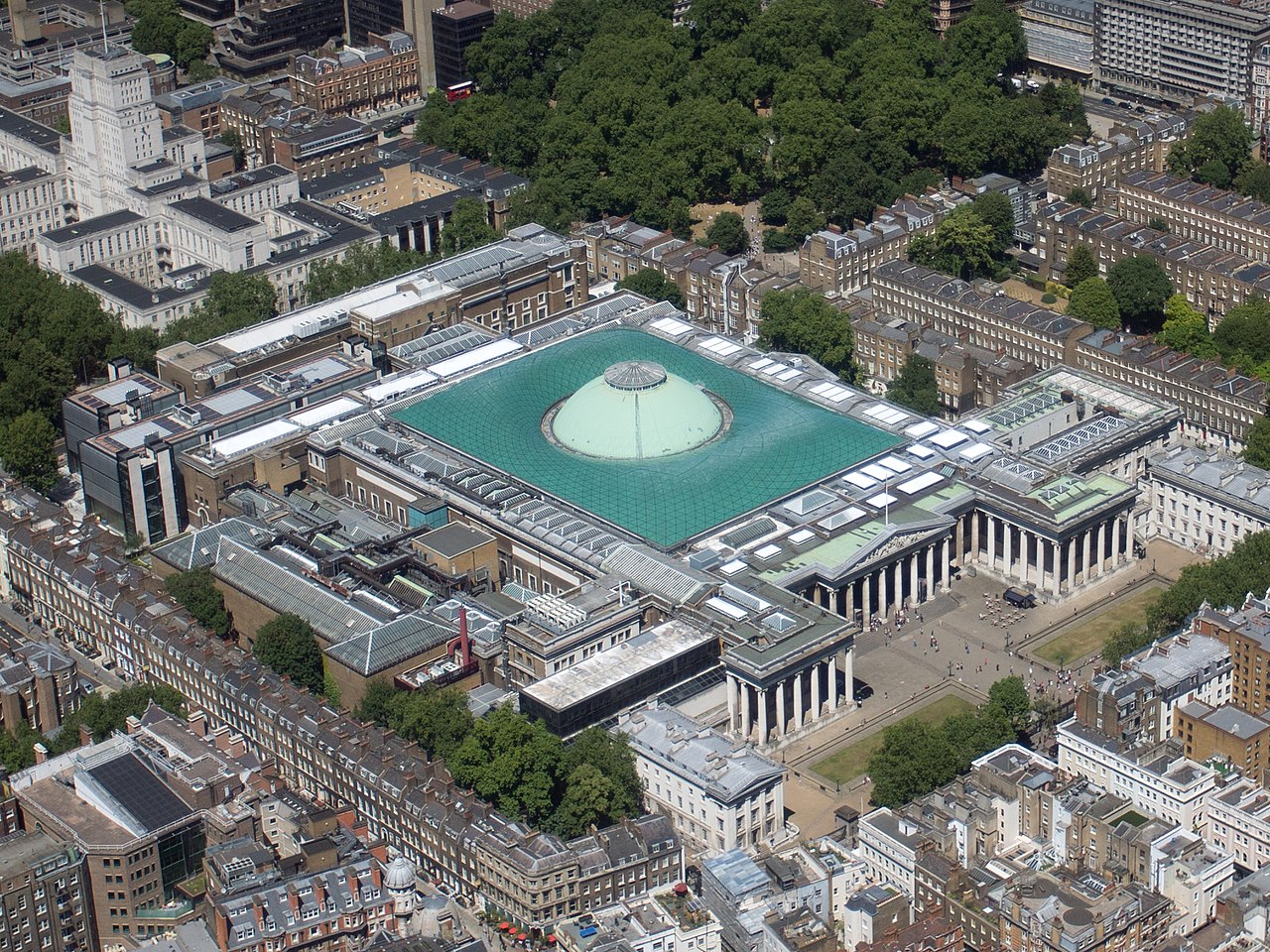
The British Museum is a public museum dedicated to human history, art and culture located in the Bloomsbury area of London. Its permanent collection of eight million works is the largest in the world, documenting the story of human culture from its beginnings to the present. The museum was established in 1753, making it the world's first public national museum. To learn more about the history of museums, visit the History of Museums page. The British Museum's vast collection includes artifacts from ancient civilizations such as Egyptian Civilization and Greece. The museum's collection is a testament to human ingenuity and creativity, with works of art and artifacts that span thousands of years.
📚 History of the British Museum
The history of the British Museum is a long and complex one, with its roots dating back to the 18th century. The museum was founded in 1753, with the goal of creating a public institution dedicated to the preservation and display of human history and culture. Over the years, the museum has undergone numerous expansions and renovations, including the addition of the British Library in 1973. To learn more about the history of the British Museum, visit the British Museum History page. The museum's collection has grown significantly over the years, with the addition of new artifacts and exhibits, such as the Rosetta Stone and the Elgin Marbles. The British Museum has also been at the center of controversy, with debates over the ownership and display of certain artifacts, such as the Benin Bronzes.
🌎 Collections and Exhibitions
The British Museum's collections and exhibitions are a major draw for visitors from around the world. The museum's permanent collection includes over eight million works, spanning thousands of years of human history and culture. The museum's exhibitions are designed to be engaging and informative, with interactive displays and hands-on activities for visitors of all ages. To learn more about the museum's collections, visit the British Museum Collections page. The museum's exhibitions include artifacts from ancient civilizations, such as the Mesopotamia and China. The museum also hosts temporary exhibitions, such as the Tutankhamun Exhibition, which attract millions of visitors each year. The British Museum's collections and exhibitions are a testament to the museum's commitment to preserving and promoting human history and culture.
👥 Visitors and Engagement
The British Museum is one of the most visited attractions in the world, with over six million visitors each year. In 2025, the museum received 6,440,120 visitors, making it the second most visited attraction in the United Kingdom. The museum's visitors come from all over the world, with a significant proportion of international visitors. To learn more about the museum's visitor statistics, visit the British Museum Visitor Statistics page. The museum's engagement with visitors is a key part of its mission, with a range of activities and events designed to promote learning and enjoyment. The museum also offers a range of educational programs, including workshops and lectures, such as the British Museum Lectures. The British Museum's visitors are a diverse group, with people of all ages and backgrounds visiting the museum each year.
🤔 Controversies and Debates
The British Museum has been at the center of controversy and debate over the years, with disputes over the ownership and display of certain artifacts. One of the most notable controversies surrounds the Elgin Marbles, which were removed from the Parthenon in Greece in the 19th century. To learn more about the controversy surrounding the Elgin Marbles, visit the Elgin Marbles Controversy page. The museum has also been criticized for its handling of artifacts from other cultures, such as the Benin Bronzes, which were looted from Nigeria in the 19th century. The British Museum has responded to these criticisms by implementing new policies and procedures for the acquisition and display of artifacts, such as the British Museum Acquisitions Policy. The museum has also established a range of programs and initiatives designed to promote cultural exchange and understanding, such as the British Museum Cultural Exchange Program.
📊 Statistics and Records
The British Museum is a significant cultural and economic institution, with a major impact on the UK economy. In 2025, the museum generated over £100 million in revenue, with a significant proportion of this coming from ticket sales and donations. To learn more about the museum's financial statistics, visit the British Museum Financial Statistics page. The museum's collections and exhibitions are a major draw for tourists, with many visitors coming to the UK specifically to visit the museum. The museum's economic impact is not limited to tourism, however, with the museum also supporting a range of businesses and industries, such as the Museum Conservation industry. The British Museum's statistics and records are a testament to its importance as a cultural and economic institution.
👑 The British Museum in the Modern Era
The British Museum is a dynamic and evolving institution, with a range of new initiatives and programs designed to promote learning and enjoyment. In recent years, the museum has invested heavily in digital technology, with the launch of a range of new online platforms and resources, such as the British Museum Website. To learn more about the museum's digital initiatives, visit the British Museum Digital Initiatives page. The museum has also established a range of new partnerships and collaborations, such as the British Museum Partnerships with other museums and cultural institutions. The British Museum's commitment to innovation and excellence has earned it a range of awards and accolades, including the Museum of the Year Award.
🌍 Influence and Legacy
The British Museum has a significant influence and legacy, both in the UK and around the world. The museum's collections and exhibitions have inspired generations of artists, writers, and thinkers, and continue to be a source of inspiration for people today. To learn more about the museum's influence and legacy, visit the British Museum Influence page. The museum's legacy can be seen in the many other museums and cultural institutions that have been established around the world, such as the Louvre Museum in Paris. The British Museum's influence extends beyond the museum world, however, with the museum's collections and exhibitions having a significant impact on popular culture, such as the Indiana Jones films. The British Museum's influence and legacy are a testament to its importance as a cultural institution.
📚 Research and Education
The British Museum is committed to research and education, with a range of programs and initiatives designed to promote learning and understanding. The museum's research department is one of the largest and most respected in the world, with a team of expert curators and researchers working on a range of projects, such as the British Museum Research Projects. To learn more about the museum's research initiatives, visit the British Museum Research Initiatives page. The museum also offers a range of educational programs, including workshops and lectures, such as the British Museum Lectures. The British Museum's commitment to research and education has earned it a range of awards and accolades, including the Queen's Anniversary Prize.
👥 Community and Outreach
The British Museum is committed to community and outreach, with a range of programs and initiatives designed to promote engagement and participation. The museum's community programs include a range of activities and events, such as the British Museum Community Programs. To learn more about the museum's community initiatives, visit the British Museum Community Initiatives page. The museum also offers a range of outreach programs, including partnerships with schools and other organizations, such as the British Museum Schools Program. The British Museum's commitment to community and outreach has earned it a range of awards and accolades, including the Arts and Business Award.
📸 Digital Presence and Online Collections
The British Museum has a significant digital presence, with a range of online platforms and resources available to visitors and researchers. The museum's website is one of the most popular museum websites in the world, with over 10 million visitors each year. To learn more about the museum's digital presence, visit the British Museum Digital Presence page. The museum's online collections include over 2 million objects, with high-quality images and detailed descriptions, such as the British Museum Online Collections. The British Museum's digital presence is a testament to its commitment to innovation and excellence.
👀 Future Developments and Plans
The British Museum is constantly evolving and developing, with a range of new initiatives and programs designed to promote learning and enjoyment. In the future, the museum plans to launch a range of new exhibitions and programs, including a major new exhibition on the history of China. To learn more about the museum's future plans, visit the British Museum Future Plans page. The museum also plans to invest in new digital technologies, including virtual and augmented reality, such as the British Museum Virtual Reality initiative. The British Museum's future developments and plans are a testament to its commitment to innovation and excellence.
Key Facts
- Year
- 1753
- Origin
- London, England
- Category
- History and Culture
- Type
- Museum
Frequently Asked Questions
What is the British Museum?
The British Museum is a public museum dedicated to human history, art and culture located in the Bloomsbury area of London. Its permanent collection of eight million works is the largest in the world, documenting the story of human culture from its beginnings to the present. To learn more about the British Museum, visit the British Museum page. The museum was established in 1753, making it the world's first public national museum. The British Museum's collections and exhibitions are a major draw for visitors from around the world.
What are the British Museum's opening hours?
The British Museum is open daily from 10am to 5:30pm, with extended hours on Fridays until 8:30pm. The museum is closed on December 25 and January 1. To plan your visit, check the British Museum Opening Hours page. The museum also offers a range of guided tours and audio guides, such as the British Museum Tours. The British Museum's opening hours and tours are designed to accommodate visitors of all ages and backgrounds.
How much does it cost to visit the British Museum?
Admission to the British Museum is free, although some special exhibitions may require a ticket. To learn more about the museum's ticket prices, visit the British Museum Ticket Prices page. The museum also offers a range of discounts and concessions, such as the British Museum Discounts. The British Museum's ticket prices and discounts are designed to make the museum accessible to visitors of all ages and backgrounds.
What are the British Museum's most popular exhibitions?
The British Museum's most popular exhibitions include the Rosetta Stone, the Elgin Marbles, and the Tutankhamun Exhibition. To learn more about the museum's exhibitions, visit the British Museum Exhibitions page. The museum's exhibitions are designed to be engaging and informative, with interactive displays and hands-on activities for visitors of all ages. The British Museum's exhibitions are a major draw for visitors from around the world.
Can I take photos in the British Museum?
Yes, photography is allowed in the British Museum, although flash and tripods are not permitted. To learn more about the museum's photography policy, visit the British Museum Photography Policy page. The museum also offers a range of photography workshops and tours, such as the British Museum Photography Tours. The British Museum's photography policy is designed to accommodate visitors of all ages and backgrounds.
How do I get to the British Museum?
The British Museum is located in the Bloomsbury area of London, and is easily accessible by public transportation. To plan your visit, check the British Museum Directions page. The museum is also within walking distance of several major London landmarks, such as the British Library and the Tate Modern. The British Museum's location is a major draw for visitors from around the world.
What is the British Museum's vibe score?
The British Museum has a vibe score of 92, indicating a high level of cultural energy and significance. To learn more about the museum's vibe score, visit the British Museum Vibe Score page. The museum's vibe score is based on a range of factors, including its collections, exhibitions, and visitor engagement. The British Museum's vibe score is a testament to its importance as a cultural institution.