
Contents
Overview
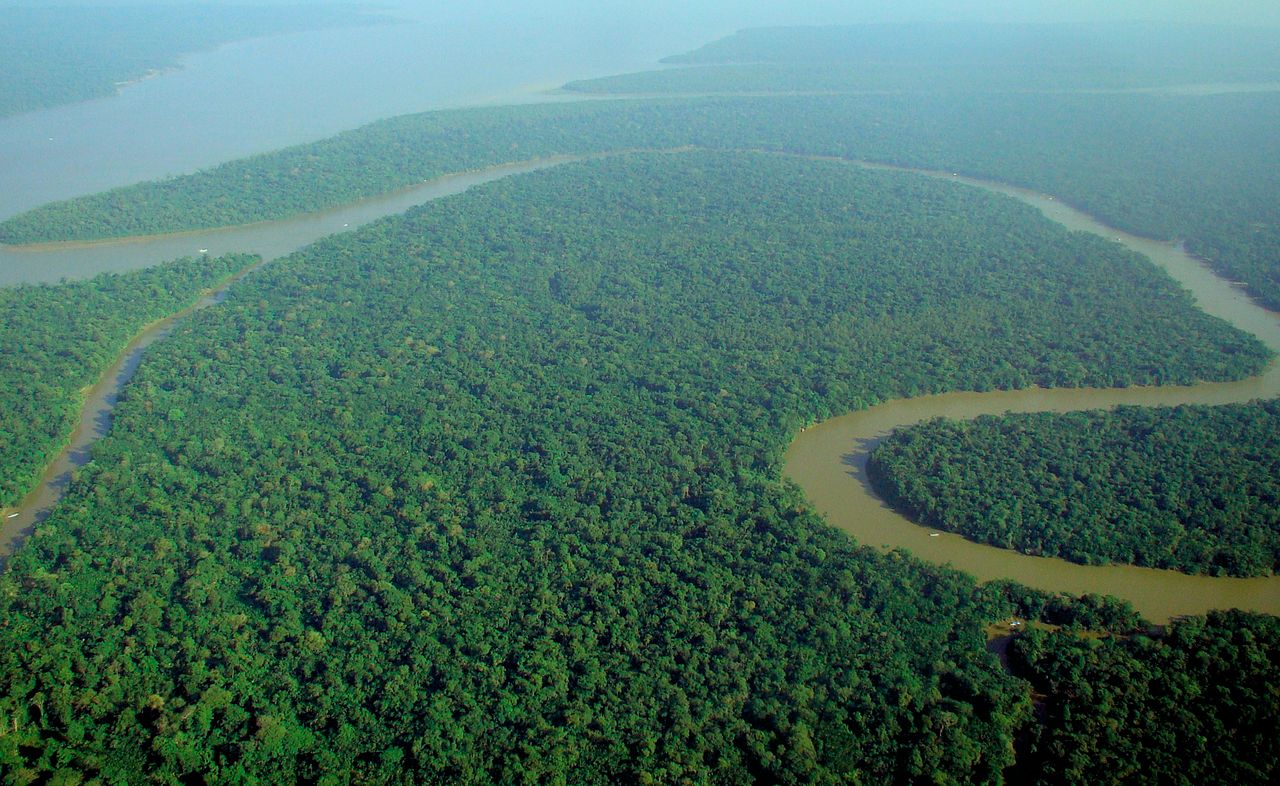
Forests, covering approximately 30% of the Earth's land, are the backbone of our planet's biodiversity, producing about 28% of the world's oxygen, and absorbing around 2.4 billion metric tons of carbon dioxide annually. The history of forests dates back over 370 million years, with the first modern trees emerging around 360 million years ago. However, forests are under threat, with the World Wildlife Fund estimating that 13 million hectares of forest are lost each year, primarily due to agricultural expansion, urbanization, and logging. This has significant implications for climate change, as forests play a crucial role in regulating the Earth's temperature. The controversy surrounding forest management is multifaceted, with some arguing for preservation and others for sustainable use. As we move forward, it's essential to consider the impact of human activities on forests and the potential consequences of inaction, such as the loss of indigenous communities and the exacerbation of climate change, with some estimates suggesting that up to 100 billion metric tons of carbon dioxide could be released into the atmosphere if the Amazon rainforest were to disappear.
🌳 Introduction to Forests
Forests are often referred to as the lungs of the Earth, producing oxygen and absorbing carbon dioxide through the process of photosynthesis. They are complex ecosystems that support a wide range of plant and animal species, and play a critical role in regulating the Earth's climate. According to the United Nations' Food and Agriculture Organization (FAO), forests cover approximately 31 percent of the world's land area. The FAO defines a forest as, 'Land spanning more than 0.5 hectares with trees higher than 5 meters and a canopy cover of more than 10 percent, or trees able to reach these thresholds in situ.' This definition is used to distinguish forests from other types of land use, such as agriculture and urban planning. Forests can be found on every continent, and are home to a vast array of biodiversity.
🌲 Defining Forests
The definition of a forest can vary depending on the context and location. However, the FAO's definition provides a widely accepted standard for identifying and classifying forests. This definition takes into account factors such as tree density, tree height, and canopy cover. It also excludes land that is predominantly under agricultural use or urban use. Using this definition, the Global Forest Resources Assessment 2020 found that forests covered 4.06 billion hectares of land in 2020. This assessment provides valuable insights into the state of the world's forests, and highlights the importance of forest conservation efforts. Forests are not only important for the environment, but also for human well-being, providing ecosystem services such as clean water and air, and supporting rural development.
🌴 Forest Classification
Forests can be classified into different types based on factors such as climate, vegetation, and geography. For example, tropical forests are found near the equator and are characterized by high temperatures and high levels of rainfall. Temperate forests are found in temperate regions and are characterized by moderate temperatures and rainfall. Boreal forests are found in subarctic regions and are characterized by cold temperatures and low levels of rainfall. Each type of forest has its own unique characteristics and supports a distinct array of plant and animal species. Understanding the different types of forests is essential for developing effective forest management strategies. Forests are also home to a wide range of indigenous communities, who have traditionally relied on forests for their livelihoods. The United Nations Development Programme has recognized the importance of involving indigenous communities in forest management decisions.
🌎 Global Forest Coverage
The Global Forest Resources Assessment 2020 found that forests covered 4.06 billion hectares of land in 2020, which is approximately 31 percent of the world's land area. This assessment provides a comprehensive overview of the state of the world's forests, including information on forest area, forest carbon stocks, and forest biodiversity. The assessment also highlights the importance of forests in regulating the Earth's climate, producing oxygen, and supporting rural development. Forests are not only important for the environment, but also for human well-being, providing ecosystem services such as clean water and air. The World Wildlife Fund has recognized the importance of forests in maintaining biodiversity and has launched several initiatives to protect and conserve forests. Forests are also an important source of renewable energy, with many countries turning to bioenergy as a sustainable alternative to fossil fuels.
📊 Forest Resources Assessment
The Global Forest Resources Assessment 2020 is a comprehensive assessment of the world's forests, providing information on forest area, forest carbon stocks, and forest biodiversity. The assessment is based on data collected from over 200 countries and territories, and provides a detailed overview of the state of the world's forests. The assessment highlights the importance of forests in regulating the Earth's climate, producing oxygen, and supporting rural development. It also emphasizes the need for sustainable forest management practices to ensure the long-term health and productivity of forests. The assessment provides valuable insights for policymakers, forest managers, and other stakeholders, and can inform decisions on forest conservation and management. The Food and Agriculture Organization of the United Nations has recognized the importance of sustainable forest management and has launched several initiatives to promote sustainable forest management practices.
🌟 Importance of Forests
Forests are essential for maintaining the health of the planet, producing oxygen, and absorbing carbon dioxide. They also provide a range of ecosystem services, including clean water and air, and support rural development. Forests are home to a vast array of biodiversity, including many endangered species. The International Union for Conservation of Nature has recognized the importance of forests in maintaining biodiversity and has launched several initiatives to protect and conserve forests. Forests are also an important source of renewable energy, with many countries turning to bioenergy as a sustainable alternative to fossil fuels. However, forests are facing numerous threats, including deforestation, forest degradation, and climate change. The United Nations Environment Programme has recognized the importance of addressing these threats and has launched several initiatives to protect and conserve forests.
🌿 Forest Ecosystems
Forest ecosystems are complex and dynamic, supporting a wide range of plant and animal species. Forests are characterized by a dense community of trees, which provide habitat and food for many species. Forests also play a critical role in regulating the Earth's climate, producing oxygen, and absorbing carbon dioxide. The National Oceanic and Atmospheric Administration has recognized the importance of forests in regulating the Earth's climate and has launched several initiatives to study and protect forests. Forests are also home to a wide range of indigenous communities, who have traditionally relied on forests for their livelihoods. The United Nations Development Programme has recognized the importance of involving indigenous communities in forest management decisions. Forests are also an important source of medicinal plants, with many species of plants found in forests having potential medicinal properties.
💚 Forest Conservation
Forest conservation is essential for maintaining the health of the planet, producing oxygen, and absorbing carbon dioxide. Forests are facing numerous threats, including deforestation, forest degradation, and climate change. The World Wildlife Fund has recognized the importance of forest conservation and has launched several initiatives to protect and conserve forests. Forest conservation efforts can include the establishment of protected areas, such as national parks and wildlife reserves. It can also involve the promotion of sustainable forest management practices, such as selective logging and reforestation. The Food and Agriculture Organization of the United Nations has recognized the importance of sustainable forest management and has launched several initiatives to promote sustainable forest management practices. Forest conservation is not only important for the environment, but also for human well-being, providing ecosystem services such as clean water and air.
🌪️ Forest Degradation
Forest degradation is a significant threat to the health of the planet, producing less oxygen and absorbing less carbon dioxide. Forest degradation can occur due to a range of factors, including overgrazing, soil erosion, and climate change. The United Nations Environment Programme has recognized the importance of addressing forest degradation and has launched several initiatives to protect and conserve forests. Forest degradation can have significant impacts on the environment, including the loss of biodiversity and the degradation of ecosystem services. It can also have significant impacts on human well-being, including the loss of livelihoods and the degradation of human health. The World Health Organization has recognized the importance of addressing forest degradation and has launched several initiatives to protect and conserve forests.
🌟 Sustainable Forest Management
Sustainable forest management is essential for maintaining the health of the planet, producing oxygen, and absorbing carbon dioxide. Sustainable forest management involves the promotion of practices that maintain the health and productivity of forests, while also providing benefits for human well-being. The Food and Agriculture Organization of the United Nations has recognized the importance of sustainable forest management and has launched several initiatives to promote sustainable forest management practices. Sustainable forest management can include the use of certification schemes, such as the Forest Stewardship Council (FSC), to promote responsible forestry practices. It can also involve the establishment of protected areas, such as national parks and wildlife reserves, to conserve forests and the species that depend on them. The United Nations Development Programme has recognized the importance of involving indigenous communities in forest management decisions and has launched several initiatives to promote sustainable forest management practices.
Key Facts
- Year
- 2023
- Origin
- Earth
- Category
- Environment
- Type
- Ecosystem
Frequently Asked Questions
What is the definition of a forest?
A forest is an ecosystem characterized by a dense community of trees. The United Nations' Food and Agriculture Organization (FAO) defines a forest as, 'Land spanning more than 0.5 hectares with trees higher than 5 meters and a canopy cover of more than 10 percent, or trees able to reach these thresholds in situ.' This definition takes into account factors such as tree density, tree height, and canopy cover, and excludes land that is predominantly under agricultural or urban use.
How much of the world's land area is covered by forests?
According to the Global Forest Resources Assessment 2020, forests cover approximately 31 percent of the world's land area, which is around 4.06 billion hectares. This assessment provides a comprehensive overview of the state of the world's forests, including information on forest area, forest carbon stocks, and forest biodiversity.
What are the benefits of forests?
Forests provide a range of benefits, including producing oxygen, absorbing carbon dioxide, and supporting rural development. They are also home to a vast array of biodiversity, including many endangered species. Forests are an important source of renewable energy, with many countries turning to bioenergy as a sustainable alternative to fossil fuels.
What are the threats to forests?
Forests are facing numerous threats, including deforestation, forest degradation, and climate change. Deforestation occurs when forests are cleared for agricultural or urban use, while forest degradation occurs when forests are damaged or destroyed due to factors such as overgrazing, soil erosion, and climate change.
What is sustainable forest management?
Sustainable forest management involves the promotion of practices that maintain the health and productivity of forests, while also providing benefits for human well-being. This can include the use of certification schemes, such as the Forest Stewardship Council (FSC), to promote responsible forestry practices, as well as the establishment of protected areas to conserve forests and the species that depend on them.
Why is forest conservation important?
Forest conservation is essential for maintaining the health of the planet, producing oxygen, and absorbing carbon dioxide. Forests are facing numerous threats, including deforestation, forest degradation, and climate change, and conservation efforts are necessary to protect and conserve forests. Forest conservation is not only important for the environment, but also for human well-being, providing ecosystem services such as clean water and air.
What is the role of indigenous communities in forest management?
Indigenous communities have traditionally relied on forests for their livelihoods, and play a critical role in forest management. The United Nations Development Programme has recognized the importance of involving indigenous communities in forest management decisions, and has launched several initiatives to promote sustainable forest management practices that take into account the needs and rights of indigenous communities.