
Contents
- 📚 Introduction to Barry Schwartz
- 🤔 The Paradox of Choice: Overview
- 📊 The Psychology of Choice
- 📈 The Economics of Choice
- 📝 The Philosophy of Choice
- 📊 The Consequences of Excessive Choice
- 📈 The Benefits of Limited Choice
- 🤝 The Role of Social Comparison
- 📊 The Impact of Choice on Well-being
- 📈 The Future of Choice: Implications and Applications
- 📝 Conclusion: The Paradox of Choice in Modern Society
- Frequently Asked Questions
- Related Topics
Overview
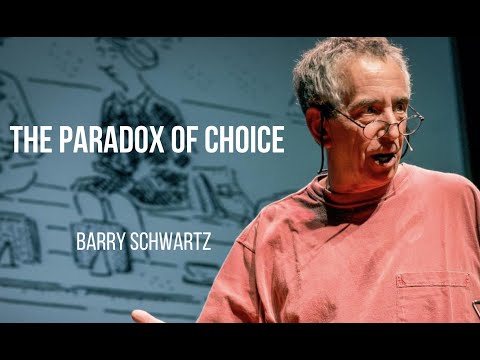
Barry Schwartz is a renowned American psychologist and author, best known for his 2004 book 'The Paradox of Choice: Why More Is Less'. Schwartz argues that an overabundance of choices can lead to decreased satisfaction, increased anxiety, and a sense of overwhelm. With a Vibe score of 82, his work has sparked intense debate and influenced fields beyond psychology, including economics and philosophy. Schwartz's ideas have been widely reported and confirmed, with many citing his TED talk on the subject, which has garnered over 10 million views. As a skeptic, Schwartz questions the consensus that more freedom and choices necessarily lead to greater happiness, instead highlighting the importance of limits and constraints in achieving a sense of well-being. With a controversy spectrum of 6, his work has been both praised and criticized, with some arguing that his ideas are too simplistic or neglect the benefits of choice and autonomy.
📚 Introduction to Barry Schwartz
Barry Schwartz is a renowned American psychologist and author, best known for his work on the Paradox of Choice. Born on August 15, 1946, Schwartz has spent his career studying the human psychology of choice and its implications on our well-being. His work challenges the conventional wisdom that more choice is always better, instead arguing that excessive choice can lead to Anxiety and Depression. Schwartz's ideas have been widely influential, shaping fields such as Economics, Philosophy, and Psychology.
🤔 The Paradox of Choice: Overview
The Paradox of Choice, a concept introduced by Schwartz, suggests that while choice is essential to our freedom and autonomy, too much choice can be overwhelming and detrimental to our well-being. This paradox is rooted in the idea that as the number of options increases, so does the likelihood of Regret and Disappointment. Schwartz argues that when faced with too many choices, individuals may experience Analysis Paralysis, leading to decreased Satisfaction and increased Stress. The Paradox of Choice has significant implications for our understanding of Consumer Behavior and Decision-Making.
📊 The Psychology of Choice
From a psychological perspective, the Paradox of Choice is closely related to the concept of Cognitive Overload. When individuals are faced with too many options, their cognitive resources become depleted, leading to decreased Productivity and increased Mental Fatigue. Schwartz's work also draws on the idea of Hedonic Adaptation, which suggests that we quickly become accustomed to new experiences and possessions, leading to a never-ending pursuit of more. The psychology of choice is complex, involving factors such as Motivation, Emotion, and Personality.
📈 The Economics of Choice
The economics of choice is also a crucial aspect of the Paradox of Choice. Schwartz argues that the assumption of Rational Choice Theory, which underlies much of modern economics, is flawed. In reality, individuals do not always make rational decisions, but are instead influenced by factors such as Framing Effects and Loss Aversion. The economics of choice also involves the concept of Opportunity Cost, which suggests that every choice involves a trade-off. Schwartz's work challenges economists to rethink their assumptions about human behavior and the nature of choice.
📝 The Philosophy of Choice
The philosophy of choice is a rich and complex field, with implications for our understanding of Free Will and Moral Responsibility. Schwartz's work draws on the ideas of philosophers such as Jean-Paul Sartre and Martin Heidegger, who argued that human existence is characterized by freedom and choice. However, Schwartz also acknowledges the limitations of human choice, arguing that our decisions are often influenced by factors beyond our control. The philosophy of choice is closely tied to the concept of Personal Identity, which involves the question of who we are and what we value.
📊 The Consequences of Excessive Choice
The consequences of excessive choice are far-reaching and significant. Schwartz argues that when individuals are faced with too many options, they may experience decreased Life Satisfaction and increased Unhappiness. Excessive choice can also lead to Social Comparison, which can foster feelings of Inadequacy and Low Self-Esteem. Furthermore, the Paradox of Choice has implications for our understanding of Mental Health, with excessive choice potentially contributing to Anxiety Disorders and Depressive Disorders.
📈 The Benefits of Limited Choice
In contrast, limited choice can have numerous benefits. Schwartz argues that when individuals are faced with fewer options, they are more likely to experience increased Satisfaction and decreased Regret. Limited choice can also foster a sense of Gratitude and Appreciation, as individuals are more likely to value what they have. The benefits of limited choice are closely tied to the concept of Mindfulness, which involves being present in the moment and fully engaging with one's experiences.
📊 The Impact of Choice on Well-being
The impact of choice on well-being is a complex and multifaceted issue. Schwartz argues that while choice is essential to our well-being, excessive choice can be detrimental. The relationship between choice and well-being is influenced by factors such as Personality, Motivation, and Coping Mechanisms. Schwartz's work challenges individuals to rethink their assumptions about the nature of choice and its implications for their well-being. The concept of Well-Being is closely tied to the idea of Happiness, which involves a sense of Fulfillment and Satisfaction.
📈 The Future of Choice: Implications and Applications
The future of choice is a topic of significant interest and debate. Schwartz argues that as technology continues to advance, individuals will be faced with an ever-increasing array of choices. This raises important questions about the implications of excessive choice for our well-being and the potential benefits of limited choice. The future of choice also involves the concept of Personalization, which suggests that individuals will be able to tailor their choices to their unique needs and preferences. However, this raises concerns about the potential for Manipulation and Exploitation.
📝 Conclusion: The Paradox of Choice in Modern Society
In conclusion, the Paradox of Choice is a complex and multifaceted concept that challenges our assumptions about the nature of choice and its implications for our well-being. Schwartz's work highlights the importance of considering the psychological, economic, and philosophical aspects of choice, and the need to rethink our assumptions about the benefits and drawbacks of excessive choice. As we move forward in an increasingly complex and choice-filled world, it is essential that we consider the implications of the Paradox of Choice for our individual and collective well-being.
Key Facts
- Year
- 2004
- Origin
- United States
- Category
- Psychology, Economics, Philosophy
- Type
- Person
Frequently Asked Questions
What is the Paradox of Choice?
The Paradox of Choice is a concept introduced by Barry Schwartz, which suggests that while choice is essential to our freedom and autonomy, too much choice can be overwhelming and detrimental to our well-being. This paradox is rooted in the idea that as the number of options increases, so does the likelihood of regret and disappointment.
What are the consequences of excessive choice?
The consequences of excessive choice are far-reaching and significant. Excessive choice can lead to decreased life satisfaction and increased unhappiness, as well as social comparison, which can foster feelings of inadequacy and low self-esteem. Furthermore, the Paradox of Choice has implications for our understanding of mental health, with excessive choice potentially contributing to anxiety disorders and depressive disorders.
What are the benefits of limited choice?
Limited choice can have numerous benefits, including increased satisfaction and decreased regret. Limited choice can also foster a sense of gratitude and appreciation, as individuals are more likely to value what they have. The benefits of limited choice are closely tied to the concept of mindfulness, which involves being present in the moment and fully engaging with one's experiences.
How does social comparison relate to the Paradox of Choice?
Social comparison is a significant aspect of the Paradox of Choice. When individuals are faced with excessive choice, they may engage in social comparison, evaluating their own choices and outcomes in relation to those of others. This can lead to feelings of inadequacy and low self-esteem, as individuals compare their own lives to the perceived perfection of others.
What is the future of choice?
The future of choice is a topic of significant interest and debate. As technology continues to advance, individuals will be faced with an ever-increasing array of choices. This raises important questions about the implications of excessive choice for our well-being and the potential benefits of limited choice. The future of choice also involves the concept of personalization, which suggests that individuals will be able to tailor their choices to their unique needs and preferences.