
Contents
Overview
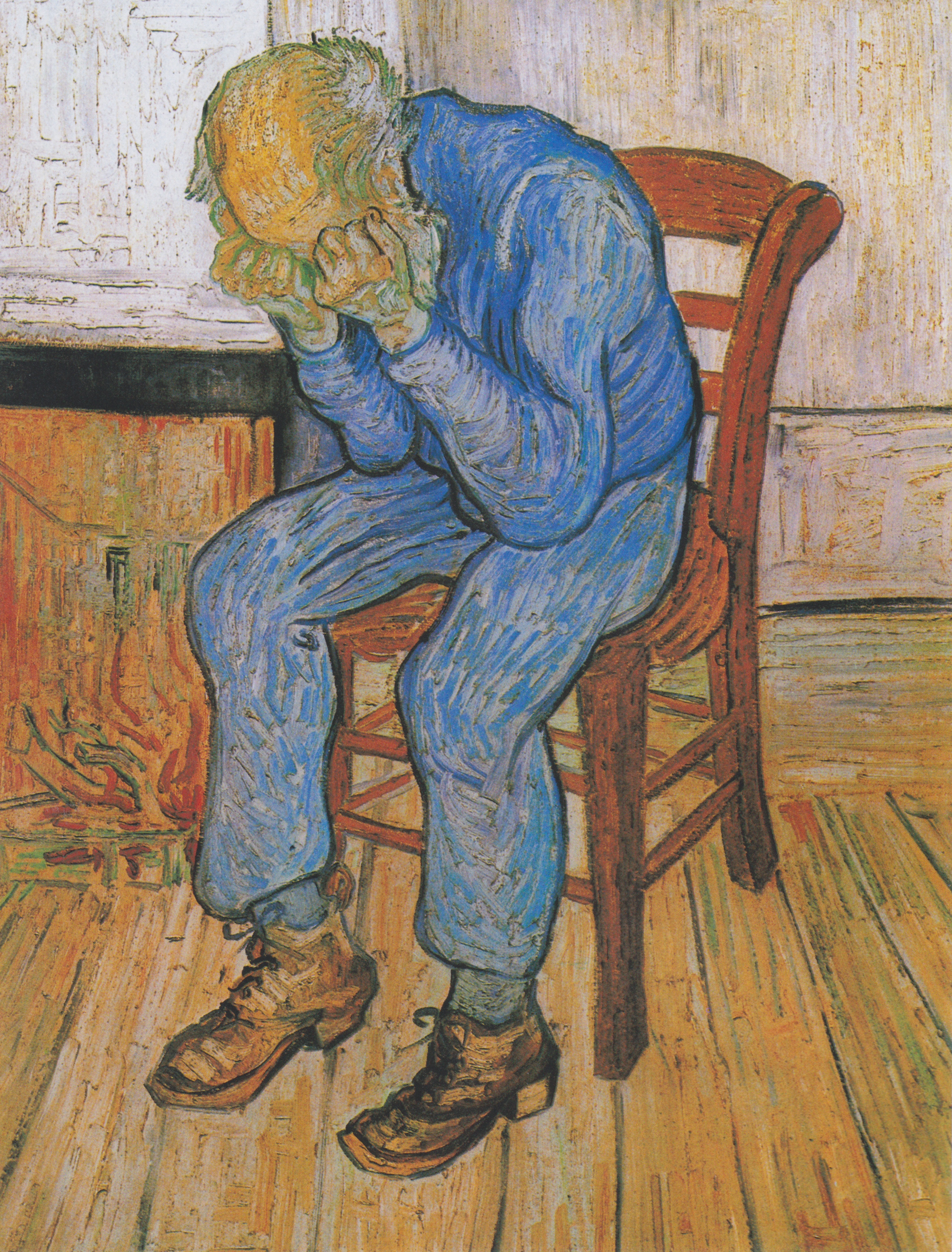
Depressive disorders, including major depressive disorder, are mental health conditions characterized by persistent feelings of sadness, low self-esteem, and loss of interest in activities. The most common time of onset for depressive disorders is in a person's 20s. The diagnosis of depressive disorders is based on reported experiences, behavior, and mental status examinations, with no laboratory test available. Treatment options include psychotherapy, medication, and lifestyle changes. The American Psychiatric Association's Diagnostic and Statistical Manual of Mental Disorders (DSM-5) provides guidelines for diagnosis and treatment. The National Institute of Mental Health (NIMH) is a leading organization in the field of depressive disorders.
🎵 Origins & History
Depressive disorders have a long history, with descriptions of depressive symptoms dating back to ancient civilizations. Today, depressive disorders are recognized as a major public health concern, with organizations like the World Health Organization (WHO) and the National Institute of Mental Health (NIMH) working to raise awareness and improve treatment options.
⚙️ How It Works
Depressive disorders are complex conditions that involve a combination of biological, psychological, and environmental factors. Research has shown that genetics, brain chemistry, and life experiences all play a role in the development of depressive disorders. Treatment options include psychotherapy, medication, and lifestyle changes, such as regular exercise and a healthy diet, as recommended by the Academy of Nutrition and Dietetics.
📊 Key Facts & Numbers
Depressive disorders are a significant public health concern. The National Institute of Mental Health (NIMH) is a leading organization in the field, providing funding for research and promoting awareness about depressive disorders.
👥 Key People & Organizations
Several key people and organizations are working to improve our understanding and treatment of depressive disorders. The NIMH is a leading organization in the field, providing funding for research and promoting awareness about depressive disorders. The American Psychiatric Association is also working to improve diagnosis and treatment options.
🌍 Cultural Impact & Influence
Depressive disorders have a significant cultural impact. The World Mental Health Day campaign aims to promote awareness and reduce stigma around mental health issues.
⚡ Current State & Latest Developments
The current state of depressive disorders is complex, with many people experiencing inadequate treatment and support. However, there are many promising developments in the field, including the development of new treatments and a better understanding of the underlying causes of depressive disorders.
🤔 Controversies & Debates
There are several controversies and debates surrounding depressive disorders, including the use of medication and the role of genetics. Organizations like the American Psychiatric Association and the NIMH are working to address these controversies and improve our understanding of depressive disorders.
🔮 Future Outlook & Predictions
The future outlook for depressive disorders is promising, with many new treatments and technologies being developed. Researchers are exploring the use of mindfulness and cognitive-behavioral therapy (CBT) as effective treatments for depressive disorders. Additionally, there is a growing recognition of the importance of lifestyle changes, such as regular exercise and a healthy diet, in managing depressive symptoms.
💡 Practical Applications
Depressive disorders have many practical applications, including the development of new treatments and technologies. The Academy of Nutrition and Dietetics recommends lifestyle changes, such as regular exercise and a healthy diet, for managing depressive symptoms.
Key Facts
- Category
- mental-health
- Type
- concept