
Contents
- 🧠 Introduction to Attention and Focus
- 💡 The History of Attention Research
- 📊 The Neuroscience of Attention
- 👀 The Impact of Technology on Attention
- 📚 Strategies for Improving Focus
- 🤝 The Role of Mindfulness in Attention
- 📊 The Economics of Attention
- 🚀 The Future of Attention and Focus
- 📝 Conclusion: The Fragmented Mind
- 🤔 Controversies and Debates
- 📊 Measuring Attention and Focus
- 📈 The Future of Attention Research
- Frequently Asked Questions
- Related Topics
Overview
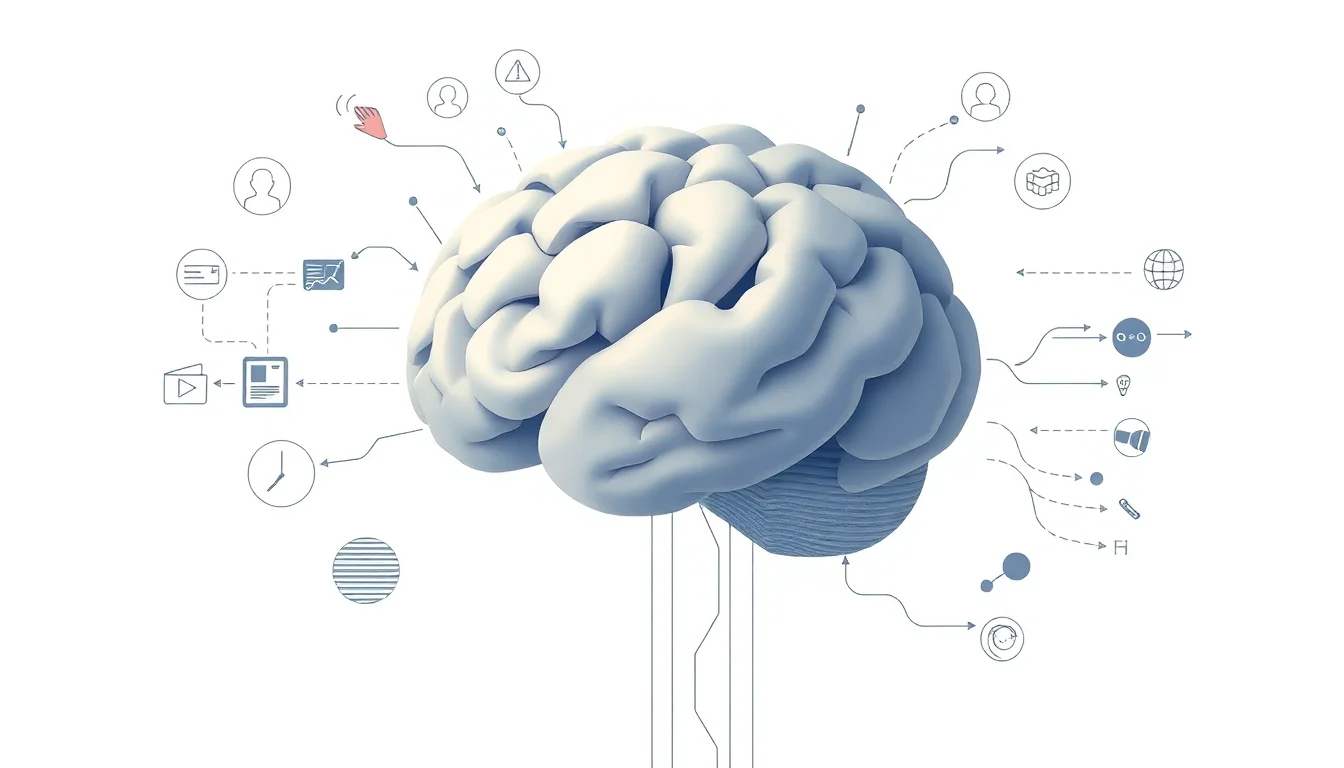
Attention and focus are the cornerstones of human cognition, enabling us to navigate, process, and interact with the vast amounts of information that surround us. Historically, the concept of attention dates back to the works of William James in the late 19th century, who described it as the ability to selectively concentrate on one aspect of the environment while ignoring others. However, with the advent of digital technologies, the landscape of attention has dramatically shifted, with many arguing that the constant stream of notifications and distractions is eroding our capacity for deep, sustained focus. According to a study published in the Journal of Experimental Psychology, the average attention span has decreased from 12 seconds in 2000 to 8 seconds in 2013. Moreover, research by Microsoft found that the constant switching between tasks can decrease productivity by up to 40%. Despite these challenges, there are those who believe that technology can also be harnessed to improve focus, through the use of apps, tools, and techniques designed to enhance cognitive function and promote mindfulness. For instance, the Pomodoro Technique, developed by Francesco Cirillo in the 1980s, has been widely adopted as a means to boost productivity and concentration. As we move forward, it's clear that the interplay between technology, attention, and focus will continue to evolve, with significant implications for how we live, work, and interact with one another. The question remains: can we find a balance between the benefits of technology and the need for deep, meaningful engagement with the world around us?
🧠 Introduction to Attention and Focus
The concept of attention and focus has been a topic of interest in the field of Cognitive Psychology for decades. Researchers have been studying the mechanisms of attention, including the role of Neuroplasticity and Neurotransmitters, to better understand how we process information. The study of attention has also been influenced by Philosophy, particularly in the areas of Epistemology and Philosophy of Mind. As our understanding of attention and focus evolves, it is essential to consider the implications of this research on our daily lives, including our use of Technology and our overall Well-being.
💡 The History of Attention Research
The history of attention research dates back to the late 19th century, when William James first introduced the concept of attention as a fundamental aspect of conscious experience. Since then, researchers such as Ulric Neisser and Daniel Kahneman have made significant contributions to our understanding of attention, including the development of Attention Theory. The study of attention has also been influenced by Psychology, particularly in the areas of Cognitive Psychology and Social Psychology. As we continue to learn more about attention, it is essential to consider the historical context of this research and how it has shaped our current understanding of the topic.
📊 The Neuroscience of Attention
Recent advances in Neuroscience have significantly improved our understanding of the neural mechanisms underlying attention. Research has shown that attention is a complex process that involves the coordination of multiple brain regions, including the Prefrontal Cortex and the Parietal Cortex. The study of attention has also been influenced by Neuroimaging techniques, such as fMRI and EEG, which have allowed researchers to non-invasively study the neural mechanisms of attention. As our understanding of the neuroscience of attention continues to evolve, it is essential to consider the implications of this research on our daily lives, including our use of Technology and our overall Well-being.
👀 The Impact of Technology on Attention
The impact of technology on attention has been a topic of significant debate in recent years. While some researchers argue that technology has improved our ability to focus and multitask, others argue that it has led to a decline in attention span and an increase in Distraction. The study of technology's impact on attention has been influenced by Media Studies and Communication Studies, particularly in the areas of Social Media and Digital Culture. As we continue to learn more about the impact of technology on attention, it is essential to consider the implications of this research on our daily lives, including our use of Technology and our overall Well-being.
📚 Strategies for Improving Focus
There are several strategies that can help improve focus and attention, including Mindfulness and Meditation. These practices have been shown to improve attention by reducing Mind-Wandering and improving Cognitive Control. The study of attention has also been influenced by Education, particularly in the areas of Learning Theory and Instructional Design. As we continue to learn more about the strategies that can improve focus and attention, it is essential to consider the implications of this research on our daily lives, including our use of Technology and our overall Well-being.
🤝 The Role of Mindfulness in Attention
The role of mindfulness in attention has been a topic of significant interest in recent years. Mindfulness has been shown to improve attention by reducing Stress and improving Emotional Regulation. The study of mindfulness has been influenced by Psychology, particularly in the areas of Clinical Psychology and Counseling Psychology. As we continue to learn more about the role of mindfulness in attention, it is essential to consider the implications of this research on our daily lives, including our use of Technology and our overall Well-being.
📊 The Economics of Attention
The economics of attention has become a significant area of study in recent years. With the rise of Advertising and Marketing, companies are increasingly competing for our attention. The study of attention has been influenced by Economics, particularly in the areas of Behavioral Economics and Marketing. As we continue to learn more about the economics of attention, it is essential to consider the implications of this research on our daily lives, including our use of Technology and our overall Well-being.
🚀 The Future of Attention and Focus
The future of attention and focus is likely to be shaped by advances in Technology and Neuroscience. As our understanding of the neural mechanisms underlying attention continues to evolve, it is likely that we will see the development of new technologies that can help improve focus and attention. The study of attention has been influenced by Futurism, particularly in the areas of Technological Singularity and Artificial Intelligence. As we continue to learn more about the future of attention and focus, it is essential to consider the implications of this research on our daily lives, including our use of Technology and our overall Well-being.
📝 Conclusion: The Fragmented Mind
In conclusion, the study of attention and focus is a complex and multifaceted field that has been influenced by a wide range of disciplines, including Cognitive Psychology, Neuroscience, and Philosophy. As our understanding of attention and focus continues to evolve, it is essential to consider the implications of this research on our daily lives, including our use of Technology and our overall Well-being.
🤔 Controversies and Debates
There are several controversies and debates in the field of attention research, including the role of Technology in shaping our attention and the impact of Social Media on our mental health. The study of attention has been influenced by Critical Theory, particularly in the areas of Media Studies and Cultural Studies. As we continue to learn more about the controversies and debates in attention research, it is essential to consider the implications of this research on our daily lives, including our use of Technology and our overall Well-being.
📊 Measuring Attention and Focus
Measuring attention and focus is a complex task that requires the use of a wide range of methods, including Neuroimaging and Behavioral Measures. The study of attention has been influenced by Psychometrics, particularly in the areas of Test Development and Validation. As we continue to learn more about the methods used to measure attention and focus, it is essential to consider the implications of this research on our daily lives, including our use of Technology and our overall Well-being.
📈 The Future of Attention Research
The future of attention research is likely to be shaped by advances in Technology and Neuroscience. As our understanding of the neural mechanisms underlying attention continues to evolve, it is likely that we will see the development of new technologies that can help improve focus and attention. The study of attention has been influenced by Futurism, particularly in the areas of Technological Singularity and Artificial Intelligence. As we continue to learn more about the future of attention research, it is essential to consider the implications of this research on our daily lives, including our use of Technology and our overall Well-being.
Key Facts
- Year
- 2020
- Origin
- Cognitive Psychology and Neuroscience Research
- Category
- Cognitive Psychology
- Type
- Psychological Concept
Frequently Asked Questions
What is attention and focus?
Attention and focus refer to the ability to selectively concentrate on one aspect of the environment while ignoring other stimuli. This is a complex process that involves the coordination of multiple brain regions, including the Prefrontal Cortex and the Parietal Cortex. The study of attention has been influenced by Cognitive Psychology, Neuroscience, and Philosophy.
How does technology affect attention and focus?
Technology can both improve and impair attention and focus, depending on how it is used. While some technologies, such as Social Media, can be distracting and decrease attention span, others, such as Mindfulness Apps, can help improve focus and attention. The study of technology's impact on attention has been influenced by Media Studies and Communication Studies.
What are some strategies for improving focus and attention?
There are several strategies that can help improve focus and attention, including Mindfulness and Meditation. These practices have been shown to improve attention by reducing Mind-Wandering and improving Cognitive Control. The study of attention has been influenced by Education, particularly in the areas of Learning Theory and Instructional Design.
How does mindfulness affect attention and focus?
Mindfulness has been shown to improve attention by reducing Stress and improving Emotional Regulation. The study of mindfulness has been influenced by Psychology, particularly in the areas of Clinical Psychology and Counseling Psychology. As we continue to learn more about the role of mindfulness in attention, it is essential to consider the implications of this research on our daily lives, including our use of Technology and our overall Well-being.
What is the future of attention research?
The future of attention research is likely to be shaped by advances in Technology and Neuroscience. As our understanding of the neural mechanisms underlying attention continues to evolve, it is likely that we will see the development of new technologies that can help improve focus and attention. The study of attention has been influenced by Futurism, particularly in the areas of Technological Singularity and Artificial Intelligence.
How can we measure attention and focus?
Measuring attention and focus is a complex task that requires the use of a wide range of methods, including Neuroimaging and Behavioral Measures. The study of attention has been influenced by Psychometrics, particularly in the areas of Test Development and Validation. As we continue to learn more about the methods used to measure attention and focus, it is essential to consider the implications of this research on our daily lives, including our use of Technology and our overall Well-being.
What are some controversies and debates in attention research?
There are several controversies and debates in the field of attention research, including the role of Technology in shaping our attention and the impact of Social Media on our mental health. The study of attention has been influenced by Critical Theory, particularly in the areas of Media Studies and Cultural Studies. As we continue to learn more about the controversies and debates in attention research, it is essential to consider the implications of this research on our daily lives, including our use of Technology and our overall Well-being.