
Contents
- 🔍 Introduction to BCI Devices
- 💻 History of Brain-Computer Interfaces
- 🔌 How BCI Devices Work
- 📈 Applications of BCI Devices
- 👥 Key Players in the BCI Industry
- 🚀 Future of BCI Technology
- 🤖 BCI Devices and Artificial Intelligence
- 📊 Challenges and Limitations of BCI Devices
- 📝 Ethics and Regulations in BCI Development
- 🌐 Global Impact of BCI Devices
- 📊 Market Trends and Analysis
- Frequently Asked Questions
- Related Topics
Overview
Brain-Computer Interface (BCI) devices have been gaining traction since the 1970s, with pioneers like Jacques Vidal laying the groundwork. Today, companies like Neuralink, founded by Elon Musk in 2016, and Kernel, founded by Bryan Johnson in 2016, are pushing the boundaries of BCI technology. With a projected market size of $1.72 billion by 2028, BCI devices are being explored for applications in gaming, healthcare, and education. However, concerns surrounding data privacy, neural hacking, and the ethics of neural enhancement have sparked intense debates. As BCI devices continue to advance, with some boasting vibe scores as high as 85, the question remains: what are the implications of merging human and machine intelligence? With over 100 research institutions and companies actively developing BCI technology, the future of human-machine interaction is poised to be redefined, with potential influence flows from the tech industry to the medical field and beyond.
🔍 Introduction to BCI Devices
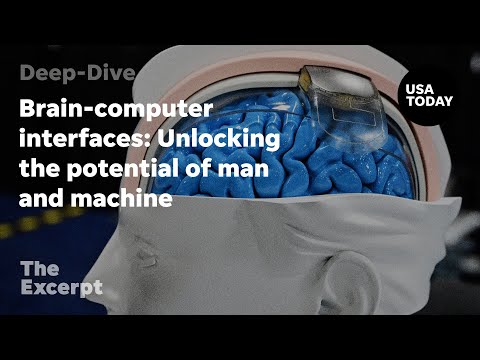
The development of Brain-Computer Interface (BCI) devices has revolutionized the field of Neurotechnology and Assistive Technology. BCI devices enable people to control devices with their thoughts, and have the potential to improve the lives of individuals with Paralysis and other motor disorders. The first BCI devices were developed in the 1970s, but it wasn't until the 1990s that the technology started to gain traction. Today, BCI devices are being used in a variety of applications, including Gaming and Healthcare. Companies like Neuralink and Kernel are leading the charge in BCI development, with a focus on creating implantable devices that can read and write neural signals.
💻 History of Brain-Computer Interfaces
The history of BCI devices dates back to the 1970s, when the first experiments were conducted using Electroencephalography (EEG) to control devices. In the 1980s, the development of Functional Magnetic Resonance Imaging (fMRI) and Magnetoencephalography (MEG) enabled researchers to study the brain in greater detail. The 1990s saw the emergence of Brain-Computer Interfaces as a distinct field of research, with the development of the first BCI devices. Today, BCI devices are being used in a variety of applications, including Neuroprosthetics and Cognitive Enhancement. Researchers like Andrew Schwarz and Bin He have made significant contributions to the development of BCI technology.
🔌 How BCI Devices Work
BCI devices work by detecting and interpreting the electrical signals produced by the brain. There are several types of BCI devices, including Invasive BCI devices, which require surgery to implant electrodes in the brain, and Non-Invasive BCI devices, which use external sensors to detect brain activity. The most common type of non-invasive BCI device is the Electroencephalography (EEG) device, which uses electrodes on the scalp to detect brain activity. Other types of BCI devices include Functional Near-Infrared Spectroscopy (fNIRS) devices and Magnetoencephalography (MEG) devices. Companies like Emotiv and Interaxon are developing BCI devices for Gaming and Healthcare applications.
📈 Applications of BCI Devices
The applications of BCI devices are diverse and rapidly expanding. One of the most significant applications is in the field of Assistive Technology, where BCI devices can be used to help individuals with Paralysis and other motor disorders control devices such as Wheelchairs and Prosthetic Limbs. BCI devices are also being used in Gaming and Entertainment, where they can be used to create new types of interactive experiences. In addition, BCI devices are being used in Healthcare to diagnose and treat a range of conditions, including Epilepsy and Depression. Researchers like Rajesh Rao and Jeremy Freeman are exploring the use of BCI devices for Neuroplasticity and Cognitive Enhancement.
👥 Key Players in the BCI Industry
The BCI industry is rapidly growing, with several key players driving innovation and development. Companies like Neuralink and Kernel are developing implantable BCI devices that can read and write neural signals. Other companies, such as Emotiv and Interaxon, are developing non-invasive BCI devices for Gaming and Healthcare applications. Researchers like Bin He and Andrew Schwarz are also making significant contributions to the development of BCI technology. The BCI industry is expected to continue growing in the coming years, with new applications and innovations emerging all the time. For example, the use of Artificial Intelligence and Machine Learning in BCI devices is expected to improve their accuracy and functionality.
🚀 Future of BCI Technology
The future of BCI technology is exciting and rapidly evolving. One of the most significant developments is the emergence of implantable BCI devices that can read and write neural signals. These devices have the potential to revolutionize the treatment of a range of conditions, including Paralysis and Epilepsy. In addition, the development of non-invasive BCI devices is expected to continue, with new applications emerging in fields such as Gaming and Entertainment. The use of Artificial Intelligence and Machine Learning in BCI devices is also expected to improve their accuracy and functionality. Researchers like Jeremy Freeman and Rajesh Rao are exploring the use of BCI devices for Neuroplasticity and Cognitive Enhancement.
🤖 BCI Devices and Artificial Intelligence
BCI devices are also being used in conjunction with Artificial Intelligence (AI) to create new types of interactive experiences. For example, AI-powered BCI devices can be used to control Robots and other devices, and to create new types of Gaming experiences. The use of AI in BCI devices is also expected to improve their accuracy and functionality, by enabling them to learn and adapt to the user's brain activity. Companies like Neuralink and Kernel are developing AI-powered BCI devices for a range of applications, including Healthcare and Entertainment. Researchers like Bin He and Andrew Schwarz are also exploring the use of AI in BCI devices.
📊 Challenges and Limitations of BCI Devices
Despite the many advances in BCI technology, there are still several challenges and limitations that need to be addressed. One of the most significant challenges is the development of implantable BCI devices that can read and write neural signals with high accuracy and precision. Another challenge is the development of non-invasive BCI devices that can detect brain activity with high accuracy and precision. In addition, there are several ethical and regulatory issues that need to be addressed, including the potential risks and benefits of using BCI devices. Researchers like Jeremy Freeman and Rajesh Rao are working to address these challenges and limitations, and to develop new BCI devices and applications.
📝 Ethics and Regulations in BCI Development
The development and use of BCI devices raises several ethical and regulatory issues. One of the most significant issues is the potential risks and benefits of using BCI devices, including the potential for Brain Hacking and other forms of exploitation. Another issue is the need for clear regulations and guidelines for the development and use of BCI devices, including guidelines for Informed Consent and Data Privacy. In addition, there are several social and cultural issues that need to be addressed, including the potential impact of BCI devices on Social Interaction and Cognitive Development. Researchers like Bin He and Andrew Schwarz are working to address these issues, and to develop new BCI devices and applications that are safe, effective, and socially responsible.
🌐 Global Impact of BCI Devices
The global impact of BCI devices is expected to be significant, with the potential to improve the lives of millions of people around the world. One of the most significant impacts is expected to be in the field of Assistive Technology, where BCI devices can be used to help individuals with Paralysis and other motor disorders control devices such as Wheelchairs and Prosthetic Limbs. BCI devices are also expected to have a significant impact on the field of Healthcare, where they can be used to diagnose and treat a range of conditions, including Epilepsy and Depression. In addition, BCI devices are expected to have a significant impact on the field of Education, where they can be used to create new types of interactive learning experiences. Researchers like Jeremy Freeman and Rajesh Rao are working to develop new BCI devices and applications that can have a positive impact on society.
📊 Market Trends and Analysis
The market for BCI devices is rapidly growing, with several key players driving innovation and development. The global BCI market is expected to reach $1.72 billion by 2025, growing at a compound annual growth rate (CAGR) of 14.5%. The market is driven by the increasing demand for BCI devices in the fields of Assistive Technology, Healthcare, and Gaming. Companies like Neuralink and Kernel are developing implantable BCI devices that can read and write neural signals, while other companies, such as Emotiv and Interaxon, are developing non-invasive BCI devices for Gaming and Healthcare applications. Researchers like Bin He and Andrew Schwarz are also making significant contributions to the development of BCI technology.
Key Facts
- Year
- 2023
- Origin
- United States
- Category
- Neurotechnology
- Type
- Technology
Frequently Asked Questions
What is a BCI device?
A BCI device is a type of device that enables people to control devices with their thoughts. BCI devices use electroencephalography (EEG) or other techniques to detect brain activity and translate it into commands for devices such as computers or robots. Companies like Neuralink and Kernel are developing implantable BCI devices that can read and write neural signals. Researchers like Bin He and Andrew Schwarz are also making significant contributions to the development of BCI technology.
How do BCI devices work?
BCI devices work by detecting and interpreting the electrical signals produced by the brain. There are several types of BCI devices, including invasive BCI devices, which require surgery to implant electrodes in the brain, and non-invasive BCI devices, which use external sensors to detect brain activity. The most common type of non-invasive BCI device is the EEG device, which uses electrodes on the scalp to detect brain activity. Companies like Emotiv and Interaxon are developing BCI devices for Gaming and Healthcare applications.
What are the applications of BCI devices?
The applications of BCI devices are diverse and rapidly expanding. One of the most significant applications is in the field of Assistive Technology, where BCI devices can be used to help individuals with Paralysis and other motor disorders control devices such as Wheelchairs and Prosthetic Limbs. BCI devices are also being used in Gaming and Entertainment, where they can be used to create new types of interactive experiences. Researchers like Jeremy Freeman and Rajesh Rao are exploring the use of BCI devices for Neuroplasticity and Cognitive Enhancement.
What are the challenges and limitations of BCI devices?
Despite the many advances in BCI technology, there are still several challenges and limitations that need to be addressed. One of the most significant challenges is the development of implantable BCI devices that can read and write neural signals with high accuracy and precision. Another challenge is the development of non-invasive BCI devices that can detect brain activity with high accuracy and precision. In addition, there are several ethical and regulatory issues that need to be addressed, including the potential risks and benefits of using BCI devices. Researchers like Bin He and Andrew Schwarz are working to address these challenges and limitations.
What is the future of BCI technology?
The future of BCI technology is exciting and rapidly evolving. One of the most significant developments is the emergence of implantable BCI devices that can read and write neural signals. These devices have the potential to revolutionize the treatment of a range of conditions, including Paralysis and Epilepsy. In addition, the development of non-invasive BCI devices is expected to continue, with new applications emerging in fields such as Gaming and Entertainment. The use of Artificial Intelligence and Machine Learning in BCI devices is also expected to improve their accuracy and functionality.