
Contents
Overview
Robots have come a long way since the first industrial robot, Unimate, was introduced in 1961 by George Devol and Joseph Engelberger. Today, robots are used in various industries, including manufacturing, healthcare, and transportation, with companies like Boston Dynamics and NVIDIA pushing the boundaries of robotics. The development of social robots like Sophia and Pepper has also raised questions about the potential for robots to become integrated into our daily lives, with some experts predicting that robots could become as ubiquitous as smartphones. However, concerns about job displacement, privacy, and safety have sparked debates about the ethics of robotics, with many arguing that the benefits of robots must be weighed against the potential risks. As robots become increasingly advanced, with some models boasting advanced AI capabilities and machine learning algorithms, the line between human and machine is becoming increasingly blurred. With a projected global robotics market size of $135 billion by 2025, according to a report by MarketsandMarkets, the future of robots is likely to be shaped by innovations in areas like computer vision, natural language processing, and the Internet of Things (IoT), with key players like Amazon, Google, and Microsoft investing heavily in robotics research and development.
🤖 Introduction to Robotics
The concept of robots has been around for decades, with the term 'robot' being coined by Czech playwright Karel Čapek in his 1920 play R.U.R. (Rossum's Universal Robots). Since then, the field of robotics has evolved significantly, with robots being used in various industries such as manufacturing, healthcare, and transportation. Robots are defined as machines that can be programmed to carry out a series of complex actions automatically, and can be guided by an external or internal control device. For more information on the history of robotics, visit the History of Robotics page. The development of robots has been influenced by various factors, including advances in Artificial Intelligence and Machine Learning.
📈 History of Robotics
The history of robotics dates back to ancient civilizations, where automated machines were used to perform tasks such as opening doors and serving food. However, the modern concept of robotics began to take shape in the 20th century, with the development of the first industrial robot, Unimate, in 1961. This was followed by the introduction of the first microprocessor-controlled robot, the Microbot, in 1973. The history of robotics is closely tied to the development of Computer Science and Engineering. For more information on the history of robotics, visit the Robotics Timeline page. The development of robots has been influenced by various factors, including advances in Robotics Engineering and Mechatronics.
🤔 Types of Robots
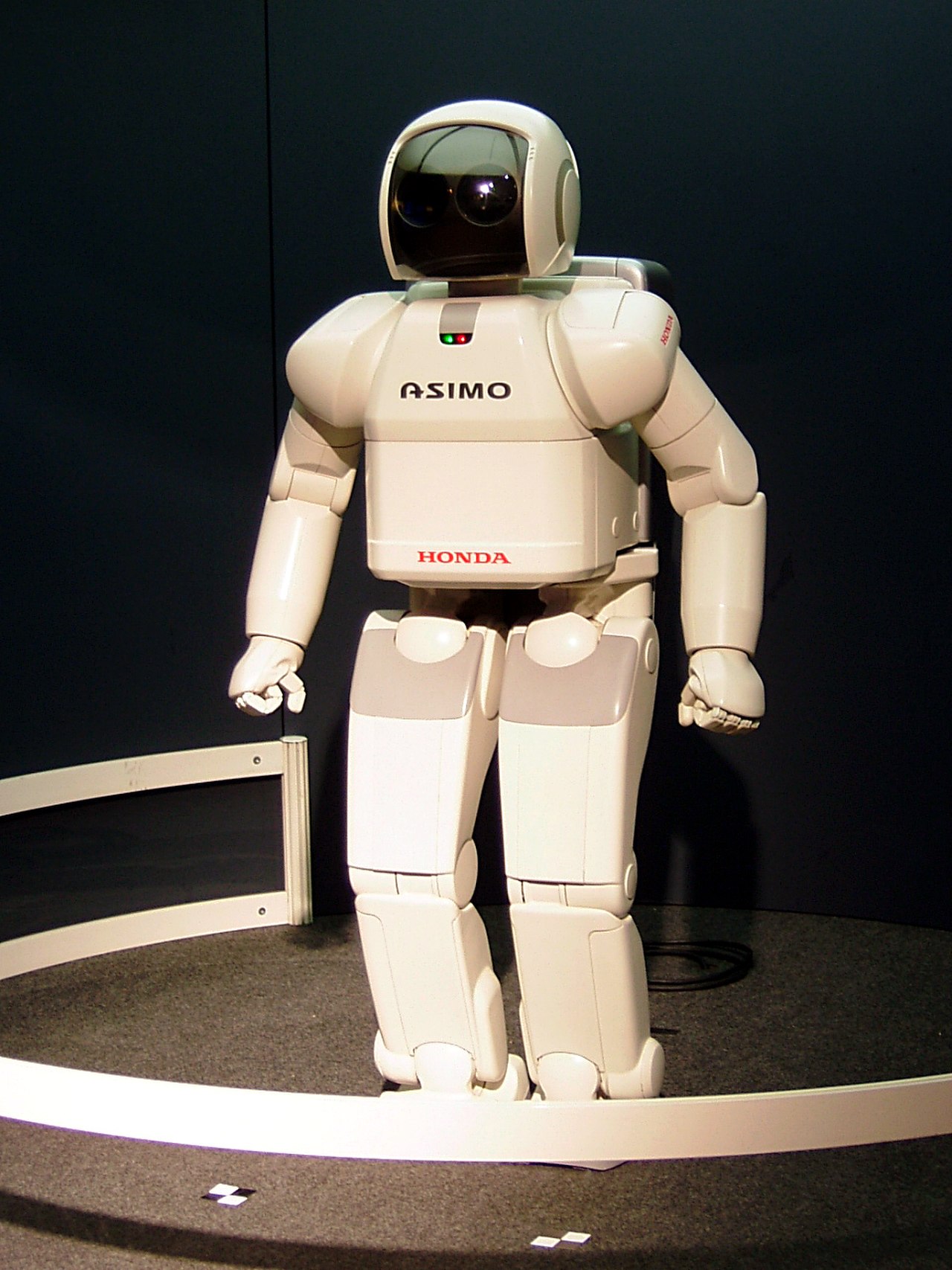
There are several types of robots, including humanoid robots, which are designed to resemble humans, and task-performing robots, which are designed to perform specific tasks. Humanoid robots, such as ASIMO, are designed to interact with humans and can perform tasks such as walking and running. Task-performing robots, on the other hand, are designed to perform specific tasks such as assembly, welding, and material handling. For more information on types of robots, visit the Types of Robots page. The development of robots has been influenced by various factors, including advances in Robot Vision and Robotics Sensors.
📊 Robot Components
Robots are composed of several components, including a control system, actuators, and sensors. The control system is the brain of the robot and is responsible for processing information and making decisions. Actuators are the muscles of the robot and are responsible for moving the robot's limbs and performing tasks. Sensors are the eyes and ears of the robot and are responsible for providing feedback to the control system. For more information on robot components, visit the Robot Components page. The development of robots has been influenced by various factors, including advances in Computer Hardware and Electronics.
💻 Programming Robots
Programming robots involves writing code that instructs the robot on what actions to perform. There are several programming languages used in robotics, including C++, Java, and Python. Robots can be programmed to perform a variety of tasks, including moving, grasping, and manipulating objects. For more information on programming robots, visit the Robot Programming page. The development of robots has been influenced by various factors, including advances in Software Engineering and Algorithms.
🎯 Robot Applications
Robots have a wide range of applications, including manufacturing, healthcare, and transportation. In manufacturing, robots are used to perform tasks such as assembly, welding, and material handling. In healthcare, robots are used to perform tasks such as surgery and patient care. In transportation, robots are used to perform tasks such as navigation and control. For more information on robot applications, visit the Robot Applications page. The development of robots has been influenced by various factors, including advances in Logistics and Supply Chain Management.
🚀 Future of Robotics
The future of robotics is exciting and rapidly evolving, with advancements in areas such as artificial intelligence, machine learning, and computer vision. As robots become more advanced, they will be able to perform more complex tasks and interact with humans in more sophisticated ways. For more information on the future of robotics, visit the Future of Robotics page. The development of robots has been influenced by various factors, including advances in Cognitive Science and Neuroscience.
🤝 Human-Robot Interaction
Human-robot interaction is an important area of research, as robots become more integrated into our daily lives. Robots are being designed to interact with humans in more natural and intuitive ways, using techniques such as speech recognition and gesture recognition. For more information on human-robot interaction, visit the Human-Robot Interaction page. The development of robots has been influenced by various factors, including advances in Human-Computer Interaction and Social Robotics.
📊 Robot Ethics
As robots become more advanced, there are also concerns about robot ethics and the potential impact of robots on society. For example, there are concerns about job displacement and the potential for robots to be used in ways that are harmful to humans. For more information on robot ethics, visit the Robot Ethics page. The development of robots has been influenced by various factors, including advances in Ethics and Philosophy.
🌐 Robot Influence on Society
The influence of robots on society is significant, with robots being used in a wide range of industries and applications. As robots become more advanced, they will have an even greater impact on society, and it is important to consider the potential benefits and risks of robots. For more information on the influence of robots on society, visit the Robot Influence on Society page. The development of robots has been influenced by various factors, including advances in Sociology and Economics.
Key Facts
- Year
- 1961
- Origin
- United States
- Category
- Technology
- Type
- Technology
Frequently Asked Questions
What is a robot?
A robot is a machine, especially one programmable via a computer, capable of automatically carrying out a complex series of actions. A robot can be guided by an external or internal control device. For more information, visit the What is a Robot page. Robots are used in a wide range of industries and applications, including manufacturing, healthcare, and transportation. The development of robots has been influenced by various factors, including advances in Artificial Intelligence and Machine Learning.
What are the different types of robots?
There are several types of robots, including humanoid robots, which are designed to resemble humans, and task-performing robots, which are designed to perform specific tasks. For more information, visit the Types of Robots page. Humanoid robots, such as ASIMO, are designed to interact with humans and can perform tasks such as walking and running. Task-performing robots, on the other hand, are designed to perform specific tasks such as assembly, welding, and material handling.
What are the components of a robot?
Robots are composed of several components, including a control system, actuators, and sensors. The control system is the brain of the robot and is responsible for processing information and making decisions. Actuators are the muscles of the robot and are responsible for moving the robot's limbs and performing tasks. Sensors are the eyes and ears of the robot and are responsible for providing feedback to the control system. For more information, visit the Robot Components page.
What are the applications of robots?
Robots have a wide range of applications, including manufacturing, healthcare, and transportation. In manufacturing, robots are used to perform tasks such as assembly, welding, and material handling. In healthcare, robots are used to perform tasks such as surgery and patient care. In transportation, robots are used to perform tasks such as navigation and control. For more information, visit the Robot Applications page.
What is the future of robotics?
The future of robotics is exciting and rapidly evolving, with advancements in areas such as artificial intelligence, machine learning, and computer vision. As robots become more advanced, they will be able to perform more complex tasks and interact with humans in more sophisticated ways. For more information, visit the Future of Robotics page.
What are the concerns about robot ethics?
As robots become more advanced, there are concerns about robot ethics and the potential impact of robots on society. For example, there are concerns about job displacement and the potential for robots to be used in ways that are harmful to humans. For more information, visit the Robot Ethics page.
How do robots influence society?
The influence of robots on society is significant, with robots being used in a wide range of industries and applications. As robots become more advanced, they will have an even greater impact on society, and it is important to consider the potential benefits and risks of robots. For more information, visit the Robot Influence on Society page.