
Contents
- 🌎 Introduction to Acupuncture
- 🧐 History of Acupuncture
- 🤔 Theories and Practices of Traditional Chinese Medicine
- 💡 How Acupuncture Works: A Scientific Perspective
- 📊 Efficacy and Effectiveness of Acupuncture
- 🚨 Criticisms and Controversies Surrounding Acupuncture
- 👥 Acupuncture in Modern Medicine
- 🌈 Cultural Significance and Global Adoption
- 📚 Research and Future Directions
- 💬 Debates and Discussions in the Scientific Community
- Frequently Asked Questions
- Related Topics
Overview
Acupuncture, with a history spanning over 2,500 years, has been a cornerstone of traditional Chinese medicine, involving the insertion of thin needles into specific points on the body to stimulate the body's natural healing processes. Despite its widespread use, the practice has been met with skepticism by some in the Western medical community, with debates surrounding its efficacy and the mechanisms by which it works. Proponents argue that acupuncture can effectively treat a range of conditions, from chronic pain and migraines to anxiety and depression, often with fewer side effects than conventional treatments. However, critics point to the lack of robust clinical trials and the potential for placebo effects. The World Health Organization (WHO) has recognized acupuncture as a valid treatment for over 100 conditions, but the U.S. Food and Drug Administration (FDA) classifies acupuncture needles as medical devices, subject to regulation. As research continues to uncover the neurophysiological effects of acupuncture, its integration into mainstream healthcare remains a topic of intense discussion. With a vibe score of 8, reflecting its significant cultural and therapeutic impact, acupuncture stands at the crossroads of traditional knowledge and modern science, challenging both its practitioners and critics to redefine its role in the future of medicine.
🌎 Introduction to Acupuncture
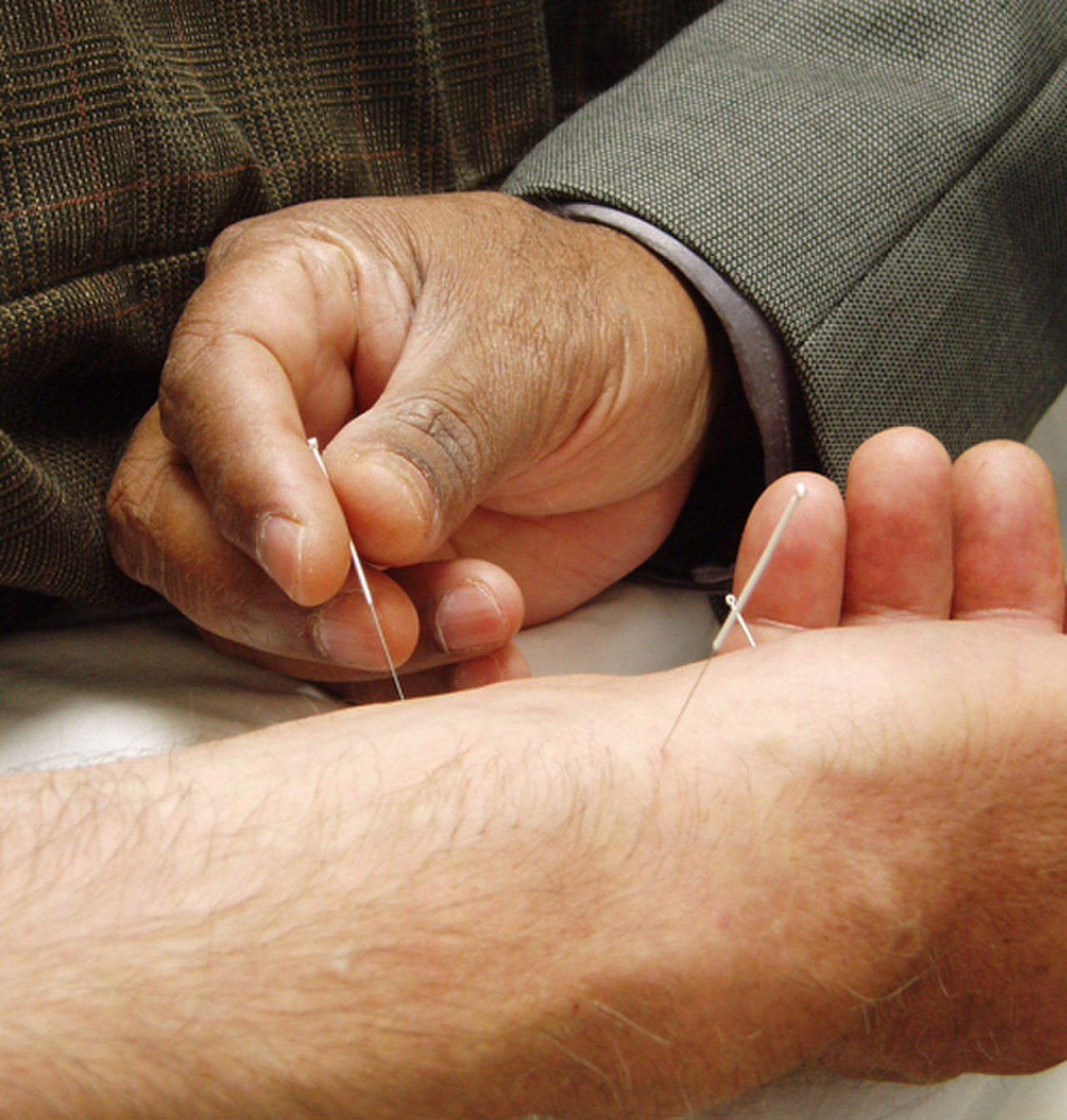
Acupuncture is a form of alternative medicine and a component of traditional Chinese medicine (TCM) in which thin needles are inserted into the body. As a practice, it has been around for thousands of years, with roots in ancient Chinese culture and philosophy. To understand acupuncture, it's essential to explore its history and development, including the influence of Traditional Chinese Medicine and the role of Confucius in shaping Chinese thought. The practice has been widely adopted globally, with many countries incorporating it into their healthcare systems, including China and United States. Despite its popularity, acupuncture remains a topic of debate, with some hailing it as a complementary therapy and others dismissing it as pseudoscience. The World Health Organization (WHO) has recognized acupuncture as a valid treatment for certain conditions, but its effectiveness is still a subject of discussion among WHO experts and the broader scientific community, including National Institutes of Health.
🧐 History of Acupuncture
The history of acupuncture dates back to ancient China, with the first recorded use of acupuncture dating back to the Shang Dynasty (16th-11th centuries BCE). The practice evolved over time, with the development of meridian theory and the concept of qi (life energy). Acupuncture was initially used to treat a range of ailments, from malaria to arthritis, and was often performed in conjunction with other TCM practices, such as herbal medicine and moxibustion. As Chinese culture and trade spread throughout Asia, acupuncture was adopted and adapted by other countries, including Japan and Korea. Today, acupuncture is practiced worldwide, with many countries developing their own unique styles and techniques, such as Japanese acupuncture and Korean acupuncture. The influence of acupuncture can be seen in various forms of alternative medicine, including Ayurveda and Unani medicine.
🤔 Theories and Practices of Traditional Chinese Medicine
The theories and practices of TCM, including acupuncture, are not based on scientific knowledge and have been characterized as quackery. The concept of qi and the meridian system, which underlies acupuncture, is not supported by empirical evidence and is not recognized by the scientific community, including the American Medical Association. Despite this, many people find acupuncture to be a helpful complementary therapy, and it is often used in conjunction with conventional Western medicine to treat a range of conditions, including chronic pain and depression. The use of acupuncture has been endorsed by some prominent figures, including Deepak Chopra, who has written extensively on the topic of mind-body medicine. However, the lack of standardization and regulation in the practice of acupuncture has led to concerns about safety and efficacy, particularly among skeptics and critical thinkers.
💡 How Acupuncture Works: A Scientific Perspective
From a scientific perspective, the mechanisms by which acupuncture is thought to work are not well understood. Some research suggests that acupuncture may stimulate the release of neurotransmitters and hormones, which can help to alleviate pain and improve mood. However, the evidence for these claims is limited, and more research is needed to fully understand the effects of acupuncture on the body. The National Center for Complementary and Integrative Health has funded several studies on acupuncture, including research on its use in treating opioid addiction and PTSD. Despite the lack of scientific evidence, many people find acupuncture to be a helpful tool for managing stress and promoting relaxation, and it is often used in conjunction with other mind-body therapies, such as meditation and yoga. The use of acupuncture has also been explored in the context of sports medicine, with some athletes using it to enhance performance and reduce injury.
📊 Efficacy and Effectiveness of Acupuncture
The efficacy and effectiveness of acupuncture are highly debated topics. Some studies have suggested that acupuncture can be effective in treating certain conditions, such as migraines and lower back pain. However, other studies have found that the effects of acupuncture are no greater than those of a placebo. The Cochrane Collaboration has conducted several systematic reviews of acupuncture, including a review of its use in treating depression and anxiety. The results of these reviews have been mixed, with some finding evidence of benefit and others finding no significant effect. The Food and Drug Administration has approved acupuncture for the treatment of certain conditions, including nausea and vomiting. However, the use of acupuncture for other conditions, such as cancer and HIV, is not supported by scientific evidence and is not recommended by mainstream medical organizations, including the American Cancer Society.
🚨 Criticisms and Controversies Surrounding Acupuncture
Acupuncture has been the subject of numerous criticisms and controversies over the years. Some have raised concerns about the safety of acupuncture, particularly with regards to the risk of infection and nerve damage. Others have criticized the lack of standardization and regulation in the practice of acupuncture, which can make it difficult to ensure that patients are receiving high-quality care. The Federal Trade Commission has taken action against several companies that have made false or misleading claims about the benefits of acupuncture, including claims that it can cure cancer or Alzheimer's disease. Despite these controversies, acupuncture remains a popular complementary therapy, and many people find it to be a helpful tool for managing stress and promoting relaxation. The use of acupuncture has also been explored in the context of veterinary medicine, with some veterinarians using it to treat animals with chronic pain and other conditions.
👥 Acupuncture in Modern Medicine
In modern medicine, acupuncture is often used in conjunction with conventional Western medicine to treat a range of conditions. Some hospitals and healthcare systems have incorporated acupuncture into their treatment protocols, particularly for patients with chronic pain and substance abuse. The American Medical Association has recognized acupuncture as a valid treatment option for certain conditions, and the Centers for Medicare and Medicaid Services has approved acupuncture for the treatment of certain conditions, including lower back pain. However, the use of acupuncture in modern medicine is not without controversy, and some have raised concerns about the lack of scientific evidence supporting its use. The Institute of Medicine has conducted several studies on the use of acupuncture in modern medicine, including a study on its use in treating PTSD and traumatic brain injury.
🌈 Cultural Significance and Global Adoption
Acupuncture has significant cultural and historical importance, particularly in East Asian countries. In China, acupuncture is considered a national treasure, and it is often used in conjunction with other TCM practices, such as herbal medicine and moxibustion. The use of acupuncture has also been adopted by other cultures, including Japan and Korea, where it is often used in conjunction with other forms of alternative medicine. The cultural significance of acupuncture can be seen in its use in traditional Chinese New Year celebrations and other cultural events. The use of acupuncture has also been explored in the context of anthropology, with some researchers studying its use in different cultural contexts, including Latin America and Africa.
📚 Research and Future Directions
Research on acupuncture is ongoing, and there is a growing body of evidence suggesting that it may be effective in treating certain conditions. The National Institutes of Health has funded several studies on acupuncture, including research on its use in treating opioid addiction and PTSD. The World Health Organization has also recognized acupuncture as a valid treatment option for certain conditions, and it has developed guidelines for the use of acupuncture in healthcare settings. However, more research is needed to fully understand the effects of acupuncture and to determine its place in modern medicine. The use of acupuncture has also been explored in the context of personalized medicine, with some researchers studying its use in treating individual patients with unique needs and conditions.
💬 Debates and Discussions in the Scientific Community
The debate surrounding acupuncture is complex and multifaceted. Some argue that acupuncture is a valuable complementary therapy that can be used in conjunction with conventional Western medicine to treat a range of conditions. Others argue that acupuncture is a pseudoscience that has no place in modern medicine. The scientific method is often cited as the gold standard for evaluating the effectiveness of medical treatments, and some argue that acupuncture does not meet this standard. However, others argue that the scientific method is not always the best way to evaluate the effectiveness of complementary therapies, and that other forms of evidence, such as anecdotal evidence and traditional knowledge, should also be considered. The use of acupuncture has also been explored in the context of health policy, with some researchers studying its use in different healthcare systems and settings.
Key Facts
- Year
- 1997
- Origin
- China
- Category
- Alternative Medicine
- Type
- Medical Practice
Frequently Asked Questions
What is acupuncture?
Acupuncture is a form of alternative medicine and a component of traditional Chinese medicine (TCM) in which thin needles are inserted into the body. It is often used to treat a range of conditions, including chronic pain and depression. The use of acupuncture has been endorsed by some prominent figures, including Deepak Chopra, who has written extensively on the topic of mind-body medicine. However, the lack of standardization and regulation in the practice of acupuncture has led to concerns about safety and efficacy, particularly among skeptics and critical thinkers.
Is acupuncture effective?
The efficacy and effectiveness of acupuncture are highly debated topics. Some studies have suggested that acupuncture can be effective in treating certain conditions, such as migraines and lower back pain. However, other studies have found that the effects of acupuncture are no greater than those of a placebo. The Cochrane Collaboration has conducted several systematic reviews of acupuncture, including a review of its use in treating depression and anxiety. The results of these reviews have been mixed, with some finding evidence of benefit and others finding no significant effect.
Is acupuncture safe?
Acupuncture is generally considered to be a safe treatment when performed by a licensed and trained practitioner. However, as with any medical treatment, there are potential risks and side effects, including the risk of infection and nerve damage. The Federal Trade Commission has taken action against several companies that have made false or misleading claims about the benefits of acupuncture, including claims that it can cure cancer or Alzheimer's disease. To minimize the risks associated with acupuncture, it is essential to find a qualified and licensed practitioner who uses sterile needles and follows proper safety protocols.
What are the benefits of acupuncture?
The benefits of acupuncture are highly debated, and more research is needed to fully understand its effects. However, some people find acupuncture to be a helpful tool for managing stress and promoting relaxation. It is often used in conjunction with conventional Western medicine to treat a range of conditions, including chronic pain and substance abuse. The use of acupuncture has also been explored in the context of sports medicine, with some athletes using it to enhance performance and reduce injury. The National Center for Complementary and Integrative Health has funded several studies on acupuncture, including research on its use in treating opioid addiction and PTSD.
What are the risks of acupuncture?
The risks of acupuncture are generally considered to be low, but they can include the risk of infection and nerve damage. It is essential to find a qualified and licensed practitioner who uses sterile needles and follows proper safety protocols. The Food and Drug Administration has approved acupuncture for the treatment of certain conditions, including nausea and vomiting. However, the use of acupuncture for other conditions, such as cancer and HIV, is not supported by scientific evidence and is not recommended by mainstream medical organizations, including the American Cancer Society.
How does acupuncture work?
The mechanisms by which acupuncture is thought to work are not well understood. Some research suggests that acupuncture may stimulate the release of neurotransmitters and hormones, which can help to alleviate pain and improve mood. However, the evidence for these claims is limited, and more research is needed to fully understand the effects of acupuncture. The use of acupuncture has also been explored in the context of neuroscience, with some researchers studying its effects on the brain and nervous system. The National Institutes of Health has funded several studies on acupuncture, including research on its use in treating opioid addiction and PTSD.
What is the history of acupuncture?
The history of acupuncture dates back to ancient China, with the first recorded use of acupuncture dating back to the Shang Dynasty (16th-11th centuries BCE). The practice evolved over time, with the development of meridian theory and the concept of qi (life energy). Acupuncture was initially used to treat a range of ailments, from malaria to arthritis, and was often performed in conjunction with other TCM practices, such as herbal medicine and moxibustion. The influence of acupuncture can be seen in various forms of alternative medicine, including Ayurveda and Unani medicine.