
Contents
- 🏥 Introduction to Quackery
- 📚 History of Quackery
- 🚫 The Dangers of Quackery
- 💸 The Business of Quackery
- 👨⚕️ Quack Doctors and Charlatans
- 📢 The Quackery Conundrum: A Public Health Concern
- 🔍 Investigating Quackery Claims
- 🚫 Regulatory Efforts to Combat Quackery
- 🤝 The Role of Skepticism in Combating Quackery
- 🌎 Global Perspectives on Quackery
- 📊 The Economics of Quackery
- 👀 Conclusion: The Ongoing Battle Against Quackery
- Frequently Asked Questions
- Related Topics
Overview
Quackery, a term coined in the 17th century, refers to the practice of promoting or selling fraudulent or ineffective medical remedies. With a Vibe score of 42, quackery has been a persistent issue throughout history, from the snake oil salesmen of the Wild West to modern-day wellness gurus. The controversy surrounding quackery is multifaceted, with some arguing that it fills a gap in conventional medical care, while others claim it preys on vulnerable individuals. Notable figures like Samuel Hahnemann, the founder of homeopathy, and modern-day influencers like Deepak Chopra, have been accused of promoting quackery. The World Health Organization (WHO) has reported that quackery costs the global economy an estimated $1.4 trillion annually. As the lines between conventional and alternative medicine continue to blur, the quackery debate is likely to escalate, with some predicting a rise in 'quack-tech' – the intersection of pseudoscience and technology.
🏥 Introduction to Quackery
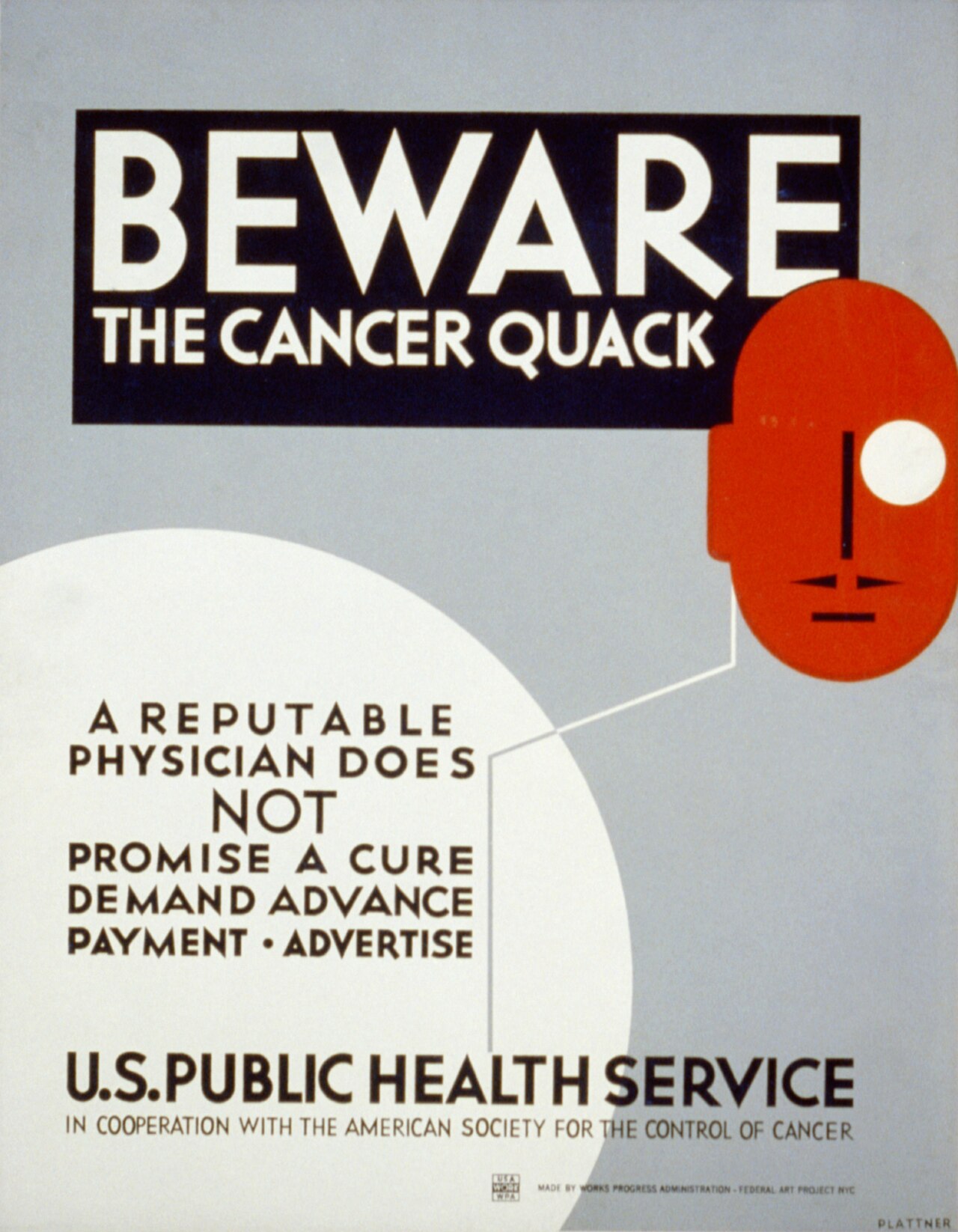
The term quackery refers to the promotion of fraudulent or ignorant medical practices, often synonymous with health fraud. A quack is a person who pretends to have medical skill or knowledge they do not possess, often using charlatan tactics to deceive patients. The term quack is derived from the Dutch word kwakzalver, meaning a 'hawker of salve' or someone who boasts about their ointments. In the Middle Ages, quacksalvers would sell their wares at markets by shouting to gain attention, hence the origin of the term quack. Today, quackery remains a significant public health concern, with many people falling victim to fake medicine and unproven therapies.
📚 History of Quackery
The history of quackery dates back to the Middle Ages, where quacksalvers would sell their wares at markets. These early quacks would often use pseudoscience and superstition to convince people of the effectiveness of their treatments. As the centuries passed, quackery evolved to incorporate new technologies and marketing techniques. Today, quackery can be found in many forms, from herbal supplements to stem cell therapy. Despite the advances in medical science, quackery remains a persistent problem, with many people still falling victim to health scams. The history of medicine is filled with examples of quackery, from the use of bloodletting to the promotion of patent medicine.
🚫 The Dangers of Quackery
Quackery poses a significant threat to public health, as it can lead to delayed diagnosis and inappropriate treatment. Many people who fall victim to quackery often do so because they are desperate for a cure or are misinformed about the effectiveness of a particular treatment. The consequences of quackery can be devastating, ranging from financial ruin to serious health complications. It is essential to be aware of the dangers of quackery and to approach any unconventional therapy with a healthy dose of skepticism. The science-based medicine community has a crucial role to play in combating quackery, by promoting evidence-based practice and critical thinking.
💸 The Business of Quackery
The business of quackery is a lucrative one, with many companies and individuals making significant profits from the sale of fake medicine and unproven therapies. The direct marketing of quackery often targets vulnerable individuals, such as those with chronic illness or terminal illness. These individuals are often desperate for a cure and may be willing to try anything, regardless of the lack of scientific evidence. The business of quackery is often facilitated by celebrity endorsements and social media, which can be used to promote quackery to a wide audience. The Federal Trade Commission has a crucial role to play in regulating the business of quackery, by enforcing truth in advertising laws and protecting consumers from deceptive practices.
👨⚕️ Quack Doctors and Charlatans
Quack doctors and charlatans have been a persistent problem throughout history, from the snake oil salesmen of the Wild West to the modern-day anti-vaxxers. These individuals often use pseudoscience and misinformation to convince people of the effectiveness of their treatments. Quack doctors and charlatans often target vulnerable individuals, such as those with chronic illness or terminal illness. The consequences of quackery can be devastating, ranging from financial ruin to serious health complications. It is essential to be aware of the dangers of quackery and to approach any unconventional therapy with a healthy dose of skepticism. The medical community has a crucial role to play in combating quackery, by promoting evidence-based practice and critical thinking.
📢 The Quackery Conundrum: A Public Health Concern
The quackery conundrum is a significant public health concern, as it can lead to delayed diagnosis and inappropriate treatment. Many people who fall victim to quackery often do so because they are desperate for a cure or are misinformed about the effectiveness of a particular treatment. The consequences of quackery can be devastating, ranging from financial ruin to serious health complications. It is essential to be aware of the dangers of quackery and to approach any unconventional therapy with a healthy dose of skepticism. The public health community has a crucial role to play in combating quackery, by promoting health literacy and critical thinking. The World Health Organization has recognized the importance of addressing quackery, by promoting evidence-based practice and regulatory oversight.
🔍 Investigating Quackery Claims
Investigating quackery claims requires a critical and nuanced approach, taking into account the scientific evidence and the potential risks and benefits of a particular treatment. It is essential to approach any unconventional therapy with a healthy dose of skepticism and to be aware of the potential red flags of quackery. The Federal Trade Commission and the Food and Drug Administration have a crucial role to play in regulating quackery, by enforcing truth in advertising laws and protecting consumers from deceptive practices. The scientific community also has a crucial role to play in combating quackery, by promoting evidence-based practice and critical thinking.
🚫 Regulatory Efforts to Combat Quackery
Regulatory efforts to combat quackery are essential, as they can help to protect consumers from deceptive practices and health scams. The Federal Trade Commission and the Food and Drug Administration have a crucial role to play in regulating quackery, by enforcing truth in advertising laws and protecting consumers from deceptive practices. The regulatory oversight of quackery is often challenging, as it requires a nuanced understanding of the scientific evidence and the potential risks and benefits of a particular treatment. The World Health Organization has recognized the importance of addressing quackery, by promoting evidence-based practice and regulatory oversight.
🤝 The Role of Skepticism in Combating Quackery
The role of skepticism in combating quackery is essential, as it can help to protect consumers from deceptive practices and health scams. Skepticism involves approaching any unconventional therapy with a healthy dose of critical thinking and a nuanced understanding of the scientific evidence. The skeptical community has a crucial role to play in combating quackery, by promoting evidence-based practice and critical thinking. The science-based medicine community also has a crucial role to play in combating quackery, by promoting evidence-based practice and critical thinking.
🌎 Global Perspectives on Quackery
Global perspectives on quackery are essential, as they can help to identify the common themes and challenges associated with quackery. Quackery is a global problem, with many countries experiencing similar challenges in regulating unconventional therapies and protecting consumers from deceptive practices. The World Health Organization has recognized the importance of addressing quackery, by promoting evidence-based practice and regulatory oversight. The global health community has a crucial role to play in combating quackery, by promoting health literacy and critical thinking.
📊 The Economics of Quackery
The economics of quackery are complex, with many factors contributing to the lucrative nature of the business. Quackery often targets vulnerable individuals, such as those with chronic illness or terminal illness. The direct marketing of quackery often uses celebrity endorsements and social media to promote quackery to a wide audience. The Federal Trade Commission has a crucial role to play in regulating the business of quackery, by enforcing truth in advertising laws and protecting consumers from deceptive practices.
👀 Conclusion: The Ongoing Battle Against Quackery
In conclusion, the quackery conundrum is a significant public health concern, with many people falling victim to fake medicine and unproven therapies. It is essential to be aware of the dangers of quackery and to approach any unconventional therapy with a healthy dose of skepticism. The public health community has a crucial role to play in combating quackery, by promoting health literacy and critical thinking. The World Health Organization has recognized the importance of addressing quackery, by promoting evidence-based practice and regulatory oversight.
Key Facts
- Year
- 1611
- Origin
- England
- Category
- Health and Wellness
- Type
- Concept
Frequently Asked Questions
What is quackery?
Quackery refers to the promotion of fraudulent or ignorant medical practices, often synonymous with health fraud. A quack is a person who pretends to have medical skill or knowledge they do not possess, often using charlatan tactics to deceive patients. Quackery can take many forms, from herbal supplements to stem cell therapy.
What are the dangers of quackery?
Quackery poses a significant threat to public health, as it can lead to delayed diagnosis and inappropriate treatment. Many people who fall victim to quackery often do so because they are desperate for a cure or are misinformed about the effectiveness of a particular treatment. The consequences of quackery can be devastating, ranging from financial ruin to serious health complications.
How can I protect myself from quackery?
To protect yourself from quackery, it is essential to approach any unconventional therapy with a healthy dose of skepticism. Be aware of the potential red flags of quackery, such as pseudoscience and misinformation. Always consult with a qualified healthcare professional before trying any new treatment, and be cautious of celebrity endorsements and social media promotions.
What is the role of regulatory agencies in combating quackery?
Regulatory agencies, such as the Federal Trade Commission and the Food and Drug Administration, have a crucial role to play in combating quackery. These agencies can help to protect consumers from deceptive practices and health scams by enforcing truth in advertising laws and regulating the business of quackery.
How can I report quackery?
If you suspect quackery, you can report it to the relevant regulatory agencies, such as the Federal Trade Commission or the Food and Drug Administration. You can also report quackery to the Better Business Bureau or the Federal Trade Commission's consumer protection division.
What is the impact of quackery on public health?
Quackery can have a significant impact on public health, as it can lead to delayed diagnosis and inappropriate treatment. Quackery can also undermine trust in the medical community and the public health system. The World Health Organization has recognized the importance of addressing quackery, by promoting evidence-based practice and regulatory oversight.
How can I find reliable health information?
To find reliable health information, it is essential to consult with qualified healthcare professionals and reputable sources, such as the National Institutes of Health or the World Health Organization. Be cautious of pseudoscience and misinformation, and always evaluate the scientific evidence before making any decisions about your health.