
Contents
- 🏹 Introduction to the Viking Age
- 🚣♂️ The Viking Raiders: Myth and Reality
- 🏞️ Scandinavian Homelands and Expansion
- 🌍 European Conquests and Trading Routes
- 🏴☠️ The Viking Culture and Society
- 📚 The Viking Legacy in History and Popular Culture
- 🤔 Debating the Viking Age: Historians and Archaeologists
- 📊 The Economic Impact of the Viking Age
- 🌟 The Viking Age in North America
- 👑 The End of the Viking Age and its Lasting Influence
- Frequently Asked Questions
- Related Topics
Overview
The Viking Age, spanning from 793 to 1066 CE, was a transformative period in European history, marked by the exploits of Norse seafarers from present-day Denmark, Norway, and Sweden. These skilled warriors, traders, and explorers left an indelible mark on the continent, from the raids on monasteries like Lindisfarne in 793 CE to the establishment of settlements in Iceland, Greenland, and Vinland (now Canada). The Vikings' impact extended beyond mere plunder, as they facilitated cultural exchange, introduced new technologies like the longship, and influenced the development of languages, customs, and politics. Notable figures like Leif Erikson, who reached North America around 1000 CE, and Harald Fairhair, who unified Norway, exemplify the era's adventurous spirit. With a vibe score of 8, the Viking Age continues to captivate audiences, inspiring numerous works of art, literature, and film. As historians continue to uncover new evidence, our understanding of this complex period evolves, revealing a rich tapestry of interactions between the Vikings and other European societies.
🏹 Introduction to the Viking Age
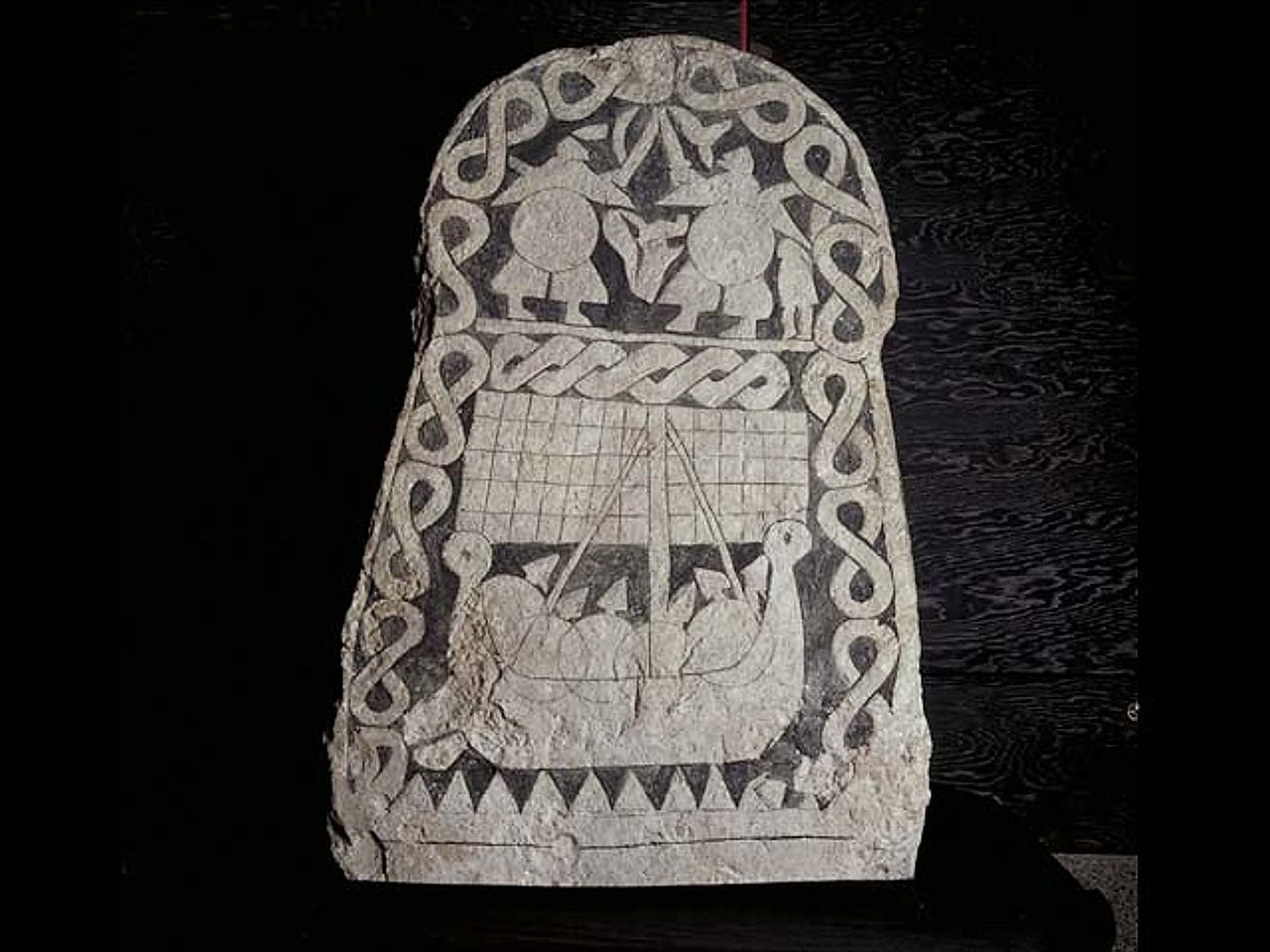
The Viking Age, which lasted from the late 8th century to the mid-11th century, was a period of significant expansion and conquest by the Norsemen, also known as Viking Culture. During this time, the Vikings undertook large-scale raiding, colonising, conquest, and trading throughout Europe and reached North America. The Viking Age applies not only to their homeland of Scandinavia but also to any place significantly settled by Scandinavians during the period. Although few of the Scandinavians of the Viking Age were Vikings in the sense of being engaged in piracy, they are often referred to as Vikings as well as Norsemen. The Vikings were skilled Shipbuilding experts and navigators, which enabled them to travel and settle in various parts of the world. Their legacy can be seen in the many Viking Settlements that still exist today.
🚣♂️ The Viking Raiders: Myth and Reality
The Viking Raiders were known for their fearsome reputation, but the reality is more complex. While some Vikings were indeed engaged in piracy and raiding, others were traders, explorers, and settlers. The Vikings were also skilled craftsmen and Metalwork experts, which is evident in the many artifacts that have been discovered. The Viking Raiders were not just mindless barbarians, but rather a complex and multifaceted society. They had a rich Viking Mythology and a strong sense of community, which is reflected in their Viking Art and literature. The Vikings were also known for their Viking Weaponry, which was highly advanced for its time.
🌍 European Conquests and Trading Routes
The Vikings were skilled traders and explorers, and they established a vast network of Trade Routes throughout Europe and beyond. They traded goods such as Furs, Wool, and Amber, and they also established colonies and settlements in various parts of the world. The Vikings were known for their Viking Ships, which were highly advanced and allowed them to travel long distances. The Vikings also had a strong sense of adventure and Exploration, which drove them to explore and settle new lands. The Vikings were also known for their Viking Cartography, which was highly advanced for its time.
🏴☠️ The Viking Culture and Society
The Viking Culture and Society were complex and multifaceted, and they had a rich tradition of Viking Literature and Viking Poetry. The Vikings were known for their Viking Legend and Viking Myth, which were passed down through generations. The Vikings also had a strong sense of Viking Identity, which was based on their culture, tradition, and community. The Vikings were also known for their Viking Archaeology, which has provided valuable insights into their culture and way of life.
📚 The Viking Legacy in History and Popular Culture
The Viking Legacy in History and Popular Culture is significant, and they have been the subject of many Viking Books, Viking Movies, and Viking Games. The Vikings have also been the subject of many Viking Documentaries and Viking TV Shows. The Vikings have a lasting impact on modern society, and their legacy can be seen in many areas, including Language, Culture, and Politics. The Vikings have also been the subject of many Viking Studies and Viking Research projects, which have provided valuable insights into their culture and way of life.
🤔 Debating the Viking Age: Historians and Archaeologists
Historians and Archaeologists have debated the Viking Age and its significance, and there are many different perspectives and interpretations. Some historians have argued that the Vikings were a major factor in the Viking Age Europe and the development of modern society. Others have argued that the Vikings were a minor factor, and that their impact has been exaggerated. The debate surrounding the Viking Age is ongoing, and it continues to be a topic of interest and discussion among historians and archaeologists. The Vikings have also been the subject of many Viking Controversies and Viking Debates, which have sparked intense discussion and debate.
📊 The Economic Impact of the Viking Age
The Economic Impact of the Viking Age was significant, and the Vikings played a major role in the development of trade and commerce in Europe. The Vikings established a vast network of trade routes, and they traded goods such as Furs, Wool, and Amber. The Vikings also established colonies and settlements in various parts of the world, which provided new markets and opportunities for trade. The Vikings were skilled Viking Merchants and traders, and they played a major role in the development of the European economy. The Vikings also had a significant impact on the Viking Economy of Scandinavia, which was based on a system of bartering and trade.
🌟 The Viking Age in North America
The Viking Age in North America is a topic of ongoing research and debate, and there is evidence to suggest that the Vikings established a settlement in present-day Canada. The Vikings were skilled navigators and explorers, and they were able to travel long distances across the ocean. The Vikings also had a strong sense of adventure and Exploration, which drove them to explore and settle new lands. The Vikings were known for their Viking Voyages and expeditions, which took them to many different parts of the world. The Vikings also had a significant impact on the Native American Culture of North America, which is still evident today.
👑 The End of the Viking Age and its Lasting Influence
The End of the Viking Age and its Lasting Influence is a topic of ongoing research and debate, and there are many different perspectives and interpretations. The Viking Age came to an end in the mid-11th century, and it was followed by the Medieval Period in Europe. The Vikings had a lasting impact on modern society, and their legacy can be seen in many areas, including Language, Culture, and Politics. The Vikings also had a significant impact on the development of European History, which is still evident today. The Vikings will always be remembered as a fierce and formidable people, who had a lasting impact on the world.
Key Facts
- Year
- 793
- Origin
- Scandinavia
- Category
- History
- Type
- Historical Period
Frequently Asked Questions
What was the Viking Age?
The Viking Age was a period of significant expansion and conquest by the Norsemen, also known as Vikings, which lasted from the late 8th century to the mid-11th century. During this time, the Vikings undertook large-scale raiding, colonising, conquest, and trading throughout Europe and reached North America. The Viking Age applies not only to their homeland of Scandinavia but also to any place significantly settled by Scandinavians during the period. Although few of the Scandinavians of the Viking Age were Vikings in the sense of being engaged in piracy, they are often referred to as Vikings as well as Norsemen. The Vikings were skilled Shipbuilding experts and navigators, which enabled them to travel and settle in various parts of the world.
Who were the Vikings?
The Vikings were Norsemen who undertook large-scale raiding, colonising, conquest, and trading throughout Europe and reached North America during the Viking Age. They were skilled farmers, traders, and explorers, and they had a rich tradition of Viking Literature and Viking Poetry. The Vikings were known for their Viking Legend and Viking Myth, which were passed down through generations. The Vikings also had a strong sense of Viking Identity, which was based on their culture, tradition, and community.
What was the significance of the Viking Age?
The Viking Age was a period of significant expansion and conquest by the Norsemen, and it had a lasting impact on modern society. The Vikings played a major role in the development of trade and commerce in Europe, and they established a vast network of trade routes. The Vikings also had a significant impact on the development of European History, which is still evident today. The Vikings were known for their Viking Voyages and expeditions, which took them to many different parts of the world.
What was the Viking culture like?
The Viking culture was complex and multifaceted, and it was based on a system of clans and chieftains. The Vikings had a rich tradition of Viking Literature and Viking Poetry, and they were known for their Viking Legend and Viking Myth. The Vikings also had a strong sense of Viking Identity, which was based on their culture, tradition, and community. The Vikings were skilled craftsmen and Metalwork experts, which is evident in the many artifacts that have been discovered.
What was the economic impact of the Viking Age?
The economic impact of the Viking Age was significant, and the Vikings played a major role in the development of trade and commerce in Europe. The Vikings established a vast network of trade routes, and they traded goods such as Furs, Wool, and Amber. The Vikings also established colonies and settlements in various parts of the world, which provided new markets and opportunities for trade. The Vikings were skilled Viking Merchants and traders, and they played a major role in the development of the European economy.
Did the Vikings reach North America?
Yes, the Vikings did reach North America. There is evidence to suggest that the Vikings established a settlement in present-day Canada, and they had a significant impact on the Native American Culture of North America. The Vikings were skilled navigators and explorers, and they were able to travel long distances across the ocean. The Vikings also had a strong sense of adventure and Exploration, which drove them to explore and settle new lands.
What was the legacy of the Viking Age?
The legacy of the Viking Age is significant, and it can be seen in many areas, including Language, Culture, and Politics. The Vikings had a lasting impact on modern society, and their legacy can be seen in the many Viking Settlements that still exist today. The Vikings also had a significant impact on the development of European History, which is still evident today. The Vikings will always be remembered as a fierce and formidable people, who had a lasting impact on the world.