
Contents
- 🎵 Origins & History
- ⚙️ How It Works
- 📊 Key Facts & Numbers
- 👥 Key People & Organizations
- 🌍 Cultural Impact & Influence
- ⚡ Current State & Latest Developments
- 🤔 Controversies & Debates
- 🔮 Future Outlook & Predictions
- 💡 Practical Applications
- 📚 Related Topics & Deeper Reading
- Frequently Asked Questions
- References
- Related Topics
Overview
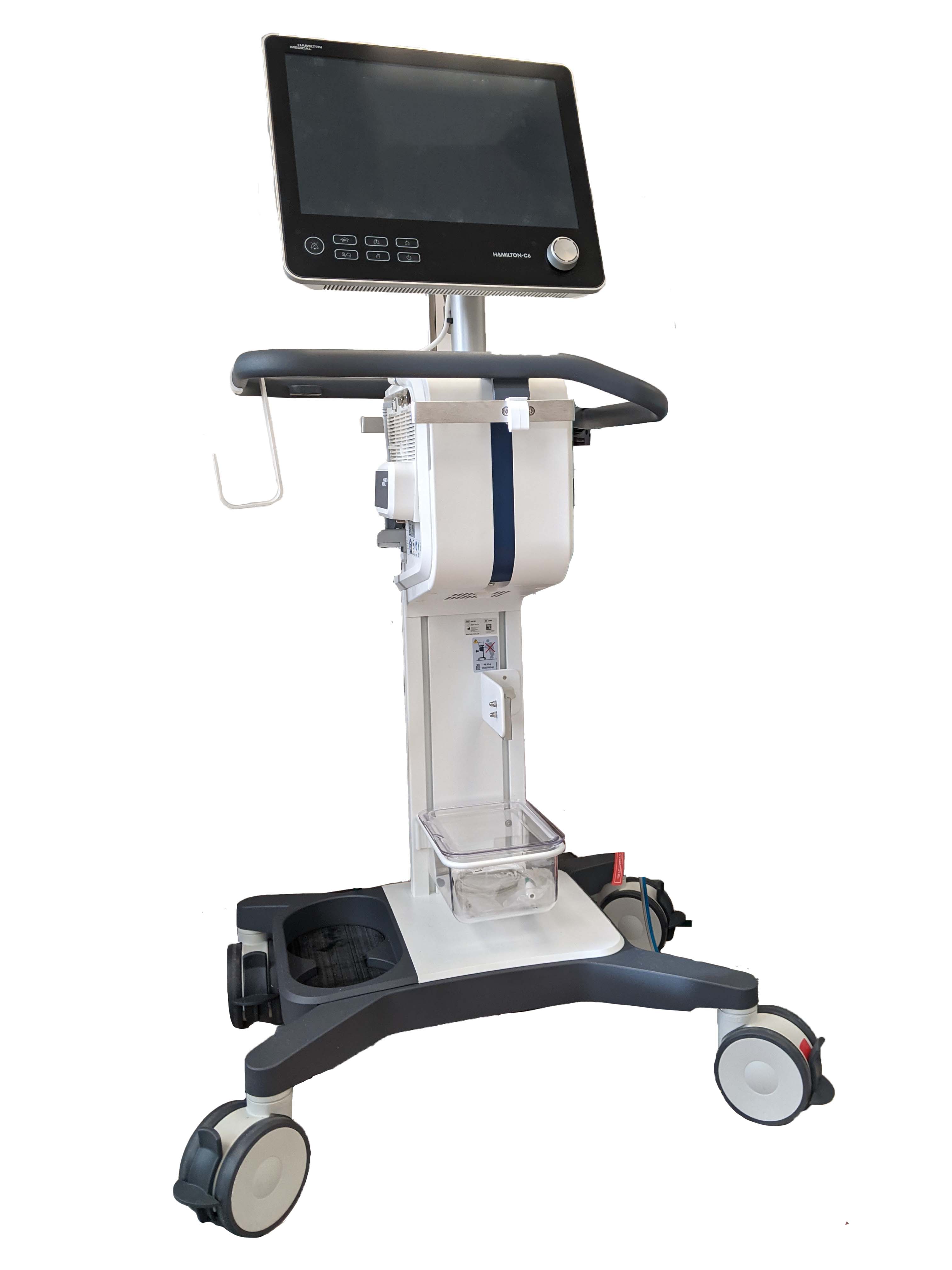
A ventilator is a critical care medical device that provides mechanical ventilation to patients who are unable to breathe sufficiently on their own. It works by moving breathable air into and out of the lungs, delivering breaths to patients in need. Ventilators are commonly used in intensive-care medicine, home care, and emergency medicine, as well as in anesthesiology. With the ability to be computerized and microprocessor-controlled, ventilators have become a vital tool in modern medicine, saving countless lives and improving patient outcomes. According to the World Health Organization, ventilators are essential for treating patients with respiratory failure, and their use has been increasingly important during the COVID-19 pandemic. The American Thoracic Society also emphasizes the importance of proper ventilator management to prevent complications and improve patient care. As of 2022, the global ventilator market was valued at over $1.3 billion, with an expected growth rate of 10% per year, driven by increasing demand for critical care services and advancements in technology, as reported by MarketWatch.
🎵 Origins & History
The concept of ventilators dates back to the 16th century, when Leonardo da Vinci designed a device to help people breathe. However, the first practical ventilator was developed in the 1950s by Forrest Bird, an American physician and engineer. Bird's invention, known as the Bird Respirator, was a significant breakthrough in the field of respiratory care. Today, ventilators are an essential part of modern medicine, with companies like Medtronic and Philips leading the way in innovation and development. The National Institutes of Health has also played a crucial role in funding research and development of ventilator technology.
⚙️ How It Works
A ventilator works by using a combination of sensors, valves, and motors to deliver breathable air to a patient. The device is typically connected to a endotracheal tube or a tracheostomy tube, which is inserted into the patient's airway. The ventilator then uses a microprocessor to control the flow of air, adjusting the rate and volume of breaths to meet the patient's needs. This complex process involves the coordination of multiple components, including sensors and actuators, to ensure precise control over the ventilation process. The Food and Drug Administration regulates the safety and efficacy of ventilators, ensuring that they meet strict standards for patient care.
📊 Key Facts & Numbers
According to the Centers for Disease Control and Prevention, there are over 100,000 patients on ventilators in the United States alone. The global ventilator market is expected to reach $2.5 billion by 2025, with an annual growth rate of 10%. Ventilators are used in a variety of settings, including intensive care units, emergency departments, and home care. The World Federation of Societies of Anesthesiologists has emphasized the importance of proper ventilator management in anesthesia care. In 2020, the World Health Organization reported that ventilators were in short supply in many countries, highlighting the need for increased production and distribution of these critical care devices.
👥 Key People & Organizations
Key people in the development of ventilators include Forrest Bird, who invented the first practical ventilator, and David Satcher, a former Surgeon General of the United States who has advocated for increased funding for respiratory care. Organizations such as the American Lung Association and the National Institutes of Health have also played important roles in promoting research and education on ventilator use and management. The American Thoracic Society has published guidelines for ventilator management, which have been widely adopted by healthcare professionals.
🌍 Cultural Impact & Influence
Ventilators have had a significant impact on modern medicine, saving countless lives and improving patient outcomes. However, they have also been the subject of controversy, particularly with regards to their use in end-of-life care. The bioethics of ventilator use have been debated by experts such as Daniel Callahan and Peter Singer. The Catholic Church has also weighed in on the issue, emphasizing the importance of respecting the dignity of human life. In 2019, the Pope Francis spoke about the need for compassionate care for patients on ventilators, highlighting the importance of spiritual support in addition to medical care.
⚡ Current State & Latest Developments
As of 2022, the latest developments in ventilator technology include the use of artificial intelligence and machine learning to improve patient outcomes. Companies such as Google and Microsoft are working with healthcare providers to develop new ventilator systems that can learn and adapt to individual patient needs. The National Science Foundation has funded research on the development of portable and low-cost ventilators, which could increase access to critical care in resource-limited settings. In 2020, the FDA approved the use of a new ventilator system that uses 3D printing technology to create customized components.
🤔 Controversies & Debates
Despite the many advances in ventilator technology, there are still controversies and debates surrounding their use. One of the main concerns is the risk of ventilator-associated pneumonia, which can be a serious complication for patients on ventilators. The Centers for Disease Control and Prevention has reported that ventilator-associated pneumonia is a major public health concern, with thousands of cases reported each year. Experts such as Atul Gawande have argued that ventilators are often overused, and that patients may be better served by alternative treatments such as palliative care. The Hastings Center has published reports on the ethics of ventilator use, highlighting the need for careful consideration of patient values and preferences.
🔮 Future Outlook & Predictions
Looking to the future, it is likely that ventilators will continue to play a critical role in modern medicine. With the increasing use of artificial intelligence and machine learning, ventilators may become even more sophisticated and effective. The World Health Organization has predicted that the global demand for ventilators will continue to grow, driven by an aging population and an increase in chronic diseases. In 2020, the Gates Foundation announced a major initiative to improve access to ventilators in low-income countries, highlighting the need for global cooperation to address the shortage of critical care devices.
💡 Practical Applications
Ventilators have a wide range of practical applications, from intensive care to home care. They are used to treat a variety of conditions, including chronic obstructive pulmonary disease and cystic fibrosis. The American College of Chest Physicians has published guidelines for the use of ventilators in these settings. Ventilators are also used in anesthesia and emergency medicine. The Society of Critical Care Medicine has emphasized the importance of proper ventilator management in critical care settings.
Key Facts
- Year
- 1950s
- Origin
- United States
- Category
- chronic-conditions
- Type
- medical-device
Frequently Asked Questions
What is a ventilator?
A ventilator is a medical device that provides mechanical ventilation to patients who are unable to breathe sufficiently on their own. It works by moving breathable air into and out of the lungs, delivering breaths to patients in need. The Centers for Disease Control and Prevention has reported that ventilators are essential for treating patients with respiratory failure. The World Health Organization has also emphasized the importance of proper ventilator management to prevent complications and improve patient care.
How does a ventilator work?
A ventilator works by using a combination of sensors, valves, and motors to deliver breathable air to a patient. The device is typically connected to a endotracheal tube or a tracheostomy tube, which is inserted into the patient's airway. The ventilator then uses a microprocessor to control the flow of air, adjusting the rate and volume of breaths to meet the patient's needs. This complex process involves the coordination of multiple components, including sensors and actuators, to ensure precise control over the ventilation process. The Food and Drug Administration regulates the safety and efficacy of ventilators, ensuring that they meet strict standards for patient care.
What are the benefits of using a ventilator?
The benefits of using a ventilator include improved patient outcomes, increased survival rates, and enhanced quality of life. Ventilators can help patients with respiratory failure to breathe more easily, reducing the risk of complications and improving their overall health. The American Thoracic Society has published guidelines for ventilator management, which have been widely adopted by healthcare professionals. The National Institutes of Health has also funded research on the development of new ventilator technologies, which could further improve patient care.
What are the risks associated with ventilator use?
The risks associated with ventilator use include ventilator-associated pneumonia, lung injury, and death. Patients on ventilators are also at risk of developing muscle atrophy and nerve damage. The Centers for Disease Control and Prevention has reported that ventilator-associated pneumonia is a major public health concern, with thousands of cases reported each year. Experts such as Atul Gawande have argued that ventilators are often overused, and that patients may be better served by alternative treatments such as palliative care.
How much does a ventilator cost?
The cost of a ventilator can vary widely, depending on the type and features of the device. Basic ventilators can cost between $5,000 and $10,000, while more advanced models can cost upwards of $50,000 or more. The Medtronic and Philips companies are among the leading manufacturers of ventilators, and their products are widely used in hospitals and healthcare settings. The Food and Drug Administration regulates the safety and efficacy of ventilators, ensuring that they meet strict standards for patient care.
Can a ventilator be used at home?
Yes, a ventilator can be used at home, but it requires careful planning and management. Patients on ventilators at home need to have a stable and safe environment, with access to oxygen and electricity. They also need to have a trained caregiver who can monitor their condition and operate the ventilator. The American Lung Association has published guidelines for home ventilator use, which emphasize the importance of proper management and care. The National Institutes of Health has also funded research on the development of portable and low-cost ventilators, which could increase access to critical care in resource-limited settings.
What is the future of ventilator technology?
The future of ventilator technology is likely to involve the use of artificial intelligence and machine learning to improve patient outcomes. Companies such as Google and Microsoft are working with healthcare providers to develop new ventilator systems that can learn and adapt to individual patient needs. The National Science Foundation has funded research on the development of portable and low-cost ventilators, which could increase access to critical care in resource-limited settings. In 2020, the FDA approved the use of a new ventilator system that uses 3D printing technology to create customized components.
How can I learn more about ventilators?
To learn more about ventilators, you can start by reading about the history and development of ventilator technology. You can also explore the different types of ventilators and their uses, as well as the benefits and risks associated with ventilator use. The Centers for Disease Control and Prevention and the World Health Organization are good resources for information on ventilators and respiratory care. You can also consult with healthcare professionals, such as pulmonologists and intensivists, who can provide expert advice and guidance on ventilator use and management.