
Contents
- 🌎 Introduction to COVID-19 Pandemic
- 📊 COVID-19 Outbreak and Spread
- 🚨 Declaration of Public Health Emergency
- 🌈 Global Response to COVID-19
- 🏥 COVID-19 Symptoms and Treatment
- 🧬 COVID-19 Vaccines and Variants
- 📊 COVID-19 Impact on Economy and Society
- 🌎 COVID-19 Pandemic: A Global Perspective
- 📝 COVID-19 Research and Development
- 👥 COVID-19 and Mental Health
- 🌈 COVID-19: The Road to Recovery
- 📊 COVID-19: Lessons Learned and Future Directions
- Frequently Asked Questions
- Related Topics
Overview
The COVID-19 pandemic, caused by the SARS-CoV-2 virus, was first reported in Wuhan, China in December 2019. The World Health Organization (WHO) declared it a pandemic on March 11, 2020. As of 2022, the pandemic has resulted in over 440 million reported cases and 6 million deaths worldwide, with the United States, India, and Brazil being among the hardest-hit countries. The pandemic has had a significant impact on the global economy, with widespread lockdowns, supply chain disruptions, and a significant increase in remote work. The development and distribution of COVID-19 vaccines have been a major focus of the global response, with over 60% of the global population having received at least one dose. The pandemic has also accelerated the use of digital technologies, such as telemedicine and online learning platforms, and has raised important questions about global health equity, economic resilience, and the role of governments in responding to public health crises.
🌎 Introduction to COVID-19 Pandemic
The COVID-19 pandemic, caused by severe acute respiratory syndrome coronavirus 2, began with an outbreak in Wuhan, China in December 2019. It spread to other parts of Asia and then worldwide in early 2020. The World Health Organization (WHO) declared the outbreak a public health emergency of international concern (PHEIC) on 30 January 2020, and assessed it as having become a pandemic on 11 March. The COVID-19 pandemic has had a significant impact on global health, economy, and society. For more information on the pandemic, visit the COVID-19 page. The pandemic has also raised concerns about mental health and healthcare systems.
📊 COVID-19 Outbreak and Spread
The COVID-19 outbreak and spread have been extensively studied by epidemiologists and virologists. The virus was first detected in Wuhan, China in December 2019, and it is believed to have originated from an animal source. The virus then spread to other parts of Asia and eventually worldwide. The WHO has played a crucial role in coordinating the global response to the pandemic. For more information on the outbreak and spread, visit the COVID-19 outbreak page. The pandemic has also highlighted the importance of global cooperation and public health policy.
🚨 Declaration of Public Health Emergency
The declaration of the COVID-19 outbreak as a public health emergency of international concern (PHEIC) by the WHO on 30 January 2020 marked a significant turning point in the global response to the pandemic. The declaration triggered a coordinated response from governments, healthcare systems, and international organizations. The WHO has since played a crucial role in providing guidance, technical assistance, and resource mobilization to countries affected by the pandemic. For more information on the declaration, visit the public health emergency page. The pandemic has also raised questions about global governance and international law.
🌈 Global Response to COVID-19
The global response to COVID-19 has been unprecedented in terms of its scale and scope. Governments, healthcare systems, and international organizations have worked together to implement public health measures, such as social distancing, mask wearing, and vaccination. The WHO has provided guidance and technical assistance to countries to support their response to the pandemic. For more information on the global response, visit the global response page. The pandemic has also highlighted the importance of global cooperation and international collaboration.
🏥 COVID-19 Symptoms and Treatment
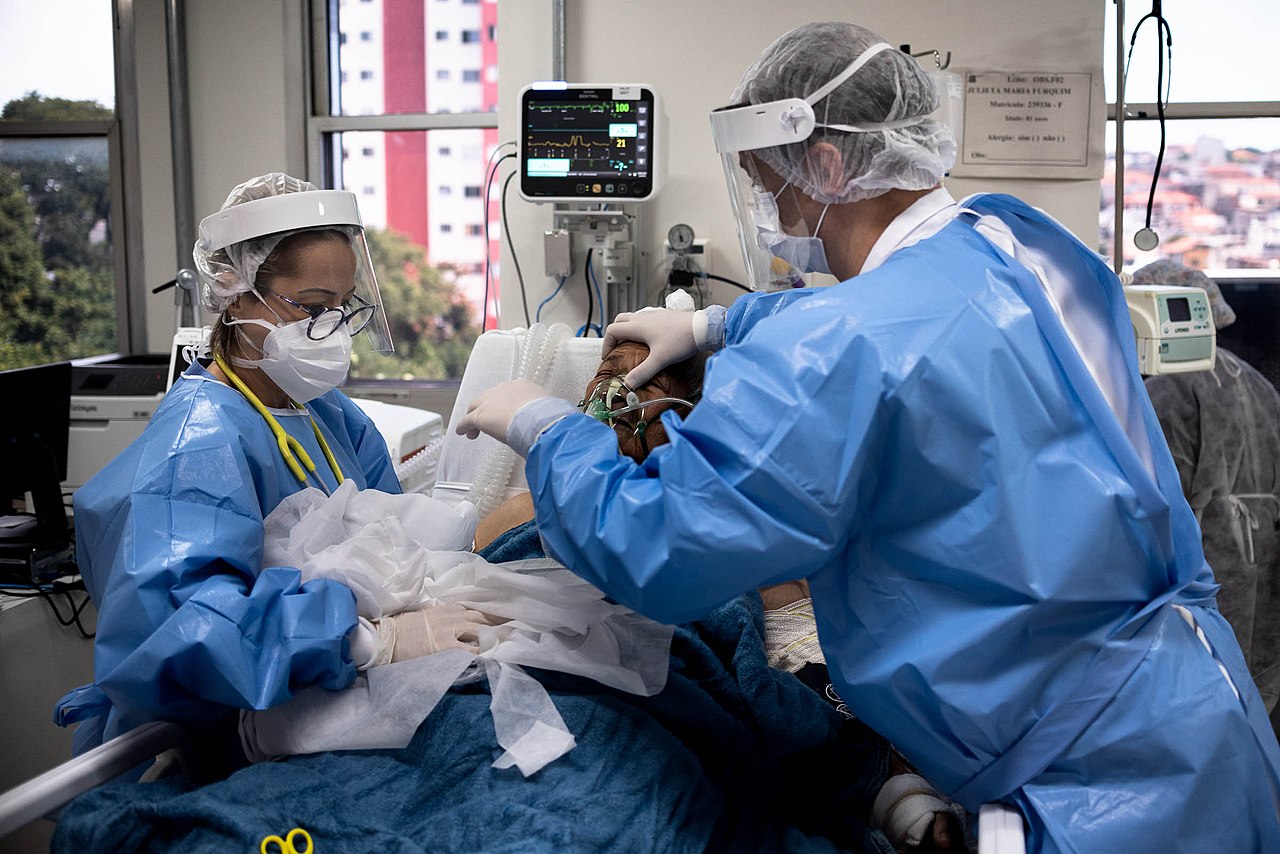
COVID-19 symptoms can range from mild to severe and can include fever, cough, and shortness of breath. In severe cases, COVID-19 can cause pneumonia, acute respiratory distress syndrome, and even death. The WHO has provided guidance on the diagnosis, treatment, and management of COVID-19 cases. For more information on COVID-19 symptoms and treatment, visit the COVID-19 symptoms page. The pandemic has also raised concerns about healthcare access and health disparities.
🧬 COVID-19 Vaccines and Variants
COVID-19 vaccines have been developed and distributed to countries around the world. The WHO has played a crucial role in coordinating the development, distribution, and administration of COVID-19 vaccines. The vaccines have been shown to be safe and effective in preventing severe illness and death from COVID-19. However, the pandemic has also raised concerns about vaccine equity and vaccine hesitancy. For more information on COVID-19 vaccines, visit the COVID-19 vaccines page. The pandemic has also highlighted the importance of global health security.
📊 COVID-19 Impact on Economy and Society
The COVID-19 pandemic has had a significant impact on the economy and society. The pandemic has caused widespread unemployment, poverty, and food insecurity. The WHO has called for a coordinated response to address the social and economic impacts of the pandemic. For more information on the impact of the pandemic, visit the COVID-19 impact page. The pandemic has also raised concerns about mental health and social cohesion.
🌎 COVID-19 Pandemic: A Global Perspective
The COVID-19 pandemic has been a global phenomenon, affecting countries and communities around the world. The WHO has played a crucial role in coordinating the global response to the pandemic. The pandemic has highlighted the importance of global cooperation, international collaboration, and global health security. For more information on the global perspective, visit the global perspective page. The pandemic has also raised questions about global governance and international law.
📝 COVID-19 Research and Development
COVID-19 research and development have been ongoing since the beginning of the pandemic. Scientists and researchers have been working to develop vaccines, therapeutics, and diagnostics to combat the pandemic. The WHO has provided guidance and technical assistance to support COVID-19 research and development. For more information on COVID-19 research and development, visit the COVID-19 research page. The pandemic has also highlighted the importance of science and technology.
👥 COVID-19 and Mental Health
The COVID-19 pandemic has had a significant impact on mental health. The pandemic has caused widespread anxiety, depression, and post-traumatic stress disorder. The WHO has called for a coordinated response to address the mental health impacts of the pandemic. For more information on COVID-19 and mental health, visit the mental health page. The pandemic has also raised concerns about healthcare access and health disparities.
🌈 COVID-19: The Road to Recovery
The COVID-19 pandemic has been a challenging and unprecedented event, but it has also presented opportunities for global cooperation, international collaboration, and global health security. The WHO has played a crucial role in coordinating the global response to the pandemic. For more information on the road to recovery, visit the road to recovery page. The pandemic has also highlighted the importance of science and technology.
📊 COVID-19: Lessons Learned and Future Directions
The COVID-19 pandemic has provided valuable lessons for the future. The pandemic has highlighted the importance of global cooperation, international collaboration, and global health security. The WHO has called for a coordinated response to address the social and economic impacts of the pandemic. For more information on lessons learned and future directions, visit the lessons learned page. The pandemic has also raised questions about global governance and international law.
Key Facts
- Year
- 2019
- Origin
- Wuhan, China
- Category
- Health
- Type
- Global Health Crisis
Frequently Asked Questions
What is COVID-19?
COVID-19 is a respiratory illness caused by the severe acute respiratory syndrome coronavirus 2. It was first detected in Wuhan, China in December 2019 and has since spread to countries around the world. The WHO has declared the outbreak a public health emergency of international concern. For more information on COVID-19, visit the COVID-19 page. The pandemic has also raised concerns about healthcare access and health disparities.
What are the symptoms of COVID-19?
COVID-19 symptoms can range from mild to severe and can include fever, cough, and shortness of breath. In severe cases, COVID-19 can cause pneumonia, acute respiratory distress syndrome, and even death. The WHO has provided guidance on the diagnosis, treatment, and management of COVID-19 cases. For more information on COVID-19 symptoms, visit the COVID-19 symptoms page. The pandemic has also raised concerns about mental health and social cohesion.
How is COVID-19 treated?
COVID-19 treatment depends on the severity of the illness. Mild cases can be managed with self-care and supportive care, while severe cases may require hospitalization and intensive care. The WHO has provided guidance on the treatment and management of COVID-19 cases. For more information on COVID-19 treatment, visit the COVID-19 treatment page. The pandemic has also highlighted the importance of healthcare systems and global health security.
What is the COVID-19 vaccine?
The COVID-19 vaccine is a vaccine that protects against severe acute respiratory syndrome coronavirus 2. The vaccine has been developed and distributed to countries around the world. The WHO has played a crucial role in coordinating the development, distribution, and administration of COVID-19 vaccines. For more information on the COVID-19 vaccine, visit the COVID-19 vaccines page. The pandemic has also raised concerns about vaccine equity and vaccine hesitancy.
How can I protect myself from COVID-19?
You can protect yourself from COVID-19 by practicing social distancing, mask wearing, and hand hygiene. You can also get vaccinated against COVID-19. The WHO has provided guidance on how to protect yourself from COVID-19. For more information on COVID-19 prevention, visit the COVID-19 prevention page. The pandemic has also highlighted the importance of global cooperation and international collaboration.
What is the current status of the COVID-19 pandemic?
The COVID-19 pandemic is ongoing, but the number of cases and deaths has decreased significantly since the peak of the pandemic. The WHO has declared that the public health emergency caused by COVID-19 has ended, but the pandemic is still a significant public health concern. For more information on the current status of the pandemic, visit the COVID-19 status page. The pandemic has also raised questions about global governance and international law.
What are the long-term effects of COVID-19?
The long-term effects of COVID-19 are still being studied, but it is known that some people may experience long COVID, which can include symptoms such as fatigue, shortness of breath, and cognitive impairment. The WHO has provided guidance on the management of long COVID. For more information on the long-term effects of COVID-19, visit the long-term effects page. The pandemic has also highlighted the importance of healthcare systems and global health security.