
Contents
- 🌟 Introduction to Vein Disease
- 🔍 Understanding the Causes of Vein Disease
- 👨⚕️ Symptoms and Diagnosis of Vein Disease
- 💊 Treatment Options for Vein Disease
- 🚫 Prevention and Management of Vein Disease
- 🤝 The Impact of Vein Disease on Quality of Life
- 📊 The Economic Burden of Vein Disease
- 🌎 Global Perspectives on Vein Disease
- 🔬 Current Research and Future Directions
- 👥 Patient Stories and Experiences with Vein Disease
- Frequently Asked Questions
- Related Topics
Overview
Vein disease, affecting over 30 million Americans, is a complex and often misunderstood condition. According to a study published in the Journal of Vascular Surgery (2018), the prevalence of chronic venous insufficiency is estimated to be around 10-15% of the adult population. Despite its prevalence, vein disease remains shrouded in controversy, with debates surrounding diagnosis, treatment, and prevention. The American College of Phlebology recommends a comprehensive approach to diagnosis, including duplex ultrasound and physical examination. However, some critics argue that the emphasis on invasive treatments, such as sclerotherapy and vein stripping, has led to a lack of focus on preventative measures, like lifestyle modifications and compression therapy. As research continues to uncover the intricacies of vein disease, it is essential to consider the perspectives of both patients and healthcare professionals, including Dr. Mark Meissner, a renowned expert in the field, who has spoken out about the need for more nuanced approaches to treatment. With a vibe score of 6, indicating moderate cultural energy, vein disease is an area of growing concern, with significant implications for public health and healthcare policy. As we look to the future, it is crucial to address the ongoing debates and controversies surrounding vein disease, including the role of genetics, environmental factors, and socioeconomic disparities in shaping treatment outcomes.
🌟 Introduction to Vein Disease
Vein disease, also known as venous disease, is a common condition that affects millions of people worldwide. It occurs when the veins in the legs, arms, or other parts of the body become damaged or diseased, leading to a range of symptoms including pain, swelling, and skin discoloration. According to the American Heart Association, vein disease is a significant public health concern, with approximately 25 million people in the United States alone suffering from some form of vein disease. The Centers for Disease Control and Prevention (CDC) also recognize the importance of addressing vein disease, as it can have a significant impact on a person's quality of life. As with any condition, it's essential to understand the causes of vein disease to develop effective treatment and prevention strategies.
🔍 Understanding the Causes of Vein Disease
The causes of vein disease are complex and multifaceted, involving a combination of genetic, environmental, and lifestyle factors. Family history plays a significant role, as individuals with a family history of vein disease are more likely to develop the condition. Other risk factors include obesity, smoking, and physical inactivity, which can all contribute to the development of vein disease. Additionally, certain medical conditions, such as deep vein thrombosis and pulmonary embolism, can increase the risk of developing vein disease. The National Institutes of Health (NIH) have conducted extensive research on the causes of vein disease, highlighting the importance of addressing these underlying factors to prevent and treat the condition. By understanding the pathophysiology of vein disease, healthcare professionals can develop targeted treatment strategies to address the underlying causes of the condition.
👨⚕️ Symptoms and Diagnosis of Vein Disease
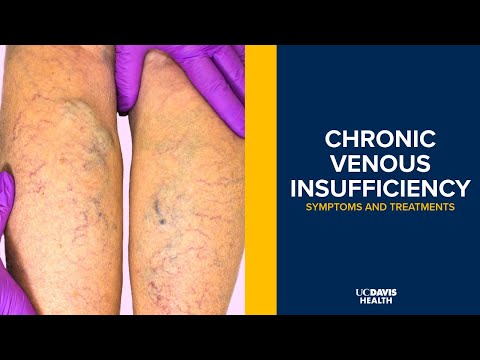
The symptoms of vein disease can vary depending on the severity and location of the affected veins. Common symptoms include leg pain, swelling, and skin discoloration, as well as varicose veins and spider veins. In some cases, vein disease can lead to more severe complications, such as ulcers and blood clots. A proper diagnosis is essential to determine the best course of treatment, and healthcare professionals may use a range of diagnostic tools, including duplex ultrasound and magnetic resonance imaging (MRI). The American College of Phlebology provides guidelines for the diagnosis and treatment of vein disease, emphasizing the importance of a comprehensive approach to addressing the condition. By working with a healthcare professional, individuals can develop a personalized treatment plan to manage their vein disease and prevent further complications.
💊 Treatment Options for Vein Disease
Treatment options for vein disease vary depending on the severity and location of the affected veins. Conservative management strategies, such as compression therapy and elevation, can be effective for mild cases of vein disease. More severe cases may require minimally invasive procedures, such as sclerotherapy and endovenous laser treatment. In some cases, surgery may be necessary to remove or repair damaged veins. The Society for Vascular Surgery provides guidelines for the treatment of vein disease, highlighting the importance of a multidisciplinary approach to addressing the condition. By working with a healthcare professional, individuals can determine the best course of treatment for their specific needs and develop a personalized plan to manage their vein disease.
🚫 Prevention and Management of Vein Disease
Prevention and management of vein disease are critical to reducing the risk of complications and improving quality of life. lifestyle modifications, such as regular exercise and healthy eating, can help to reduce the risk of developing vein disease. Additionally, compression stockings and elevation can help to alleviate symptoms and prevent further complications. The American Heart Association provides guidelines for the prevention and management of vein disease, emphasizing the importance of a comprehensive approach to addressing the condition. By working with a healthcare professional, individuals can develop a personalized plan to manage their vein disease and reduce the risk of complications. The National Institutes of Health (NIH) also provide resources and information on the prevention and management of vein disease, highlighting the importance of addressing the underlying causes of the condition.
🤝 The Impact of Vein Disease on Quality of Life
Vein disease can have a significant impact on a person's quality of life, affecting not only their physical health but also their emotional and social well-being. Pain and disability can limit a person's ability to participate in daily activities, leading to feelings of isolation and depression. The World Health Organization (WHO) recognizes the importance of addressing the social and emotional impact of vein disease, highlighting the need for a comprehensive approach to managing the condition. By working with a healthcare professional, individuals can develop a personalized plan to manage their vein disease and improve their overall quality of life. The patient advocacy groups, such as the Vein Disease Foundation, provide support and resources for individuals affected by vein disease, emphasizing the importance of addressing the social and emotional impact of the condition.
📊 The Economic Burden of Vein Disease
The economic burden of vein disease is significant, with estimated costs ranging from $1 billion to $3 billion annually in the United States alone. Direct medical costs, such as hospitalizations and procedures, account for a significant portion of these costs, while indirect costs, such as lost productivity and caregiver burden, also contribute to the overall economic burden. The Centers for Medicare and Medicaid Services (CMS) recognize the importance of addressing the economic burden of vein disease, highlighting the need for cost-effective treatment strategies and prevention programs. By working with healthcare professionals and policymakers, individuals can advocate for increased funding and support for vein disease research and treatment. The health economics of vein disease are complex, and further research is needed to fully understand the economic burden of the condition.
🌎 Global Perspectives on Vein Disease
Global perspectives on vein disease vary, with different regions and countries experiencing different prevalence rates and treatment approaches. Developing countries often face significant challenges in addressing vein disease, due to limited access to healthcare resources and specialized care. The World Health Organization (WHO) provides guidelines and resources for addressing vein disease globally, emphasizing the importance of a comprehensive approach to managing the condition. By working with international partners and organizations, healthcare professionals can develop and implement effective treatment strategies and prevention programs to address the global burden of vein disease. The Global Health Initiative provides funding and support for vein disease research and treatment in developing countries, highlighting the importance of addressing the global impact of the condition.
🔬 Current Research and Future Directions
Current research and future directions in vein disease are focused on developing new and innovative treatment strategies, as well as improving our understanding of the underlying causes of the condition. Stem cell therapy and gene therapy are being explored as potential treatment options, while artificial intelligence and machine learning are being used to develop more accurate diagnostic tools. The National Institutes of Health (NIH) provide funding and support for vein disease research, highlighting the importance of addressing the underlying causes of the condition. By working with researchers and healthcare professionals, individuals can stay up-to-date on the latest developments and advancements in vein disease treatment and research. The Vein Disease Research Foundation provides funding and support for vein disease research, emphasizing the importance of addressing the condition through innovative and effective treatment strategies.
👥 Patient Stories and Experiences with Vein Disease
Patient stories and experiences with vein disease are a powerful reminder of the importance of addressing the condition. Patient advocacy groups, such as the Vein Disease Foundation, provide support and resources for individuals affected by vein disease, highlighting the need for a comprehensive approach to managing the condition. By sharing their stories and experiences, individuals can raise awareness and promote understanding of vein disease, while also advocating for increased funding and support for research and treatment. The patient-centered care approach emphasizes the importance of putting the patient at the center of care, highlighting the need for a personalized and comprehensive approach to addressing vein disease. By working with healthcare professionals and patient advocacy groups, individuals can develop a personalized plan to manage their vein disease and improve their overall quality of life.
Key Facts
- Year
- 2022
- Origin
- Ancient Greece, with descriptions of venous disorders dating back to the works of Hippocrates (460-370 BCE)
- Category
- Health and Medicine
- Type
- Medical Condition
Frequently Asked Questions
What are the symptoms of vein disease?
The symptoms of vein disease can vary depending on the severity and location of the affected veins. Common symptoms include leg pain, swelling, and skin discoloration, as well as varicose veins and spider veins. In some cases, vein disease can lead to more severe complications, such as ulcers and blood clots. A proper diagnosis is essential to determine the best course of treatment, and healthcare professionals may use a range of diagnostic tools, including duplex ultrasound and magnetic resonance imaging (MRI).
How is vein disease diagnosed?
Vein disease is typically diagnosed using a combination of physical examination, medical history, and diagnostic tests. Duplex ultrasound is a common diagnostic tool used to evaluate blood flow and vein function, while magnetic resonance imaging (MRI) may be used to visualize the veins and surrounding tissues. In some cases, venography or angiography may be used to visualize the veins and diagnose vein disease. A proper diagnosis is essential to determine the best course of treatment, and healthcare professionals may use a range of diagnostic tools to develop a personalized treatment plan.
What are the treatment options for vein disease?
Treatment options for vein disease vary depending on the severity and location of the affected veins. Conservative management strategies, such as compression therapy and elevation, can be effective for mild cases of vein disease. More severe cases may require minimally invasive procedures, such as sclerotherapy and endovenous laser treatment. In some cases, surgery may be necessary to remove or repair damaged veins. The Society for Vascular Surgery provides guidelines for the treatment of vein disease, highlighting the importance of a multidisciplinary approach to addressing the condition.
Can vein disease be prevented?
While some cases of vein disease may not be preventable, there are steps that can be taken to reduce the risk of developing the condition. lifestyle modifications, such as regular exercise and healthy eating, can help to reduce the risk of developing vein disease. Additionally, compression stockings and elevation can help to alleviate symptoms and prevent further complications. The American Heart Association provides guidelines for the prevention and management of vein disease, emphasizing the importance of a comprehensive approach to addressing the condition.
What is the economic burden of vein disease?
The economic burden of vein disease is significant, with estimated costs ranging from $1 billion to $3 billion annually in the United States alone. Direct medical costs, such as hospitalizations and procedures, account for a significant portion of these costs, while indirect costs, such as lost productivity and caregiver burden, also contribute to the overall economic burden. The Centers for Medicare and Medicaid Services (CMS) recognize the importance of addressing the economic burden of vein disease, highlighting the need for cost-effective treatment strategies and prevention programs.
What are the current research and future directions in vein disease?
Current research and future directions in vein disease are focused on developing new and innovative treatment strategies, as well as improving our understanding of the underlying causes of the condition. Stem cell therapy and gene therapy are being explored as potential treatment options, while artificial intelligence and machine learning are being used to develop more accurate diagnostic tools. The National Institutes of Health (NIH) provide funding and support for vein disease research, highlighting the importance of addressing the underlying causes of the condition.
What is the impact of vein disease on quality of life?
Vein disease can have a significant impact on a person's quality of life, affecting not only their physical health but also their emotional and social well-being. Pain and disability can limit a person's ability to participate in daily activities, leading to feelings of isolation and depression. The World Health Organization (WHO) recognizes the importance of addressing the social and emotional impact of vein disease, highlighting the need for a comprehensive approach to managing the condition.