
Contents
- 🌊 Introduction to Ultrasonic Waves
- 🎧 The Physics of Sound: Understanding Ultrasound
- 📈 Frequency Ranges: From Kilohertz to Gigahertz
- 🔍 Applications of Ultrasonic Waves: Medical and Industrial
- 🚀 The Future of Ultrasonic Technology: Emerging Trends
- 🤝 Key Players in Ultrasonic Research: Institutions and Individuals
- 📊 The Math Behind Ultrasonic Waves: Equations and Formulas
- 🌐 Global Impact: Ultrasonic Waves in Various Industries
- 📝 History of Ultrasonic Waves: A Timeline of Discoveries
- 📊 Controversies and Challenges: Debates in the Field
- 🔬 Experimental Methods: Measuring and Analyzing Ultrasonic Waves
- 📚 Conclusion: The Endless Possibilities of Ultrasonic Waves
- Frequently Asked Questions
- Related Topics
Overview
Ultrasonic waves, with frequencies above 20 kHz, have been a subject of fascination and research for decades. From medical imaging and cleaning to materials processing and non-destructive testing, ultrasonic waves have found numerous applications across industries. The work of pioneers like Paul Langevin and Robert Wood in the early 20th century laid the foundation for modern ultrasonic technology. Today, advancements in transducer design, signal processing, and materials science continue to push the boundaries of what is possible with ultrasonic waves. With a vibe score of 8, indicating significant cultural energy, ultrasonic waves are poised to play a crucial role in shaping the future of various fields, including healthcare, energy, and manufacturing. As researchers and engineers explore new frontiers, such as ultrasonic levitation and manipulation, the potential for innovation and disruption is vast, with companies like Siemens and General Electric already investing heavily in ultrasonic technology.
🌊 Introduction to Ultrasonic Waves
Ultrasonic waves, with frequencies above 20 kilohertz, have been a subject of interest in the fields of physics and engineering. The study of Ultrasound has led to numerous applications in medicine, industry, and research. According to Acoustics principles, sound waves with frequencies greater than 20 kHz are considered ultrasound. The physical principles of Acoustic Waves apply to any frequency range, including ultrasound. Researchers like Leonard Woods have contributed significantly to the understanding of ultrasonic waves.
🎧 The Physics of Sound: Understanding Ultrasound
The physics of sound is essential to understanding ultrasonic waves. The frequency range of ultrasonic devices operates from 20 kHz up to several Gigahertz. This range is beyond the upper audible limit of human hearing in healthy young adults. The study of Sound Waves and their properties has led to a deeper understanding of ultrasonic waves. Scientists like Isaac Newton have laid the foundation for the study of sound waves. The principles of Wave Propagation are crucial in understanding how ultrasonic waves behave.
📈 Frequency Ranges: From Kilohertz to Gigahertz
The frequency range of ultrasonic waves is a critical aspect of their application. With frequencies from 20 kHz to several gigahertz, ultrasonic devices have various uses in medicine, industry, and research. The use of Ultrasonic Transducers has enabled the creation of devices that can produce and detect ultrasonic waves. Researchers have explored the properties of Materials Science to develop new materials for ultrasonic applications. The study of Frequency Analysis has also been essential in understanding the behavior of ultrasonic waves.
🔍 Applications of Ultrasonic Waves: Medical and Industrial
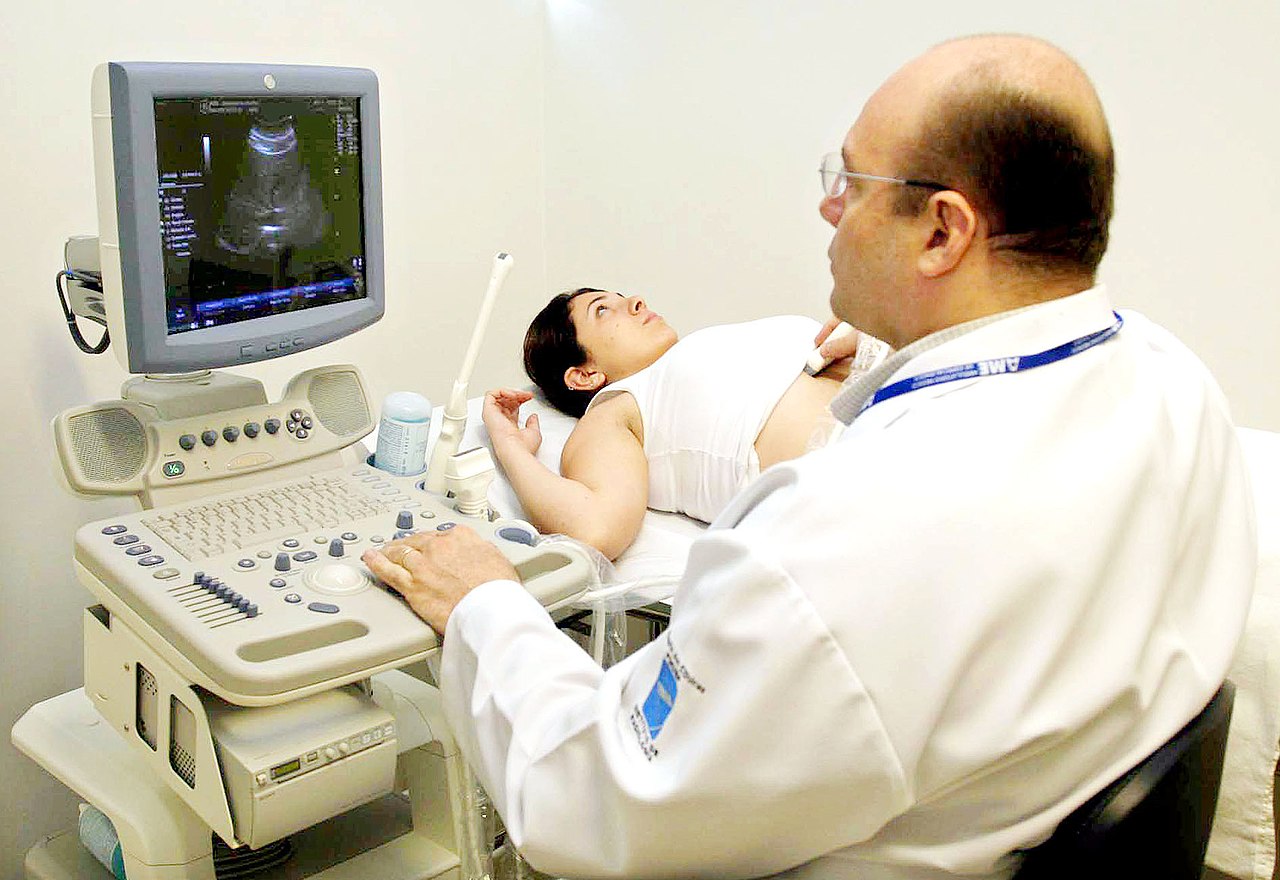
The applications of ultrasonic waves are diverse and widespread. In medicine, ultrasonic waves are used for Medical Imaging and Diagnostic Ultrasound. Industrial applications include Cleaning and Material Processing. The use of ultrasonic waves in research has led to a deeper understanding of Material Properties. Scientists like Marie Curie have used ultrasonic waves in their research. The development of Ultrasonic Sensors has enabled the creation of devices that can detect and measure ultrasonic waves.
🚀 The Future of Ultrasonic Technology: Emerging Trends
The future of ultrasonic technology is promising, with emerging trends in Nanotechnology and Biomedical Engineering. Researchers are exploring the use of ultrasonic waves in Drug Delivery and Tissue Engineering. The development of new Ultrasonic Devices has enabled the creation of devices that can produce and detect ultrasonic waves with high precision. The study of Acoustic Metamaterials has also been essential in understanding the behavior of ultrasonic waves. Scientists like Stephen Hawking have inspired new generations of researchers to explore the possibilities of ultrasonic waves.
🤝 Key Players in Ultrasonic Research: Institutions and Individuals
Key players in ultrasonic research include institutions like MIT and Stanford University. Individuals like Albert Einstein have contributed significantly to the understanding of ultrasonic waves. The development of Ultrasonic Instruments has enabled researchers to study ultrasonic waves with high precision. The study of Wave Theory has also been essential in understanding the behavior of ultrasonic waves. Researchers like Richard Feynman have used ultrasonic waves in their research.
📊 The Math Behind Ultrasonic Waves: Equations and Formulas
The math behind ultrasonic waves is complex and involves the use of Differential Equations and Fourier Analysis. The study of Mathematical Modeling has enabled researchers to simulate and predict the behavior of ultrasonic waves. Scientists like Andrew Wiles have used mathematical modeling to understand the behavior of ultrasonic waves. The development of Computational Methods has also been essential in understanding the behavior of ultrasonic waves. Researchers like Alan Turing have inspired new generations of researchers to explore the possibilities of ultrasonic waves.
🌐 Global Impact: Ultrasonic Waves in Various Industries
The global impact of ultrasonic waves is significant, with applications in various industries like Medicine, Manufacturing, and Energy. The use of ultrasonic waves in Environmental Monitoring has enabled researchers to study the behavior of ultrasonic waves in different environments. The development of Ultrasonic Systems has enabled the creation of devices that can produce and detect ultrasonic waves with high precision. The study of Sustainability has also been essential in understanding the impact of ultrasonic waves on the environment. Scientists like Jane Goodall have used ultrasonic waves in their research.
📝 History of Ultrasonic Waves: A Timeline of Discoveries
The history of ultrasonic waves dates back to the early 20th century, with the discovery of Piezoelectricity by Pierre Curie. The development of Ultrasonic Technology has enabled the creation of devices that can produce and detect ultrasonic waves. Researchers like Nikola Tesla have contributed significantly to the understanding of ultrasonic waves. The study of Electromagnetism has also been essential in understanding the behavior of ultrasonic waves. Scientists like Michael Faraday have laid the foundation for the study of ultrasonic waves.
📊 Controversies and Challenges: Debates in the Field
The study of ultrasonic waves is not without controversy, with debates in the field regarding the use of Ultrasonic Testing and Non-Destructive Testing. Researchers like Robert Goddard have used ultrasonic waves in their research. The development of Ultrasonic Sensors has enabled the creation of devices that can detect and measure ultrasonic waves. The study of Materials Science has also been essential in understanding the behavior of ultrasonic waves. Scientists like Stephen Hawking have inspired new generations of researchers to explore the possibilities of ultrasonic waves.
🔬 Experimental Methods: Measuring and Analyzing Ultrasonic Waves
Experimental methods for measuring and analyzing ultrasonic waves include the use of Ultrasonic Transducers and Signal Processing. Researchers like Richard Feynman have used experimental methods to study ultrasonic waves. The development of Ultrasonic Instruments has enabled researchers to study ultrasonic waves with high precision. The study of Wave Propagation has also been essential in understanding the behavior of ultrasonic waves. Scientists like Leonard Woods have contributed significantly to the understanding of ultrasonic waves.
📚 Conclusion: The Endless Possibilities of Ultrasonic Waves
In conclusion, the study of ultrasonic waves is a complex and fascinating field, with applications in medicine, industry, and research. The use of Ultrasonic Waves has enabled researchers to study the behavior of materials and devices with high precision. The development of Ultrasonic Technology has enabled the creation of devices that can produce and detect ultrasonic waves. Researchers like Albert Einstein have inspired new generations of researchers to explore the possibilities of ultrasonic waves. The future of ultrasonic technology is promising, with emerging trends in Nanotechnology and Biomedical Engineering.
Key Facts
- Year
- 1920
- Origin
- France, with the work of Paul Langevin
- Category
- Physics and Engineering
- Type
- Scientific Concept
Frequently Asked Questions
What is the frequency range of ultrasonic waves?
The frequency range of ultrasonic waves is above 20 kilohertz, with some devices operating at frequencies up to several gigahertz. The study of Ultrasound has led to numerous applications in medicine, industry, and research. Researchers like Leonard Woods have contributed significantly to the understanding of ultrasonic waves. The physical principles of Acoustic Waves apply to any frequency range, including ultrasound.
What are the applications of ultrasonic waves?
The applications of ultrasonic waves are diverse and widespread, including Medical Imaging, Diagnostic Ultrasound, Cleaning, and Material Processing. The use of ultrasonic waves in research has led to a deeper understanding of Material Properties. Scientists like Marie Curie have used ultrasonic waves in their research. The development of Ultrasonic Sensors has enabled the creation of devices that can detect and measure ultrasonic waves.
Who are the key players in ultrasonic research?
Key players in ultrasonic research include institutions like MIT and Stanford University. Individuals like Albert Einstein have contributed significantly to the understanding of ultrasonic waves. The development of Ultrasonic Instruments has enabled researchers to study ultrasonic waves with high precision. The study of Wave Theory has also been essential in understanding the behavior of ultrasonic waves. Researchers like Richard Feynman have used ultrasonic waves in their research.
What is the math behind ultrasonic waves?
The math behind ultrasonic waves is complex and involves the use of Differential Equations and Fourier Analysis. The study of Mathematical Modeling has enabled researchers to simulate and predict the behavior of ultrasonic waves. Scientists like Andrew Wiles have used mathematical modeling to understand the behavior of ultrasonic waves. The development of Computational Methods has also been essential in understanding the behavior of ultrasonic waves. Researchers like Alan Turing have inspired new generations of researchers to explore the possibilities of ultrasonic waves.
What is the global impact of ultrasonic waves?
The global impact of ultrasonic waves is significant, with applications in various industries like Medicine, Manufacturing, and Energy. The use of ultrasonic waves in Environmental Monitoring has enabled researchers to study the behavior of ultrasonic waves in different environments. The development of Ultrasonic Systems has enabled the creation of devices that can produce and detect ultrasonic waves with high precision. The study of Sustainability has also been essential in understanding the impact of ultrasonic waves on the environment. Scientists like Jane Goodall have used ultrasonic waves in their research.
What is the history of ultrasonic waves?
The history of ultrasonic waves dates back to the early 20th century, with the discovery of Piezoelectricity by Pierre Curie. The development of Ultrasonic Technology has enabled the creation of devices that can produce and detect ultrasonic waves. Researchers like Nikola Tesla have contributed significantly to the understanding of ultrasonic waves. The study of Electromagnetism has also been essential in understanding the behavior of ultrasonic waves. Scientists like Michael Faraday have laid the foundation for the study of ultrasonic waves.
What are the controversies in the field of ultrasonic waves?
The study of ultrasonic waves is not without controversy, with debates in the field regarding the use of Ultrasonic Testing and Non-Destructive Testing. Researchers like Robert Goddard have used ultrasonic waves in their research. The development of Ultrasonic Sensors has enabled the creation of devices that can detect and measure ultrasonic waves. The study of Materials Science has also been essential in understanding the behavior of ultrasonic waves. Scientists like Stephen Hawking have inspired new generations of researchers to explore the possibilities of ultrasonic waves.