
Contents
- 🌟 Introduction to Gene Regulation
- 🧬 Mechanisms of Gene Expression
- 🌿 Developmental Pathways and Gene Expression
- 🌈 Environmental Stimuli and Gene Response
- 🍴 Adaptation to New Food Sources
- 🔍 Gene Regulatory Networks
- 👥 Gene Regulator Interactions
- 🔬 Post-Translational Modification
- 📈 Modulation of Gene Expression
- 🔑 Epigenetic Regulation
- 🌐 Systems Biology Approach
- 🔜 Future Directions in Gene Regulation
- Frequently Asked Questions
- Related Topics
Overview
The regulation of gene expression is a multifaceted process that involves the intricate coordination of various molecular mechanisms to control the transcription and translation of genetic information. This complex interplay is crucial for the proper functioning of cells, tissues, and organisms, and its dysregulation can lead to diseases such as cancer, genetic disorders, and neurological conditions. The regulation of gene expression is influenced by a myriad of factors, including transcription factors, chromatin remodeling, non-coding RNAs, and environmental stimuli. For instance, the lac operon in E. coli is a well-studied example of gene regulation, where the presence of lactose induces the expression of genes involved in lactose metabolism. Furthermore, the discovery of the CRISPR-Cas9 gene editing tool has revolutionized the field of gene regulation, enabling precise modifications to the genome. As research continues to uncover the intricacies of gene regulation, our understanding of the underlying mechanisms will ultimately lead to the development of novel therapeutic strategies and a deeper appreciation for the complexity of life.
🌟 Introduction to Gene Regulation
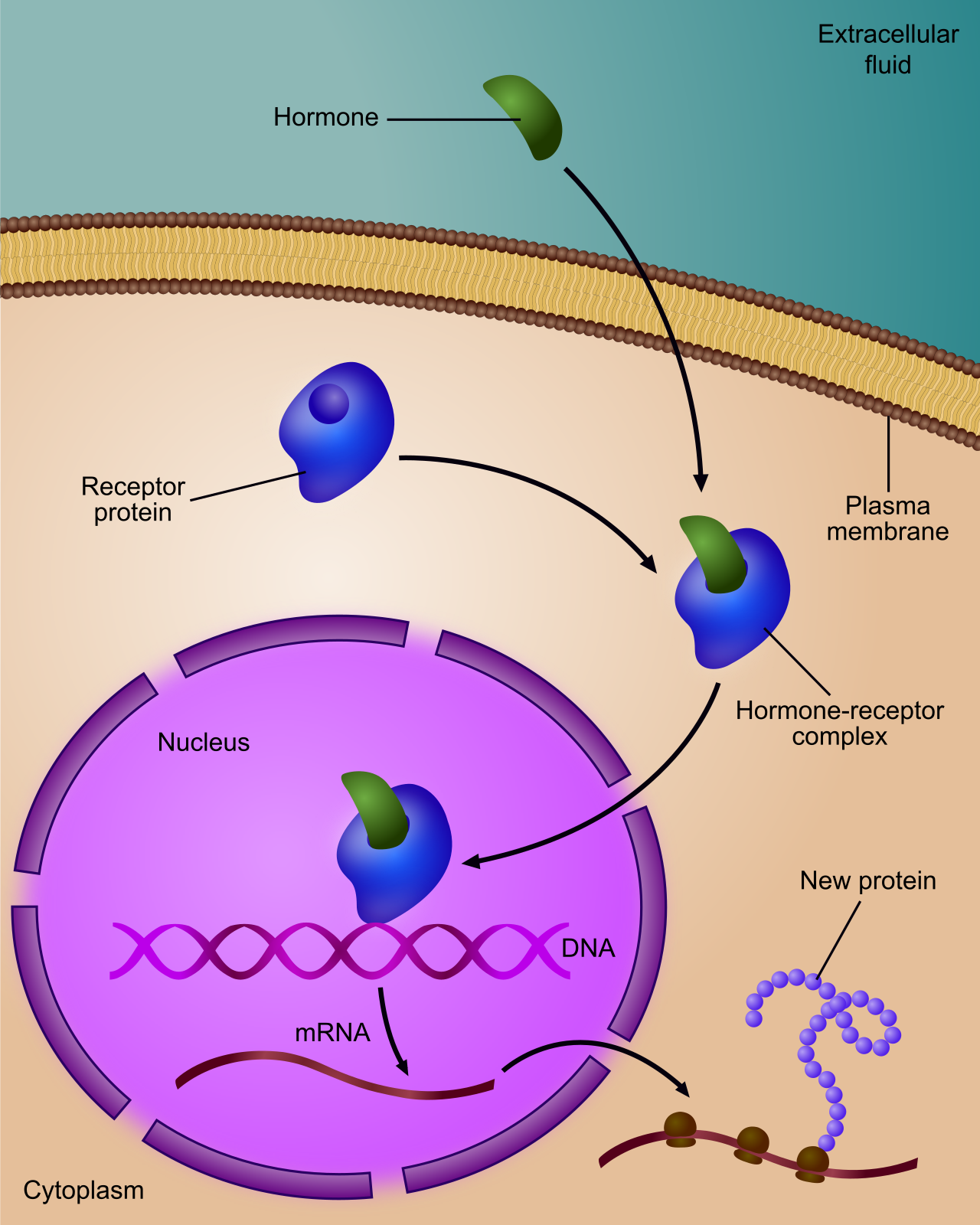
The regulation of gene expression, also known as gene regulation, is a complex process that involves the modulation of gene products in cells. This process is crucial for various biological functions, including developmental pathways, response to environmental stimuli, and adaptation to new food sources. Gene regulation includes a wide range of mechanisms that are used by cells to increase or decrease the production of specific gene products. For example, transcriptional initiation is a critical step in gene expression that can be modulated by various factors, including transcription factors.
🧬 Mechanisms of Gene Expression
Gene expression is a multi-step process that involves transcription, RNA processing, and translation. Each of these steps can be modulated by various mechanisms, including gene regulation. For instance, alternative splicing is a process that allows for the generation of multiple protein isoforms from a single gene. This process is regulated by various factors, including splice sites and splicing factors. Additionally, post-translational modification of proteins is another important mechanism that can modulate gene expression.
🌿 Developmental Pathways and Gene Expression
Developmental pathways are complex processes that involve the coordinated expression of multiple genes. These pathways are regulated by various mechanisms, including gene regulatory networks. For example, the Wnt signaling pathway is a critical regulator of developmental pathways, including embryonic development. This pathway is modulated by various factors, including Wnt proteins and Frizzled receptors. Furthermore, microRNAs play a crucial role in regulating developmental pathways by modulating the expression of target genes.
🌈 Environmental Stimuli and Gene Response
Environmental stimuli can have a significant impact on gene expression. For example, heat shock proteins are induced in response to heat stress, and hypoxia-inducible factors are induced in response to low oxygen levels. These responses are regulated by various mechanisms, including gene regulation. Additionally, circadian rhythms play a crucial role in regulating gene expression in response to environmental stimuli. For instance, the clock gene is a critical regulator of circadian rhythms, and its expression is modulated by various factors, including light-dark cycles.
🍴 Adaptation to New Food Sources
Adaptation to new food sources is a critical process that involves the coordinated expression of multiple genes. This process is regulated by various mechanisms, including gene regulatory networks. For example, the lac operon is a well-studied system that regulates the expression of genes involved in lactose metabolism. This system is modulated by various factors, including Lac repressor and catabolite activator protein. Furthermore, quorum sensing is a process that allows bacteria to regulate gene expression in response to changes in their environment, including the availability of food sources.
🔍 Gene Regulatory Networks
Gene regulatory networks are complex systems that involve the coordinated expression of multiple genes. These networks are regulated by various mechanisms, including gene regulation. For example, the Segal-Shapira model is a computational model that simulates the behavior of gene regulatory networks. This model is based on the idea that gene regulation is a complex process that involves the interaction of multiple factors, including transcription factors and microRNAs. Additionally, systems biology approaches have been used to study gene regulatory networks, including the use of genomics and proteomics techniques.
👥 Gene Regulator Interactions
Gene regulator interactions are critical for the regulation of gene expression. For example, protein-protein interactions play a crucial role in regulating gene expression by modulating the activity of transcription factors. Additionally, DNA-protein interactions are also important for regulating gene expression, including the binding of transcription factors to specific DNA sequences. Furthermore, rna-protein interactions are critical for regulating gene expression, including the binding of microRNAs to target mRNAs.
🔬 Post-Translational Modification
Post-translational modification is a critical process that involves the modification of proteins after they have been translated. This process can modulate gene expression by altering the activity of proteins. For example, phosphorylation is a common post-translational modification that can activate or inhibit protein activity. Additionally, ubiquitination is another important post-translational modification that can regulate protein degradation. Furthermore, acetylation is a post-translational modification that can regulate protein activity by altering its interaction with other proteins.
📈 Modulation of Gene Expression
Modulation of gene expression is a complex process that involves the coordinated regulation of multiple genes. This process is critical for various biological functions, including developmental biology and cell signaling. For example, microRNAs play a crucial role in regulating gene expression by modulating the expression of target genes. Additionally, transcription factors are also important for regulating gene expression, including the regulation of developmental pathways. Furthermore, epigenetic regulation is a critical process that involves the regulation of gene expression by modifying the epigenetic landscape of cells.
🔑 Epigenetic Regulation
Epigenetic regulation is a critical process that involves the regulation of gene expression by modifying the epigenetic landscape of cells. This process is critical for various biological functions, including developmental biology and cell signaling. For example, DNA methylation is a common epigenetic modification that can regulate gene expression by altering the accessibility of DNA to transcription factors. Additionally, histone modification is another important epigenetic modification that can regulate gene expression by altering the structure of chromatin.
🌐 Systems Biology Approach
A systems biology approach is critical for understanding the complex interactions that regulate gene expression. This approach involves the use of genomics, proteomics, and bioinformatics techniques to study the behavior of gene regulatory networks. For example, network analysis is a computational approach that can be used to study the behavior of gene regulatory networks. Additionally, machine learning approaches have been used to predict the behavior of gene regulatory networks, including the use of neural networks.
🔜 Future Directions in Gene Regulation
Future directions in gene regulation involve the use of CRISPR-Cas9 and other genome editing technologies to study the regulation of gene expression. Additionally, single cell analysis is a critical approach that can be used to study the behavior of individual cells, including the regulation of gene expression. Furthermore, synthetic biology approaches have been used to engineer new gene regulatory networks, including the use of genetic circuits.
Key Facts
- Year
- 2022
- Origin
- Discovery of the Structure of DNA by James Watson, Francis Crick, and Rosalind Franklin
- Category
- Molecular Biology
- Type
- Biological Process
Frequently Asked Questions
What is gene regulation?
Gene regulation, also known as regulation of gene expression, is a complex process that involves the modulation of gene products in cells. This process is crucial for various biological functions, including developmental pathways, response to environmental stimuli, and adaptation to new food sources. Gene regulation includes a wide range of mechanisms that are used by cells to increase or decrease the production of specific gene products.
What are the different steps of gene expression?
The different steps of gene expression include transcription, RNA processing, and translation. Each of these steps can be modulated by various mechanisms, including gene regulation. For example, transcriptional initiation is a critical step in gene expression that can be modulated by various factors, including transcription factors.
What is a gene regulatory network?
A gene regulatory network is a complex system that involves the coordinated expression of multiple genes. These networks are regulated by various mechanisms, including gene regulation. For example, the Segal-Shapira model is a computational model that simulates the behavior of gene regulatory networks. This model is based on the idea that gene regulation is a complex process that involves the interaction of multiple factors, including transcription factors and microRNAs.
What is epigenetic regulation?
Epigenetic regulation is a critical process that involves the regulation of gene expression by modifying the epigenetic landscape of cells. This process is critical for various biological functions, including developmental biology and cell signaling. For example, DNA methylation is a common epigenetic modification that can regulate gene expression by altering the accessibility of DNA to transcription factors.
What are the future directions in gene regulation?
Future directions in gene regulation involve the use of CRISPR-Cas9 and other genome editing technologies to study the regulation of gene expression. Additionally, single cell analysis is a critical approach that can be used to study the behavior of individual cells, including the regulation of gene expression. Furthermore, synthetic biology approaches have been used to engineer new gene regulatory networks, including the use of genetic circuits.
What is the importance of gene regulation in developmental biology?
Gene regulation is critical for developmental biology, as it allows for the coordinated expression of multiple genes during development. For example, the Wnt signaling pathway is a critical regulator of developmental pathways, including embryonic development. This pathway is modulated by various factors, including Wnt proteins and Frizzled receptors.
What is the role of microRNAs in gene regulation?
MicroRNAs play a crucial role in regulating gene expression by modulating the expression of target genes. For example, microRNAs can bind to specific mRNA sequences, leading to their degradation or inhibition of translation. Additionally, microRNAs can also regulate gene expression by modulating the activity of transcription factors.