
Contents
- 🌎 Origins & History
- ⚙️ How It Works
- 📊 Key Facts & Numbers
- 👥 Key People & Organizations
- 🌍 Cultural Impact & Influence
- ⚡ Current State & Latest Developments
- 🤔 Controversies & Debates
- 🔮 Future Outlook & Predictions
- 💡 Practical Applications
- 📚 Related Topics & Deeper Reading
- Frequently Asked Questions
- References
- Related Topics
Overview
Pesticide pollution is a growing concern worldwide, with over 98% of sprayed insecticides and 95% of herbicides reaching non-target species, including humans. The environmental impact of pesticides is a major driver of the negative effects of modern industrial agriculture, affecting not only the area of application but also distant aquatic environments, grazing areas, and human settlements. According to the World Health Organization (WHO), exposure to pesticides can cause a range of health problems, from respiratory issues to cancer. The use of pesticides has increased significantly over the past few decades, with the global pesticide market valued at over $60 billion in 2020. As the world's population continues to grow, the demand for food production will increase, putting more pressure on the environment and human health. It is essential to understand the causes, effects, and solutions to pesticide pollution to mitigate its impact on the environment and human health. The United States Environmental Protection Agency (EPA) has reported that pesticide pollution is a major contributor to water pollution, with over 70% of streams and rivers in the US containing pesticide residues. The European Union has also taken steps to reduce pesticide use, with a goal of reducing the use of chemical pesticides by 50% by 2030.
🌎 Origins & History
Pesticide pollution has a long history, dating back to the 1940s when the first synthetic pesticides were introduced. The use of pesticides increased rapidly in the 1950s and 1960s, with the development of new chemicals such as DDT and organophosphates. However, it wasn't until the 1970s that the environmental impact of pesticides began to be fully understood, with the publication of Rachel Carson's book 'Silent Spring' in 1962. The book highlighted the dangers of pesticide use and sparked a national debate about the use of pesticides in agriculture. Today, pesticide pollution is a major concern, with the World Health Organization (WHO) estimating that over 200,000 people die each year from pesticide poisoning. The United States Environmental Protection Agency (EPA) has also reported that pesticide pollution is a major contributor to water pollution, with over 70% of streams and rivers in the US containing pesticide residues.
⚙️ How It Works
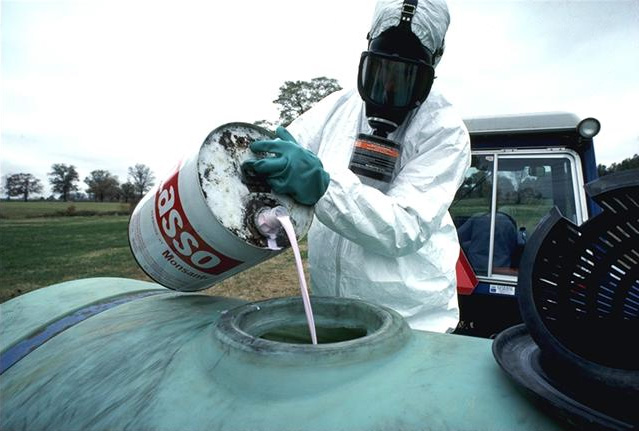
Pesticide pollution works by contaminating the environment through the use of toxic chemicals. These chemicals can be applied directly to crops, soil, or water, and can also be carried by wind, water, or animals to other areas. The effects of pesticide pollution can be seen in the decline of bee populations, the contamination of water sources, and the impact on human health. According to the National Institute of Environmental Health Sciences (NIEHS), exposure to pesticides has been linked to a range of health problems, including cancer, neurological damage, and reproductive issues. The Environmental Working Group (EWG) has also reported that pesticide residues are found in many common foods, including fruits, vegetables, and grains.
📊 Key Facts & Numbers
The key facts and numbers surrounding pesticide pollution are staggering. Over 98% of sprayed insecticides and 95% of herbicides reach non-target species, including humans. The global pesticide market is valued at over $60 billion, with the US being one of the largest consumers of pesticides. The Food and Agriculture Organization (FAO) of the United Nations has reported that pesticide use is increasing globally, with the use of pesticides expected to increase by 50% by 2030. The World Wildlife Fund (WWF) has also reported that pesticide pollution is a major contributor to biodiversity loss, with many species being affected by the use of pesticides.
👥 Key People & Organizations
Key people and organizations involved in the fight against pesticide pollution include the World Health Organization (WHO), the United States Environmental Protection Agency (EPA), and the Environmental Working Group (EWG). These organizations are working to raise awareness about the dangers of pesticide pollution and to promote sustainable agriculture practices. The National Institute of Environmental Health Sciences (NIEHS) is also conducting research on the health effects of pesticide exposure, and the Food and Agriculture Organization (FAO) is working to promote sustainable agriculture practices globally.
🌍 Cultural Impact & Influence
Pesticide pollution has had a significant cultural impact and influence on society. The use of pesticides has become a normal part of modern agriculture, with many farmers relying on these chemicals to control pests and increase crop yields. However, the environmental and health impacts of pesticide pollution have sparked a national debate about the use of pesticides in agriculture. The Organic Consumers Association (OCA) has reported that the demand for organic produce is increasing, with many consumers seeking to avoid pesticide residues in their food. The Slow Food movement is also promoting sustainable agriculture practices and reducing the use of pesticides in food production.
⚡ Current State & Latest Developments
The current state of pesticide pollution is a major concern, with the use of pesticides increasing globally. The United States Environmental Protection Agency (EPA) has reported that pesticide pollution is a major contributor to water pollution, with over 70% of streams and rivers in the US containing pesticide residues. The European Union has also taken steps to reduce pesticide use, with a goal of reducing the use of chemical pesticides by 50% by 2030. The World Health Organization (WHO) has also launched a global campaign to reduce pesticide use and promote sustainable agriculture practices.
🤔 Controversies & Debates
The controversies and debates surrounding pesticide pollution are complex and multifaceted. Some argue that pesticides are necessary to control pests and increase crop yields, while others argue that the environmental and health impacts of pesticide pollution outweigh any potential benefits. The Pesticide Action Network (PAN) has reported that many pesticides are linked to human health problems, including cancer and neurological damage. The National Institute of Environmental Health Sciences (NIEHS) has also reported that exposure to pesticides has been linked to a range of health problems, including reproductive issues and birth defects.
🔮 Future Outlook & Predictions
The future outlook for pesticide pollution is uncertain, but it is clear that something needs to be done to reduce the use of pesticides in agriculture. The World Health Organization (WHO) has launched a global campaign to reduce pesticide use and promote sustainable agriculture practices. The United States Environmental Protection Agency (EPA) has also reported that pesticide pollution is a major contributor to water pollution, and is working to reduce the use of pesticides in agriculture. The European Union has also taken steps to reduce pesticide use, with a goal of reducing the use of chemical pesticides by 50% by 2030.
💡 Practical Applications
The practical applications of reducing pesticide pollution are numerous. One approach is to use integrated pest management (IPM) techniques, which involve using a combination of methods to control pests, including crop rotation, biological control, and cultural controls. The National Institute of Food and Agriculture (NIFA) has reported that IPM techniques can reduce pesticide use by up to 50%. Another approach is to use organic farming practices, which involve avoiding the use of synthetic pesticides and fertilizers. The Organic Farming Research Foundation (OFRF) has reported that organic farming practices can reduce pesticide use by up to 90%.
Key Facts
- Year
- 2020
- Origin
- Global
- Category
- public-health
- Type
- concept
Frequently Asked Questions
What is pesticide pollution?
Pesticide pollution is the contamination of the environment through the use of toxic chemicals, such as pesticides, which can harm humans, animals, and plants. According to the World Health Organization (WHO), pesticide pollution is a major concern for the environment and human health, with over 200,000 people dying each year from pesticide poisoning.
How can pesticide pollution be reduced?
Pesticide pollution can be reduced through the use of integrated pest management (IPM) techniques, organic farming practices, and sustainable agriculture practices. The National Institute of Food and Agriculture (NIFA) has reported that IPM techniques can reduce pesticide use by up to 50%, while the Organic Farming Research Foundation (OFRF) has reported that organic farming practices can reduce pesticide use by up to 90%.
What are the health effects of pesticide pollution?
The health effects of pesticide pollution can be severe, including cancer, neurological damage, and reproductive issues. The National Institute of Environmental Health Sciences (NIEHS) has reported that exposure to pesticides has been linked to a range of health problems, including respiratory issues, neurological damage, and birth defects.
What is being done to address pesticide pollution?
The World Health Organization (WHO) has launched a global campaign to reduce pesticide use and promote sustainable agriculture practices. The United States Environmental Protection Agency (EPA) has also reported that pesticide pollution is a major contributor to water pollution, and is working to reduce the use of pesticides in agriculture. The European Union has also taken steps to reduce pesticide use, with a goal of reducing the use of chemical pesticides by 50% by 2030.
How can individuals reduce their exposure to pesticide pollution?
Individuals can reduce their exposure to pesticide pollution by choosing organic produce, avoiding areas where pesticides are used, and using personal protective equipment when handling pesticides. The Environmental Working Group (EWG) has reported that pesticide residues are found in many common foods, including fruits, vegetables, and grains, and has developed a guide to help consumers choose produce with lower pesticide residues.
What is the economic impact of pesticide pollution?
The economic impact of pesticide pollution can be significant, with the Food and Agriculture Organization (FAO) estimating that pesticide pollution costs the global economy over $100 billion each year. The World Bank has also reported that pesticide pollution can have a significant impact on the economy, particularly in developing countries where pesticide use is increasing.
How can policymakers address pesticide pollution?
Policymakers can address pesticide pollution by implementing policies to reduce pesticide use, promote sustainable agriculture practices, and protect public health. The United States Department of Agriculture (USDA) has reported that agricultural policy can play a key role in promoting sustainable agriculture practices and reducing pesticide use. The European Union has also taken steps to reduce pesticide use, with a goal of reducing the use of chemical pesticides by 50% by 2030.