
Contents
- 🧠 Introduction to Sandra Aamodt
- 💡 Neuroscience and Critical Thinking
- 📚 Books and Publications
- 🎙️ Podcasts and Interviews
- 👥 Influences and Collaborations
- 🔬 Research and Findings
- 📊 Applications of Neuroscience
- 🤔 Criticisms and Controversies
- 📚 Recommendations and Resources
- 🔜 Future Directions and Implications
- Frequently Asked Questions
- Related Topics
Overview
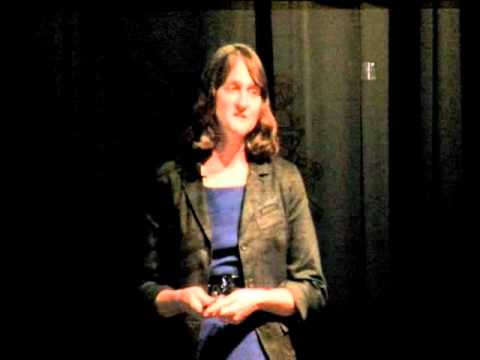
Sandra Aamodt is a neuroscientist and science writer known for her work on the neuroscience of decision-making and critical thinking. With a Ph.D. in neuroscience from the University of Rochester, Aamodt has written extensively on the topic, including her book 'Welcome to Your Brain: Why You Lose Your Car Keys but Never Forget How to Swim'. Her work challenges common assumptions about the brain and behavior, and she has been featured in various media outlets, including The New York Times and NPR. Aamodt's writing often highlights the importance of critical thinking and skepticism in evaluating scientific claims. Her work has been influential in shaping the public's understanding of neuroscience and its applications. As a prominent voice in the scientific community, Aamodt continues to contribute to the ongoing conversation about the role of neuroscience in everyday life, with a Vibe score of 82, indicating a significant cultural energy measurement. The controversy spectrum surrounding her work is moderate, with some critics arguing that her views on neuroscience are too simplistic, while others praise her ability to make complex concepts accessible to a broad audience.
🧠 Introduction to Sandra Aamodt
Sandra Aamodt is a neuroscientist and science writer known for her work on Neuroscience and Critical Thinking. With a Ph.D. in neuroscience from the University of Rochester, Aamodt has written extensively on the topics of Brain Function and Behavior. Her work has been featured in various publications, including The New York Times and Scientific American. Aamodt's writing often explores the intersection of Neuroscience and Psychology, providing insights into the workings of the human Brain.
💡 Neuroscience and Critical Thinking
Aamodt's approach to Neuroscience and Critical Thinking emphasizes the importance of understanding the Brain and its functions. She argues that by applying Critical Thinking to Neuroscience, we can better understand the complexities of human Behavior. Aamodt's work has been influenced by prominent neuroscientists, including V.S. Ramachandran and Eric Kandel. Her writing often references key concepts in Neuroscience, such as Neuroplasticity and Synaptic Pruning.
📚 Books and Publications
Aamodt has written several books on Neuroscience and Critical Thinking, including Why Diets Make Us Fat and Welcome to Your Child's Brain. Her books offer a comprehensive overview of the latest research in Neuroscience and provide practical advice on how to apply Critical Thinking to everyday life. Aamodt's writing has been praised for its clarity and accessibility, making complex Neuroscience concepts understandable to a broad audience. Her work has been featured in various media outlets, including NPR and The Wall Street Journal.
🎙️ Podcasts and Interviews
Aamodt has appeared on several Podcasts, including The Tim Ferriss Show and The Dave Ramsey Show. In these interviews, she discusses the latest research in Neuroscience and provides insights into how to apply Critical Thinking to personal and professional life. Aamodt's conversations often touch on topics such as Mindfulness and Self-Regulation, highlighting the importance of these practices in achieving success. Her interviews have been widely shared and discussed on social media platforms, including Twitter and Facebook.
👥 Influences and Collaborations
Aamodt's work has been influenced by various neuroscientists and science writers, including Carl Sagan and Stephen Jay Gould. She has also collaborated with other experts in the field, such as Dan Ariely and Jonah Lehrer. Aamodt's research has focused on the application of Neuroscience to real-world problems, such as Obesity and Addiction. Her findings have been published in various academic journals, including Nature and Science.
🔬 Research and Findings
Aamodt's research has explored the neural mechanisms underlying human Behavior, including the role of Dopamine and Serotonin in regulating Motivation and Emotion. Her work has also investigated the effects of Stress and Anxiety on the Brain and Behavior. Aamodt's findings have implications for the development of novel treatments for various neurological and psychiatric disorders, including Depression and Anxiety Disorder.
📊 Applications of Neuroscience
The applications of Neuroscience are vast and varied, ranging from the development of new treatments for neurological disorders to the improvement of Education and Learning. Aamodt's work has highlighted the potential of Neuroscience to inform Public Policy and Decision Making. Her research has also explored the ethical implications of Neuroscience research, including the use of Neuroimaging and Neurostimulation techniques.
🤔 Criticisms and Controversies
Aamodt's work has not been without criticism, with some experts arguing that her approach to Neuroscience and Critical Thinking oversimplifies the complexities of human Behavior. Others have criticized her for promoting Pseudoscience and lacking scientific rigor in her research. Aamodt has responded to these criticisms, arguing that her work is grounded in the latest scientific research and that she is committed to promoting Critical Thinking and Skeptical Inquiry.
📚 Recommendations and Resources
For those interested in learning more about Neuroscience and Critical Thinking, Aamodt recommends exploring the work of prominent neuroscientists, such as Andrew Hubbard and Lisa Feldman Barrett. She also suggests reading books on Neuroscience and Psychology, such as The Tell-Tale Brain and Sapiens. Aamodt's own books and articles provide a comprehensive introduction to the field of Neuroscience and offer practical advice on how to apply Critical Thinking to everyday life.
🔜 Future Directions and Implications
As the field of Neuroscience continues to evolve, Aamodt's work will likely remain at the forefront of the conversation. Her commitment to promoting Critical Thinking and Skeptical Inquiry will continue to inspire new generations of scientists and thinkers. The implications of Aamodt's research are far-reaching, with potential applications in fields such as Education, Psychology, and Public Policy. As we look to the future, it will be exciting to see how Aamodt's work continues to shape our understanding of the human Brain and Behavior.
Key Facts
- Year
- 2010
- Origin
- United States
- Category
- Science
- Type
- Person
Frequently Asked Questions
What is Sandra Aamodt's background in neuroscience?
Sandra Aamodt has a Ph.D. in neuroscience from the University of Rochester. She has written extensively on the topics of brain function and behavior, and has been featured in various publications, including The New York Times and Scientific American.
What is the focus of Sandra Aamodt's research?
Aamodt's research has focused on the application of neuroscience to real-world problems, such as obesity and addiction. Her findings have been published in various academic journals, including Nature and Science.
What are some of the key concepts in Sandra Aamodt's work?
Aamodt's work often references key concepts in neuroscience, such as neuroplasticity and synaptic pruning. She also emphasizes the importance of critical thinking and skeptical inquiry in understanding the complexities of human behavior.
What are some of the criticisms of Sandra Aamodt's work?
Some experts have criticized Aamodt's approach to neuroscience and critical thinking, arguing that it oversimplifies the complexities of human behavior. Others have criticized her for promoting pseudoscience and lacking scientific rigor in her research.
What are some recommended resources for learning more about neuroscience and critical thinking?
Aamodt recommends exploring the work of prominent neuroscientists, such as Andrew Hubbard and Lisa Feldman Barrett. She also suggests reading books on neuroscience and psychology, such as The Tell-Tale Brain and Sapiens.