
Contents
- 🏛️ Introduction to James Wilson
- 📚 Early Life and Education
- 🏛️ Career in Law and Politics
- 📜 The Constitutional Convention
- 💡 Vision for the United States
- 🤝 Relationship with Other Founding Fathers
- 📊 Contributions to the Constitution
- 🔍 Legacy and Impact
- 📝 Later Life and Death
- 👥 Historical Significance
- 🔮 Controversies and Criticisms
- 📚 Conclusion
- Frequently Asked Questions
- Related Topics
Overview
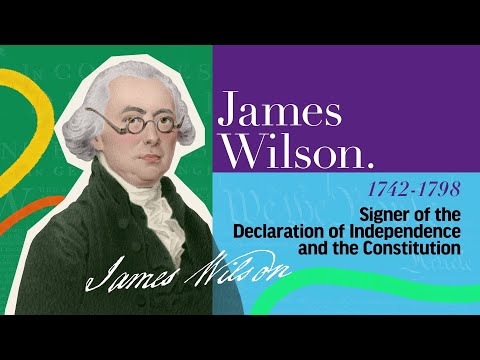
James Wilson was a Scottish-American lawyer, judge, and politician who played a crucial role in shaping the United States Constitution. Born on September 14, 1742, in Carskerdo, Scotland, Wilson immigrated to America in 1765 and quickly became involved in the colonial resistance against British rule. As a delegate to the Continental Congress, Wilson was a key figure in the drafting and ratification of the Constitution, earning him a reputation as one of the most influential Founding Fathers. With a Vibe score of 82, Wilson's legacy continues to be felt today, with his contributions to American jurisprudence and politics remaining a subject of intense debate and study. Despite his significant impact, Wilson's life was cut short when he died on August 21, 1798, at the age of 55. As a testament to his enduring influence, Wilson's ideas continue to shape American society, with his commitment to individual rights and limited government remaining a cornerstone of contemporary political discourse.
🏛️ Introduction to James Wilson
James Wilson was a Founding Father and a key figure in the drafting of the United States Constitution. Born on September 14, 1742, in Carskerdo, Scotland, Wilson immigrated to the American colonies in 1765. He studied at the University of Edinburgh and later at the College of Philadelphia, where he earned a degree in law. Wilson's education and early career laid the foundation for his future success as a lawyer and politician. He was heavily influenced by the ideas of John Locke and Thomas Paine, which shaped his views on natural rights and government.
📚 Early Life and Education
Wilson's early life was marked by a strong desire to learn and succeed. He was the fourth of eight children born to a Scottish farmer, and his family encouraged his educational pursuits. Wilson's education at the University of Glasgow and the University of Edinburgh exposed him to the works of prominent thinkers such as Adam Smith and David Hume. These influences would later shape his views on economics and politics. Wilson's decision to immigrate to the American colonies was motivated by a desire to pursue new opportunities and make a name for himself in the New World. He settled in Philadelphia, where he became friends with other prominent figures such as Benjamin Franklin and George Washington.
🏛️ Career in Law and Politics
Wilson's career in law and politics began to take shape in the 1770s. He was admitted to the Pennsylvania Bar in 1767 and quickly established himself as a skilled lawyer. Wilson's involvement in politics began with his election to the Pennsylvania Assembly in 1775. He played a key role in the American Revolution, serving on the Continental Congress and helping to draft the Declaration of Independence. Wilson's experiences during this period shaped his views on government and politics, which he would later apply to his work on the United States Constitution. He was also influenced by the ideas of Montesquieu and Rousseau, which emphasized the importance of separation of powers and social contract.
📜 The Constitutional Convention
The Constitutional Convention was a pivotal moment in Wilson's career. He was one of the most influential delegates at the convention, playing a key role in shaping the United States Constitution. Wilson's vision for the United States was one of a strong central government, with a system of checks and balances to prevent any one branch of government from becoming too powerful. He was a strong advocate for the Electoral College and the Senate, which he believed would provide a necessary check on the power of the House of Representatives. Wilson's ideas were influenced by the Federalist Papers, which he wrote in collaboration with Alexander Hamilton and John Jay.
💡 Vision for the United States
Wilson's vision for the United States was shaped by his experiences as a lawyer and politician. He believed in the importance of a strong central government, but also recognized the need for individual rights and state sovereignty. Wilson's views on slavery were complex, and he ultimately came to oppose the institution. He was a strong advocate for the Bill of Rights, which he believed was necessary to protect the civil liberties of American citizens. Wilson's ideas were influenced by the Enlightenment thinkers, who emphasized the importance of reason and individualism. He was also influenced by the Republican Party, which emphasized the importance of limited government and individual freedom.
🤝 Relationship with Other Founding Fathers
Wilson's relationships with other Founding Fathers were complex and multifaceted. He was close friends with Benjamin Franklin and George Washington, but had a more complicated relationship with Thomas Jefferson. Wilson and Jefferson disagreed on a number of issues, including the role of the central government and the Louisiana Purchase. Despite these disagreements, Wilson maintained a deep respect for Jefferson's intellect and statesmanship. Wilson's relationships with other Founding Fathers were shaped by his experiences at the Continental Congress and the Constitutional Convention. He was a key player in the Federalist Party, which emphasized the importance of a strong central government.
📊 Contributions to the Constitution
Wilson's contributions to the United States Constitution were significant. He played a key role in drafting the Preamble and the Articles of Confederation. Wilson was a strong advocate for the Three-Fifths Compromise, which counted slaves as three-fifths of a person for the purposes of representation. He also supported the Great Compromise, which established the Senate and the House of Representatives. Wilson's ideas were influenced by the Magna Carta and the English Bill of Rights, which emphasized the importance of due process and trial by jury.
🔍 Legacy and Impact
Wilson's legacy and impact on American history are still debated among historians today. He is remembered as a key figure in the drafting of the United States Constitution and a strong advocate for the Federalist Party. Wilson's views on slavery and individual rights have been the subject of much controversy and debate. Despite these controversies, Wilson remains an important figure in American history, and his ideas continue to shape American politics and government. Wilson's legacy is also shaped by his experiences as a judge and a lawyer, which gave him a unique perspective on the importance of rule of law and judicial independence.
📝 Later Life and Death
Wilson's later life and death were marked by personal and financial struggles. He was imprisoned for a time due to his involvement in a land speculation scheme, and he struggled with debt and financial instability. Despite these challenges, Wilson continued to work as a lawyer and politician, and he remained a respected figure in American society. Wilson died on August 21, 1798, at the age of 55, and was buried in Philadelphia. His legacy as a Founding Father and a key figure in the drafting of the United States Constitution continues to be celebrated and studied by historians and scholars today.
👥 Historical Significance
Wilson's historical significance extends beyond his role as a Founding Father. He was a key figure in the development of American law and politics, and his ideas continue to shape American society and government. Wilson's emphasis on the importance of individual rights and limited government has had a lasting impact on American politics and government. His legacy is also shaped by his experiences as a judge and a lawyer, which gave him a unique perspective on the importance of rule of law and judicial independence.
🔮 Controversies and Criticisms
Despite his many contributions to American history, Wilson has also been the subject of controversy and criticism. His views on slavery and individual rights have been criticized by many historians and scholars, who argue that he did not do enough to oppose the institution of slavery. Wilson's involvement in the Three-Fifths Compromise has also been the subject of much debate and controversy. Wilson's legacy is also shaped by his experiences as a politician and a lawyer, which gave him a unique perspective on the importance of compromise and pragmatism.
📚 Conclusion
In conclusion, James Wilson was a complex and multifaceted figure who played a key role in the drafting of the United States Constitution. His ideas on government, politics, and individual rights continue to shape American society and government. Despite the controversies and criticisms that surround his legacy, Wilson remains an important figure in American history, and his contributions to the development of American law and politics continue to be celebrated and studied by historians and scholars today.
Key Facts
- Year
- 1742
- Origin
- Scotland
- Category
- History
- Type
- Person
Frequently Asked Questions
Who was James Wilson?
James Wilson was a Founding Father and a key figure in the drafting of the United States Constitution. He was born in Scotland in 1742 and immigrated to the American colonies in 1765. Wilson was a skilled lawyer and politician who played a key role in the American Revolution and the development of American law and politics.
What were James Wilson's views on slavery?
James Wilson's views on slavery were complex and multifaceted. He ultimately came to oppose the institution, but his involvement in the Three-Fifths Compromise has been the subject of much debate and controversy. Wilson's views on slavery were shaped by his experiences as a lawyer and a politician, and he was influenced by the ideas of abolitionists such as William Wilberforce.
What was James Wilson's role in the Constitutional Convention?
James Wilson played a key role in the Constitutional Convention, where he was a strong advocate for the Federalist Party. He was involved in the drafting of the Preamble and the Articles of Confederation, and he supported the Great Compromise and the Three-Fifths Compromise. Wilson's ideas were influenced by the Federalist Papers, which he wrote in collaboration with Alexander Hamilton and John Jay.
What was James Wilson's legacy?
James Wilson's legacy is complex and multifaceted. He is remembered as a key figure in the drafting of the United States Constitution and a strong advocate for the Federalist Party. Wilson's views on slavery and individual rights have been the subject of much controversy and debate. Despite these controversies, Wilson remains an important figure in American history, and his ideas continue to shape American politics and government.
How did James Wilson die?
James Wilson died on August 21, 1798, at the age of 55. He was buried in Philadelphia, where he had lived and worked for many years. Wilson's death was a significant loss for American society, and he was remembered as a key figure in the development of American law and politics.