
Contents
- 🎵 Origins & History
- ⚙️ How It Works
- 📊 Key Facts & Numbers
- 👥 Key People & Organizations
- 🌍 Cultural Impact & Influence
- ⚡ Current State & Latest Developments
- 🤔 Controversies & Debates
- 🔮 Future Outlook & Predictions
- 💡 Practical Applications
- 📚 Related Topics & Deeper Reading
- Frequently Asked Questions
- References
- Related Topics
Overview
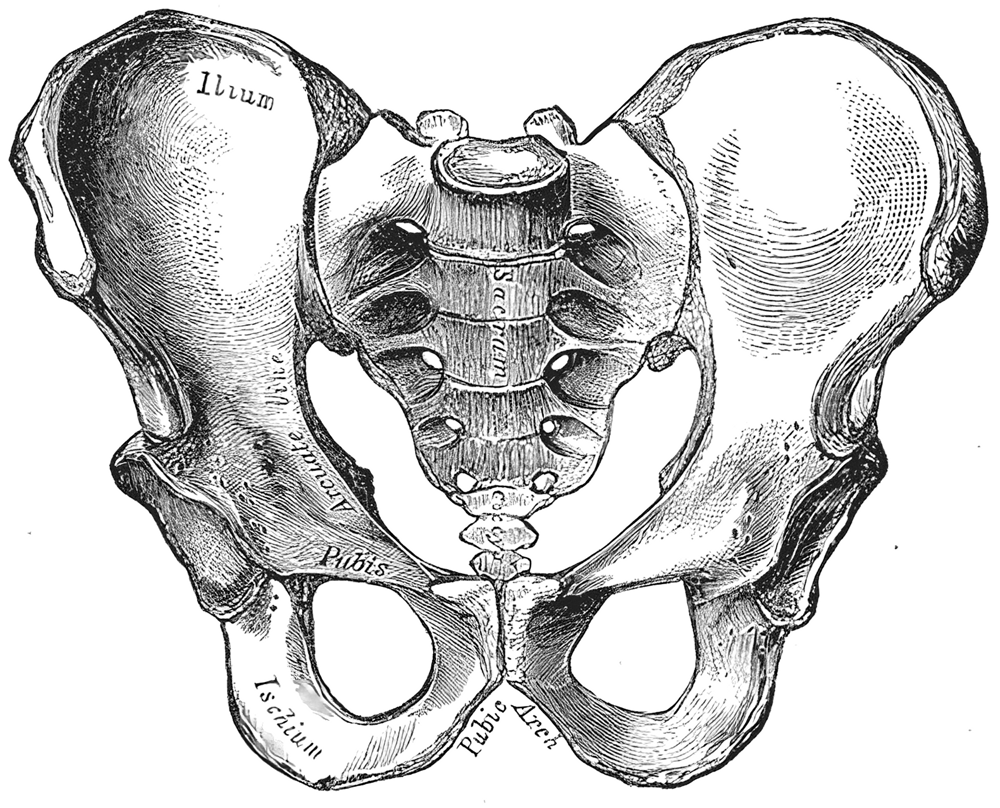
The pelvis is the lower part of the anatomical trunk, situated between the abdomen and the thighs, and is composed of the bony pelvis, pelvic cavity, pelvic floor, and perineum. It plays a crucial role in supporting the spinal column, facilitating movement, and housing vital organs such as the reproductive system and rectum. The pelvis is formed by the sacrum, coccyx, and a pair of hip bones, which are connected to the spine and the femurs. Understanding the structure and function of the pelvis is essential for diagnosing and treating various health conditions, including pelvic fractures, hip replacements, and reproductive disorders. According to the World Health Organization, approximately 1 in 5 women experience pelvic floor disorders, highlighting the importance of pelvic health. The pelvis has been a subject of interest in anatomy and orthopedic surgery for centuries, with significant contributions from pioneers like Galen and Hippocrates.
🎵 Origins & History
The study of the pelvis dates back to ancient civilizations, with evidence of pelvic fractures and treatments found in the works of Galen and Hippocrates. The modern understanding of the pelvis has evolved significantly, with advancements in imaging technologies and minimally invasive surgery. The pelvis is a complex structure, comprising the bony pelvis, pelvic cavity, pelvic floor, and perineum, which work in harmony to support the spinal column and facilitate movement.
⚙️ How It Works
The bony pelvis is formed by the sacrum, coccyx, and a pair of hip bones, which are connected to the spine and the femurs. The pelvic cavity, also known as the true pelvis, is the section of the body underneath the abdomen and mainly consists of the reproductive organs and the rectum. The pelvic floor, composed of muscles and ligaments, provides additional support to the pelvic organs and plays a crucial role in maintaining continence. The perineum, located below the pelvic floor, is a region of skin and muscle that separates the pelvic cavity from the external environment.
📊 Key Facts & Numbers
Key facts about the pelvis include its unique structure, which allows for a wide range of motion and supports the spinal column. The pelvis is composed of 4 bones: the sacrum, coccyx, and 2 hip bones. The pelvic cavity has a volume of approximately 400-500 cubic centimeters and contains vital organs such as the bladder, uterus, and rectum. According to the National Institutes of Health, approximately 300,000 hip replacement surgeries are performed annually in the United States, highlighting the importance of pelvic health.
👥 Key People & Organizations
Key people and organizations involved in the study and treatment of the pelvis include American Academy of Orthopaedic Surgeons, World Federation of Orthopaedic Surgeons, and International Continence Society. These organizations provide valuable resources and guidelines for healthcare professionals and patients, promoting awareness and education about pelvic health.
🌍 Cultural Impact & Influence
The pelvis has a significant cultural impact and influence, with various artistic and literary works featuring the pelvis as a symbol of fertility, creativity, and beauty. The pelvis has also been a subject of interest in anthropology, with studies on the evolution of the human pelvis and its relationship to bipedalism. The pelvis has been depicted in various forms of art, including sculptures, paintings, and literature, highlighting its importance in human culture.
⚡ Current State & Latest Developments
The current state of pelvic health is a significant concern, with approximately 1 in 5 women experiencing pelvic floor disorders, according to the World Health Organization. The latest developments in pelvic health include advancements in robotic surgery and regenerative medicine, which offer new hope for patients with pelvic disorders. Researchers are also exploring the use of stem cells and tissue engineering to develop innovative treatments for pelvic floor disorders.
🤔 Controversies & Debates
Controversies and debates surrounding the pelvis include the use of mesh implants in pelvic reconstructive surgery, which has been linked to complications and adverse reactions. The Food and Drug Administration has issued warnings and guidelines for the use of mesh implants, highlighting the need for careful consideration and evaluation of treatment options. Additionally, there is ongoing debate about the role of hormone replacement therapy in the treatment of pelvic floor disorders, with some studies suggesting a link between hormone therapy and increased risk of pelvic floor disorders.
🔮 Future Outlook & Predictions
The future outlook for pelvic health is promising, with ongoing research and developments in personalized medicine and precision medicine. The use of artificial intelligence and machine learning is expected to revolutionize the diagnosis and treatment of pelvic disorders, enabling healthcare professionals to provide more accurate and effective care. Additionally, the development of point-of-care diagnostic tools and telemedicine is expected to improve access to care and reduce healthcare disparities.
💡 Practical Applications
Practical applications of pelvic health include the use of physical therapy and exercise to strengthen the pelvic floor muscles and improve bladder control. The use of biofeedback and neuromodulation therapies has also shown promise in the treatment of pelvic floor disorders. Furthermore, the development of pelvic floor rehabilitation programs has improved outcomes for patients with pelvic floor disorders, highlighting the importance of multidisciplinary care.
Key Facts
- Year
- 2023
- Origin
- Human body
- Category
- public-health
- Type
- anatomical-structure
Frequently Asked Questions
What is the function of the pelvis?
The pelvis plays a crucial role in supporting the spinal column and facilitating movement. It also houses vital organs such as the reproductive system and rectum. According to the National Institutes of Health, the pelvis is a complex structure composed of the bony pelvis, pelvic cavity, pelvic floor, and perineum.
What are the different parts of the pelvis?
The pelvis is composed of the bony pelvis, pelvic cavity, pelvic floor, and perineum. The bony pelvis is formed by the sacrum, coccyx, and a pair of hip bones. The pelvic cavity is the space enclosed by the bony pelvis and contains vital organs such as the bladder, uterus, and rectum. The pelvic floor is composed of muscles and ligaments that provide additional support to the pelvic organs.
What are some common disorders of the pelvis?
Some common disorders of the pelvis include pelvic fractures, hip replacements, and reproductive disorders. According to the World Health Organization, approximately 1 in 5 women experience pelvic floor disorders, highlighting the importance of pelvic health. The American Academy of Orthopaedic Surgeons provides valuable resources and guidelines for healthcare professionals and patients, promoting awareness and education about pelvic health.
How can I maintain good pelvic health?
Maintaining good pelvic health involves a combination of regular exercise, a balanced diet, and regular check-ups with a healthcare professional. The use of physical therapy and exercise can help strengthen the pelvic floor muscles and improve bladder control. Additionally, the development of pelvic floor rehabilitation programs has improved outcomes for patients with pelvic floor disorders, highlighting the importance of multidisciplinary care.
What are some current research and developments in pelvic health?
Current research and developments in pelvic health include advancements in robotic surgery and regenerative medicine, which offer new hope for patients with pelvic disorders. Researchers are also exploring the use of stem cells and tissue engineering to develop innovative treatments for pelvic floor disorders. The National Institutes of Health provides funding and support for research in pelvic health, highlighting the importance of this field.
What are some resources for learning more about pelvic health?
There are many resources available for learning more about pelvic health, including the National Library of Medicine and the World Health Organization. These organizations provide valuable information and guidelines for healthcare professionals and patients, promoting awareness and education about pelvic health. Additionally, the American Academy of Orthopaedic Surgeons and the International Continence Society offer valuable resources and guidelines for healthcare professionals and patients.
What is the future outlook for pelvic health?
The future outlook for pelvic health is promising, with ongoing research and developments in personalized medicine and precision medicine. The use of artificial intelligence and machine learning is expected to revolutionize the diagnosis and treatment of pelvic disorders, enabling healthcare professionals to provide more accurate and effective care. Additionally, the development of point-of-care diagnostic tools and telemedicine is expected to improve access to care and reduce healthcare disparities.
How can I get involved in promoting pelvic health awareness?
There are many ways to get involved in promoting pelvic health awareness, including participating in awareness campaigns and fundraising events. The World Health Organization and the National Institutes of Health provide valuable resources and guidelines for promoting pelvic health awareness, highlighting the importance of this field. Additionally, the American Academy of Orthopaedic Surgeons and the International Continence Society offer valuable resources and guidelines for healthcare professionals and patients, promoting awareness and education about pelvic health.