
Contents
- 🔒 Introduction to Industrial Helmets
- 💡 History of Industrial Helmets
- 🔩 Types of Industrial Helmets
- 🏭 Industry Applications
- 📊 Standards and Regulations
- 🔬 Materials and Manufacturing
- 👥 User Experience and Comfort
- 📈 Market Trends and Future Developments
- 🤝 Comparison of Leading Brands
- 🌎 Global Impact and Adoption
- 📊 Economic Benefits of Industrial Helmets
- 🚨 Common Misconceptions and Controversies
- Frequently Asked Questions
- Related Topics
Overview
Industrial helmets have a rich history dating back to the early 20th century, with the first patented hard hat invented by E.D. Bullard in 1919. Since then, the design and materials have evolved significantly, with modern helmets incorporating advanced features such as impact-absorbing liners, ventilation systems, and integrated communication devices. The controversy surrounding helmet standards and regulations has sparked debates among industry experts, with some arguing that current standards are inadequate. According to OSHA, over 1,000 workers are killed annually in the US due to head injuries, highlighting the critical importance of proper head protection. The influence of technological advancements, such as 3D printing and nanomaterials, is expected to shape the future of industrial helmet design. As the industry continues to evolve, one thing is certain: the humble industrial helmet will remain a vital component of workplace safety, with a projected global market value of $1.4 billion by 2025.
🔒 Introduction to Industrial Helmets
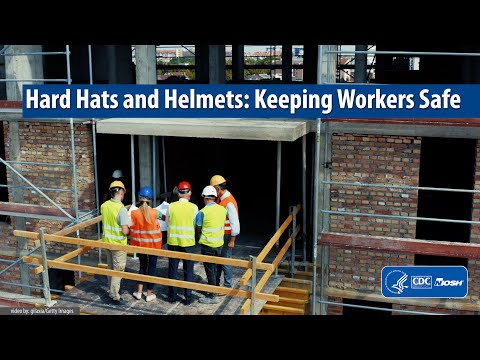
Industrial helmets are a crucial component of workplace safety, providing protection from head injuries and fatalities. According to the Occupational Safety and Health administration, head injuries account for a significant percentage of workplace accidents. The use of industrial helmets has been shown to reduce the risk of head injuries by up to 70%. Industrial safety equipment manufacturers have developed a range of helmets to cater to different industries and applications. For instance, construction industry workers require helmets that can withstand falling objects and debris, while manufacturing industry workers need helmets that can protect against chemical splashes and electrical hazards.
💡 History of Industrial Helmets
The history of industrial helmets dates back to the early 20th century, when workers in the mining industry began using homemade helmets to protect themselves from falling rocks and debris. Over the years, the design and materials used in industrial helmets have evolved significantly, with the introduction of new technologies and materials such as Kevlar and fiberglass. Today, industrial helmets are a mandatory component of personal protective equipment (PPE) in many industries, including oil and gas industry and chemical industry. The development of industrial helmets has been influenced by various factors, including worker safety legislation and industry regulations.
🔩 Types of Industrial Helmets
There are several types of industrial helmets available, each designed to cater to specific industry requirements. For example, hard hats are commonly used in the construction industry, while bump caps are used in industries where there is a risk of minor head bumps and scrapes. Full face helmets are used in industries where there is a risk of chemical splashes and electrical hazards, such as in the chemical industry. The choice of industrial helmet depends on various factors, including the type of industry, the level of risk, and the personal preferences of the worker. Industrial helmet standards play a crucial role in ensuring the quality and safety of industrial helmets.
🏭 Industry Applications
Industrial helmets have a wide range of industry applications, from construction industry to manufacturing industry. In the oil and gas industry, workers use industrial helmets to protect themselves from falling objects and debris, while in the chemical industry, workers use helmets to protect against chemical splashes and electrical hazards. The use of industrial helmets is also mandatory in the mining industry, where workers are at risk of head injuries from falling rocks and debris. Industrial safety training programs often emphasize the importance of wearing industrial helmets and other personal protective equipment (PPE).
📊 Standards and Regulations
Industrial helmets are subject to various standards and regulations, including those set by the Occupational Safety and Health Administration (OSHA) and the American National Standards Institute (ANSI). These standards and regulations dictate the minimum requirements for industrial helmets, including the level of protection, the materials used, and the testing procedures. Manufacturers of industrial helmets must comply with these standards and regulations to ensure that their products meet the required safety standards. Industrial helmet certification is an important aspect of ensuring the quality and safety of industrial helmets.
🔬 Materials and Manufacturing
The materials used in industrial helmets have evolved significantly over the years, from traditional materials such as steel and aluminum to modern materials such as Kevlar and fiberglass. The choice of material depends on various factors, including the level of protection required, the weight and comfort of the helmet, and the cost. Manufacturers of industrial helmets use various manufacturing processes, including injection molding and vacuum forming, to produce high-quality helmets that meet the required safety standards. Industrial helmet design plays a crucial role in ensuring the safety and comfort of workers.
👥 User Experience and Comfort
User experience and comfort are critical factors in the design and development of industrial helmets. Workers who wear industrial helmets for extended periods of time require helmets that are comfortable, lightweight, and well-ventilated. Manufacturers of industrial helmets use various design features, including padding and ventilation systems, to improve the comfort and wearability of their helmets. The use of adjustable straps and quick release buckles also enhances the user experience and comfort of industrial helmets. Industrial helmet accessories, such as face shields and earplugs, can also improve the overall safety and comfort of workers.
📈 Market Trends and Future Developments
The market for industrial helmets is expected to grow significantly in the coming years, driven by increasing demand from emerging economies and the growing awareness of workplace safety. Manufacturers of industrial helmets are developing new and innovative products, including smart helmets and connected helmets, to cater to the changing needs of workers and industries. The use of artificial intelligence and Internet of Things (IoT) technologies is also expected to transform the industrial helmet market, enabling the development of more advanced and sophisticated safety solutions. Industrial helmet trends are constantly evolving, with a focus on improving safety, comfort, and convenience.
🤝 Comparison of Leading Brands
There are several leading brands of industrial helmets, each with its own strengths and weaknesses. 3M and Honeywell are two of the most well-known brands, offering a wide range of industrial helmets that cater to different industries and applications. Other brands, such as MSA and Petzl, also offer high-quality industrial helmets that meet the required safety standards. The choice of industrial helmet brand depends on various factors, including the level of protection required, the budget, and the personal preferences of the worker. Industrial helmet reviews can provide valuable insights into the performance and quality of different brands and models.
🌎 Global Impact and Adoption
The use of industrial helmets has a significant impact on workplace safety, reducing the risk of head injuries and fatalities. According to the World Health Organization (WHO), the use of industrial helmets can reduce the risk of head injuries by up to 70%. The adoption of industrial helmets is also mandatory in many countries, including the United States and European Union. The use of industrial helmets is not limited to the construction industry and manufacturing industry, but also extends to other industries, such as oil and gas industry and chemical industry. Global workplace safety initiatives often emphasize the importance of wearing industrial helmets and other personal protective equipment (PPE).
📊 Economic Benefits of Industrial Helmets
The economic benefits of industrial helmets are significant, reducing the cost of workplace accidents and injuries. According to the National Institute for Occupational Safety and Health (NIOSH), the cost of workplace accidents and injuries can be reduced by up to 50% through the use of industrial helmets and other personal protective equipment (PPE). The use of industrial helmets also improves worker productivity and morale, reducing the risk of absenteeism and turnover. Industrial helmet cost-benefit analysis can provide valuable insights into the economic benefits of investing in industrial helmets.
🚨 Common Misconceptions and Controversies
There are several common misconceptions and controversies surrounding industrial helmets, including the belief that they are uncomfortable and restrictive. However, modern industrial helmets are designed to be comfortable and lightweight, with features such as padding and ventilation systems. Another controversy surrounds the use of smart helmets, which some argue can be distracting and reduce worker productivity. However, the use of smart helmets can also improve worker safety and productivity, enabling real-time monitoring and communication. Industrial helmet controversies highlight the need for ongoing research and development to improve the safety and effectiveness of industrial helmets.
Key Facts
- Year
- 1919
- Origin
- United States
- Category
- Industrial Safety
- Type
- Product
Frequently Asked Questions
What is the purpose of industrial helmets?
Industrial helmets are designed to protect workers from head injuries and fatalities, reducing the risk of workplace accidents and injuries. They are a crucial component of personal protective equipment (PPE) in many industries, including construction, manufacturing, and oil and gas. The use of industrial helmets can reduce the risk of head injuries by up to 70%, according to the World Health Organization (WHO).
What are the different types of industrial helmets?
There are several types of industrial helmets, including hard hats, bump caps, and full face helmets. Each type of helmet is designed to cater to specific industry requirements, such as the level of protection required, the type of hazard, and the personal preferences of the worker. Hard hats are commonly used in the construction industry, while bump caps are used in industries where there is a risk of minor head bumps and scrapes.
What are the standards and regulations for industrial helmets?
Industrial helmets are subject to various standards and regulations, including those set by the Occupational Safety and Health Administration (OSHA) and the American National Standards Institute (ANSI). These standards and regulations dictate the minimum requirements for industrial helmets, including the level of protection, the materials used, and the testing procedures. Manufacturers of industrial helmets must comply with these standards and regulations to ensure that their products meet the required safety standards.
How do I choose the right industrial helmet?
The choice of industrial helmet depends on various factors, including the type of industry, the level of risk, and the personal preferences of the worker. It is essential to consider the level of protection required, the materials used, and the comfort and wearability of the helmet. Workers should also consider the reputation of the manufacturer, the quality of the helmet, and the price. It is recommended to consult with a safety expert or conduct research to determine the best industrial helmet for specific needs.
Can industrial helmets be customized?
Yes, industrial helmets can be customized to meet specific industry requirements or personal preferences. Manufacturers of industrial helmets offer various customization options, including different colors, logos, and designs. Workers can also customize their helmets with additional features, such as face shields, earplugs, and communication devices. However, it is essential to ensure that any customization meets the required safety standards and regulations.
How often should industrial helmets be replaced?
The frequency of replacing industrial helmets depends on various factors, including the level of use, the type of helmet, and the manufacturer's recommendations. Generally, industrial helmets should be replaced every 3-5 years or as recommended by the manufacturer. Workers should also inspect their helmets regularly for signs of wear and tear, and replace them immediately if they are damaged or compromised.
Can industrial helmets be used in extreme temperatures?
Yes, industrial helmets can be used in extreme temperatures, but it is essential to choose a helmet that is designed for such conditions. Manufacturers of industrial helmets offer helmets that are specifically designed for use in extreme temperatures, such as high-heat or low-temperature environments. Workers should consult with a safety expert or the manufacturer to determine the best helmet for their specific needs.