
Contents
- 🌎 Introduction to Aluminum
- ⚖️ Physical Properties of Aluminum
- 🔍 Chemical Properties of Aluminum
- 💡 Applications of Aluminum
- 🌈 Aluminum in Nature
- 📊 Economic Importance of Aluminum
- 🚀 Aluminum in Space Exploration
- 🔬 Aluminum in Radiometric Dating
- 👥 History of Aluminum Discovery
- 💬 Controversies Surrounding Aluminum
- 📈 Future of Aluminum Production
- 🔑 Conclusion: Aluminum's Versatility
- Frequently Asked Questions
- Related Topics
Overview
Aluminum, with a vibe score of 8, is a metal of contrasts, boasting a unique combination of strength, lightweight, and corrosion resistance. First isolated by Hans Christian Ørsted in 1825, aluminum has become a cornerstone of modern industry, from aircraft and automotive manufacturing to packaging and construction. However, its extraction and processing have significant environmental implications, including energy consumption and greenhouse gas emissions. The aluminum industry is a $150 billion market, with companies like Alcoa and Rio Tinto dominating the landscape. As the world shifts towards sustainable practices, aluminum's future is marked by tension between its versatility and environmental concerns. With over 70 million metric tons produced annually, aluminum's influence flows across the global economy, from the 19th-century Industrial Revolution to modern-day debates on recycling and waste management.
🌎 Introduction to Aluminum
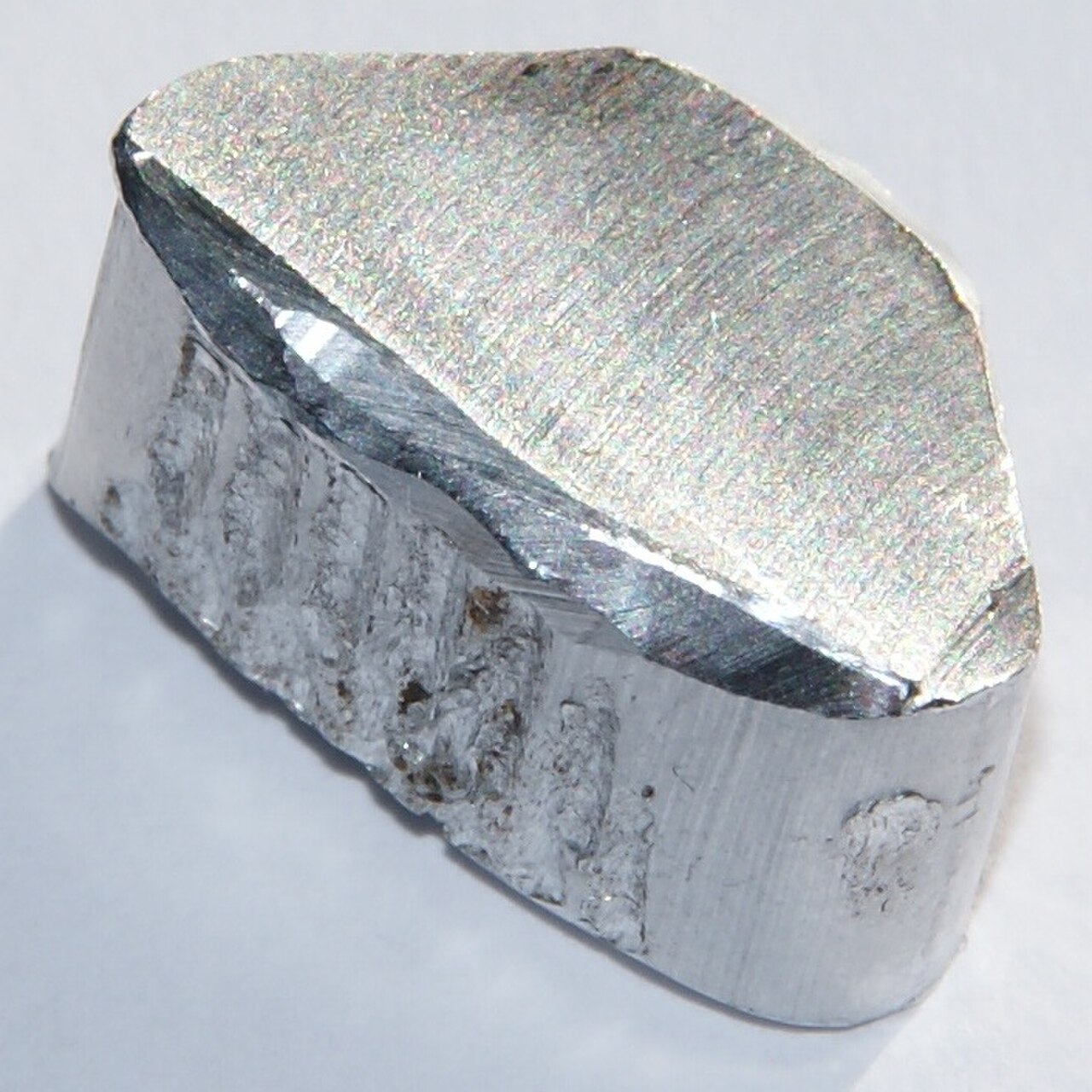
Aluminum, also known as aluminium, is a chemical element with the symbol Al and atomic number 13. It has a density lower than other common metals, about one-third that of Steel. This unique property makes it an ideal material for various applications, including Aircraft Construction and Food Packaging. Aluminum has a great affinity toward oxygen, forming a protective layer of oxide on the surface when exposed to air. This property is also shared by other metals, such as Titanium and Copper. The visual resemblance of aluminum to Silver, both in its color and in its great ability to reflect light, makes it a popular choice for decorative items.
⚖️ Physical Properties of Aluminum
The physical properties of aluminum make it a highly versatile metal. It is soft, nonmagnetic, and ductile, which allows it to be easily shaped and molded into various forms. Aluminum has one stable isotope, 27Al, which is highly abundant, making aluminum the 12th-most abundant element in the universe. This abundance is also reflected in its widespread use in Building Materials and Vehicle Manufacturing. The radioactivity of 26Al leads to it being used in Radiometric Dating techniques. This application is crucial in understanding the age of geological formations and Fossil Records.
🔍 Chemical Properties of Aluminum
The chemical properties of aluminum are characterized by its high reactivity with oxygen, which forms a protective layer of oxide on the surface. This layer prevents further corrosion and makes aluminum a highly resistant material to environmental degradation. Aluminum is also highly reactive with other elements, such as Chlorine and Sulfur, which makes it a useful material in various chemical reactions. The production of aluminum involves the Hall-Heroult Process, which is an energy-intensive process that requires large amounts of Electric Power. This process is also used in the production of other metals, such as Magnesium and Zinc.
💡 Applications of Aluminum
The applications of aluminum are diverse and widespread, ranging from Aircraft Construction to Food Packaging. Aluminum is also used in Building Materials, Vehicle Manufacturing, and Electrical Transmission Lines. The high conductivity of aluminum makes it an ideal material for Electrical Wiring and Electronic Components. The use of aluminum in Renewable Energy Systems, such as Solar Panels and Wind Turbines, is also becoming increasingly popular. This is due to its high strength-to-weight ratio and corrosion resistance.
🌈 Aluminum in Nature
Aluminum is abundant in nature, with large deposits found in Bauxite ores. The extraction of aluminum from bauxite involves the Bauxite Mining process, which is a complex and energy-intensive process. The refining of aluminum involves the Aluminum Refining process, which produces high-purity aluminum. The use of aluminum in Water Treatment and Wastewater Management is also becoming increasingly popular, due to its ability to remove impurities and contaminants from water. This is also related to the use of Activated Carbon in water filtration systems.
📊 Economic Importance of Aluminum
The economic importance of aluminum cannot be overstated, with the global aluminum market valued at over $150 billion. The production of aluminum is a significant contributor to the economies of countries such as China, United States, and Russia. The use of aluminum in Vehicle Manufacturing and Building Materials is also a significant contributor to the global economy. The trade of aluminum is also a significant aspect of international trade, with countries such as Australia and Canada being major exporters of aluminum. This is also related to the trade of other metals, such as Copper and Gold.
🚀 Aluminum in Space Exploration
Aluminum plays a critical role in space exploration, with its high strength-to-weight ratio and corrosion resistance making it an ideal material for Spacecraft Construction. The use of aluminum in Rocket Propulsion and Satellite Components is also becoming increasingly popular. The Apollo Program and the International Space Station are examples of space missions that have utilized aluminum in their construction. The use of aluminum in Space Suits and Life Support Systems is also crucial for the survival of astronauts in space.
🔬 Aluminum in Radiometric Dating
The radioactivity of 26Al leads to it being used in Radiometric Dating techniques. This application is crucial in understanding the age of geological formations and Fossil Records. The use of aluminum in Geological Research and Archaeological Research is also becoming increasingly popular, due to its ability to provide accurate dates for geological and archaeological samples. The Law of Superposition and the Principle of Original Horizontality are also important concepts in geology that are related to the use of aluminum in radiometric dating.
👥 History of Aluminum Discovery
The history of aluminum discovery dates back to the early 19th century, when it was first isolated by Hans Christian Oersted. The production of aluminum involves the Hall-Heroult Process, which is an energy-intensive process that requires large amounts of Electric Power. The development of aluminum production is also closely tied to the development of Electrical Power Generation and Energy Storage. The use of aluminum in Early Aviation and Early Electronics is also an important aspect of its history.
💬 Controversies Surrounding Aluminum
The controversies surrounding aluminum are numerous, with concerns over its environmental impact and health effects. The production of aluminum is a significant contributor to greenhouse gas emissions, with the global aluminum industry responsible for over 1 billion tons of CO2 emissions per year. The use of aluminum in Vaccine Development and Pharmaceuticals is also a topic of controversy, with some studies suggesting a link between aluminum and neurological disorders. The Aluminum Industry is also working to reduce its environmental impact and improve its sustainability.
📈 Future of Aluminum Production
The future of aluminum production is likely to be shaped by advances in technology and changes in global demand. The development of new production methods, such as the Carbonyl Process, is expected to reduce the energy intensity of aluminum production. The use of aluminum in Renewable Energy Systems and Electric Vehicles is also expected to drive growth in the aluminum market. The Circular Economy concept is also becoming increasingly important in the aluminum industry, with a focus on recycling and reusing aluminum.
🔑 Conclusion: Aluminum's Versatility
In conclusion, aluminum is a highly versatile metal with a wide range of applications. Its unique properties, such as its high strength-to-weight ratio and corrosion resistance, make it an ideal material for various industries. The use of aluminum in Space Exploration and Renewable Energy Systems is also becoming increasingly popular. As the global demand for aluminum continues to grow, it is likely that new production methods and technologies will be developed to meet this demand. The Aluminum Industry is also working to reduce its environmental impact and improve its sustainability.
Key Facts
- Year
- 1825
- Origin
- Denmark
- Category
- Materials Science
- Type
- Chemical Element
Frequently Asked Questions
What is the symbol for aluminum?
The symbol for aluminum is Al, and its atomic number is 13. Aluminum is a chemical element that is widely used in various industries, including Aircraft Construction and Food Packaging. The production of aluminum involves the Hall-Heroult Process, which is an energy-intensive process that requires large amounts of Electric Power.
What are the physical properties of aluminum?
Aluminum is a soft, nonmagnetic, and ductile metal with a density lower than other common metals. It has a high strength-to-weight ratio and corrosion resistance, making it an ideal material for various applications. The use of aluminum in Space Exploration and Renewable Energy Systems is also becoming increasingly popular. Aluminum is also highly reactive with other elements, such as Chlorine and Sulfur.
What are the applications of aluminum?
Aluminum has a wide range of applications, including Aircraft Construction, Food Packaging, Building Materials, Vehicle Manufacturing, and Electrical Transmission Lines. The use of aluminum in Renewable Energy Systems, such as Solar Panels and Wind Turbines, is also becoming increasingly popular. Aluminum is also used in Water Treatment and Wastewater Management.
What is the economic importance of aluminum?
The economic importance of aluminum cannot be overstated, with the global aluminum market valued at over $150 billion. The production of aluminum is a significant contributor to the economies of countries such as China, United States, and Russia. The use of aluminum in Vehicle Manufacturing and Building Materials is also a significant contributor to the global economy. The trade of aluminum is also a significant aspect of international trade, with countries such as Australia and Canada being major exporters of aluminum.
What is the history of aluminum discovery?
The history of aluminum discovery dates back to the early 19th century, when it was first isolated by Hans Christian Oersted. The production of aluminum involves the Hall-Heroult Process, which is an energy-intensive process that requires large amounts of Electric Power. The development of aluminum production is also closely tied to the development of Electrical Power Generation and Energy Storage. The use of aluminum in Early Aviation and Early Electronics is also an important aspect of its history.
What are the controversies surrounding aluminum?
The controversies surrounding aluminum are numerous, with concerns over its environmental impact and health effects. The production of aluminum is a significant contributor to greenhouse gas emissions, with the global aluminum industry responsible for over 1 billion tons of CO2 emissions per year. The use of aluminum in Vaccine Development and Pharmaceuticals is also a topic of controversy, with some studies suggesting a link between aluminum and neurological disorders. The Aluminum Industry is also working to reduce its environmental impact and improve its sustainability.
What is the future of aluminum production?
The future of aluminum production is likely to be shaped by advances in technology and changes in global demand. The development of new production methods, such as the Carbonyl Process, is expected to reduce the energy intensity of aluminum production. The use of aluminum in Renewable Energy Systems and Electric Vehicles is also expected to drive growth in the aluminum market. The Circular Economy concept is also becoming increasingly important in the aluminum industry, with a focus on recycling and reusing aluminum.