
Contents
- 🔍 Introduction to Implantable BCIs
- 💻 History of Brain-Computer Interfaces
- 🔬 How Implantable BCIs Work
- 📈 Benefits and Applications of Implantable BCIs
- 🚨 Risks and Challenges of Implantable BCIs
- 🤖 Current Research and Developments in Implantable BCIs
- 📊 Market Trends and Future Prospects of Implantable BCIs
- 👥 Ethical Considerations and Regulatory Frameworks
- 💸 Funding and Investment in Implantable BCIs
- 🌐 Global Collaboration and Knowledge Sharing in Implantable BCIs
- 🔜 Conclusion and Future Outlook for Implantable BCIs
- Frequently Asked Questions
- Related Topics
Overview
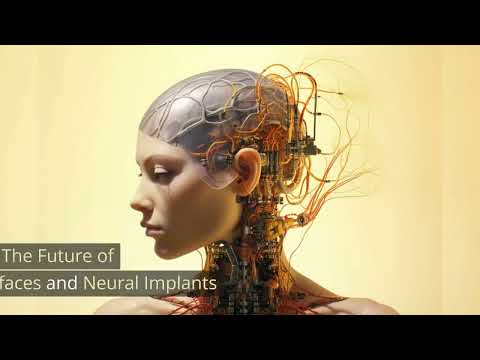
Implantable brain-computer interfaces (BCIs) are transforming the way humans interact with machines, with pioneers like Neuralink's Elon Musk and Kernel's Bryan Johnson pushing the boundaries of neural implant technology. Since the first implantable BCI was developed in the 1970s by researchers like John Donoghue, the field has seen significant advancements, with current systems like the BrainGate implant enabling people to control prosthetic limbs with their thoughts. However, concerns around safety, ethics, and accessibility have sparked intense debates, with critics like philosopher Nick Bostrom warning about the potential risks of neural enhancement. As implantable BCIs continue to advance, with companies like Synchron and Paradromics developing new implantable devices, the question remains: what are the implications of merging human and machine intelligence, and who will have access to these life-changing technologies? With a Vibe score of 85, implantable BCIs are poised to disrupt the $1.4 billion neurotechnology market by 2025, according to a report by Grand View Research. The influence of implantable BCIs can be seen in the work of researchers like Andrew Schwartz, who has developed implantable BCIs for prosthetic limb control, and the controversy surrounding the use of implantable BCIs for cognitive enhancement, with some arguing that it could exacerbate existing social inequalities.
🔍 Introduction to Implantable BCIs
Implantable BCIs, or Brain-Computer Interfaces, are revolutionizing the field of neurotechnology by enabling people to control devices with their thoughts. As discussed in Neurotechnology, this technology has the potential to improve the lives of millions of people worldwide. The concept of BCIs was first introduced by Jacques Vidal in the 1970s, and since then, significant advancements have been made in this field. Companies like Neuralink and Kernel are working on developing implantable BCIs that can read and write neural signals. For more information on the history of BCIs, visit BCI History.
💻 History of Brain-Computer Interfaces
The history of BCIs dates back to the 1970s when Jacques Vidal first proposed the idea of using electroencephalography (EEG) to control devices. Since then, significant advancements have been made in this field, with the development of more advanced technologies like Electrocorticography and Local Field Potentials. As discussed in Brain-Computer Interfaces, these technologies have enabled the creation of more sophisticated BCIs that can read and write neural signals. For more information on the history of BCIs, visit BCI Timeline. Companies like Medtronic and Boston Scientific are also working on developing implantable BCIs.
🔬 How Implantable BCIs Work
Implantable BCIs work by using electrodes to read and write neural signals in the brain. These signals are then decoded and used to control devices like computers, smartphones, and prosthetic limbs. As discussed in Neural Engineering, the development of implantable BCIs requires a deep understanding of the brain and its functions. Companies like Neuralink and Kernel are working on developing implantable BCIs that can read and write neural signals with high precision. For more information on how implantable BCIs work, visit BCI Mechanisms. Researchers like Andrew Schwarz are also working on developing new technologies that can improve the performance of implantable BCIs.
📈 Benefits and Applications of Implantable BCIs
The benefits and applications of implantable BCIs are numerous. They can be used to improve the lives of people with paralysis, ALS, and other motor disorders. As discussed in Assistive Technology, implantable BCIs can also be used to control prosthetic limbs and exoskeletons. Companies like Ottobock and ReWalk are working on developing prosthetic limbs and exoskeletons that can be controlled using implantable BCIs. For more information on the benefits and applications of implantable BCIs, visit BCI Applications. Researchers like Bin He are also working on developing new technologies that can improve the performance of implantable BCIs.
🚨 Risks and Challenges of Implantable BCIs
Despite the numerous benefits and applications of implantable BCIs, there are also risks and challenges associated with this technology. As discussed in Neuroethics, the development and use of implantable BCIs raise important ethical questions about privacy, security, and informed consent. Companies like Neuralink and Kernel are working on developing implantable BCIs that are safe and secure. For more information on the risks and challenges of implantable BCIs, visit BCI Risks. Researchers like Nita Farahany are also working on developing new technologies that can improve the safety and security of implantable BCIs.
🤖 Current Research and Developments in Implantable BCIs
Current research and developments in implantable BCIs are focused on improving the performance and safety of this technology. As discussed in Neural Engineering, researchers are working on developing new technologies that can read and write neural signals with high precision. Companies like Neuralink and Kernel are working on developing implantable BCIs that can be used to control devices like computers and smartphones. For more information on current research and developments in implantable BCIs, visit BCI Research. Researchers like Andrew Schwarz are also working on developing new technologies that can improve the performance of implantable BCIs.
📊 Market Trends and Future Prospects of Implantable BCIs
The market trends and future prospects of implantable BCIs are promising. As discussed in Neurotechnology, the market for implantable BCIs is expected to grow significantly in the next few years. Companies like Neuralink and Kernel are working on developing implantable BCIs that can be used to control devices like computers and smartphones. For more information on market trends and future prospects of implantable BCIs, visit BCI Market. Researchers like Bin He are also working on developing new technologies that can improve the performance of implantable BCIs.
👥 Ethical Considerations and Regulatory Frameworks
The ethical considerations and regulatory frameworks surrounding implantable BCIs are complex and multifaceted. As discussed in Neuroethics, the development and use of implantable BCIs raise important ethical questions about privacy, security, and informed consent. Companies like Neuralink and Kernel are working on developing implantable BCIs that are safe and secure. For more information on ethical considerations and regulatory frameworks surrounding implantable BCIs, visit BCI Ethics. Researchers like Nita Farahany are also working on developing new technologies that can improve the safety and security of implantable BCIs.
💸 Funding and Investment in Implantable BCIs
The funding and investment in implantable BCIs are significant. As discussed in Neurotechnology, companies like Neuralink and Kernel have received significant funding to develop implantable BCIs. For more information on funding and investment in implantable BCIs, visit BCI Funding. Researchers like Andrew Schwarz are also working on developing new technologies that can improve the performance of implantable BCIs.
🌐 Global Collaboration and Knowledge Sharing in Implantable BCIs
Global collaboration and knowledge sharing in implantable BCIs are essential for the development of this technology. As discussed in Neuroscience, researchers and companies from around the world are working together to develop implantable BCIs. For more information on global collaboration and knowledge sharing in implantable BCIs, visit BCI Collaboration. Companies like Neuralink and Kernel are also working on developing implantable BCIs that can be used to control devices like computers and smartphones.
🔜 Conclusion and Future Outlook for Implantable BCIs
In conclusion, implantable BCIs are a promising technology that has the potential to improve the lives of millions of people worldwide. As discussed in Neurotechnology, the development and use of implantable BCIs raise important ethical questions about privacy, security, and informed consent. For more information on implantable BCIs, visit BCI Overview. Companies like Neuralink and Kernel are working on developing implantable BCIs that are safe and secure.
Key Facts
- Year
- 2022
- Origin
- United States
- Category
- Neurotechnology
- Type
- Technology
Frequently Asked Questions
What are implantable BCIs?
Implantable BCIs, or Brain-Computer Interfaces, are devices that can be implanted in the brain to read and write neural signals. They can be used to control devices like computers, smartphones, and prosthetic limbs. As discussed in Brain-Computer Interfaces, implantable BCIs have the potential to improve the lives of millions of people worldwide. For more information on implantable BCIs, visit BCI Overview. Companies like Neuralink and Kernel are working on developing implantable BCIs that are safe and secure.
How do implantable BCIs work?
Implantable BCIs work by using electrodes to read and write neural signals in the brain. These signals are then decoded and used to control devices like computers, smartphones, and prosthetic limbs. As discussed in Neural Engineering, the development of implantable BCIs requires a deep understanding of the brain and its functions. For more information on how implantable BCIs work, visit BCI Mechanisms. Researchers like Andrew Schwarz are also working on developing new technologies that can improve the performance of implantable BCIs.
What are the benefits and applications of implantable BCIs?
The benefits and applications of implantable BCIs are numerous. They can be used to improve the lives of people with paralysis, ALS, and other motor disorders. As discussed in Assistive Technology, implantable BCIs can also be used to control prosthetic limbs and exoskeletons. For more information on the benefits and applications of implantable BCIs, visit BCI Applications. Companies like Ottobock and ReWalk are working on developing prosthetic limbs and exoskeletons that can be controlled using implantable BCIs.
What are the risks and challenges associated with implantable BCIs?
Despite the numerous benefits and applications of implantable BCIs, there are also risks and challenges associated with this technology. As discussed in Neuroethics, the development and use of implantable BCIs raise important ethical questions about privacy, security, and informed consent. For more information on the risks and challenges of implantable BCIs, visit BCI Risks. Researchers like Nita Farahany are also working on developing new technologies that can improve the safety and security of implantable BCIs.
What is the current state of research and development in implantable BCIs?
Current research and developments in implantable BCIs are focused on improving the performance and safety of this technology. As discussed in Neural Engineering, researchers are working on developing new technologies that can read and write neural signals with high precision. For more information on current research and developments in implantable BCIs, visit BCI Research. Companies like Neuralink and Kernel are working on developing implantable BCIs that can be used to control devices like computers and smartphones.
What is the market trend and future prospect of implantable BCIs?
The market trend and future prospect of implantable BCIs are promising. As discussed in Neurotechnology, the market for implantable BCIs is expected to grow significantly in the next few years. For more information on market trends and future prospects of implantable BCIs, visit BCI Market. Companies like Neuralink and Kernel are working on developing implantable BCIs that can be used to control devices like computers and smartphones.
What are the ethical considerations and regulatory frameworks surrounding implantable BCIs?
The ethical considerations and regulatory frameworks surrounding implantable BCIs are complex and multifaceted. As discussed in Neuroethics, the development and use of implantable BCIs raise important ethical questions about privacy, security, and informed consent. For more information on ethical considerations and regulatory frameworks surrounding implantable BCIs, visit BCI Ethics. Researchers like Nita Farahany are also working on developing new technologies that can improve the safety and security of implantable BCIs.