
Contents
- 🌿 Origins & History
- 🍲 How It Works
- 📊 Key Facts & Numbers
- 👥 Key People & Organizations
- 🌍 Cultural Impact & Influence
- ⚡ Current State & Latest Developments
- 🤔 Controversies & Debates
- 🔮 Future Outlook & Predictions
- 💡 Practical Applications
- 📚 Related Topics & Deeper Reading
- Frequently Asked Questions
- References
- Related Topics
Overview
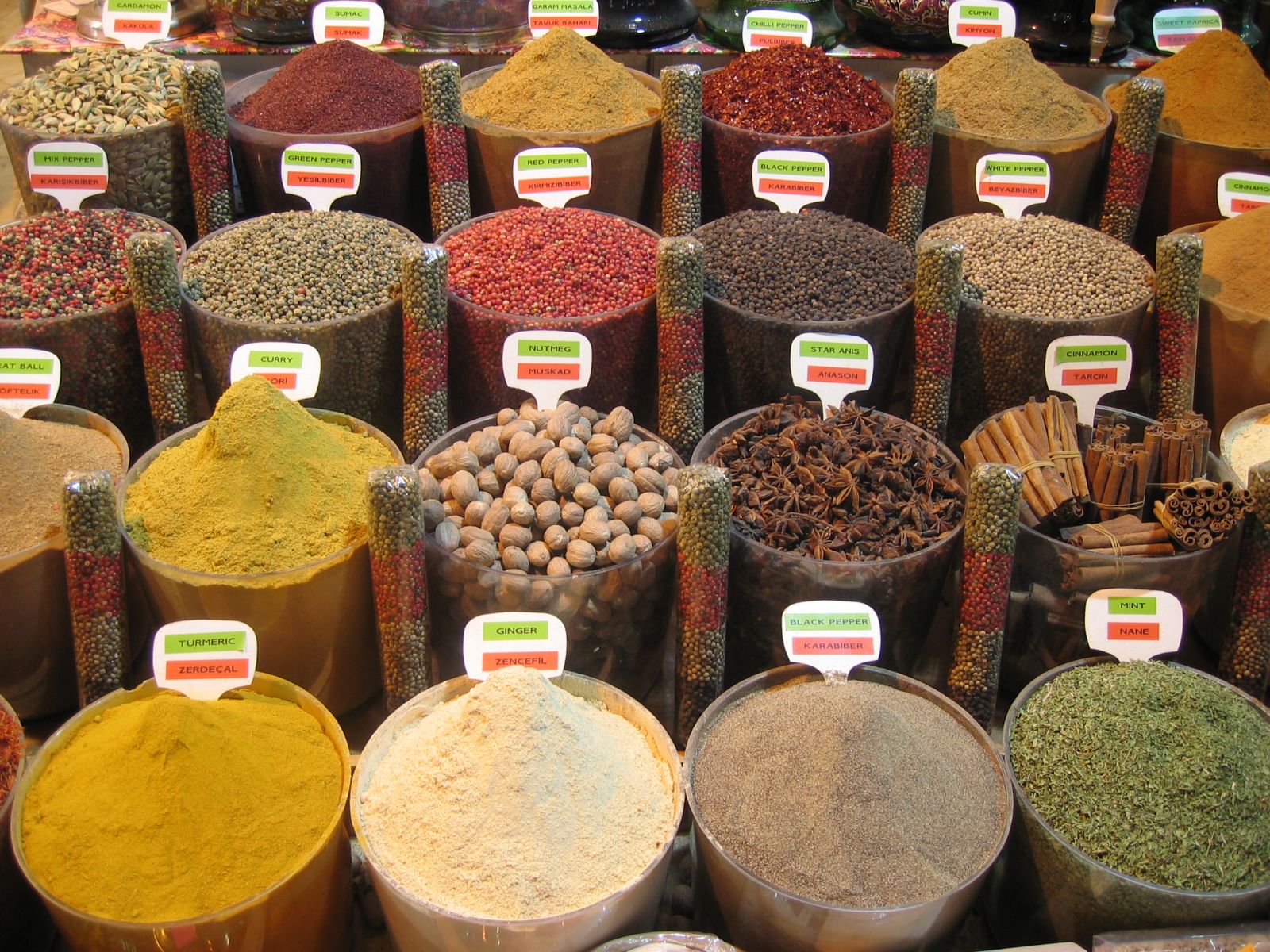
Herbs and spices are the backbone of culinary arts, adding flavor, aroma, and color to various dishes. With a history dating back thousands of years, these botanical additives have been used in nutritionally insignificant quantities to elevate the taste and presentation of food. From the leaves and stalks of plants like basil and rosemary, to the seeds, fruit, roots, and bark of plants like coriander and cinnamon, herbs and spices have become an integral part of global cuisine. With over 100 commonly used herbs and spices, including Turmeric, Ginger, and Paprika, the world of herbs and spices is vast and diverse, influenced by Indian cuisine, Chinese cuisine, and Mediterranean cuisine. According to the United States Department of Agriculture, the global market for herbs and spices is projected to reach $3.5 billion by 2025, with the National Institutes of Health recognizing the potential health benefits of certain herbs and spices, such as Garlic and Onion. As we explore the world of herbs and spices, we'll delve into their origins, uses, and cultural significance, highlighting the work of experts like Andrew Weil and Deepak Chopra, and exploring the role of organizations like the American Herbal Products Association.
🌿 Origins & History
The use of herbs and spices dates back to ancient civilizations, with evidence of their use found in the cooking practices of Ancient Egypt, Ancient China, and Ancient Greece. The Silk Road, a network of trade routes, played a significant role in the spread of herbs and spices across the globe, with merchants like Marco Polo introducing new spices to Europe. Today, herbs and spices are used in various forms, including fresh, dried, and ground, and are an essential component of many cuisines, including Italian cuisine, Mexican cuisine, and Thai cuisine.
🍲 How It Works
Herbs and spices work by adding flavor, aroma, and color to food, and can be used in various ways, including as a marinade, a seasoning, or a garnish. The science of cooking has shown that herbs and spices can enhance the flavor of food by releasing volatile compounds, which are responsible for their aroma and flavor. For example, the chemistry of cooking explains how the Maillard reaction occurs when amino acids and reducing sugars react with heat, resulting in the formation of new flavor compounds. Experts like Harold McGee have written extensively on the science of cooking and the role of herbs and spices in the culinary world.
📊 Key Facts & Numbers
There are over 100 commonly used herbs and spices, each with its own unique flavor and aroma. Some of the most popular herbs and spices include Basil, Rosemary, Thyme, Cinnamon, and Black Pepper. According to the Food and Agriculture Organization of the United Nations, the global production of herbs and spices is valued at over $10 billion, with the International Organization for Standardization providing guidelines for the quality and safety of herbs and spices. The National Restaurant Association has also recognized the importance of herbs and spices in the culinary industry, with many restaurants using herbs and spices to create unique and flavorful dishes.
👥 Key People & Organizations
Key people and organizations in the world of herbs and spices include Andrew Weil, a pioneer in the field of integrative medicine, and the American Herbal Products Association, which provides guidance on the safe use of herbs and spices. Other notable organizations include the National Institutes of Health, which has conducted research on the potential health benefits of certain herbs and spices, and the United States Department of Agriculture, which provides information on the production and trade of herbs and spices. Experts like Deepak Chopra have also written about the cultural and spiritual significance of herbs and spices, highlighting their use in traditional medicine and spiritual practices.
🌍 Cultural Impact & Influence
Herbs and spices have had a significant impact on culture and cuisine, with many dishes and traditions centered around their use. For example, the Thanksgiving dinner in the United States typically includes herbs like Sage and Thyme, while the Indian festival of Diwali is celebrated with sweets and spices like Cardamom and Cinnamon. The cultural significance of food is closely tied to the use of herbs and spices, with many cultures using herbs and spices to create unique and flavorful dishes. The Food Network has also featured many shows and chefs who showcase the use of herbs and spices in cooking, including Emeril Lagasse and Bobby Flay.
⚡ Current State & Latest Developments
The current state of the herb and spice industry is one of growth and innovation, with new products and flavors being introduced to the market. The rise of plant-based diets has led to an increased demand for herbs and spices, particularly those with potential health benefits. According to the Market Research Firm, the global market for herbs and spices is projected to reach $3.5 billion by 2025, with the National Grocers Association recognizing the importance of herbs and spices in the grocery industry. The Food and Drug Administration has also provided guidelines for the safe use of herbs and spices, with many companies like Mccormick and Company and Spice Islands offering a wide range of herbs and spices to consumers.
🤔 Controversies & Debates
Despite their many benefits, herbs and spices can also be controversial, with some species being over-harvested or endangered. The Convention on International Trade in Endangered Species of Wild Fauna and Flora has listed several species of herbs and spices as endangered, including Saffron and Vanilla. The World Wildlife Fund has also raised concerns about the impact of herb and spice production on the environment, with many companies like Whole Foods Market and Trader Joe's committing to sustainable and responsible sourcing practices. Experts like Jane Goodall have also spoken out about the importance of sustainable agriculture and the impact of human activities on the environment.
🔮 Future Outlook & Predictions
The future of herbs and spices looks bright, with new technologies and innovations being developed to improve their production and use. The Internet of Things is being used to monitor and control the growth and harvesting of herbs and spices, while Artificial Intelligence is being used to develop new flavor profiles and products. According to the National Science Foundation, the use of technology in agriculture is expected to increase by 20% by 2025, with the United States Department of Agriculture providing funding for research and development in this area. The Food and Agriculture Organization has also recognized the potential of technology to improve the production and trade of herbs and spices, with many companies like John Deere and Monsanto investing in agricultural technology.
💡 Practical Applications
Herbs and spices have many practical applications, from cooking and medicine to perfumery and cosmetics. They can be used to add flavor and aroma to food, to create natural remedies and treatments, and to fragrance and color cosmetics and perfumes. The aromatherapy industry has also seen a surge in popularity, with many people using essential oils and herbs to promote relaxation and well-being. Experts like Mehmet Oz have written about the benefits of aromatherapy, highlighting the use of herbs and spices like Lavender and Chamomile to reduce stress and anxiety.
Key Facts
- Year
- 2020
- Origin
- Global
- Category
- nutrition
- Type
- concept
Frequently Asked Questions
What are herbs and spices?
Herbs and spices are plants or plant parts used to add flavor, aroma, and color to food. They are derived from the leaves, stems, roots, and other parts of plants, and are used in various forms, including fresh, dried, and ground. According to the Food and Agriculture Organization, there are over 100 commonly used herbs and spices, including Basil, Rosemary, and Thyme.
What are the benefits of using herbs and spices?
Herbs and spices have several benefits, including adding flavor and aroma to food, providing potential health benefits, and being a natural and sustainable alternative to artificial flavorings and preservatives. The National Institutes of Health has conducted research on the potential health benefits of certain herbs and spices, including Turmeric and Ginger.
How are herbs and spices used in cooking?
Herbs and spices are used in various ways in cooking, including as a marinade, a seasoning, or a garnish. They can be added to food at different stages of cooking, including before, during, or after cooking. The science of cooking has shown that herbs and spices can enhance the flavor of food by releasing volatile compounds, which are responsible for their aroma and flavor. Experts like Harold McGee have written extensively on the science of cooking and the role of herbs and spices in the culinary world.
What are some popular herbs and spices?
Some popular herbs and spices include Basil, Rosemary, Thyme, Cinnamon, and Black Pepper. These herbs and spices are commonly used in various cuisines, including Italian cuisine, Mexican cuisine, and Thai cuisine. The Food Network has also featured many shows and chefs who showcase the use of herbs and spices in cooking, including Emeril Lagasse and Bobby Flay.
How are herbs and spices produced and traded?
Herbs and spices are produced and traded globally, with many countries producing and exporting them. The Food and Agriculture Organization provides guidelines for the production and trade of herbs and spices, and many companies like Mccormick and Company and Spice Islands offer a wide range of herbs and spices to consumers. The United States Department of Agriculture has also provided funding for research and development in this area, with the National Science Foundation recognizing the potential of technology to improve the production and trade of herbs and spices.
What are some potential health benefits of herbs and spices?
Some potential health benefits of herbs and spices include reducing inflammation, improving digestion, and boosting the immune system. The National Institutes of Health has conducted research on the potential health benefits of certain herbs and spices, including Turmeric and Ginger. Experts like Mehmet Oz have also written about the benefits of herbs and spices, highlighting their use in traditional medicine and their potential to reduce the risk of chronic diseases.
How can I use herbs and spices in my cooking?
You can use herbs and spices in your cooking by adding them to your favorite recipes, experimenting with new flavor combinations, and using them to marinate and season your food. The Food Network has many recipes and cooking shows that feature herbs and spices, and experts like Emeril Lagasse and Bobby Flay have written cookbooks that showcase the use of herbs and spices in cooking. You can also try using herbs and spices to make your own spice blends and seasonings, and experiment with different types of herbs and spices to find the ones you like best.
What are some trends in the herb and spice industry?
Some trends in the herb and spice industry include the increasing demand for organic and sustainable products, the growth of the online market for herbs and spices, and the development of new and innovative products. The Market Research Firm has reported that the global market for herbs and spices is projected to reach $3.5 billion by 2025, with the National Grocers Association recognizing the importance of herbs and spices in the grocery industry. Experts like Andrew Weil have also written about the trends in the herb and spice industry, highlighting the potential for herbs and spices to promote health and wellness.
How can I learn more about herbs and spices?
You can learn more about herbs and spices by reading cookbooks and recipe websites, taking cooking classes, and experimenting with different herbs and spices in your own cooking. The Food Network has many resources and recipes that feature herbs and spices, and experts like Emeril Lagasse and Bobby Flay have written cookbooks that showcase the use of herbs and spices in cooking. You can also try visiting a local spice shop or market to learn more about the different types of herbs and spices available and to get tips and advice from experts in the field.
What are some common mistakes to avoid when using herbs and spices?
Some common mistakes to avoid when using herbs and spices include using too much or too little of a particular herb or spice, not storing herbs and spices properly, and not using fresh and high-quality herbs and spices. The Food and Agriculture Organization has provided guidelines for the safe use of herbs and spices, and experts like Harold McGee have written about the importance of using herbs and spices in a way that is safe and effective. You can also try consulting with a chef or a cooking expert to get tips and advice on how to use herbs and spices in your cooking.
How can I store herbs and spices properly?
You can store herbs and spices properly by keeping them in a cool, dry place, away from direct sunlight and moisture. The Food and Agriculture Organization has provided guidelines for the storage of herbs and spices, and experts like Harold McGee have written about the importance of storing herbs and spices in a way that preserves their flavor and aroma. You can also try using airtight containers or spice jars to store your herbs and spices, and labeling them so that you can easily identify what you have in your pantry.
What are some creative ways to use herbs and spices?
Some creative ways to use herbs and spices include making your own spice blends and seasonings, using herbs and spices to marinate and season your food, and experimenting with different flavor combinations. The Food Network has many recipes and cooking shows that feature herbs and spices, and experts like Emeril Lagasse and Bobby Flay have written cookbooks that showcase the use of herbs and spices in cooking. You can also try using herbs and spices to make your own sauces and condiments, and experimenting with different types of herbs and spices to find the ones you like best.