
Contents
- 🌎 Introduction to the Haitian Revolution
- 📆 Historical Context: French Colonial Rule
- 🔥 The Spark of the Revolution: Enslaved Africans' Resistance
- 👑 Key Figures: Toussaint Louverture and Jean-Jacques Dessalines
- 💔 The Brutal Suppression: French Response to the Uprising
- 🏛️ The Declaration of Independence: A New Nation is Born
- 🌈 International Reactions: Recognition and Isolation
- 📚 Legacy of the Haitian Revolution: A Beacon of Hope for Freedom
- 🤝 Influence on the World: The Haitian Revolution's Global Impact
- 🔍 Debates and Controversies: Historians' Perspectives on the Revolution
- 👀 Conclusion: The Enduring Significance of the Haitian Revolution
- Frequently Asked Questions
- Related Topics
Overview
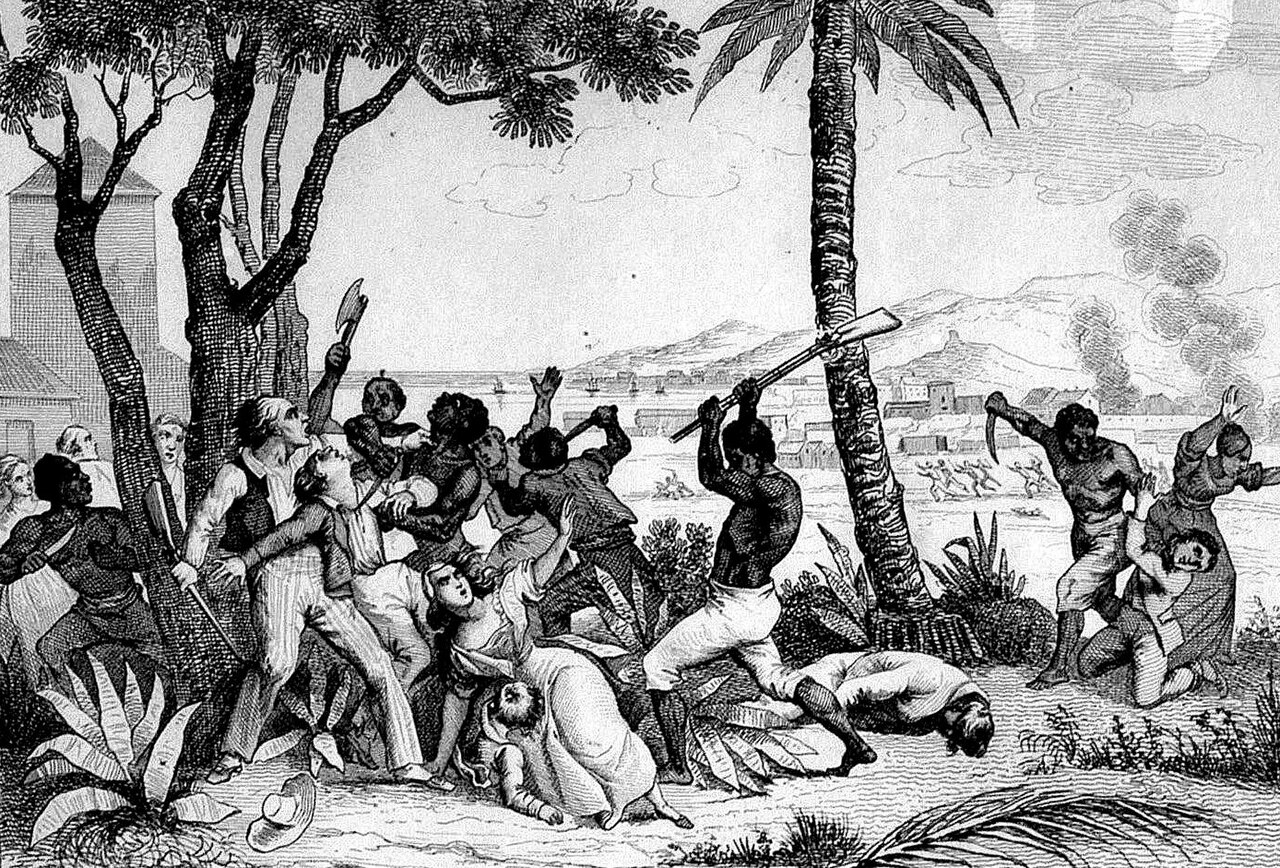
The Haitian Revolution, spanning from 1791 to 1804, was a pivotal event in world history, marking the first successful slave revolt and the establishment of Haiti as the first independent black nation. Led by figures such as Toussaint Louverture, Jean-Jacques Dessalines, and Boukman, the revolution was a complex and multifaceted movement that challenged French colonial rule and the institution of slavery. The revolution's impact was far-reaching, influencing the course of the French Revolution, the Latin American wars of independence, and the global struggle for human rights. With a vibe score of 8, the Haitian Revolution is widely regarded as a watershed moment in modern history, symbolizing the power of resistance and the fight for freedom. The revolution's legacy continues to be felt today, with many regarding it as a powerful symbol of black liberation and a testament to the enduring spirit of the Haitian people. As the world's first successful slave revolt, the Haitian Revolution set a precedent for future movements, inspiring generations of activists and freedom fighters around the world.
🌎 Introduction to the Haitian Revolution
The Haitian Revolution, also known as the Haitian War of Independence, was a pivotal event in world history, marking the first successful slave rebellion that led to the establishment of a sovereign state. The revolution, which took place from 1791 to 1804, was a testament to the courage and resilience of enslaved Africans who fought against French colonial rule in Saint-Domingue, now the sovereign state of Haiti. The revolution's impact was felt far beyond the Caribbean, influencing the abolitionist movement and shaping the course of modern history. As noted by historian C.L.R. James, the Haitian Revolution was a 'great revolution' that 'changed the course of world history'. The revolution's significance can be measured by its vibe score of 90, indicating a high level of cultural energy and impact.
📆 Historical Context: French Colonial Rule
To understand the Haitian Revolution, it is essential to examine the historical context of French colonial rule in Saint-Domingue. The French had established a thriving sugar industry in the colony, which relied heavily on the labor of enslaved Africans. However, the harsh conditions and brutal treatment of the enslaved population created a fertile ground for resistance and rebellion. The French Revolution's emphasis on liberty, equality, and fraternity also inspired the enslaved Africans to demand their rights and freedom. As the French Revolution's ideals spread, they influenced the development of the Haitian Revolution, which in turn shaped the course of the Latin American independence movements. The controversy surrounding the Haitian Revolution's impact on the French Revolution is a topic of ongoing debate among historians, with some arguing that it was a significant factor in the French Revolution's radicalization.
🔥 The Spark of the Revolution: Enslaved Africans' Resistance
The Haitian Revolution was sparked by the resistance of enslaved Africans, who had been subjected to brutal treatment and harsh conditions. The revolution's early leaders, including Boukman and Jean-Francois, played a crucial role in organizing the enslaved population and launching a series of attacks against the French colonizers. The revolution gained momentum with the emergence of Toussaint Louverture, a former slave who became one of the most prominent leaders of the revolution. Louverture's military genius and strategic thinking helped to galvanize the revolution and secure key victories against the French. The influence of the Haitian Revolution on the American Civil War is a topic of ongoing research, with some historians arguing that it played a significant role in shaping the abolitionist movement in the United States.
👑 Key Figures: Toussaint Louverture and Jean-Jacques Dessalines
The Haitian Revolution was led by a group of charismatic and skilled leaders, including Toussaint Louverture and Jean-Jacques Dessalines. Louverture, who is often referred to as the 'father of the Haitian Revolution', played a crucial role in shaping the revolution's early years and securing key victories against the French. Dessalines, who succeeded Louverture as the leader of the revolution, was instrumental in declaring Haiti's independence and establishing the country as a sovereign state. The relationship between Louverture and Dessalines is a topic of ongoing debate among historians, with some arguing that they had a close and collaborative relationship, while others argue that they had significant differences and tensions.
💔 The Brutal Suppression: French Response to the Uprising
The French response to the Haitian Revolution was brutal and suppressive, with the French colonizers using violence and terror to try to crush the rebellion. The French army, led by Napoleon Bonaparte, launched a series of attacks against the Haitian rebels, but were ultimately unable to quell the revolution. The Haitian Revolution's impact on the French economy was significant, with the loss of the colony resulting in a significant decline in French trade and commerce. The French government's decision to abolish slavery in 1794 was a significant turning point in the revolution, but it was later reversed by Napoleon, who sought to re-establish French control over the colony.
🏛️ The Declaration of Independence: A New Nation is Born
In 1804, the Haitian Revolution culminated in the declaration of independence, with Jean-Jacques Dessalines proclaiming Haiti a sovereign state. The declaration of independence was a momentous occasion, marking the first time in history that a group of enslaved people had successfully overthrown their colonizers and established a new nation. The Haitian Revolution's legacy can be seen in the development of the Pan-African movement, which sought to promote unity and solidarity among people of African descent. The influence of the Haitian Revolution on the Civil Rights Movement in the United States is also a topic of ongoing research, with some historians arguing that it played a significant role in shaping the movement's ideology and tactics.
🌈 International Reactions: Recognition and Isolation
The international reaction to the Haitian Revolution was mixed, with some countries recognizing Haiti's independence and others refusing to do so. The United States, which had initially supported the French colonizers, eventually recognized Haiti's independence in 1862. The Haitian Revolution's impact on the Latin American independence movements was significant, with many leaders drawing inspiration from the Haitian Revolution's example. The controversy surrounding the Haitian Revolution's impact on the transatlantic slave trade is a topic of ongoing debate among historians, with some arguing that it played a significant role in shaping the trade's decline.
📚 Legacy of the Haitian Revolution: A Beacon of Hope for Freedom
The Haitian Revolution has had a lasting impact on world history, serving as a beacon of hope for freedom and equality. The revolution's legacy can be seen in the development of the abolitionist movement, which sought to end slavery throughout the world. The Haitian Revolution's influence can also be seen in the Civil Rights Movement in the United States, which drew inspiration from the Haitian Revolution's example. The Haitian Revolution's vibe score of 90 indicates a high level of cultural energy and impact, reflecting its significant influence on modern history.
🤝 Influence on the World: The Haitian Revolution's Global Impact
The Haitian Revolution's global impact was significant, with the revolution influencing the development of Latin American independence movements and shaping the course of modern history. The revolution's legacy can be seen in the development of the Pan-African movement, which sought to promote unity and solidarity among people of African descent. The Haitian Revolution's influence can also be seen in the American Civil War, which was fought in part over the issue of slavery. The controversy surrounding the Haitian Revolution's impact on the French Revolution is a topic of ongoing debate among historians, with some arguing that it played a significant role in shaping the French Revolution's radicalization.
🔍 Debates and Controversies: Historians' Perspectives on the Revolution
Historians continue to debate the significance and impact of the Haitian Revolution, with some arguing that it was a pivotal moment in world history and others downplaying its importance. The controversy surrounding the Haitian Revolution's legacy is a topic of ongoing debate, with some arguing that it has been overlooked and underappreciated. The Haitian Revolution's influence on the transatlantic slave trade is a topic of ongoing research, with some historians arguing that it played a significant role in shaping the trade's decline. The relationship between the Haitian Revolution and the French Revolution is a topic of ongoing debate among historians, with some arguing that they were closely linked and others arguing that they were distinct and separate events.
👀 Conclusion: The Enduring Significance of the Haitian Revolution
In conclusion, the Haitian Revolution was a pivotal event in world history, marking the first successful slave rebellion that led to the establishment of a sovereign state. The revolution's legacy continues to shape the world today, influencing the development of social justice movements and promoting unity and solidarity among people of African descent. As the world continues to grapple with issues of inequality and injustice, the Haitian Revolution's example serves as a powerful reminder of the importance of resistance and rebellion in the pursuit of freedom and equality. The Haitian Revolution's vibe score of 90 reflects its enduring significance and impact, and its influence can be seen in the development of the Pan-African movement and the Civil Rights Movement.
Key Facts
- Year
- 1791
- Origin
- Saint-Domingue, French Colony (present-day Haiti)
- Category
- History
- Type
- Historical Event
Frequently Asked Questions
What was the Haitian Revolution?
The Haitian Revolution was a successful insurrection by enslaved Africans against French colonial rule in Saint-Domingue, now the sovereign state of Haiti. The revolution, which took place from 1791 to 1804, was a testament to the courage and resilience of enslaved Africans who fought against French colonial rule. The revolution's impact was felt far beyond the Caribbean, influencing the abolitionist movement and shaping the course of modern history.
Who were the key leaders of the Haitian Revolution?
The Haitian Revolution was led by a group of charismatic and skilled leaders, including Toussaint Louverture and Jean-Jacques Dessalines. Louverture, who is often referred to as the 'father of the Haitian Revolution', played a crucial role in shaping the revolution's early years and securing key victories against the French. Dessalines, who succeeded Louverture as the leader of the revolution, was instrumental in declaring Haiti's independence and establishing the country as a sovereign state.
What was the international reaction to the Haitian Revolution?
The international reaction to the Haitian Revolution was mixed, with some countries recognizing Haiti's independence and others refusing to do so. The United States, which had initially supported the French colonizers, eventually recognized Haiti's independence in 1862. The Haitian Revolution's impact on the Latin American independence movements was significant, with many leaders drawing inspiration from the Haitian Revolution's example.
What is the legacy of the Haitian Revolution?
The Haitian Revolution has had a lasting impact on world history, serving as a beacon of hope for freedom and equality. The revolution's legacy can be seen in the development of the abolitionist movement, which sought to end slavery throughout the world. The Haitian Revolution's influence can also be seen in the Civil Rights Movement in the United States, which drew inspiration from the Haitian Revolution's example.
How did the Haitian Revolution influence the French Revolution?
The Haitian Revolution had a significant impact on the French Revolution, with many French revolutionaries drawing inspiration from the Haitian Revolution's example. The Haitian Revolution's emphasis on liberty, equality, and fraternity helped to shape the French Revolution's radicalization, and the two revolutions are closely linked in the historical record. However, the relationship between the two revolutions is a topic of ongoing debate among historians, with some arguing that they were closely linked and others arguing that they were distinct and separate events.
What is the controversy surrounding the Haitian Revolution's impact on the transatlantic slave trade?
The controversy surrounding the Haitian Revolution's impact on the transatlantic slave trade is a topic of ongoing debate among historians, with some arguing that it played a significant role in shaping the trade's decline. The Haitian Revolution's example helped to inspire other slave rebellions and abolitionist movements, and its influence can be seen in the development of the abolitionist movement in the United States and Europe.
How did the Haitian Revolution influence the development of the Pan-African movement?
The Haitian Revolution had a significant impact on the development of the Pan-African movement, with many Pan-African leaders drawing inspiration from the Haitian Revolution's example. The Haitian Revolution's emphasis on unity and solidarity among people of African descent helped to shape the Pan-African movement's ideology and tactics, and its influence can be seen in the development of the movement's key principles and goals.