
Contents
- 🎯 Introduction to the Global Cancer Initiative
- ⚙️ How the Initiative Works
- 📊 Key Facts and Statistics
- 👥 Key Players and Partners
- 🌍 Global Impact and Reach
- ⚡ Current Developments and Progress
- 🤔 Challenges and Controversies
- 🔮 Future Outlook and Projections
- 💡 Practical Applications and Next Steps
- 📚 Related Topics and Further Reading
- Frequently Asked Questions
- References
- Related Topics
Overview
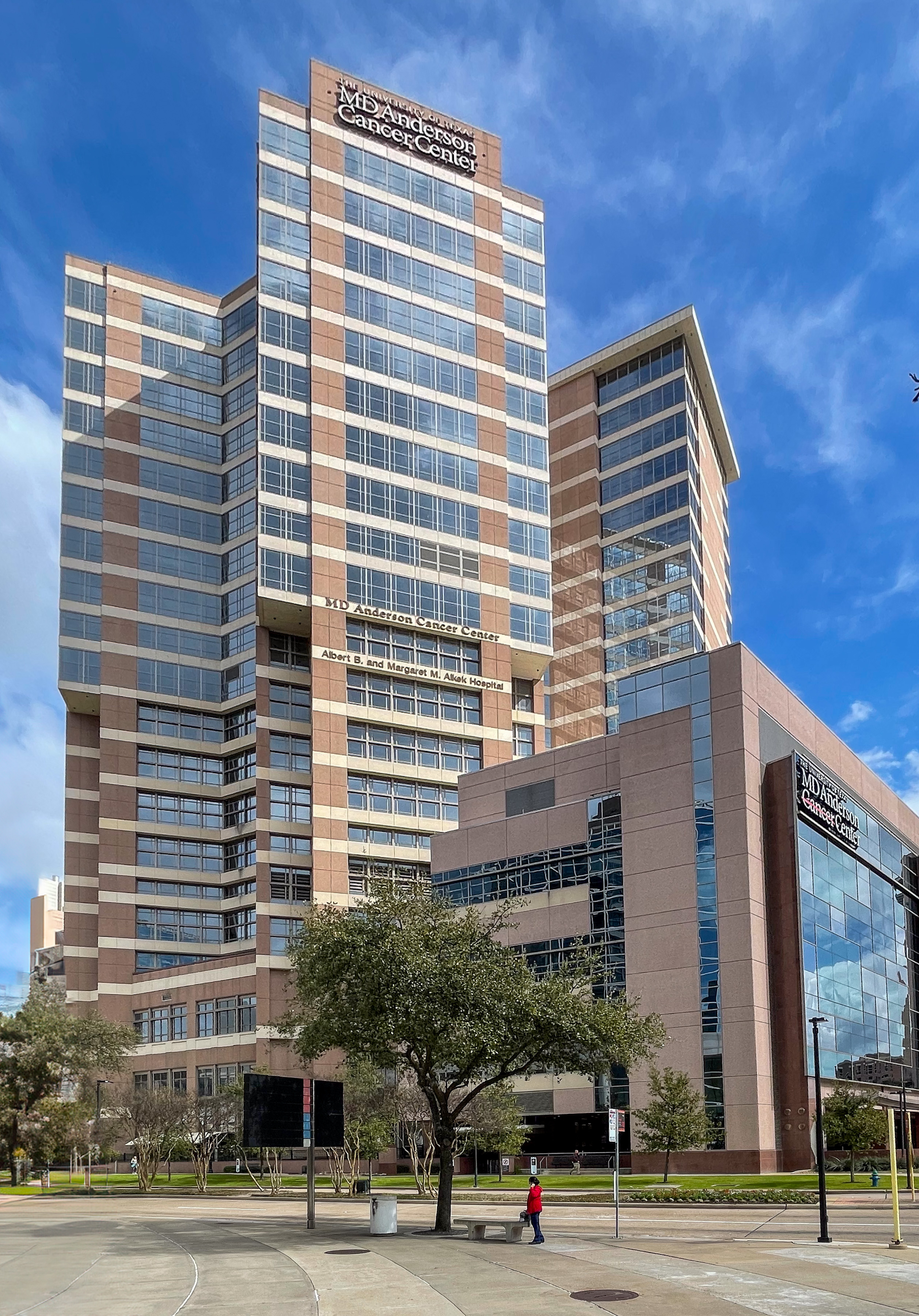
The Global Cancer Initiative is a comprehensive effort to reduce the global cancer burden through research, awareness, and collaboration. With cancer being one of the leading causes of death worldwide, claiming over 10 million lives in 2020 according to the World Health Organization (WHO), the initiative aims to bring together experts, organizations, and governments to share knowledge, resources, and best practices. The initiative is built on the foundation of existing cancer research and treatment centers, such as the University of Texas MD Anderson Cancer Center, which has been a pioneer in cancer care and research. By leveraging the expertise of institutions like MD Anderson, the Global Cancer Initiative seeks to improve cancer prevention, diagnosis, and treatment outcomes globally, with a focus on low- and middle-income countries where the cancer burden is disproportionately high. As of 2023, the initiative has already made significant strides, with over 100 partner organizations and a portfolio of 50 ongoing research projects. The Global Cancer Initiative is a testament to the power of collaboration in the fight against cancer, and its impact is expected to be felt for generations to come.
🎯 Introduction to the Global Cancer Initiative
The Global Cancer Initiative was launched in 2020 by a consortium of leading cancer research institutions, including the University of Texas MD Anderson Cancer Center, the National Cancer Institute (NCI), and the International Agency for Research on Cancer (IARC). The initiative is built on the principles of collaboration, innovation, and equity, with the goal of reducing the global cancer burden by 20% by 2030. MD Anderson Cancer Center has been a key player in the initiative, bringing its expertise in cancer care and research to the table. The initiative has also partnered with other leading organizations, such as the American Cancer Society and the Cancer Research Institute.
⚙️ How the Initiative Works
The Global Cancer Initiative works by bringing together experts from around the world to share knowledge, resources, and best practices in cancer research, prevention, and treatment. The initiative has established a network of cancer research centers and hospitals, which work together to develop and implement effective cancer control strategies. The initiative also provides training and capacity-building programs for healthcare professionals, as well as support for cancer patients and their families. WHO has played a crucial role in the initiative, providing technical assistance and guidance to partner countries. The initiative has also collaborated with other global health initiatives, such as the Global Fund to Fight AIDS, Tuberculosis and Malaria.
📊 Key Facts and Statistics
The Global Cancer Initiative has already made significant progress, with over 100 partner organizations and a portfolio of 50 ongoing research projects. The initiative has also established a global cancer registry, which provides critical data on cancer incidence, mortality, and treatment outcomes. According to the registry, the global cancer burden is expected to increase by 50% by 2030, with the majority of new cases occurring in low- and middle-income countries. The initiative has also launched a series of awareness campaigns, including the World Cancer Day campaign, which aims to raise awareness about cancer and promote early detection and treatment. The campaign has been supported by leading cancer organizations, such as the National Cancer Institute.
👥 Key Players and Partners
The Global Cancer Initiative has brought together a diverse group of key players and partners, including cancer research institutions, hospitals, governments, and non-governmental organizations. The initiative is led by a steering committee, which includes representatives from the University of Texas MD Anderson Cancer Center, the National Cancer Institute, and the International Agency for Research on Cancer. The initiative has also established a network of regional hubs, which provide technical assistance and support to partner countries. The hubs are located in Africa, Asia, and Latin America, and are staffed by experts from leading cancer research institutions, such as the Fred Hutchinson Cancer Research Center.
🌍 Global Impact and Reach
The Global Cancer Initiative has a significant impact on global health, with the potential to save millions of lives and improve the quality of life for cancer patients and their families. The initiative has already made a difference in several countries, including South Africa, India, and Brazil, where it has supported the development of national cancer control plans and provided training and capacity-building programs for healthcare professionals. The initiative has also collaborated with other global health initiatives, such as the Global Alliance for Vaccines and Immunization.
⚡ Current Developments and Progress
The Global Cancer Initiative is constantly evolving, with new developments and progress being made every day. In 2023, the initiative launched a new research program, which focuses on the development of innovative cancer treatments and therapies. The program has already shown promising results, with several new treatments being tested in clinical trials. The initiative has also established a new partnership with the Bill and Melinda Gates Foundation, which will provide critical funding and support for the initiative's work in low- and middle-income countries.
🤔 Challenges and Controversies
Despite the progress made by the Global Cancer Initiative, there are still several challenges and controversies that need to be addressed. One of the main challenges is the lack of funding and resources, particularly in low- and middle-income countries. The initiative has also faced criticism for its focus on Western-style cancer treatments, which may not be suitable for all cultures and contexts. The initiative has responded to these criticisms by increasing its focus on cultural sensitivity and adaptability, and by providing more support for traditional and complementary cancer therapies. The initiative has also collaborated with other organizations, such as the World Cancer Research Fund, to promote a more holistic approach to cancer prevention and treatment.
🔮 Future Outlook and Projections
The future outlook for the Global Cancer Initiative is promising, with the potential to make a significant impact on the global cancer burden. The initiative has set ambitious targets, including a 20% reduction in the global cancer burden by 2030. To achieve this goal, the initiative will need to continue to innovate and adapt, and to build on its existing partnerships and collaborations. The initiative has already started to explore new areas of research, such as the use of artificial intelligence and machine learning in cancer diagnosis and treatment. The initiative has also established a new partnership with the Google company, which will provide critical support and resources for the initiative's work in this area.
💡 Practical Applications and Next Steps
The Global Cancer Initiative has several practical applications and next steps, including the development of new cancer treatments and therapies, and the provision of training and capacity-building programs for healthcare professionals. The initiative has also established a network of cancer support groups, which provide emotional and practical support to cancer patients and their families. The initiative has collaborated with other organizations, such as the Cancer Support Community, to promote a more comprehensive approach to cancer care. The initiative has also launched a series of awareness campaigns, including the World Cancer Day campaign, which aims to raise awareness about cancer and promote early detection and treatment.
Key Facts
- Year
- 2020
- Origin
- Global
- Category
- public-health
- Type
- concept
Frequently Asked Questions
What is the Global Cancer Initiative?
The Global Cancer Initiative is a comprehensive effort to reduce the global cancer burden through research, awareness, and collaboration. The initiative is built on the principles of collaboration, innovation, and equity, and aims to bring together experts, organizations, and governments to share knowledge, resources, and best practices in cancer research, prevention, and treatment.
What are the goals of the Global Cancer Initiative?
The goals of the Global Cancer Initiative include reducing the global cancer burden by 20% by 2030, improving cancer prevention, diagnosis, and treatment outcomes, and increasing access to cancer care and services, particularly in low- and middle-income countries.
How does the Global Cancer Initiative work?
The Global Cancer Initiative works by bringing together experts from around the world to share knowledge, resources, and best practices in cancer research, prevention, and treatment. The initiative has established a network of cancer research centers and hospitals, which work together to develop and implement effective cancer control strategies.
What are the challenges facing the Global Cancer Initiative?
The Global Cancer Initiative faces several challenges, including the lack of funding and resources, particularly in low- and middle-income countries, and the need for cultural sensitivity and adaptability in cancer care. The initiative has responded to these challenges by increasing its focus on cultural sensitivity and adaptability, and by providing more support for traditional and complementary cancer therapies.
What is the future outlook for the Global Cancer Initiative?
The future outlook for the Global Cancer Initiative is promising, with the potential to make a significant impact on the global cancer burden. The initiative has set ambitious targets, including a 20% reduction in the global cancer burden by 2030, and has established a network of regional hubs to provide technical assistance and support to partner countries.
How can I get involved in the Global Cancer Initiative?
There are several ways to get involved in the Global Cancer Initiative, including volunteering, donating, and spreading awareness about cancer and the initiative's work. You can also contact the initiative directly to learn more about its programs and activities.
What are the key partners and collaborators of the Global Cancer Initiative?
The Global Cancer Initiative has partnered with several key organizations, including the University of Texas MD Anderson Cancer Center, the National Cancer Institute, and the World Health Organization. The initiative has also collaborated with other leading cancer research institutions, hospitals, and non-governmental organizations to promote a comprehensive approach to cancer prevention and treatment.