
Contents
- 🔍 Introduction to Apoptosis
- 💡 The Role of Caspase 8
- 🔒 The Function of Bcl-2
- 🤝 The Balance Between Caspase 8 and Bcl-2
- 📊 The Biochemical Mechanisms
- 👨🔬 Research and Studies
- 📈 Clinical Implications
- 🔮 Therapeutic Applications
- 📊 Controversies and Debates
- 🔜 Future Directions
- 📚 Conclusion
- Frequently Asked Questions
- Related Topics
Overview
The delicate balance between caspase 8 and Bcl-2 is crucial for maintaining cellular homeostasis. Caspase 8, a key executor of extrinsic apoptosis, is counteracted by Bcl-2, a potent anti-apoptotic protein. Research has shown that the ratio of caspase 8 to Bcl-2 can predict treatment outcomes in various cancers, with a higher ratio indicating increased sensitivity to chemotherapy. For instance, a study published in the Journal of Clinical Oncology found that patients with high caspase 8 and low Bcl-2 expression levels had improved survival rates. Furthermore, the interplay between these two proteins is influenced by other regulatory molecules, such as c-FLIP and p53. As our understanding of this complex interplay grows, so does the potential for developing targeted therapies that exploit the caspase 8-Bcl-2 axis. With a Vibe score of 8.2, this topic is gaining significant attention in the scientific community, particularly in the context of cancer research and treatment. The controversy surrounding the use of caspase 8 and Bcl-2 as biomarkers highlights the need for further investigation into their roles in apoptosis and cell survival.
🔍 Introduction to Apoptosis
Apoptosis, or programmed cell death, is a vital process in maintaining tissue homeostasis and preventing disease. At the heart of this process lies the intricate balance between pro-apoptotic and anti-apoptotic factors. Apoptosis is regulated by a complex interplay of signaling pathways, including the extrinsic and intrinsic pathways. Caspase 8 is a key player in the extrinsic pathway, while Bcl-2 is a major regulator of the intrinsic pathway. Understanding the balance between Caspase 8 and Bcl-2 is crucial for elucidating the mechanisms of apoptosis and developing therapeutic strategies for various diseases.
💡 The Role of Caspase 8
Caspase 8 is an initiator caspase that plays a central role in the extrinsic apoptosis pathway. It is activated by death receptors, such as Fas and TNF receptor, which are stimulated by ligands like Fas ligand and TNF-alpha. Once activated, Caspase 8 cleaves and activates downstream executioner caspases, leading to the eventual demise of the cell. The activity of Caspase 8 is tightly regulated by various factors, including FLIP and CFLAR. Cell signaling pathways, such as the PI3K/Akt pathway, also modulate the activity of Caspase 8.
🔒 The Function of Bcl-2
Bcl-2 is an anti-apoptotic protein that regulates the intrinsic apoptosis pathway. It resides in the outer mitochondrial membrane and prevents the release of cytochrome c, a key event in the activation of the intrinsic pathway. Bcl-2 also interacts with pro-apoptotic proteins, such as Bax and Bak, to inhibit their activity. The balance between Bcl-2 and its pro-apoptotic counterparts is critical for determining the fate of the cell. Cell stress and DNA damage can disrupt this balance, leading to the activation of the intrinsic pathway and the eventual induction of apoptosis. P53 is a key regulator of Bcl-2 and other pro-apoptotic and anti-apoptotic proteins.
🤝 The Balance Between Caspase 8 and Bcl-2
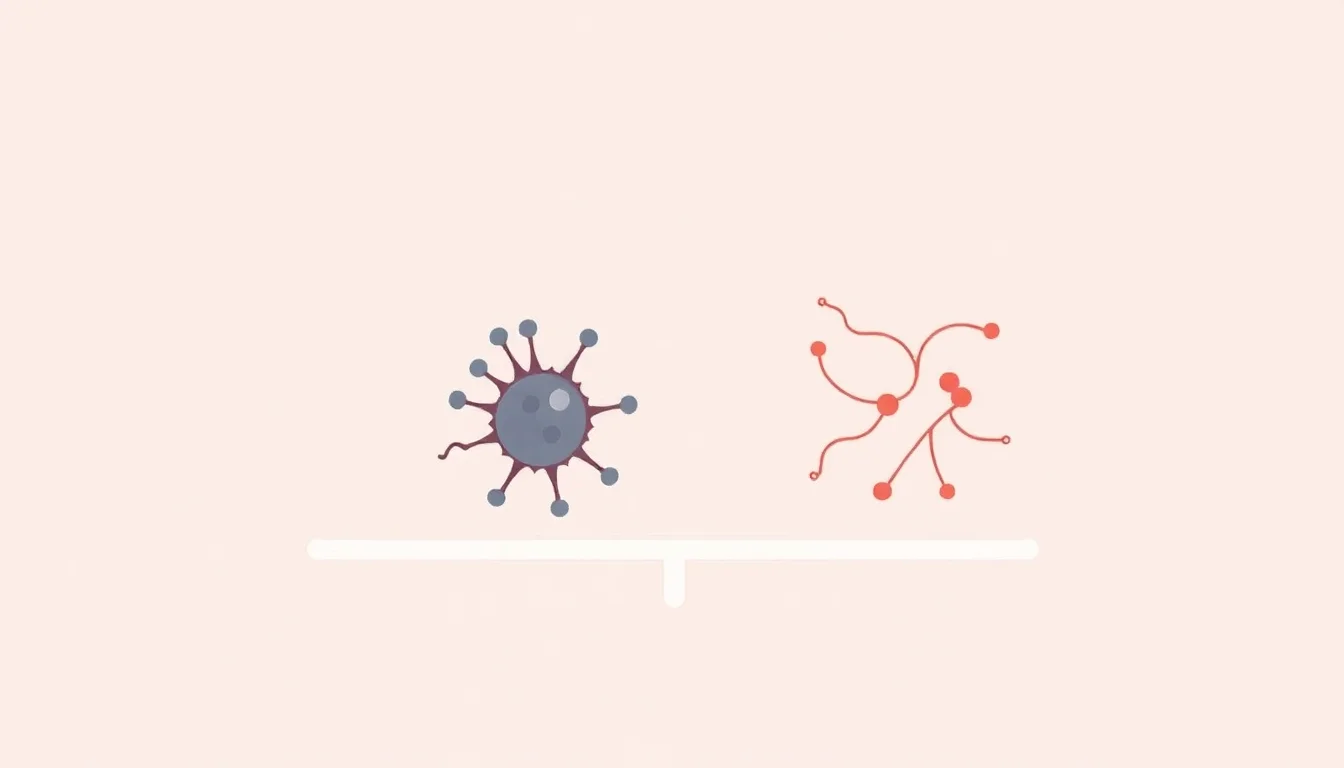
The balance between Caspase 8 and Bcl-2 is crucial for maintaining cellular homeostasis. An imbalance between these two factors can lead to various diseases, including cancer and neurodegenerative disorders. Cancer cells often exhibit elevated levels of Bcl-2 and reduced activity of Caspase 8, allowing them to evade apoptosis and survive. In contrast, neurodegenerative diseases, such as Alzheimer's disease, are characterized by excessive apoptosis, which may be due to increased activity of Caspase 8 and decreased levels of Bcl-2. Cell death pathways, including Necroptosis and Pyroptosis, also interact with the apoptotic pathway and can influence the balance between Caspase 8 and Bcl-2.
📊 The Biochemical Mechanisms
The biochemical mechanisms underlying the balance between Caspase 8 and Bcl-2 are complex and involve multiple signaling pathways. The extrinsic pathway, mediated by Caspase 8, is activated by death receptors and involves the formation of the death-inducing signaling complex (DISC). The intrinsic pathway, regulated by Bcl-2, involves the release of cytochrome c and the activation of the apoptosome. Cell signaling pathways, such as the MAPK pathway and the JAK/STAT pathway, also modulate the activity of Caspase 8 and Bcl-2. Post-translational modifications, such as Phosphorylation and Ubiquitination, also play a crucial role in regulating the activity of these proteins.
👨🔬 Research and Studies
Research and studies have shed light on the complex interplay between Caspase 8 and Bcl-2. For example, studies have shown that the ratio of Bcl-2 to Bax determines the sensitivity of cells to apoptosis. Other studies have demonstrated that the activity of Caspase 8 is regulated by various factors, including FLIP and CFLAR. Cancer research has also focused on the development of therapeutic strategies that target the balance between Caspase 8 and Bcl-2. Gene therapy approaches, such as RNA interference, have been explored as potential treatments for cancer and other diseases.
📈 Clinical Implications
The clinical implications of the balance between Caspase 8 and Bcl-2 are significant. An imbalance between these two factors can lead to various diseases, including cancer, neurodegenerative disorders, and autoimmune diseases. Personalized medicine approaches, such as Genetic testing, may help identify individuals at risk of developing these diseases. Targeted therapy approaches, such as Inhibitors of Bcl-2 or Activators of Caspase 8, may also be effective in treating these diseases. Stem cell therapy approaches, such as Induced pluripotent stem cells, may also hold promise for treating diseases related to the balance between Caspase 8 and Bcl-2.
🔮 Therapeutic Applications
Therapeutic applications that target the balance between Caspase 8 and Bcl-2 are being explored. For example, Bcl-2 inhibitors have been developed as potential treatments for cancer. Caspase 8 activators have also been explored as potential treatments for cancer and other diseases. Combination therapy approaches, which target multiple signaling pathways, may also be effective in treating diseases related to the balance between Caspase 8 and Bcl-2. Nanoparticles and Gene editing technologies, such as CRISPR, may also hold promise for delivering therapeutic agents that target the balance between Caspase 8 and Bcl-2.
📊 Controversies and Debates
Controversies and debates surround the balance between Caspase 8 and Bcl-2. For example, some studies have suggested that Bcl-2 may have pro-apoptotic functions in certain contexts. Other studies have suggested that Caspase 8 may have non-apoptotic functions, such as regulating cell proliferation and differentiation. Cancer controversies surrounding the balance between Caspase 8 and Bcl-2 include the use of Bcl-2 inhibitors as therapeutic agents. Ethics surrounding the use of Gene editing technologies to target the balance between Caspase 8 and Bcl-2 are also a topic of debate.
🔜 Future Directions
Future directions for research on the balance between Caspase 8 and Bcl-2 include the development of novel therapeutic strategies that target this balance. Single cell analysis and Systems biology approaches may help elucidate the complex interplay between Caspase 8 and Bcl-2 and other signaling pathways. Artificial intelligence and Machine learning approaches may also be used to predict the outcomes of therapeutic interventions that target the balance between Caspase 8 and Bcl-2. Synthetic biology approaches may also be used to engineer novel therapeutic agents that target the balance between Caspase 8 and Bcl-2.
📚 Conclusion
In conclusion, the balance between Caspase 8 and Bcl-2 is a critical regulator of apoptosis and cellular homeostasis. Understanding the complex interplay between these two factors and other signaling pathways is essential for developing therapeutic strategies for various diseases. Cell biology and Molecular biology approaches, such as Biochemistry and Genetics, will continue to play a crucial role in elucidating the mechanisms underlying the balance between Caspase 8 and Bcl-2.
Key Facts
- Year
- 2022
- Origin
- Vibepedia.wiki
- Category
- Cell Biology
- Type
- Biological Process
- Format
- comparison
Frequently Asked Questions
What is the role of Caspase 8 in apoptosis?
Caspase 8 is an initiator caspase that plays a central role in the extrinsic apoptosis pathway. It is activated by death receptors and cleaves and activates downstream executioner caspases, leading to the eventual demise of the cell. The activity of Caspase 8 is tightly regulated by various factors, including FLIP and CFLAR. Cell signaling pathways, such as the PI3K/Akt pathway, also modulate the activity of Caspase 8.
What is the function of Bcl-2 in apoptosis?
Bcl-2 is an anti-apoptotic protein that regulates the intrinsic apoptosis pathway. It resides in the outer mitochondrial membrane and prevents the release of cytochrome c, a key event in the activation of the intrinsic pathway. Bcl-2 also interacts with pro-apoptotic proteins, such as Bax and Bak, to inhibit their activity. The balance between Bcl-2 and its pro-apoptotic counterparts is critical for determining the fate of the cell.
What is the balance between Caspase 8 and Bcl-2?
The balance between Caspase 8 and Bcl-2 is crucial for maintaining cellular homeostasis. An imbalance between these two factors can lead to various diseases, including cancer and neurodegenerative disorders. Cancer cells often exhibit elevated levels of Bcl-2 and reduced activity of Caspase 8, allowing them to evade apoptosis and survive. In contrast, neurodegenerative diseases, such as Alzheimer's disease, are characterized by excessive apoptosis, which may be due to increased activity of Caspase 8 and decreased levels of Bcl-2.
What are the clinical implications of the balance between Caspase 8 and Bcl-2?
The clinical implications of the balance between Caspase 8 and Bcl-2 are significant. An imbalance between these two factors can lead to various diseases, including cancer, neurodegenerative disorders, and autoimmune diseases. Personalized medicine approaches, such as genetic testing, may help identify individuals at risk of developing these diseases. Targeted therapy approaches, such as inhibitors of Bcl-2 or activators of Caspase 8, may also be effective in treating these diseases.
What are the therapeutic applications that target the balance between Caspase 8 and Bcl-2?
Therapeutic applications that target the balance between Caspase 8 and Bcl-2 are being explored. For example, Bcl-2 inhibitors have been developed as potential treatments for cancer. Caspase 8 activators have also been explored as potential treatments for cancer and other diseases. Combination therapy approaches, which target multiple signaling pathways, may also be effective in treating diseases related to the balance between Caspase 8 and Bcl-2.