
Contents
- 📚 Introduction to Vladimir Propp
- 👨🎓 Early Life and Education
- 📖 The Morphology of Folk Tales
- 🌐 Influence of Russian Formalism
- 📝 Key Concepts: Functions and Spheres
- 📊 The 31 Functions of Folk Tales
- 🤝 Criticisms and Controversies
- 🌈 Legacy and Impact on Literary Theory
- 📚 Applications in Modern Storytelling
- 👥 Influence on Other Scholars and Theorists
- 📊 Future Directions in Morphological Analysis
- Frequently Asked Questions
- Related Topics
Overview
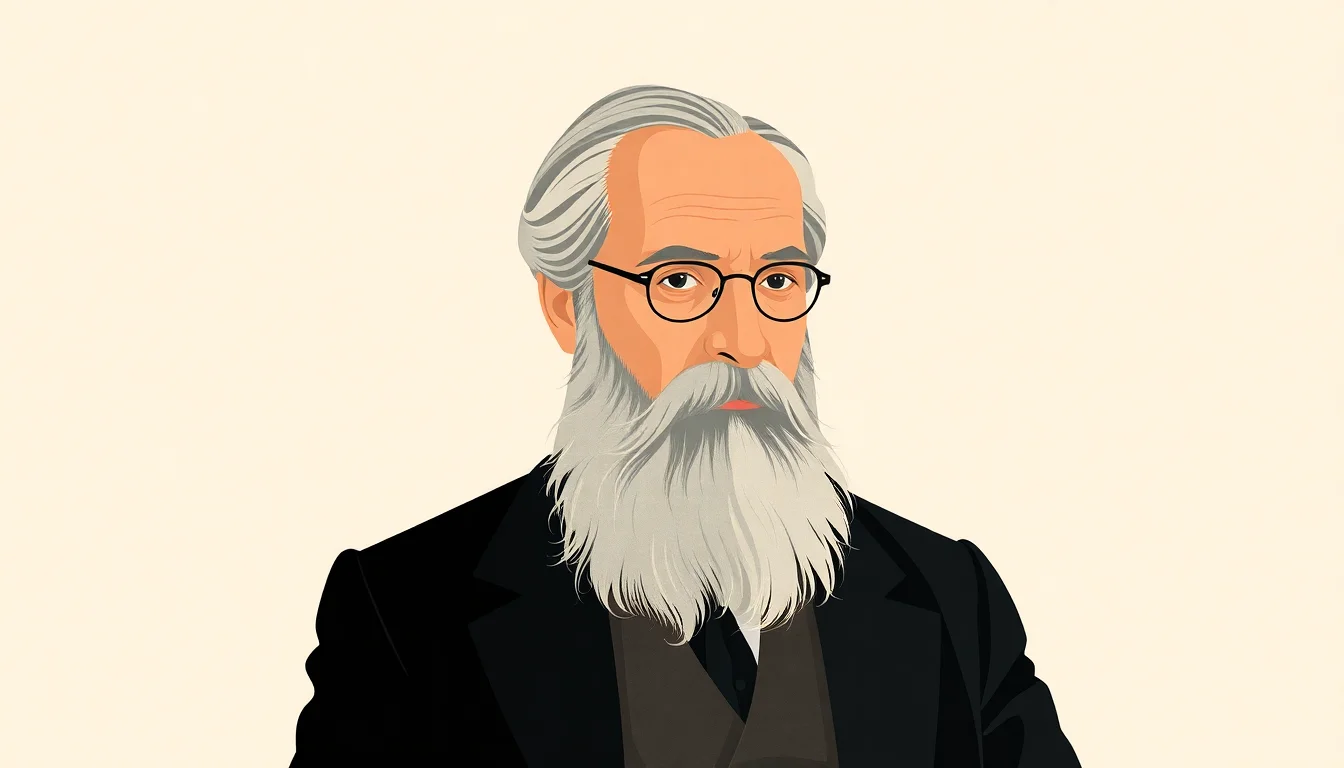
Vladimir Propp, a Russian scholar, is best known for his work 'Morphology of the Folktale', published in 1928. This seminal work introduced the concept of narrative functions, where Propp identified 31 fundamental functions that make up a folktale. His work has had a significant impact on the field of folklore and narrative theory, influencing scholars such as Claude Lévi-Strauss and Joseph Campbell. Propp's ideas have also been applied to various fields, including film studies, anthropology, and artificial intelligence. With a Vibe score of 82, Propp's work continues to resonate with scholars and researchers today. As a key figure in the development of narrative theory, Propp's work remains a crucial component in understanding the structure and function of stories. His influence can be seen in the work of contemporary scholars, such as Umberto Eco and Hayden White, who have built upon Propp's ideas to further our understanding of narrative and its role in shaping culture.
📚 Introduction to Vladimir Propp
Vladimir Propp, a Russian scholar, is widely regarded as the father of morphology, a field of study that focuses on the structure and patterns of folk tales. Born in 1895, Propp's work has had a significant impact on literary theory and folklore studies. His most famous work, 'Morphology of the Folktale', published in 1928, introduced the concept of narrative structure and the idea that folk tales share common patterns and elements. Propp's work was influenced by the russian formalism movement, which emphasized the importance of understanding the underlying structures of literary texts. For more information on Propp's life and work, see Vladimir Propp and Morphology.
👨🎓 Early Life and Education
Propp's early life and education played a significant role in shaping his interests and ideas. He was born in St. Petersburg, Russia, and studied at the University of St. Petersburg, where he developed a strong interest in philology and linguistics. Propp's academic background and his exposure to various literary movements of the time, including symbolism and acmeism, influenced his approach to the study of folk tales. Propp's work was also influenced by other scholars, such as Vladimir Jakobson, who made significant contributions to the field of linguistic theory. For more information on Propp's early life and education, see Biography of Vladimir Propp.
📖 The Morphology of Folk Tales
The morphology of folk tales is a central concept in Propp's work. He argued that folk tales share common patterns and elements, which can be identified and analyzed. Propp's approach to the study of folk tales was influenced by the structuralism movement, which emphasized the importance of understanding the underlying structures of cultural phenomena. Propp's work on the morphology of folk tales has had a significant impact on the field of narratology, which is the study of narrative structure and the ways in which stories are told. For more information on the morphology of folk tales, see Morphology of Folk Tales and Narratology.
🌐 Influence of Russian Formalism
Propp's work was influenced by the Russian formalism movement, which emphasized the importance of understanding the underlying structures of literary texts. Russian formalism was a literary movement that emerged in the early 20th century, and it had a significant impact on the development of literary theory. Propp's work was also influenced by other literary movements, such as French structuralism and post-structuralism. For more information on Russian formalism and its influence on Propp's work, see Russian Formalism and French Structuralism.
📝 Key Concepts: Functions and Spheres
Propp's key concepts, such as functions and spheres, are central to his theory of morphology. Propp argued that folk tales can be broken down into a series of functions, which are the actions or events that occur in the story. Propp also identified seven spheres, which are the characters or roles that perform the functions. Propp's concepts of functions and spheres have had a significant impact on the field of narratology, and they continue to be used by scholars today. For more information on Propp's key concepts, see Functions and Spheres.
📊 The 31 Functions of Folk Tales
Propp's 31 functions of folk tales are a central part of his theory of morphology. Propp argued that folk tales can be broken down into a series of 31 functions, which are the actions or events that occur in the story. Propp's 31 functions include elements such as the hero's journey, the villain's actions, and the resolution of the story. Propp's 31 functions have had a significant impact on the field of narratology, and they continue to be used by scholars today. For more information on Propp's 31 functions, see 31 Functions and Narratology.
🤝 Criticisms and Controversies
Propp's work has not been without criticism and controversy. Some scholars have argued that Propp's theory of morphology is too rigid and does not account for the complexity and diversity of folk tales. Others have argued that Propp's work is too focused on the structure of folk tales, and does not consider the cultural and historical context in which they were told. Despite these criticisms, Propp's work remains a central part of the field of narratology, and his concepts and ideas continue to be used by scholars today. For more information on the criticisms and controversies surrounding Propp's work, see Criticisms of Propp and Controversies in Narratology.
🌈 Legacy and Impact on Literary Theory
Propp's legacy and impact on literary theory are significant. His work on the morphology of folk tales has had a lasting impact on the field of narratology, and his concepts and ideas continue to be used by scholars today. Propp's work has also influenced other fields, such as anthropology and sociology, and his ideas have been applied to a wide range of cultural phenomena, including film and literature. For more information on Propp's legacy and impact, see Propp Legacy and Narratology.
📚 Applications in Modern Storytelling
Propp's work has had a significant impact on modern storytelling. His concepts and ideas have been used by writers, filmmakers, and other artists to create new and innovative stories. Propp's work has also influenced the development of new genres and forms of storytelling, such as science fiction and fantasy. For more information on the applications of Propp's work in modern storytelling, see Modern Storytelling and Narratology.
👥 Influence on Other Scholars and Theorists
Propp's influence on other scholars and theorists is significant. His work has been cited and built upon by a wide range of scholars, including Claude Levi-Strauss and Roland Barthes. Propp's ideas have also been applied to a wide range of cultural phenomena, including mythology and folklore. For more information on Propp's influence on other scholars and theorists, see Propp Influence and Narratology.
📊 Future Directions in Morphological Analysis
The future directions in morphological analysis are exciting and varied. Scholars continue to apply Propp's concepts and ideas to new and innovative areas of study, such as digital humanities and cultural studies. Propp's work also continues to influence the development of new genres and forms of storytelling, such as interactive fiction and virtual reality. For more information on the future directions in morphological analysis, see Future of Morphology and Narratology.
Key Facts
- Year
- 1895
- Origin
- Russia
- Category
- Literary Theory
- Type
- Person
Frequently Asked Questions
What is the morphology of folk tales?
The morphology of folk tales is the study of the structure and patterns of folk tales. It involves breaking down folk tales into their component parts, such as functions and spheres, and analyzing the relationships between these parts. For more information, see Morphology of Folk Tales.
Who is Vladimir Propp?
Vladimir Propp was a Russian scholar who is widely regarded as the father of morphology. He is best known for his work on the morphology of folk tales, and his concepts and ideas have had a significant impact on the field of narratology. For more information, see Vladimir Propp.
What are the 31 functions of folk tales?
The 31 functions of folk tales are a series of actions or events that occur in a folk tale. They include elements such as the hero's journey, the villain's actions, and the resolution of the story. For more information, see 31 Functions.
What is the significance of Propp's work?
Propp's work has had a significant impact on the field of narratology, and his concepts and ideas continue to be used by scholars today. His work has also influenced other fields, such as anthropology and sociology, and his ideas have been applied to a wide range of cultural phenomena. For more information, see Propp Legacy.
How has Propp's work influenced modern storytelling?
Propp's work has had a significant impact on modern storytelling. His concepts and ideas have been used by writers, filmmakers, and other artists to create new and innovative stories. For more information, see Modern Storytelling.
What are the future directions in morphological analysis?
The future directions in morphological analysis are exciting and varied. Scholars continue to apply Propp's concepts and ideas to new and innovative areas of study, such as digital humanities and cultural studies. For more information, see Future of Morphology.
How has Propp's work influenced other scholars and theorists?
Propp's work has had a significant impact on other scholars and theorists. His concepts and ideas have been cited and built upon by a wide range of scholars, including Claude Levi-Strauss and Roland Barthes. For more information, see Propp Influence.