
Contents
- 🔍 Introduction to the Visual System
- 👀 The Optical System: How Light Enters the Eye
- 🧠 The Neural System: Processing Visual Information
- 🔗 The Role of the Brain in Visual Perception
- 👁️ The Structure and Function of the Eye
- 💡 The Science of Light and Color Perception
- 📊 The Mathematics of Visual Processing
- 🤖 The Future of Visual System Research
- 📚 The History of Visual System Discovery
- 👥 The Impact of Visual System Disorders
- 🔬 Current Research and Advances in Visual System
- Frequently Asked Questions
- Related Topics
Overview
The human visual system is a complex and highly specialized process that enables us to perceive and interpret visual information from the world around us. It begins with the eye, where light is focused onto the retina, and ends with the brain, where the information is processed and interpreted. The visual system involves multiple components, including the cornea, lens, retina, optic nerve, and visual cortex, each playing a critical role in the transmission and processing of visual data. Researchers such as David Hubel and Torsten Wiesel have made significant contributions to our understanding of the visual system, with their work on the structure and function of the visual cortex earning them the Nobel Prize in Physiology or Medicine in 1981. With a vibe score of 8, the visual system is a fascinating topic that continues to be studied and explored by scientists and scholars today. As our understanding of the visual system continues to evolve, we may uncover new insights into the intricate mechanisms that underlie human perception and cognition, with potential applications in fields such as medicine, technology, and art.
🔍 Introduction to the Visual System
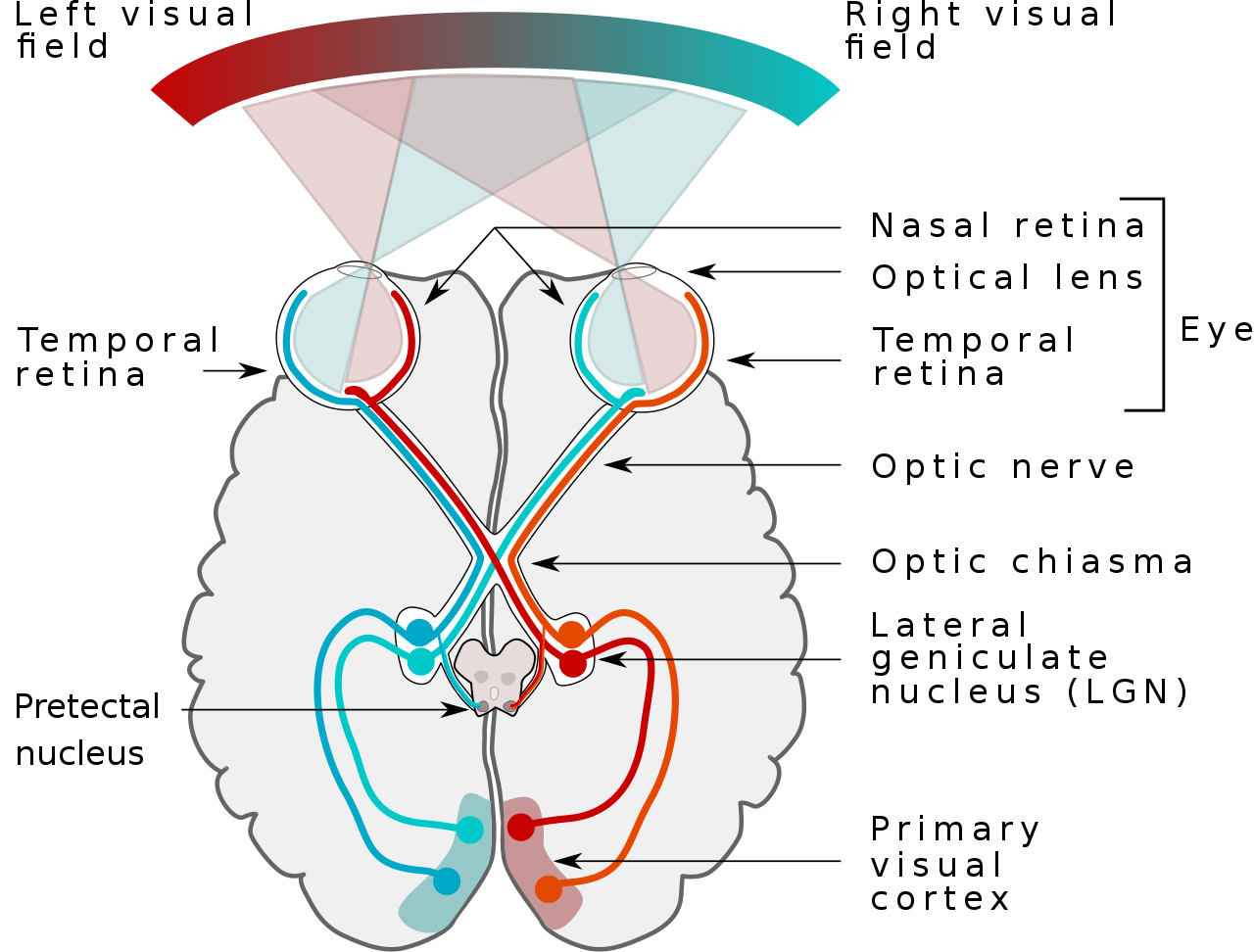
The visual system is a complex and highly specialized system that enables us to perceive and interpret the world around us. It is the physiological basis of visual perception, and is associated with the eye and functionally divided into the optical system and the neural system. The visual system detects, transduces and interprets information concerning light within the visible range to construct an image and build a mental model of the surrounding environment. This process involves the coordination of multiple components, including the cornea, lens, and retina. The visual system is also closely linked to other senses, such as hearing and touch, and plays a critical role in our ability to navigate and interact with the world. For more information on the visual system, see Visual System.
👀 The Optical System: How Light Enters the Eye
The optical system is responsible for focusing light onto the retina, where it is converted into electrical signals that can be interpreted by the brain. This process involves the use of lenses and other optical components to refract and focus light. The optical system is also responsible for controlling the amount of light that enters the eye, through the use of the pupil and iris. The optical system is a critical component of the visual system, and is essential for our ability to see and interpret the world around us. For more information on the optical system, see Optical System. The optical system works in conjunction with the neural system to process visual information. The neural system is responsible for transmitting and interpreting the electrical signals generated by the optical system.
🧠 The Neural System: Processing Visual Information
The neural system is responsible for processing and interpreting the visual information detected by the optical system. This process involves the use of complex neural networks and synapses to transmit and interpret electrical signals. The neural system is also responsible for controlling the eye movements and pupil dilation that are necessary for us to focus on and track objects. The neural system is a highly complex and specialized system that is essential for our ability to see and interpret the world around us. For more information on the neural system, see Neural System. The neural system works in conjunction with the optical system to process visual information. The neural system is also closely linked to other systems, such as the cerebral cortex and the cerebellum.
🔗 The Role of the Brain in Visual Perception
The brain plays a critical role in the visual system, and is responsible for interpreting and processing the visual information detected by the optical and neural systems. The brain uses this information to construct a mental model of the surrounding environment, and to guide our movements and actions. The brain is also responsible for controlling the eye movements and pupil dilation that are necessary for us to focus on and track objects. The brain is a highly complex and specialized organ that is essential for our ability to see and interpret the world around us. For more information on the brain, see Brain. The brain works in conjunction with the visual system to process visual information. The brain is also closely linked to other systems, such as the nervous system and the sensory system.
👁️ The Structure and Function of the Eye
The eye is a highly specialized organ that is responsible for detecting light and transmitting visual information to the brain. The eye is composed of multiple components, including the cornea, lens, and retina. The eye is also responsible for controlling the amount of light that enters the eye, through the use of the pupil and iris. The eye is a critical component of the visual system, and is essential for our ability to see and interpret the world around us. For more information on the eye, see Eye. The eye works in conjunction with the visual system to process visual information. The eye is also closely linked to other systems, such as the optical system and the neural system.
💡 The Science of Light and Color Perception
The science of light and color perception is a complex and highly specialized field that is essential for our understanding of the visual system. Light is a form of electromagnetic radiation that is visible to the human eye, and is characterized by its wavelength and frequency. Color is a property of light that is perceived by the human eye, and is characterized by its hue, saturation, and brightness. The science of light and color perception is closely linked to the visual system, and is essential for our ability to see and interpret the world around us. For more information on light and color perception, see Light and Color Perception.
📊 The Mathematics of Visual Processing
The mathematics of visual processing is a complex and highly specialized field that is essential for our understanding of the visual system. Visual processing involves the use of complex mathematical algorithms and neural networks to process and interpret visual information. The mathematics of visual processing is closely linked to the visual system, and is essential for our ability to see and interpret the world around us. For more information on the mathematics of visual processing, see Mathematics of Visual Processing. The mathematics of visual processing is also closely linked to other fields, such as computer vision and machine learning.
🤖 The Future of Visual System Research
The future of visual system research is a highly exciting and rapidly evolving field that holds great promise for our understanding of the visual system and its role in our daily lives. Visual system research involves the use of advanced technologies, such as functional magnetic resonance imaging and electroencephalography, to study the visual system and its functions. The future of visual system research is closely linked to the visual system, and is essential for our ability to develop new treatments and therapies for visual system disorders. For more information on the future of visual system research, see Future of Visual System Research.
📚 The History of Visual System Discovery
The history of visual system discovery is a long and fascinating one that spans thousands of years. The ancient Greeks were among the first to study the visual system, and made significant contributions to our understanding of the eye and its functions. The Renaissance saw a renewed interest in the study of the visual system, and the development of new technologies, such as the microscope, allowed for a greater understanding of the visual system and its functions. The history of visual system discovery is closely linked to the visual system, and is essential for our ability to understand the development of our current knowledge of the visual system. For more information on the history of visual system discovery, see History of Visual System Discovery.
👥 The Impact of Visual System Disorders
The impact of visual system disorders is a significant one that affects millions of people around the world. Visual system disorders can range from mild to severe, and can have a significant impact on a person's quality of life. The impact of visual system disorders is closely linked to the visual system, and is essential for our ability to develop new treatments and therapies for these disorders. For more information on the impact of visual system disorders, see Impact of Visual System Disorders.
🔬 Current Research and Advances in Visual System
Current research and advances in visual system are a highly exciting and rapidly evolving field that holds great promise for our understanding of the visual system and its role in our daily lives. Visual system research involves the use of advanced technologies, such as functional magnetic resonance imaging and electroencephalography, to study the visual system and its functions. Current research and advances in visual system are closely linked to the visual system, and are essential for our ability to develop new treatments and therapies for visual system disorders. For more information on current research and advances in visual system, see Current Research and Advances in Visual System.
Key Facts
- Year
- 1981
- Origin
- Ancient Greece, with contributions from scientists such as Galen and Ibn al-Haytham
- Category
- Biology
- Type
- Biological System
Frequently Asked Questions
What is the visual system?
The visual system is the physiological basis of visual perception, and is associated with the eye and functionally divided into the optical system and the neural system. The visual system detects, transduces and interprets information concerning light within the visible range to construct an image and build a mental model of the surrounding environment. For more information on the visual system, see Visual System. The visual system is a complex and highly specialized system that enables us to perceive and interpret the world around us. It is closely linked to other systems, such as the nervous system and the sensory system.
How does the visual system work?
The visual system works by detecting light and transmitting visual information to the brain, where it is interpreted and processed. The visual system involves the coordination of multiple components, including the cornea, lens, and retina. The visual system is also closely linked to other systems, such as the optical system and the neural system. For more information on how the visual system works, see How the Visual System Works. The visual system is a highly complex and specialized system that is essential for our ability to see and interpret the world around us.
What are some common visual system disorders?
Some common visual system disorders include myopia, hyperopia, and astigmatism. These disorders can range from mild to severe, and can have a significant impact on a person's quality of life. For more information on visual system disorders, see Visual System Disorders. The visual system is closely linked to other systems, such as the nervous system and the sensory system.
How can visual system disorders be treated?
Visual system disorders can be treated with a variety of methods, including glasses, contact lenses, and surgery. The treatment of visual system disorders is closely linked to the visual system, and is essential for our ability to develop new treatments and therapies for these disorders. For more information on the treatment of visual system disorders, see Treatment of Visual System Disorders. The visual system is a highly complex and specialized system that is essential for our ability to see and interpret the world around us.
What is the future of visual system research?
The future of visual system research is a highly exciting and rapidly evolving field that holds great promise for our understanding of the visual system and its role in our daily lives. Visual system research involves the use of advanced technologies, such as functional magnetic resonance imaging and electroencephalography, to study the visual system and its functions. For more information on the future of visual system research, see Future of Visual System Research. The visual system is closely linked to other systems, such as the nervous system and the sensory system.
How can I learn more about the visual system?
You can learn more about the visual system by reading books and articles on the subject, and by visiting websites and online resources. For more information on the visual system, see Visual System. The visual system is a highly complex and specialized system that is essential for our ability to see and interpret the world around us. It is closely linked to other systems, such as the nervous system and the sensory system.
What are some common myths about the visual system?
Some common myths about the visual system include the idea that carrots can improve your vision, and that reading in low light can damage your eyes. These myths are not supported by scientific evidence, and can be misleading. For more information on common myths about the visual system, see Common Myths about the Visual System. The visual system is a highly complex and specialized system that is essential for our ability to see and interpret the world around us.