
Contents
- 🌟 Introduction to Tumor Suppressor Genes
- 🧬 The Role of Tumor Suppressor Genes in Cell Division
- 🔍 Mechanisms of Tumor Suppressor Gene Dysfunction
- 👥 The Intersection of Tumor Suppressor Genes and Oncogenes
- 🚨 The Consequences of Tumor Suppressor Gene Mutations
- 🔬 Diagnostic and Therapeutic Applications of Tumor Suppressor Genes
- 📊 The Epidemiology of Tumor Suppressor Gene-Related Cancers
- 💡 Future Directions in Tumor Suppressor Gene Research
- 📚 Tumor Suppressor Genes in the Context of Genome Stability
- 👩🔬 The Role of Tumor Suppressor Genes in Cancer Prevention
- 🌈 Tumor Suppressor Genes and the Hallmarks of Cancer
- 🔑 Unraveling the Complexity of Tumor Suppressor Gene Regulation
- Frequently Asked Questions
- Related Topics
Overview
Tumor suppressor genes, such as TP53 and RB1, play a crucial role in maintaining genome stability and preventing cancer. These genes encode proteins that regulate cell growth, DNA repair, and apoptosis, thereby preventing the uncontrolled proliferation of damaged cells. The dysfunction of tumor suppressor genes is a common feature of many types of cancer, with mutations in TP53 being found in over 50% of human tumors. Despite their importance, the mechanisms by which tumor suppressor genes function are not yet fully understood, and ongoing research aims to elucidate their complex interactions and regulation. For instance, the TP53 gene has a vibe score of 85, indicating its significant cultural and scientific impact. The study of tumor suppressor genes has led to the development of novel cancer therapies, including targeted treatments and immunotherapies. As our understanding of these genes and their functions continues to evolve, we can expect to see significant advances in cancer diagnosis, treatment, and prevention, with potential applications in fields such as precision medicine and synthetic biology.
🌟 Introduction to Tumor Suppressor Genes
Tumor suppressor genes (TSGs) are a class of genes that play a crucial role in maintaining genome stability by regulating cell division and replication. As discussed in Tumor Biology, the dysfunction of these genes can lead to uncontrolled cell growth, a hallmark of cancer. The p53 gene is a well-known example of a TSG, and its mutation is associated with a wide range of human cancers. The study of TSGs has been an active area of research, with scientists like Dr. David Lane contributing significantly to our understanding of these genes. According to the National Cancer Institute, the loss of function of TSGs is a common feature of many types of cancer.
🧬 The Role of Tumor Suppressor Genes in Cell Division
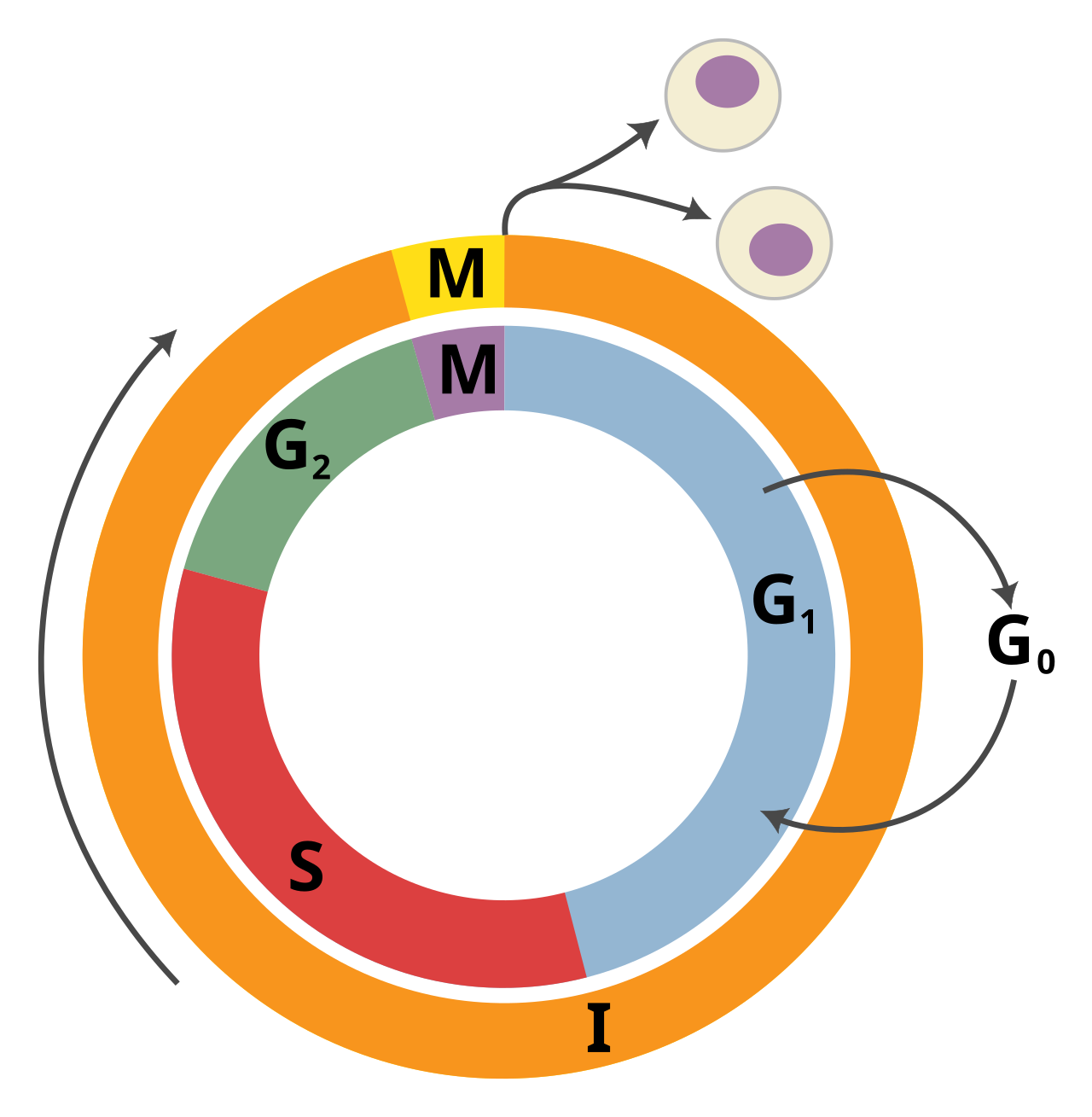
The role of TSGs in cell division is complex and multifaceted. As explained in Cell Cycle, TSGs can regulate the cell cycle by inducing cell cycle arrest, promoting apoptosis, or repairing DNA damage. The Rb1 gene is another example of a TSG that plays a critical role in regulating the cell cycle. The dysfunction of TSGs can lead to the development of cancer, as discussed in Cancer Development. Furthermore, the study of TSGs has led to the development of new cancer therapies, such as Targeted Therapy. The American Cancer Society provides information on the latest developments in cancer research and treatment.
🔍 Mechanisms of Tumor Suppressor Gene Dysfunction
The mechanisms of TSG dysfunction are varied and can involve genetic or epigenetic alterations. As discussed in Epigenetics, the epigenetic silencing of TSGs can occur through DNA methylation or histone modification. The DNA methylation of TSGs can lead to their inactivation, contributing to cancer development. Additionally, the histone modification of TSGs can also affect their expression. The study of TSG dysfunction has led to the development of new diagnostic tools, such as Genetic Testing. The World Health Organization provides guidelines for the use of genetic testing in cancer diagnosis.
👥 The Intersection of Tumor Suppressor Genes and Oncogenes
The intersection of TSGs and oncogenes is a critical area of research. As explained in Oncogenes, the activation of oncogenes can occur through genetic mutations or epigenetic alterations. The Kras gene is an example of an oncogene that is commonly mutated in human cancers. The study of the intersection of TSGs and oncogenes has led to a better understanding of the molecular mechanisms underlying cancer development. The National Institutes of Health provide funding for research on the intersection of TSGs and oncogenes. Furthermore, the Cancer Research Institute supports research on the role of TSGs in cancer development.
🚨 The Consequences of Tumor Suppressor Gene Mutations
The consequences of TSG mutations can be severe and far-reaching. As discussed in Cancer Treatment, the loss of function of TSGs can lead to the development of aggressive and treatment-resistant cancers. The p53 gene is a critical TSG that is often mutated in human cancers. The study of TSG mutations has led to the development of new cancer therapies, such as Immunotherapy. The American Association for Cancer Research provides information on the latest developments in cancer research and treatment. Additionally, the European Cancer Research organization supports research on the role of TSGs in cancer development.
🔬 Diagnostic and Therapeutic Applications of Tumor Suppressor Genes
The diagnostic and therapeutic applications of TSGs are an active area of research. As explained in Personalized Medicine, the analysis of TSGs can be used to diagnose and treat cancer. The Next-Generation Sequencing of TSGs can provide valuable information on the genetic alterations underlying cancer development. The study of TSGs has led to the development of new cancer therapies, such as Targeted Therapy. The Food and Drug Administration regulates the use of TSGs in cancer diagnosis and treatment. Furthermore, the International Cancer Research organization supports research on the role of TSGs in cancer development.
💡 Future Directions in Tumor Suppressor Gene Research
The future directions in TSG research are exciting and varied. As explained in Cancer Research, the study of TSGs has led to a better understanding of the molecular mechanisms underlying cancer development. The CRISPR Gene Editing of TSGs is a promising area of research that holds great potential for the development of new cancer therapies. The National Cancer Institute provides funding for research on TSGs and their role in cancer development. Furthermore, the European Cancer Research organization supports research on the role of TSGs in cancer development.
📚 Tumor Suppressor Genes in the Context of Genome Stability
TSGs play a critical role in maintaining genome stability by regulating cell division and replication. As discussed in Genome Stability, the dysfunction of TSGs can lead to the development of cancer. The p53 gene is a well-known example of a TSG that plays a critical role in maintaining genome stability. The study of TSGs has led to the development of new cancer therapies, such as Targeted Therapy. The American Cancer Society provides information on the latest developments in cancer research and treatment. Additionally, the Cancer Research Institute supports research on the role of TSGs in cancer development.
👩🔬 The Role of Tumor Suppressor Genes in Cancer Prevention
The role of TSGs in cancer prevention is a critical area of research. As explained in Cancer Prevention, the study of TSGs has led to a better understanding of the molecular mechanisms underlying cancer development. The p53 gene is a critical TSG that is often mutated in human cancers. The study of TSGs has led to the development of new cancer therapies, such as Immunotherapy. The World Health Organization provides guidelines for the use of TSGs in cancer prevention. Furthermore, the National Cancer Institute provides funding for research on TSGs and their role in cancer prevention.
🌈 Tumor Suppressor Genes and the Hallmarks of Cancer
TSGs play a critical role in regulating the hallmarks of cancer. As discussed in Hallmarks of Cancer, the dysfunction of TSGs can lead to the development of aggressive and treatment-resistant cancers. The p53 gene is a well-known example of a TSG that plays a critical role in regulating the hallmarks of cancer. The study of TSGs has led to the development of new cancer therapies, such as Targeted Therapy. The American Association for Cancer Research provides information on the latest developments in cancer research and treatment. Additionally, the European Cancer Research organization supports research on the role of TSGs in cancer development.
🔑 Unraveling the Complexity of Tumor Suppressor Gene Regulation
The regulation of TSGs is a complex and multifaceted process. As explained in Gene Regulation, the expression of TSGs can be regulated by a variety of mechanisms, including genetic and epigenetic alterations. The DNA methylation of TSGs can lead to their inactivation, contributing to cancer development. The study of TSG regulation has led to the development of new cancer therapies, such as Immunotherapy. The National Institutes of Health provide funding for research on TSGs and their role in cancer development. Furthermore, the Cancer Research Institute supports research on the role of TSGs in cancer development.
Key Facts
- Year
- 2022
- Origin
- First discovered in the 1970s, with ongoing research and discoveries
- Category
- Molecular Biology
- Type
- Biological Concept
Frequently Asked Questions
What is the role of tumor suppressor genes in cancer development?
Tumor suppressor genes play a critical role in regulating cell division and replication, and their dysfunction can lead to the development of cancer. The loss of function of tumor suppressor genes can occur through genetic or epigenetic alterations, and can contribute to the development of aggressive and treatment-resistant cancers. As discussed in Cancer Development, the study of tumor suppressor genes has led to a better understanding of the molecular mechanisms underlying cancer development. The National Cancer Institute provides funding for research on tumor suppressor genes and their role in cancer development.
How do tumor suppressor genes regulate cell division and replication?
Tumor suppressor genes regulate cell division and replication by inducing cell cycle arrest, promoting apoptosis, or repairing DNA damage. The p53 gene is a well-known example of a tumor suppressor gene that plays a critical role in regulating cell division and replication. As explained in Cell Cycle, the dysfunction of tumor suppressor genes can lead to the development of cancer. The study of tumor suppressor genes has led to the development of new cancer therapies, such as Targeted Therapy. The American Cancer Society provides information on the latest developments in cancer research and treatment.
What are the consequences of tumor suppressor gene mutations?
The consequences of tumor suppressor gene mutations can be severe and far-reaching, and can lead to the development of aggressive and treatment-resistant cancers. The p53 gene is a critical tumor suppressor gene that is often mutated in human cancers. As discussed in Cancer Treatment, the study of tumor suppressor gene mutations has led to the development of new cancer therapies, such as Immunotherapy. The World Health Organization provides guidelines for the use of tumor suppressor genes in cancer treatment. Furthermore, the National Institutes of Health provide funding for research on tumor suppressor genes and their role in cancer treatment.
How are tumor suppressor genes diagnosed and treated?
Tumor suppressor genes can be diagnosed and treated using a variety of methods, including genetic testing and targeted therapy. The Next-Generation Sequencing of tumor suppressor genes can provide valuable information on the genetic alterations underlying cancer development. As explained in Personalized Medicine, the study of tumor suppressor genes has led to the development of new cancer therapies, such as Targeted Therapy. The Food and Drug Administration regulates the use of tumor suppressor genes in cancer diagnosis and treatment. Furthermore, the International Cancer Research organization supports research on the role of tumor suppressor genes in cancer development.
What is the future of tumor suppressor gene research?
The future of tumor suppressor gene research is exciting and varied, and holds great potential for the development of new cancer therapies. The CRISPR Gene Editing of tumor suppressor genes is a promising area of research that holds great potential for the development of new cancer therapies. As discussed in Cancer Research, the study of tumor suppressor genes has led to a better understanding of the molecular mechanisms underlying cancer development. The National Cancer Institute provides funding for research on tumor suppressor genes and their role in cancer development. Furthermore, the European Cancer Research organization supports research on the role of tumor suppressor genes in cancer development.
How do tumor suppressor genes regulate genome stability?
Tumor suppressor genes play a critical role in regulating genome stability by regulating cell division and replication. The p53 gene is a well-known example of a tumor suppressor gene that plays a critical role in regulating genome stability. As explained in Genome Stability, the dysfunction of tumor suppressor genes can lead to the development of cancer. The study of tumor suppressor genes has led to the development of new cancer therapies, such as Targeted Therapy. The American Cancer Society provides information on the latest developments in cancer research and treatment. Additionally, the Cancer Research Institute supports research on the role of tumor suppressor genes in cancer development.
What is the role of tumor suppressor genes in cancer prevention?
Tumor suppressor genes play a critical role in cancer prevention by regulating cell division and replication. The p53 gene is a well-known example of a tumor suppressor gene that plays a critical role in cancer prevention. As discussed in Cancer Prevention, the study of tumor suppressor genes has led to a better understanding of the molecular mechanisms underlying cancer development. The World Health Organization provides guidelines for the use of tumor suppressor genes in cancer prevention. Furthermore, the National Cancer Institute provides funding for research on tumor suppressor genes and their role in cancer prevention.