
Contents
- 🏰 Introduction to Tsar Alexander I
- 📚 Early Life and Education
- 👑 Ascension to the Throne
- 🕊️ The Napoleonic Wars and Foreign Policy
- 📈 Domestic Reforms and Modernization
- 🤝 The Congress of Vienna and European Politics
- 🔍 The Enigmatic Personality of Tsar Alexander I
- 👑 Legacy and Impact on Russian History
- 📊 Controversies and Criticisms
- 🌎 Influence on European History
- 👑 Comparison to Other Historical Leaders
- Frequently Asked Questions
- Related Topics
Overview
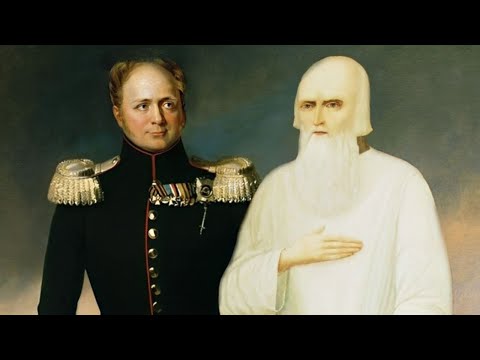
Tsar Alexander I, who ruled Russia from 1801 to 1825, is a figure of significant historical interest due to his multifaceted personality and the tumultuous period in which he lived. Born on December 23, 1777, Alexander was the grandson of Catherine the Great and ascended to the throne after the assassination of his father, Paul I. His reign was marked by significant events, including the Napoleonic Wars, where he played a crucial role in the defeat of Napoleon, and the Congress of Vienna, which redrew the map of Europe. Despite his contributions to European history, Alexander's personal life and later years were shrouded in mystery, with his sudden death on December 1, 1825, sparking numerous theories and legends. The controversy surrounding his death and the succession crisis that followed underscore the complexities of his reign. With a Vibe score of 82, indicating high cultural energy, Alexander I remains a fascinating subject for historians and the general public alike, with influence flows tracing back to his grandmother Catherine the Great and forward to the Romanov dynasty's eventual downfall.
🏰 Introduction to Tsar Alexander I
Tsar Alexander I was a complex and enigmatic leader who ruled Russia from 1801 to 1825. Born on December 23, 1777, Alexander was the grandson of Catherine the Great and the son of Paul I of Russia. His early life and education were heavily influenced by his grandmother, who played a significant role in shaping his views on politics and governance. Alexander's ascension to the throne was marked by the assassination of his father, and he quickly set out to implement reforms and modernize Russia. He is often credited with playing a key role in the defeat of Napoleon Bonaparte and the reorganization of Europe at the Congress of Vienna.
📚 Early Life and Education
Alexander's early life was marked by a mix of Russian and European influences. He was educated by private tutors and was exposed to the works of prominent thinkers such as Voltaire and Rousseau. His education had a significant impact on his worldview, and he developed a strong interest in politics and governance. Alexander's relationship with his father was strained, and he often found himself at odds with his father's conservative policies. Despite this, Alexander was well-prepared to take on the role of tsar when his father was assassinated in 1801. He quickly set out to implement reforms and modernize Russia, drawing on the ideas of Peter the Great and other prominent Russian leaders.
👑 Ascension to the Throne
Alexander's ascension to the throne was marked by a series of challenges, including the threat of Napoleonic Wars and the need to modernize Russia's economy and military. He quickly set out to address these challenges, implementing a series of reforms and modernization efforts. Alexander's foreign policy was marked by a mix of pragmatism and idealism, and he played a key role in the defeat of Napoleon and the reorganization of Europe at the Congress of Vienna. Despite his many accomplishments, Alexander's reign was also marked by controversy and criticism, including his handling of the Decembrist Revolt and his suppression of dissent.
🕊️ The Napoleonic Wars and Foreign Policy
The Napoleonic Wars had a significant impact on Alexander's foreign policy, and he played a key role in the defeat of Napoleon. Alexander's relationship with Napoleon was complex, and the two leaders had a series of tense negotiations and conflicts. Despite this, Alexander was able to navigate the complex web of European alliances and emerge as a key player in the defeat of Napoleon. The Treaty of Tilsit marked a significant turning point in the war, and Alexander's leadership played a key role in the ultimate defeat of Napoleon. Alexander's foreign policy was also marked by a series of alliances and negotiations with other European powers, including the United Kingdom and Austrian Empire.
📈 Domestic Reforms and Modernization
Alexander's domestic reforms and modernization efforts had a significant impact on Russian society and economy. He implemented a series of reforms, including the creation of a new system of government and the establishment of a modernized economy. Alexander's reforms were influenced by the ideas of Peter the Great and other prominent Russian leaders, and he drew on the expertise of European advisors and thinkers. Despite the challenges and controversies surrounding his reforms, Alexander's efforts had a lasting impact on Russian history and paved the way for future modernization efforts. Alexander's relationship with the Russian nobility was complex, and he often found himself at odds with the conservative elements of the nobility. However, he was able to navigate these challenges and implement a series of reforms that had a lasting impact on Russian society.
🤝 The Congress of Vienna and European Politics
The Congress of Vienna marked a significant turning point in Alexander's foreign policy, and he played a key role in the reorganization of Europe. Alexander's relationship with the other European leaders was complex, and he often found himself at odds with the conservative elements of the European nobility. Despite this, Alexander was able to navigate the complex web of alliances and emerge as a key player in the reorganization of Europe. The Congress of Vienna marked a significant turning point in European history, and Alexander's leadership played a key role in shaping the future of the continent. Alexander's foreign policy was also marked by a series of alliances and negotiations with other European powers, including the United Kingdom and Austrian Empire.
🔍 The Enigmatic Personality of Tsar Alexander I
Alexander's personality was complex and enigmatic, and he was often described as moody and unpredictable. Despite his many accomplishments, Alexander struggled with depression and anxiety, and he often found himself at odds with the conservative elements of the Russian nobility. Alexander's relationship with his family was also complex, and he often found himself at odds with his wife and siblings. Despite these challenges, Alexander was able to navigate the complex web of alliances and emerge as a key player in European politics. Alexander's legacy is still debated among historians, with some viewing him as a great leader and others seeing him as a flawed and inconsistent figure. However, his impact on Russian history and European politics is undeniable, and he remains one of the most fascinating and enigmatic figures in Russian history.
👑 Legacy and Impact on Russian History
Alexander's legacy and impact on Russian history are still debated among historians. Some view him as a great leader who played a key role in the defeat of Napoleon and the reorganization of Europe. Others see him as a flawed and inconsistent figure who struggled with depression and anxiety. Despite these debates, Alexander's impact on Russian history is undeniable, and he remains one of the most fascinating and enigmatic figures in Russian history. Alexander's relationship with the Russian people was complex, and he often found himself at odds with the conservative elements of the nobility. However, he was able to navigate these challenges and implement a series of reforms that had a lasting impact on Russian society. Alexander's legacy can be seen in the many reforms and modernization efforts that he implemented, including the creation of a new system of government and the establishment of a modernized economy.
📊 Controversies and Criticisms
Alexander's reign was also marked by controversy and criticism, including his handling of the Decembrist Revolt and his suppression of dissent. Alexander's relationship with the Russian nobility was complex, and he often found himself at odds with the conservative elements of the nobility. Despite these challenges, Alexander was able to navigate the complex web of alliances and emerge as a key player in European politics. However, his suppression of dissent and his handling of the Decembrist Revolt have been widely criticized by historians. Alexander's legacy is still debated among historians, with some viewing him as a great leader and others seeing him as a flawed and inconsistent figure. However, his impact on Russian history and European politics is undeniable, and he remains one of the most fascinating and enigmatic figures in Russian history.
🌎 Influence on European History
Alexander's influence on European history is still felt today, and he remains one of the most fascinating and enigmatic figures in Russian history. His legacy can be seen in the many reforms and modernization efforts that he implemented, including the creation of a new system of government and the establishment of a modernized economy. Alexander's relationship with the European powers was complex, and he often found himself at odds with the conservative elements of the European nobility. However, he was able to navigate the complex web of alliances and emerge as a key player in European politics. Alexander's influence can be seen in the many European leaders who followed in his footsteps, including Otto von Bismarck and Winston Churchill.
👑 Comparison to Other Historical Leaders
Alexander's comparison to other historical leaders is a fascinating topic of study. He is often compared to other great leaders, including Peter the Great and Catherine the Great. Alexander's legacy and impact on Russian history are still debated among historians, with some viewing him as a great leader and others seeing him as a flawed and inconsistent figure. However, his impact on Russian history and European politics is undeniable, and he remains one of the most fascinating and enigmatic figures in Russian history. Alexander's relationship with the Russian people was complex, and he often found himself at odds with the conservative elements of the nobility. However, he was able to navigate these challenges and implement a series of reforms that had a lasting impact on Russian society.
Key Facts
- Year
- 1777
- Origin
- St. Petersburg, Russia
- Category
- History
- Type
- Historical Figure
Frequently Asked Questions
Who was Tsar Alexander I?
Tsar Alexander I was a complex and enigmatic leader who ruled Russia from 1801 to 1825. He was the grandson of Catherine the Great and the son of Paul I of Russia. Alexander's ascension to the throne was marked by the assassination of his father, and he quickly set out to implement reforms and modernize Russia. He is often credited with playing a key role in the defeat of Napoleon Bonaparte and the reorganization of Europe at the Congress of Vienna.
What were Alexander's major accomplishments?
Alexander's major accomplishments include his role in the defeat of Napoleon Bonaparte and the reorganization of Europe at the Congress of Vienna. He also implemented a series of reforms and modernization efforts, including the creation of a new system of government and the establishment of a modernized economy. Alexander's legacy can be seen in the many reforms and modernization efforts that he implemented, including the creation of a new system of government and the establishment of a modernized economy.
What were Alexander's major challenges?
Alexander's major challenges included the threat of Napoleonic Wars and the need to modernize Russia's economy and military. He also faced opposition from the conservative elements of the Russian nobility, who were resistant to his reforms and modernization efforts. Alexander's relationship with his family was also complex, and he often found himself at odds with his wife and siblings.
How did Alexander's personality impact his leadership?
Alexander's personality was complex and enigmatic, and he was often described as moody and unpredictable. Despite his many accomplishments, Alexander struggled with depression and anxiety, and he often found himself at odds with the conservative elements of the Russian nobility. Alexander's relationship with his family was also complex, and he often found himself at odds with his wife and siblings.
What is Alexander's legacy?
Alexander's legacy is still debated among historians, with some viewing him as a great leader and others seeing him as a flawed and inconsistent figure. However, his impact on Russian history and European politics is undeniable, and he remains one of the most fascinating and enigmatic figures in Russian history. Alexander's legacy can be seen in the many reforms and modernization efforts that he implemented, including the creation of a new system of government and the establishment of a modernized economy.