
Contents
- 📚 Introduction to Transformative Learning
- 🔍 Theoretical Foundations of Transformative Learning
- 📈 Dimensions of Perspective Transformation
- 👥 Psychological Dimension of Transformative Learning
- 💡 Convictional Dimension of Transformative Learning
- 📊 Behavioral Dimension of Transformative Learning
- 📚 Facilitating Transformative Learning
- 🤝 Critically Analyzing Underlying Premises
- 📈 Expansion of Consciousness through Transformative Learning
- 📊 Assessing the Impact of Transformative Learning
- 📚 Future Directions in Transformative Learning
- Frequently Asked Questions
- Related Topics
Overview
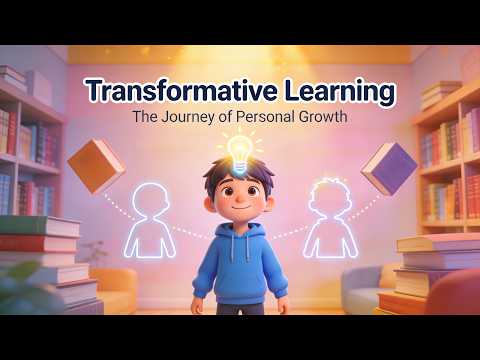
Transformative learning, a concept developed by Jack Mezirow in 1978, refers to a profound shift in an individual's perspective, worldview, or sense of self. This type of learning is often triggered by a disorienting dilemma, which challenges existing assumptions and forces the learner to re-examine their beliefs and values. Through a process of critical reflection and self-examination, individuals can develop a more nuanced understanding of themselves and the world around them, leading to increased empathy, tolerance, and social awareness. With a vibe rating of 8, transformative learning has been widely adopted in various educational settings, including adult education, higher education, and community development programs. However, critics argue that the concept can be overly broad and lacking in concrete, measurable outcomes. As the education landscape continues to evolve, transformative learning remains a vital component of personal and societal growth, with influential thinkers like Paulo Freire and bell hooks contributing to its ongoing development. The future of transformative learning will likely involve increased integration with emerging technologies and a greater emphasis on social justice and community engagement.
📚 Introduction to Transformative Learning
Transformative learning is a theory that has gained significant attention in the field of education, particularly in adult learning. As explained by Jack Mezirow, a prominent theorist in this area, transformative learning is the process of perspective transformation, which has three dimensions: psychological, convictional, and behavioral. This theory suggests that learning is not just about acquiring new knowledge, but also about transforming one's worldview and specific capacities of the self. For instance, transformative education programs often incorporate experiential learning activities to facilitate this process.
🔍 Theoretical Foundations of Transformative Learning
The theoretical foundations of transformative learning are rooted in the idea that our perspectives and worldviews are shaped by our experiences, culture, and social context. As transformative learning theory suggests, the process of perspective transformation involves critically analyzing underlying premises and assumptions that shape our understanding of the world. This process is facilitated through consciously directed processes such as appreciative inquiry and critical thinking. Researchers like Peter Senge have also explored the concept of systems thinking in relation to transformative learning.
📈 Dimensions of Perspective Transformation
The dimensions of perspective transformation are crucial in understanding how transformative learning occurs. The psychological dimension, for example, involves the process of becoming aware of one's own thoughts, feelings, and beliefs, and how these shape our perspectives. As discussed in adult development theory, this process is essential for personal growth and transformation. The convictional dimension, on the other hand, involves the process of critically examining one's own values and beliefs, and how these shape our understanding of the world. This is closely related to moral development theory, which explores the development of moral values and principles.
👥 Psychological Dimension of Transformative Learning
The psychological dimension of transformative learning is a critical aspect of the process. As Carl Rogers suggested, the process of becoming aware of one's own thoughts, feelings, and beliefs is essential for personal growth and transformation. This process involves self-reflection and self-awareness, which are critical components of transformative learning. By exploring emotional intelligence and social learning theory, individuals can gain a deeper understanding of their own psychological processes and how these impact their learning.
💡 Convictional Dimension of Transformative Learning
The convictional dimension of transformative learning involves the process of critically examining one's own values and beliefs. As Jürgen Habermas argued, this process is essential for developing a critical perspective on the world. This dimension involves critical pedagogy and social critique, which are critical components of transformative learning. By examining power dynamics and social justice issues, individuals can develop a more nuanced understanding of the world and their place within it.
📊 Behavioral Dimension of Transformative Learning
The behavioral dimension of transformative learning involves the process of changing one's behavior and actions in response to new perspectives and understanding. As Albert Bandura suggested, this process involves social learning theory and behavioral change. This dimension is critical in transforming one's worldview and specific capacities of the self. By exploring organizational development and leadership theory, individuals can learn how to apply transformative learning principles in real-world contexts.
📚 Facilitating Transformative Learning
Facilitating transformative learning requires a range of strategies and approaches. As Parker Palmer suggested, this process involves creating a safe and supportive learning environment that encourages deep learning and critical thinking. This can be achieved through experiential learning activities, service learning, and project-based learning. By incorporating technology-enhanced learning and online learning platforms, educators can reach a wider audience and facilitate more flexible learning opportunities.
🤝 Critically Analyzing Underlying Premises
Critically analyzing underlying premises is a critical component of transformative learning. As Richard Paul argued, this process involves critical thinking and media literacy, which are essential for developing a critical perspective on the world. This process involves examining power dynamics and social justice issues, and how these shape our understanding of the world. By exploring cultural critique and feminist theory, individuals can gain a deeper understanding of the complex power dynamics at play in society.
📈 Expansion of Consciousness through Transformative Learning
The expansion of consciousness through transformative learning is a critical aspect of the process. As Ken Wilber suggested, this process involves the development of integral theory and transpersonal psychology. This dimension involves the process of becoming aware of one's own thoughts, feelings, and beliefs, and how these shape our perspectives. By examining contemplative education and mindfulness practices, individuals can cultivate a greater sense of awareness and understanding.
📊 Assessing the Impact of Transformative Learning
Assessing the impact of transformative learning is critical in evaluating the effectiveness of this approach. As Donald Kirkpatrick suggested, this process involves program evaluation and outcomes assessment. This dimension involves examining the psychological, convictional, and behavioral dimensions of transformative learning, and how these shape our understanding of the world. By exploring learning analytics and educational research, educators can gain a deeper understanding of the impact of transformative learning on individuals and society.
📚 Future Directions in Transformative Learning
Future directions in transformative learning involve the development of new strategies and approaches for facilitating this process. As Stephen Brookfield suggested, this process involves critical pedagogy and social critique, which are critical components of transformative learning. By examining emerging trends in education and innovations in learning, educators can stay ahead of the curve and provide students with the most effective and engaging learning experiences possible.
Key Facts
- Year
- 1978
- Origin
- Jack Mezirow
- Category
- Education
- Type
- Concept
Frequently Asked Questions
What is transformative learning?
Transformative learning is a theory that suggests that learning is not just about acquiring new knowledge, but also about transforming one's worldview and specific capacities of the self. This process involves the psychological, convictional, and behavioral dimensions of perspective transformation. As transformative learning theory explains, this process is facilitated through consciously directed processes such as appreciative inquiry and critical thinking.
What are the dimensions of perspective transformation?
The dimensions of perspective transformation are psychological, convictional, and behavioral. The psychological dimension involves the process of becoming aware of one's own thoughts, feelings, and beliefs, and how these shape our perspectives. The convictional dimension involves the process of critically examining one's own values and beliefs, and how these shape our understanding of the world. The behavioral dimension involves the process of changing one's behavior and actions in response to new perspectives and understanding. As adult development theory suggests, these dimensions are interconnected and interdependent.
How is transformative learning facilitated?
Transformative learning is facilitated through consciously directed processes such as appreciative inquiry and critical thinking. This process involves creating a safe and supportive learning environment that encourages deep learning and critical thinking. As Parker Palmer suggested, this can be achieved through experiential learning activities, service learning, and project-based learning. By incorporating technology-enhanced learning and online learning platforms, educators can reach a wider audience and facilitate more flexible learning opportunities.
What is the role of critical thinking in transformative learning?
Critical thinking is a critical component of transformative learning. As Richard Paul argued, this process involves critical thinking and media literacy, which are essential for developing a critical perspective on the world. This process involves examining power dynamics and social justice issues, and how these shape our understanding of the world. By exploring cultural critique and feminist theory, individuals can gain a deeper understanding of the complex power dynamics at play in society.
How can transformative learning be assessed?
Transformative learning can be assessed through program evaluation and outcomes assessment. This involves examining the psychological, convictional, and behavioral dimensions of transformative learning, and how these shape our understanding of the world. As Donald Kirkpatrick suggested, this process involves evaluating the impact of transformative learning on individuals and society. By exploring learning analytics and educational research, educators can gain a deeper understanding of the impact of transformative learning and make data-driven decisions to improve their programs.
What are the future directions in transformative learning?
Future directions in transformative learning involve the development of new strategies and approaches for facilitating this process. As Stephen Brookfield suggested, this process involves critical pedagogy and social critique, which are critical components of transformative learning. By examining emerging trends in education and innovations in learning, educators can stay ahead of the curve and provide students with the most effective and engaging learning experiences possible. This may involve incorporating artificial intelligence and virtual reality into learning environments, or developing new competency-based education models.
How can transformative learning be applied in real-world contexts?
Transformative learning can be applied in a variety of real-world contexts, including organizational development, leadership theory, and social change. As Peter Senge suggested, this process involves systems thinking and collaborative learning, which are essential for developing a critical perspective on the world. By exploring community development and social movement theories, individuals can gain a deeper understanding of how transformative learning can be applied in real-world contexts to drive positive change.